

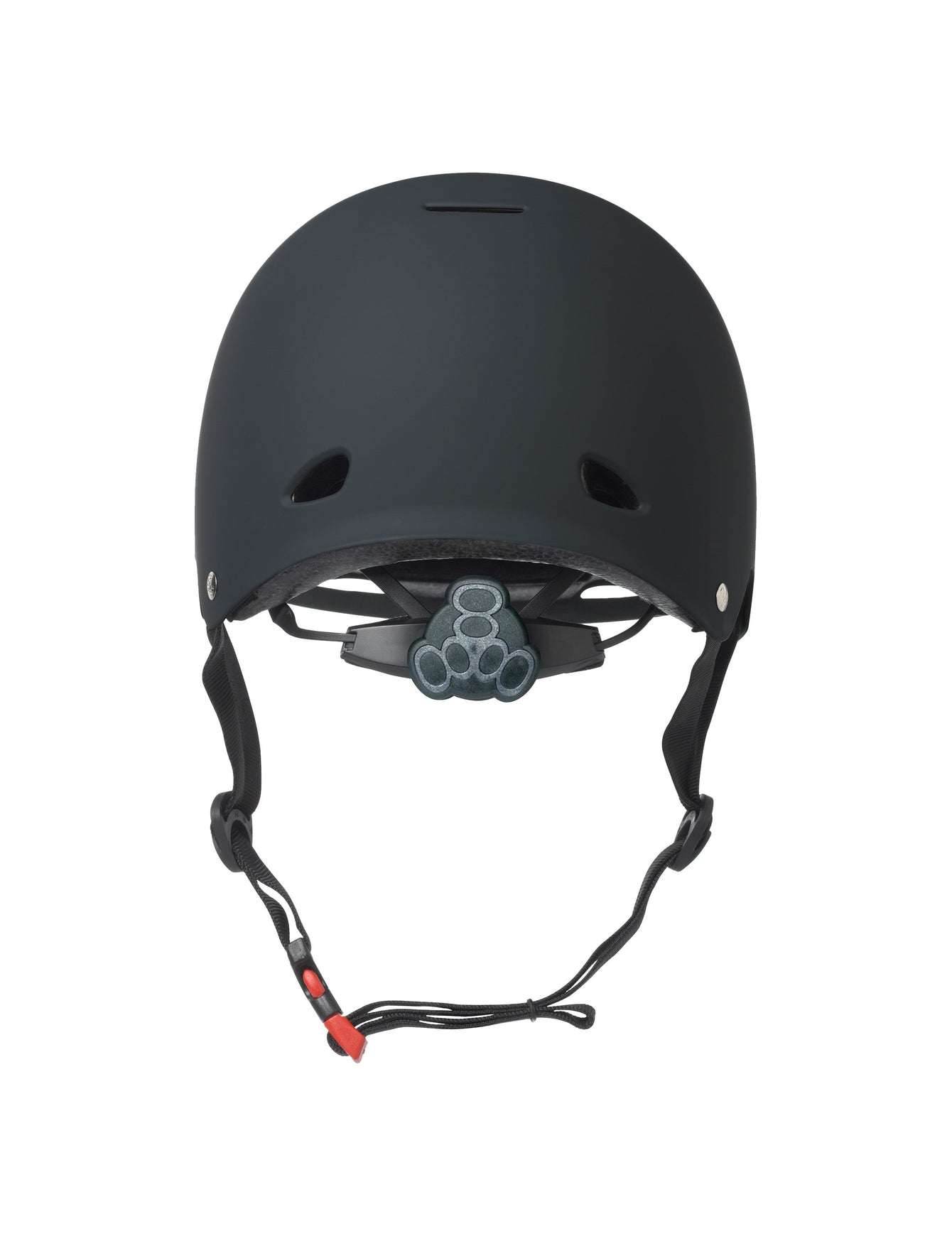
MIPS snowboard helmets, the rotational-impact protection system that has become the safety benchmark. MIPS adds a low-friction layer inside the helmet that lets it rotate slightly on impact, reducing the rotational forces linked to certain brain injuries. If you are buying a new helmet, it is the feature worth prioritising. Not sure whether you need it? Read MIPS vs WaveCel explained first, or browse all snowboard helmets.



Frequently Asked Questions
Multi-directional Impact Protection System. It is a low-friction layer inside the helmet that lets the shell rotate a few millimetres on an angled impact, reducing the rotational forces linked to certain brain injuries. Most falls are angled rather than straight-on, which is exactly what MIPS is designed for.
If your budget stretches to it, yes. The premium over a non-MIPS version of the same helmet is usually modest, and it is the upgrade we would prioritise over cosmetic features. Spend here before colours or vents.
No. The helmet still has to fit snug and level with no movement for the system to work. Cover your forehead to just above the goggles, do not let it slide, and measure your head circumference just above the ears against the brand's size chart.
They should meet with no gap across the forehead. Most modern MIPS helmets and goggles pair fine, but it is worth checking as a pair. If buying both, buy them together or ask us to confirm the fit.
Let customers speak for us
Super smooth on rough road great
Super smooth on rough road great wheels
Anonymous
Perfect everything
Ron Krogoll

Flux DS Bindings
Perfect fit, nice and lightweight with a blend of flex and responsiveness. I’ve always loved Flux bindings.
Craig Dartnell Dartnell

Amazing all mountain board a great shop
Bruce

Anon goggles
Anon goggles. Great advice from staff, and prompt delivery. Love the goggles. Thanks 12 Board Store. .
Darren Nutt
Excellent Anon Magna-tech feature and light level
I needed a new lens for my Anon M4 goggles and I already had a Perceive variable green and variable blue, so I went with the variable violet! I never really have any need for the cloudy or sunny spectrum of lenses.
John Henty-Wilson

Awesome service
Always happy dealing with the crew at Twelve, great service fast delivery
Jason Livingston

Awesome Product
Awesome Product. Arrived quickly and well packaged
Anonymous
Knowledgeable staff very helpful and convenient location in Melbourne close to cbd not miles away
Knowledgeable staff very helpful and convenient location in Melbourne close to cbd not miles away in outer suburbs.
Michael Charbonnier
Awesome thanks
Predrag

Awesome thanks
Predrag

Nitro women’s snowboard
Amazing quality and super cool design!!!
Anonymous

Carver C7 Skateboard Trucks | Indigo
Pablo Retamal

Great store to shop
Great store to shop with
Anonymous
Excellent Service
I’m very happy with my purchase. I received it at a great price, and the delivery was extremely quick. Thank you for the excellent service.
Nina