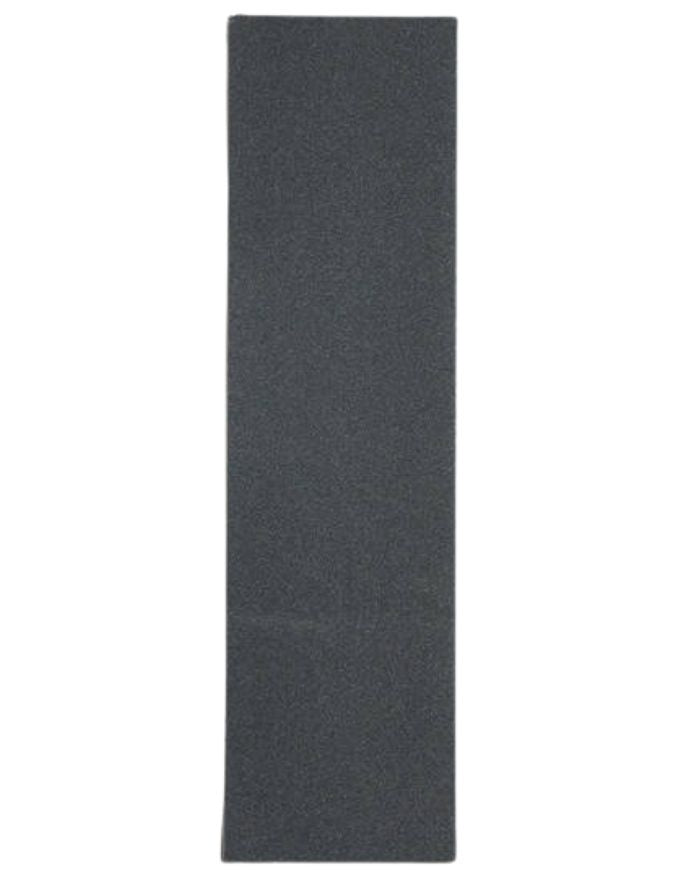
Griptape is the abrasive sheet on top of your deck that keeps your feet connected to the board. Get it right and your feet lock in, your flicks are cleaner and the board responds to exactly where you put pressure. It is one of the cheapest parts of a setup and one of the most important. We stock Mob, Jessup, Grizzly, Santa Cruz and more, and if you buy a deck from us in store we will grip it for you.












Frequently Asked Questions
Mob is the most common: consistent, widely available and reliably grippy. Some riders prefer Jessup for its thinner feel. Both are quality choices.
Less than most other components. The difference between quality grip brands is subtle. The bigger difference is quality grip versus cheap grip, which loses its bite faster and bubbles more easily.
Yes, it is straightforward with a bit of care: line it up before committing, press bubbles out from the centre, and cut cleanly at 45 degrees. Or buy your deck from us in store and we will grip it for you.
It depends how often you skate, your shoes and the conditions. Regular street skaters might replace it every few months; casual riders can go a year or more on one sheet.
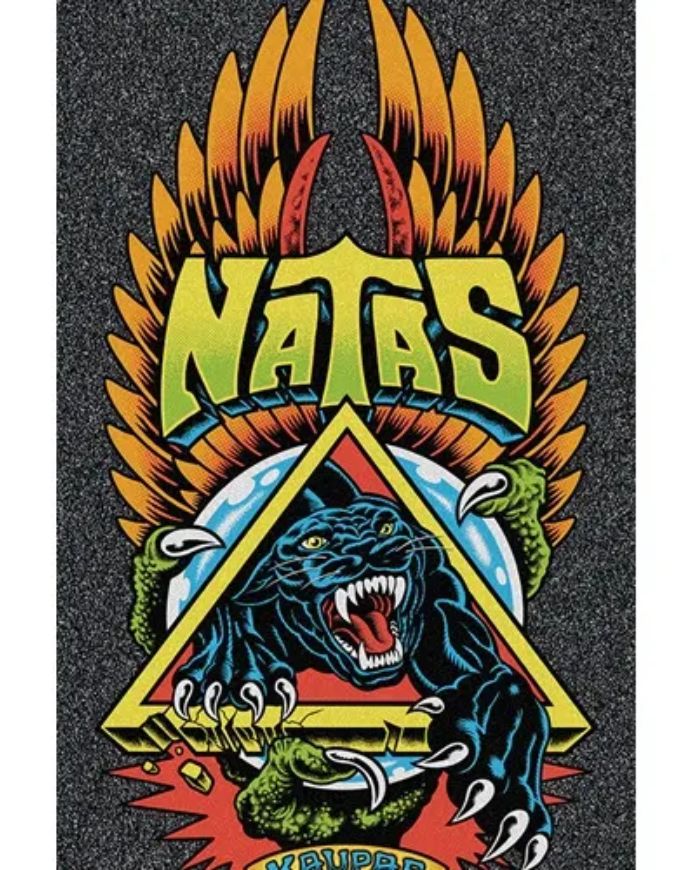
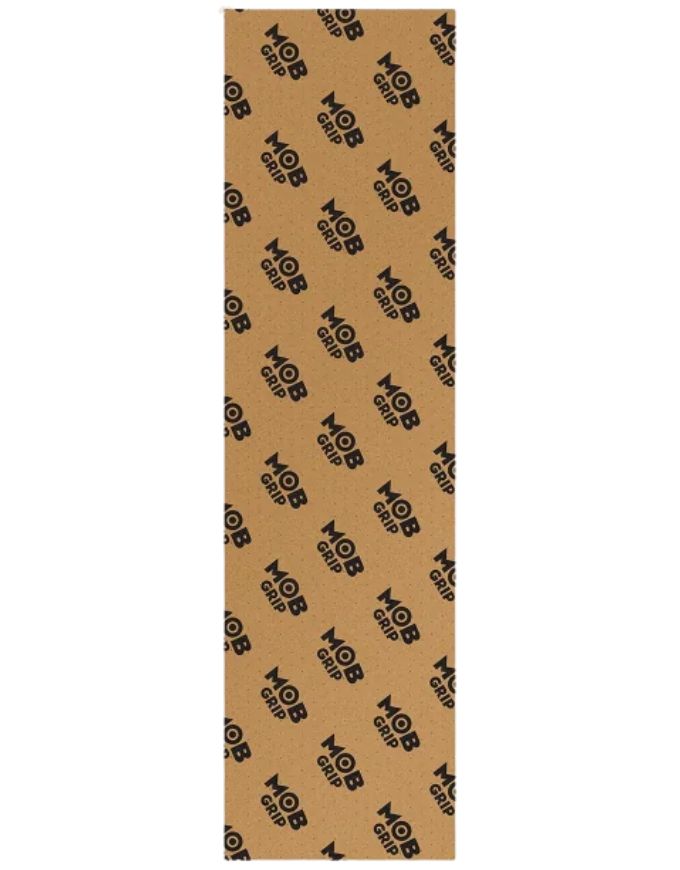
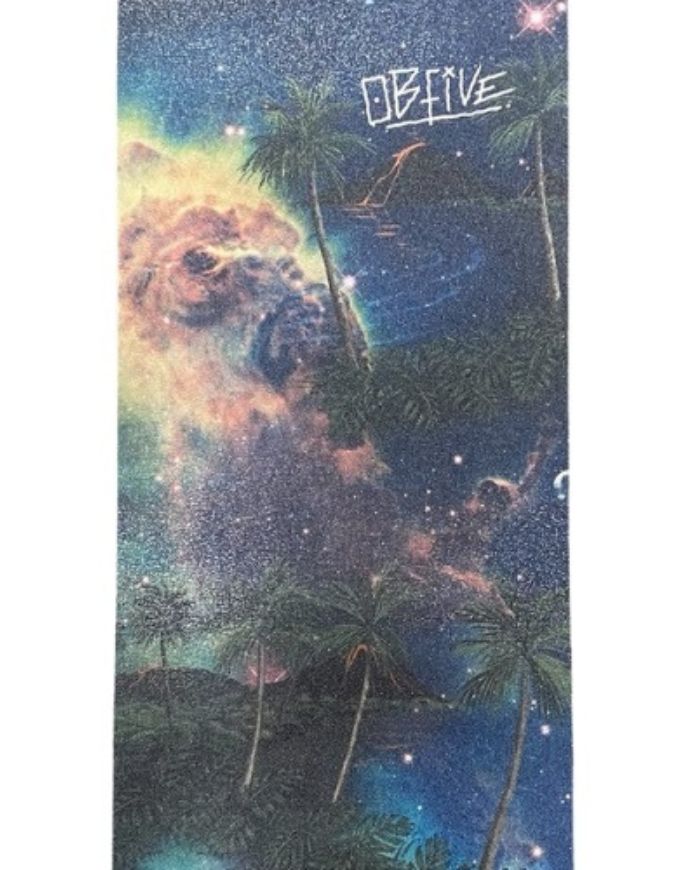
Only looks. Black is standard, clear lets the deck graphic show through, and graphic grip adds a design. All three use the same grip material underneath, so performance is the same.
Let customers speak for us
Excellent Service
I’m very happy with my purchase. I received it at a great price, and the delivery was extremely quick. Thank you for the excellent service.
Nina
Excellent
Excellent service
Sean Murphy
always a please ordering from Twelve Board Store
always a please ordering from Twelve Board Store.
My latest order even can with a handwritten note about how SICK the board I had purchased... very obvious that those who work there are in the industry and love the product also
MARTIN
It’s
It’s great
Anonymous
Warm Gloves
Burton Women's GORE-TEX Glove 2026 They are a warm Glove and have a removable liner for when it's not as cold
Timothy Johnson

.
Anonymous
Burton AK Acamar 3L Goretex jacket
I managed to steal this in-season 3L Gore jacket for half its retail and it took no time for delivery. Now I just have to wait till January to test it in some J-pow conditions. Awesome service from the team at 12 :-)
Ian L
Awesome service
Awesome service , legends 🤙
Brian Hulsinga
Granddaughter was extremely happy with her new skate board
Granddaughter was extremely happy with her new skate board. It arrived with no hassle.
Kristie
Always great advice guys
Always great advice guys.
And great delivery time.
William Mitris
X/DMG X01 Double Knee Work Pant | Washed Stone
Sick work pants, keen to get another pair
Davo Pauli

Size up. Awesome product well made
Dan Salem

Pint-S thoughts
I've had my new Pint-S now for a week and put about 11 klms on it so far due to a fair bit of rain. The battery is now at 62% and top speed of 16kph as I find 12-15 very comfortable and have no intention of hurting myself any sooner than I have to.
The treaded tire gives more confidence for sure off of the pavement which I do about 50%.
I like the curved foot pads as I like a wide stance and my feet feel more planted than on the Pint. The Fender is also almost a must for me now that I see the difference of gravel and dirt not covering the footpads anymore.
Twelveboard store was very helpful and friendly with the purchase as well.
Matt

Flight Risk
Thanks for the gift card, not sure how to use it just yet!
William Rivera

Love
They’re great
Matt Swoboda

Skateboard Protective Gear
View all →

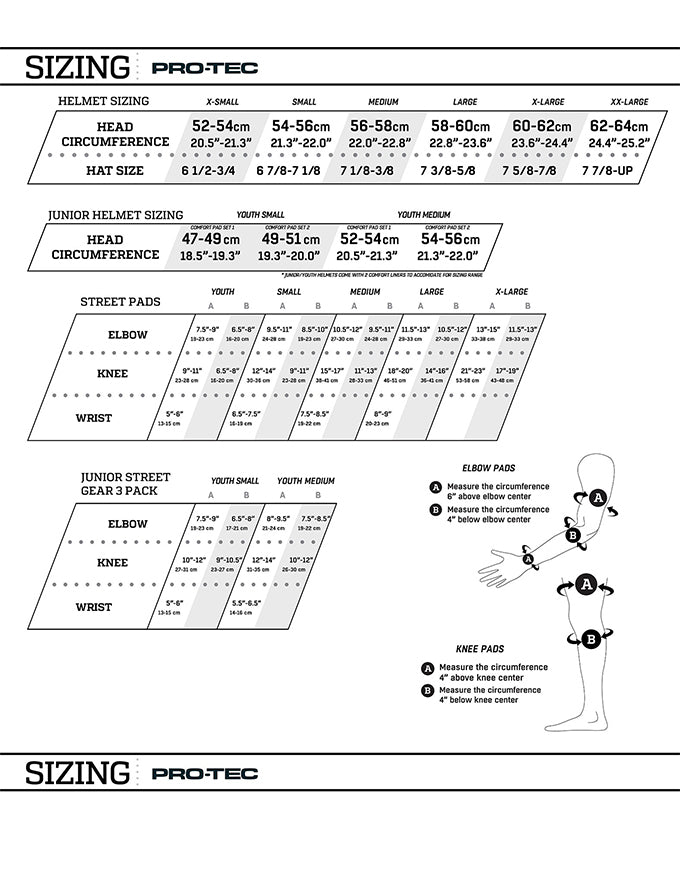

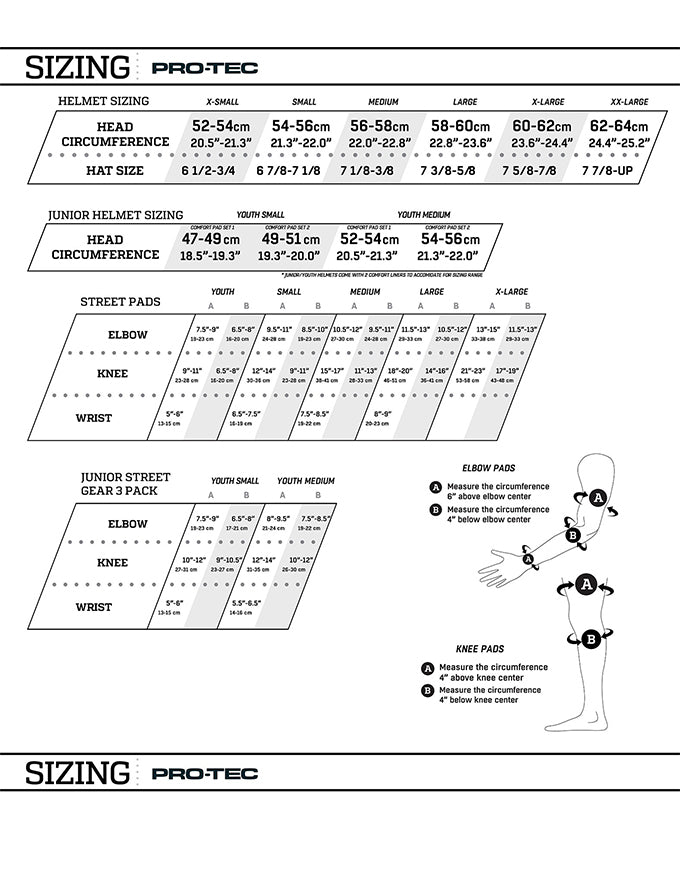


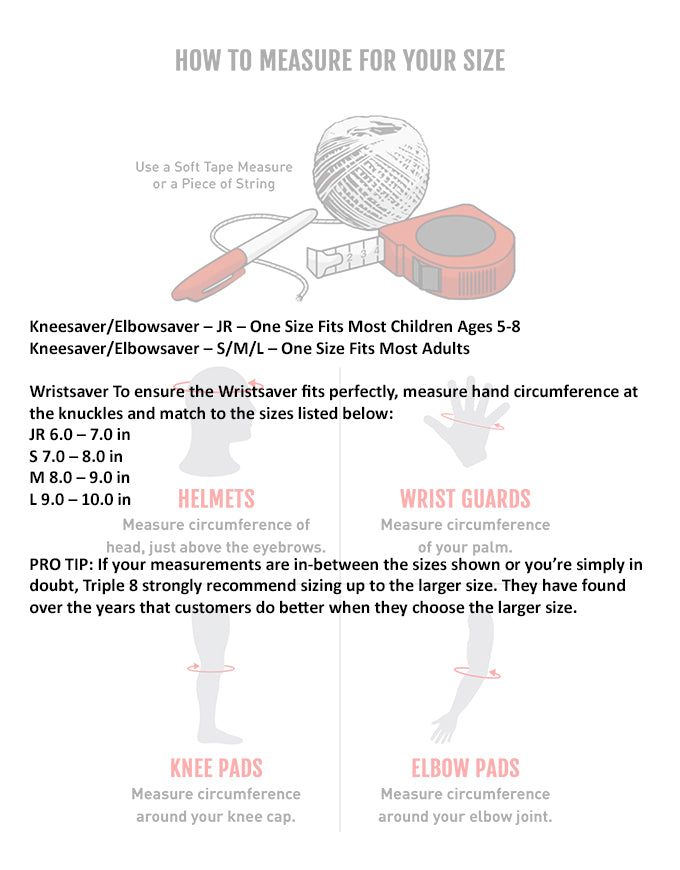




ProTec Classic Bucky Helmet (Ex Display)
$50.00
$99.99

Pro Tec B2 Bike (Ex display)
$50.00
$99.99