
splitboarding
Backcountry safety gear is the equipment that keeps you alive when things go wrong beyond the resort boundary. Not the gear that makes you feel safer — the gear that actually saves your life in an avalanche burial. There is no grey area here: every person in the group carries a beacon, probe and shovel. Every time. No exceptions for experience, local knowledge or short tours. Australian backcountry terrain — the Bogong High Plains, the Kosciuszko Main Range, the terrain above Falls Creek and Hotham — presents genuine avalanche risk under the right snowpack conditions, and those conditions occur every season. We stock a full range of avalanche safety equipment from BCA, Black Diamond, Mammut and Pieps at our Richmond showroom, with staff who can demonstrate correct use before you leave.
The Three Non-Negotiables — Beacon, Probe, Shovel
These three items are the minimum kit for any person entering uncontrolled backcountry terrain. Together they enable organised avalanche rescue. Without any one of the three — in any person in the group — your rescue capability is compromised.
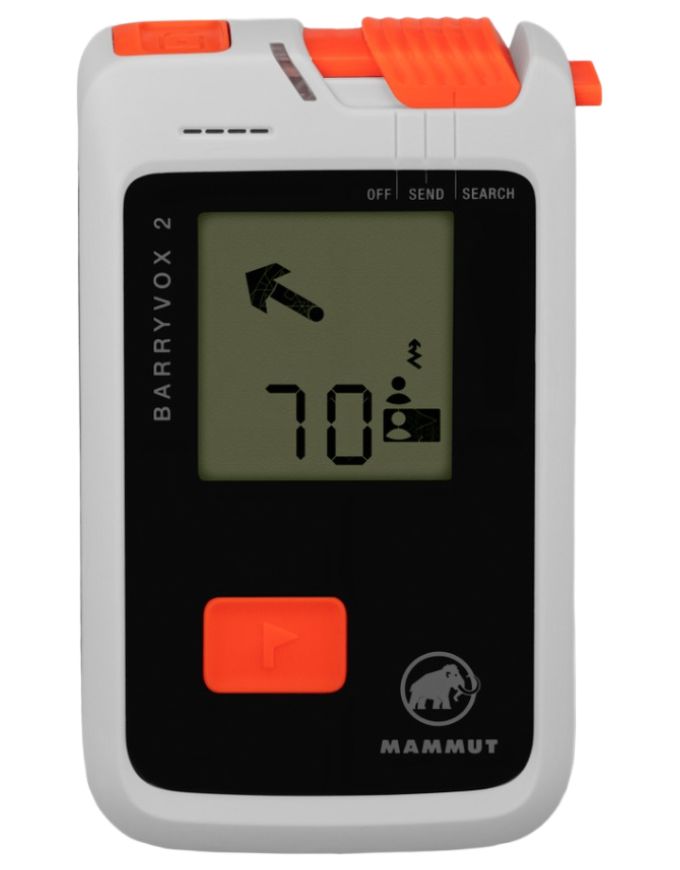
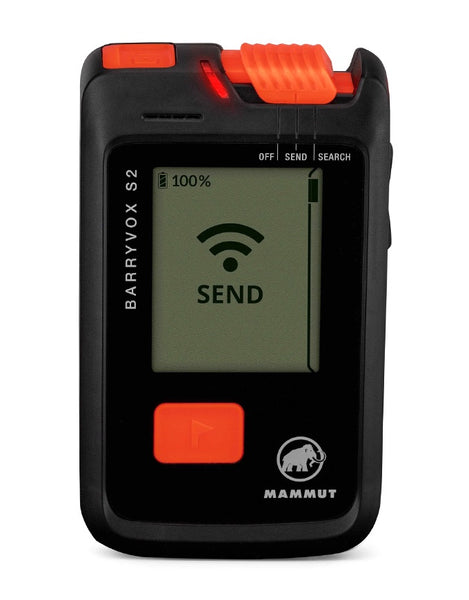
Avalanche beacon (transceiver): A digital transceiver worn on your body (not in your pack) that transmits a signal when you're touring and switches to search mode when you're looking for a buried person. Modern three-antenna digital beacons can locate a buried victim in seconds. The beacon must be worn under your outer layer — in a harness against your body — not in a pocket where it can be separated from you in a slide. Practice switching from transmit to search mode until it's automatic. See our avalanche beacons.
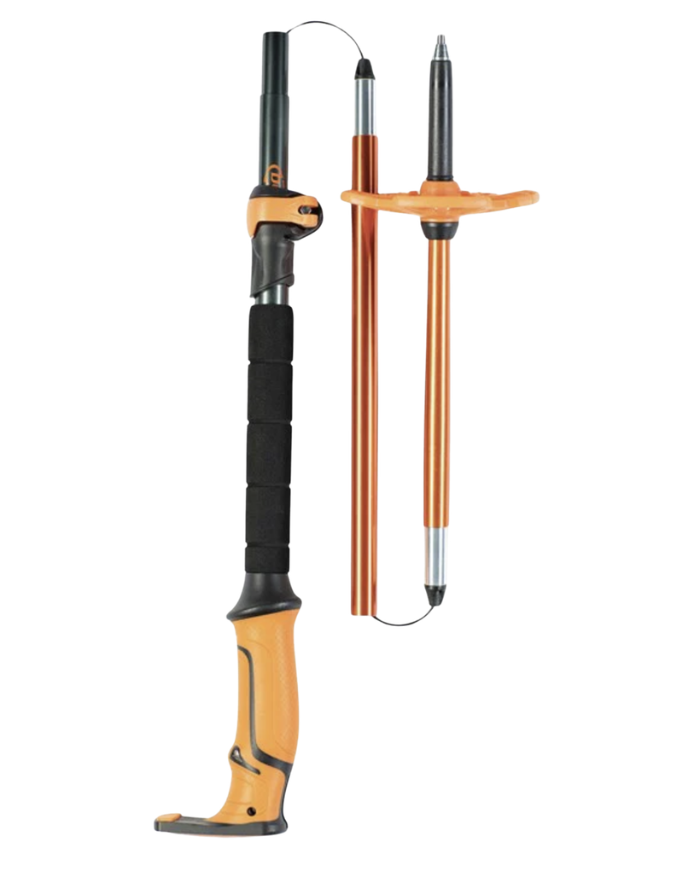
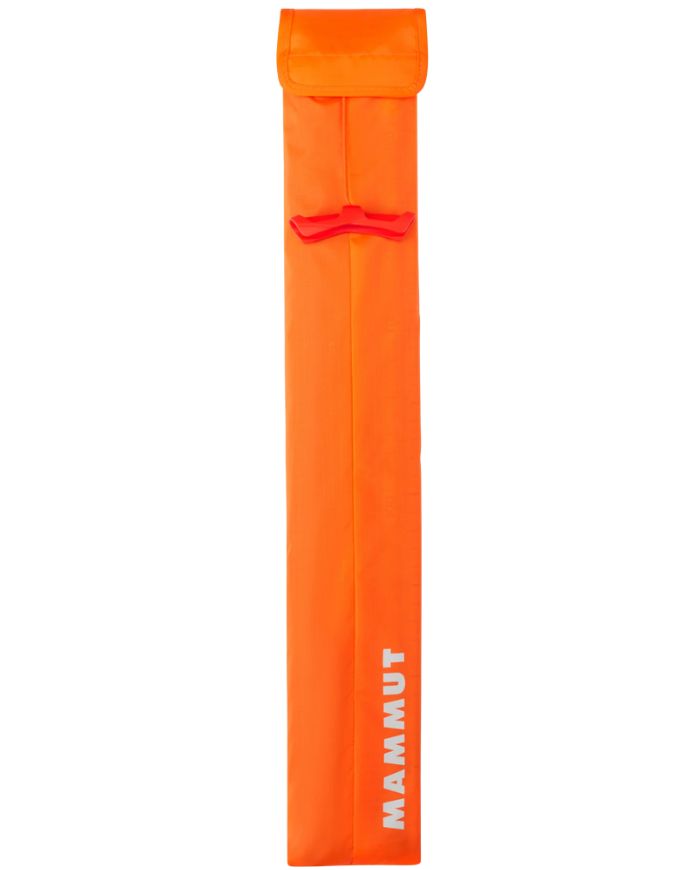
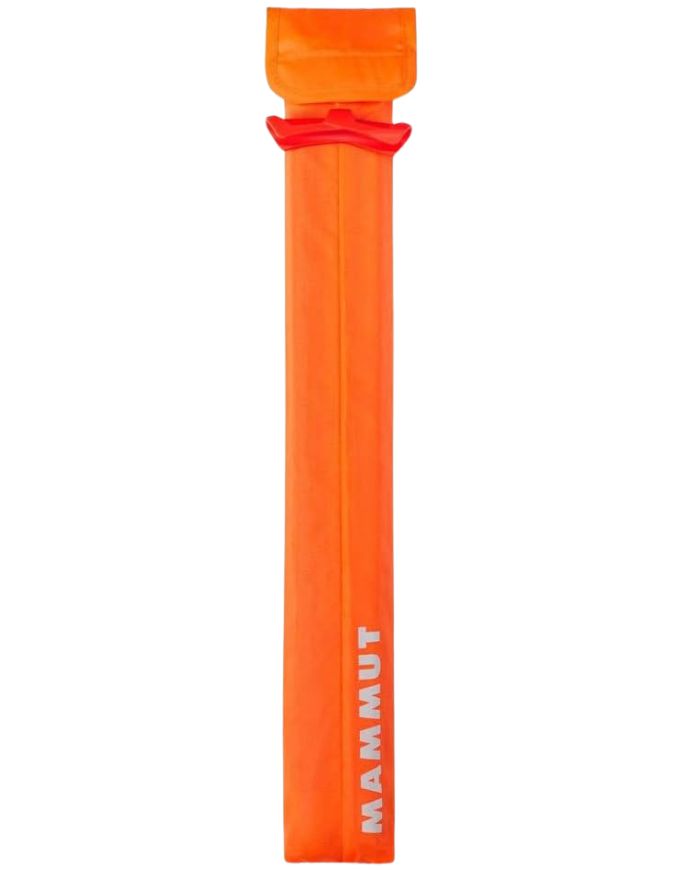
Avalanche probe: A collapsible pole that locates the exact position of a buried person once the beacon has narrowed down the search area. Probe length matters — 240cm minimum for Australian conditions, 300cm if you're accessing deep snowpack terrain. Probe speed matters too — practice assembling yours until it deploys in under ten seconds. See our avalanche probes.
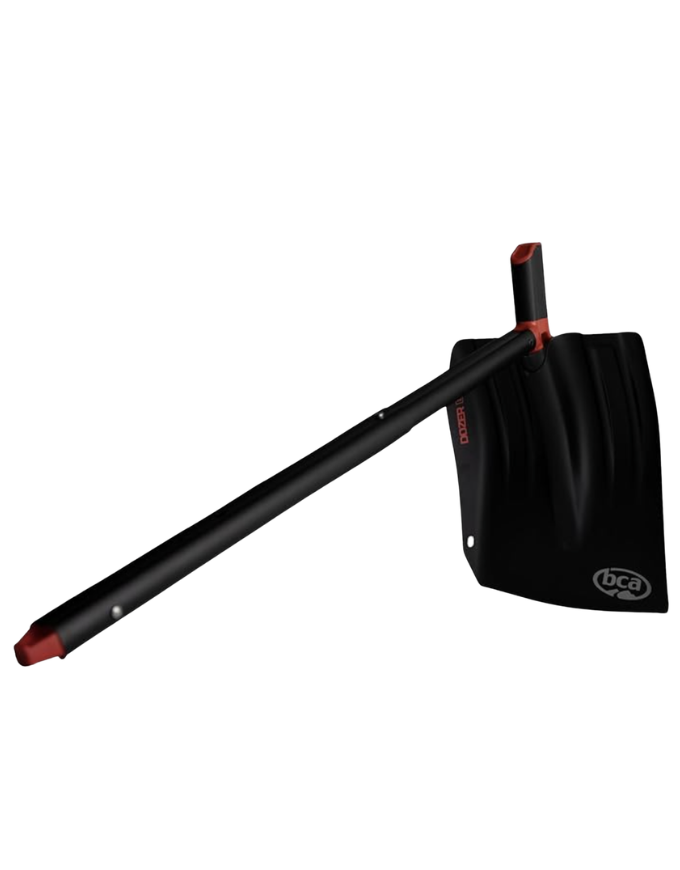
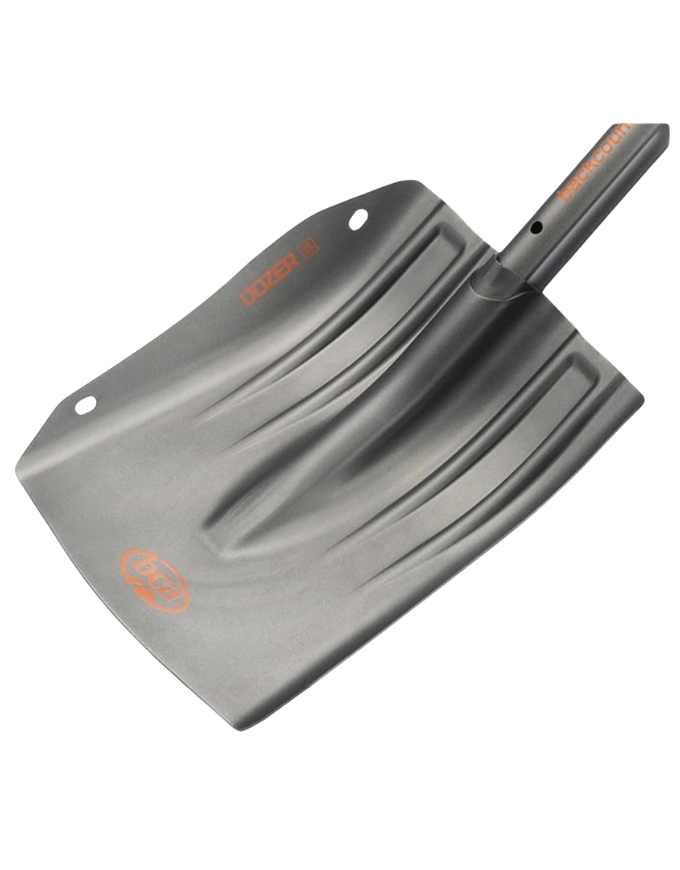
Avalanche shovel: The tool that gets the buried person out. Survival rates in avalanche burial drop sharply after 15 minutes — the speed of extraction is directly related to the quality and size of your shovel. A plastic shovel is not adequate. Metal blade, extendable shaft, large scoop area. See our avalanche shovels.
Avalanche Airbag Packs — the Next Level of Protection
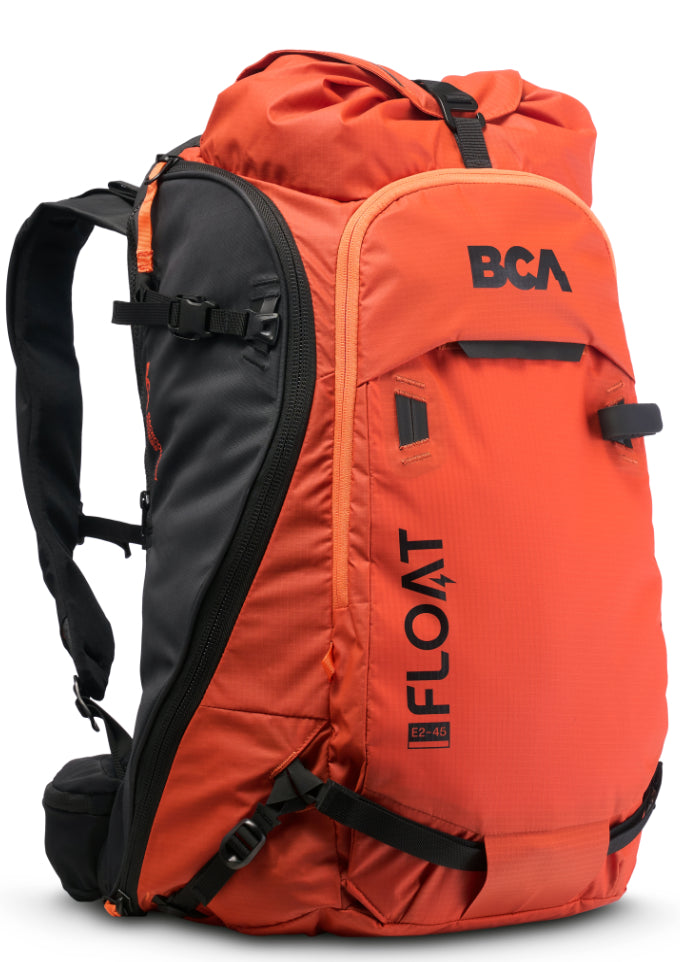
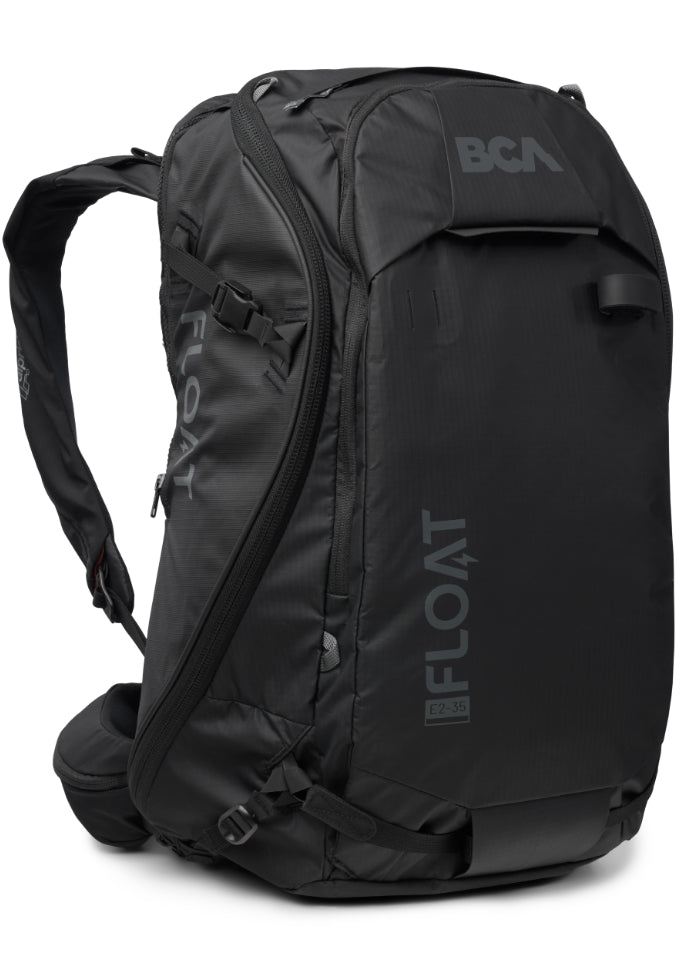
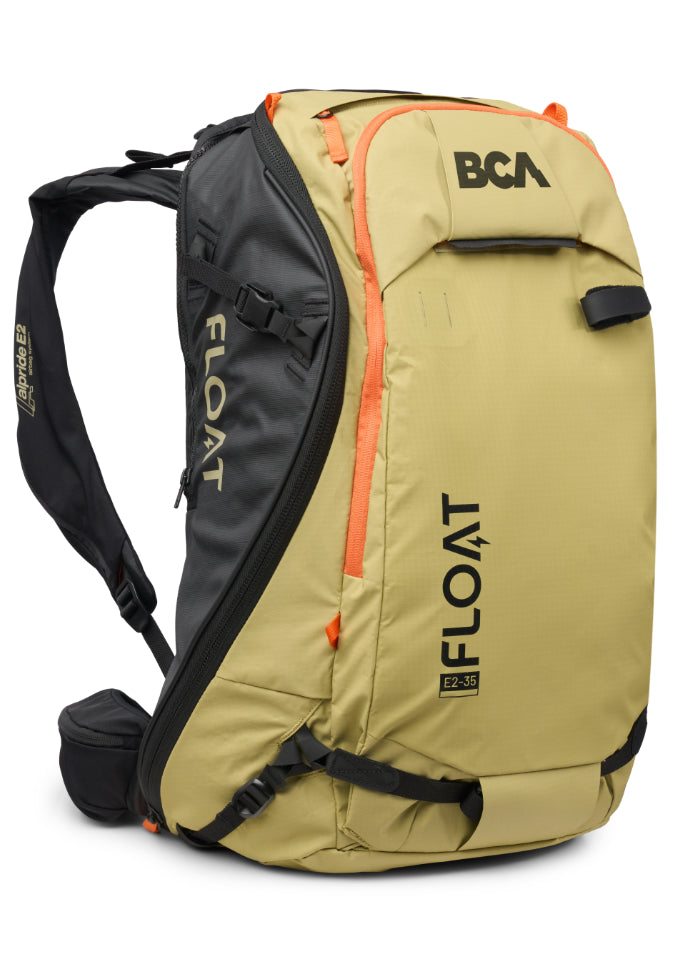
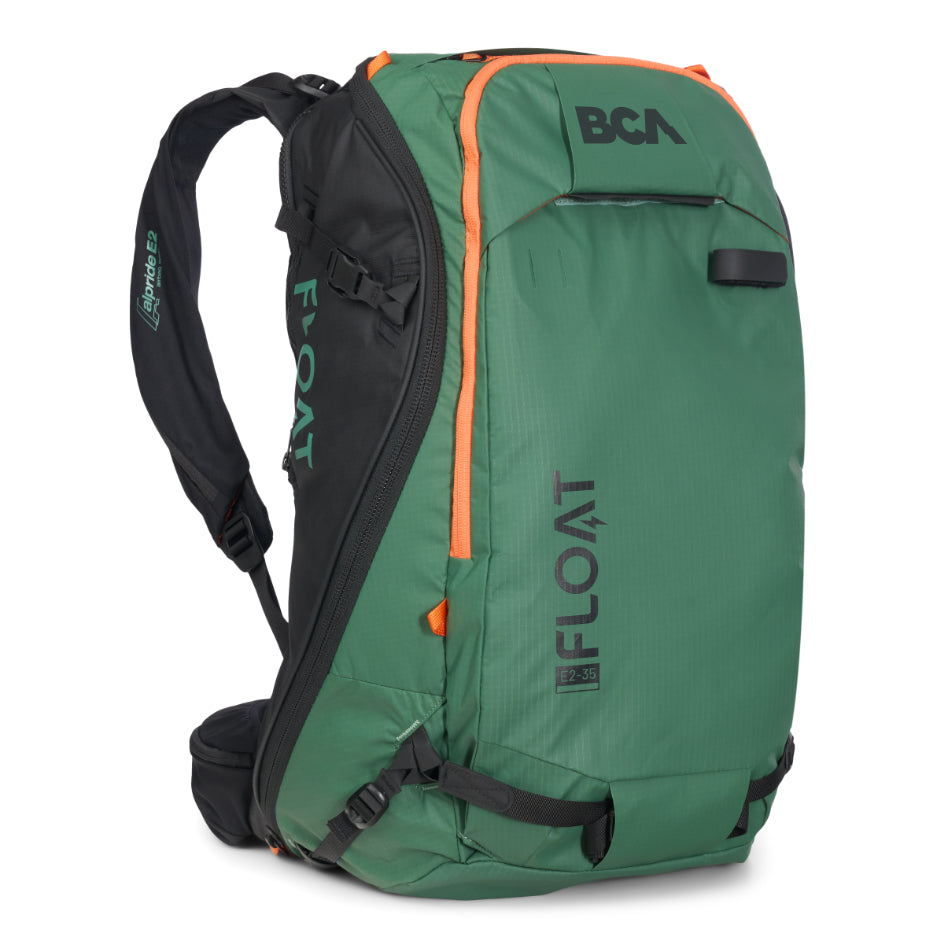
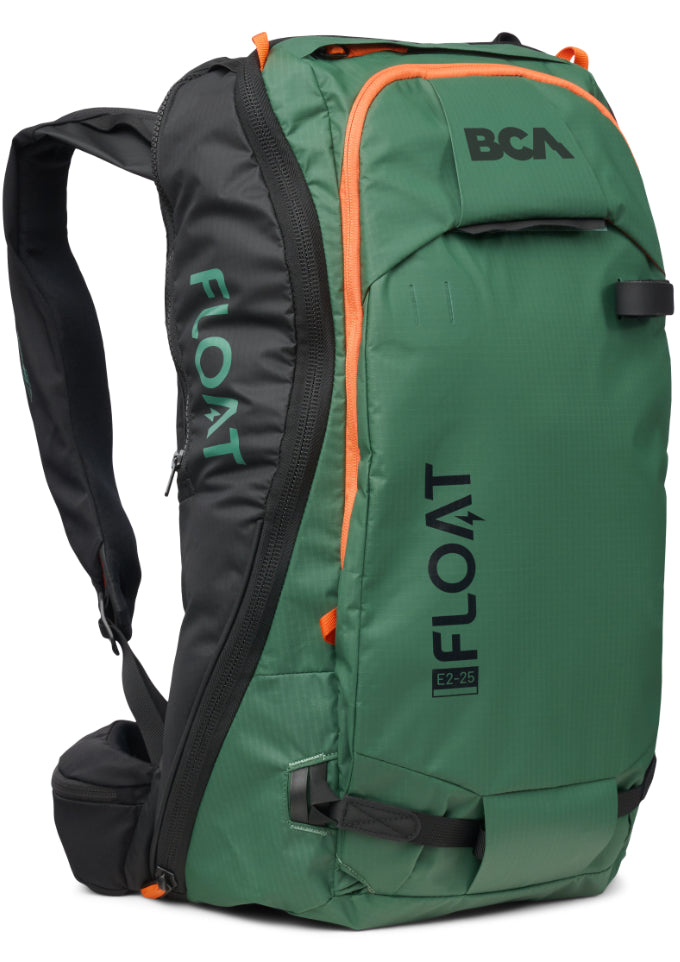
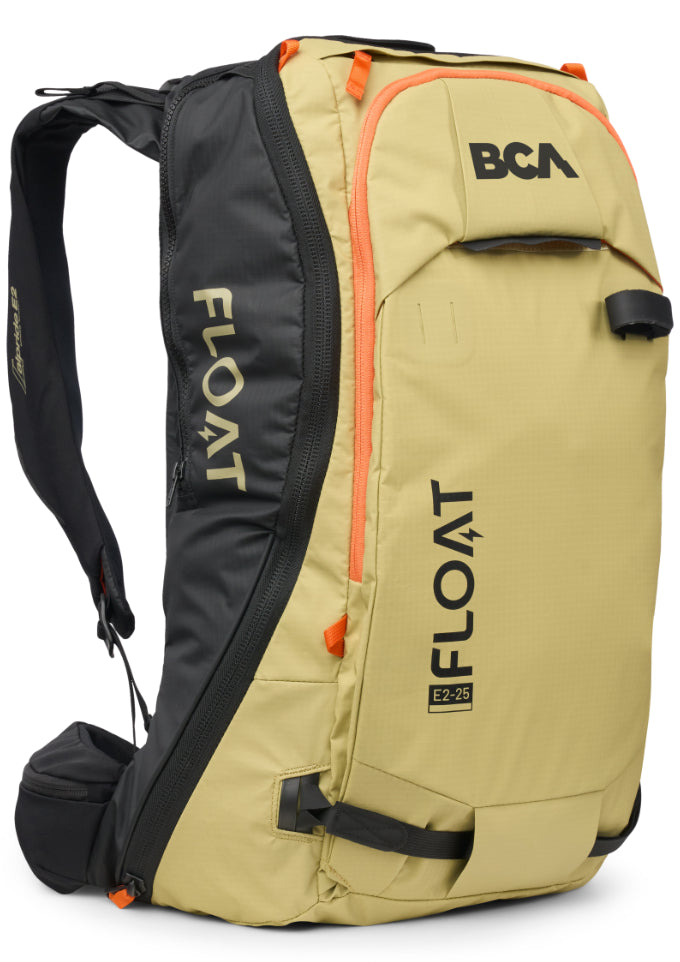
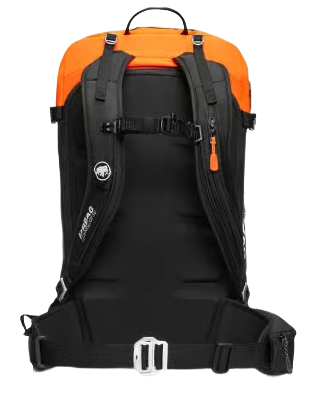
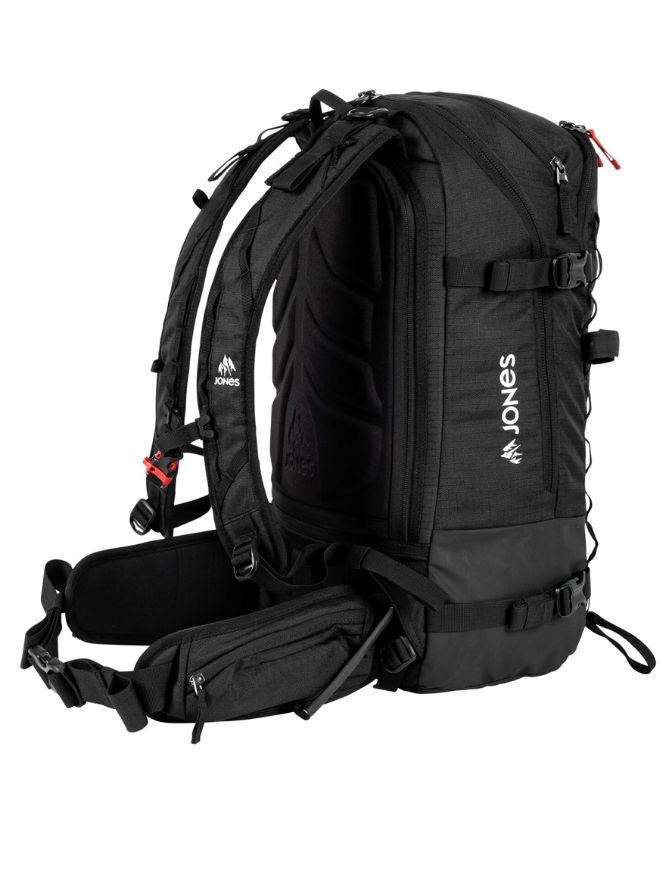
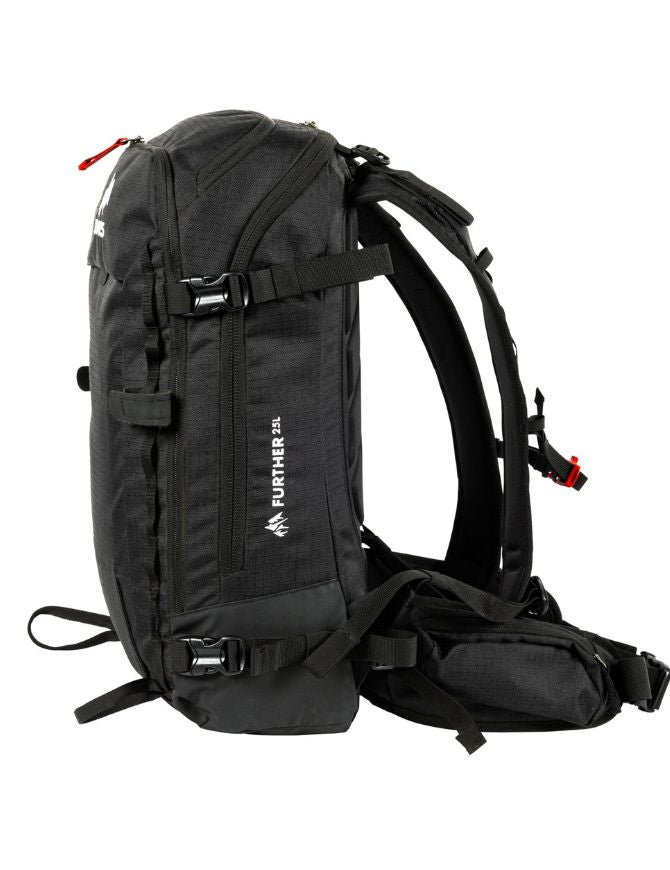
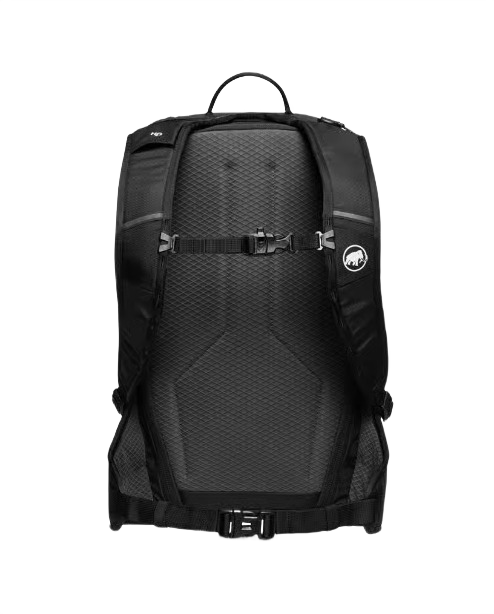
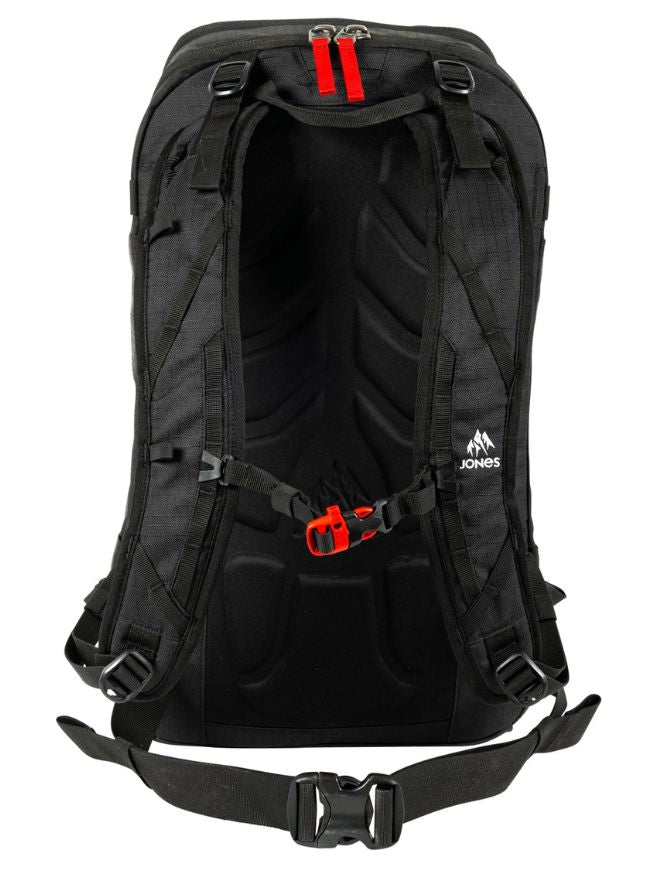
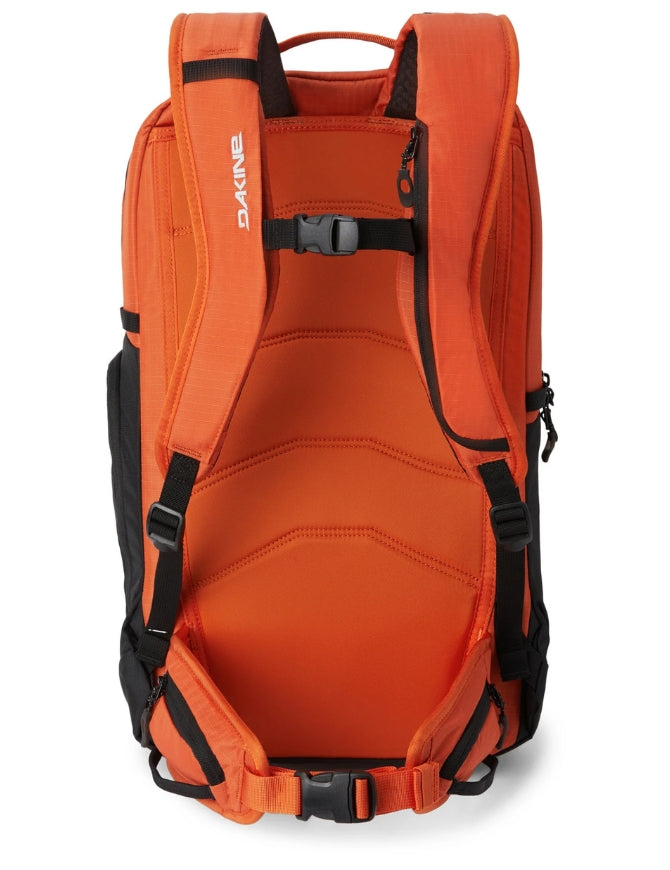
Avalanche airbag packs contain a deployable balloon system that inflates on trigger during a slide, using the Brazil nut effect to keep the wearer near the surface of the avalanche rather than being buried deeply. Airbag packs significantly increase survival odds in certain avalanche scenarios but are not a replacement for beacon, probe and shovel — they're an additional layer of protection, not a substitute. The trigger must be practiced until deployment is instinctive under pressure. Battery-powered systems need to be charged before every tour.
AST Training — Required Before You Go
Equipment is only part of the equation. Knowing how to use a beacon efficiently, how to conduct a organised group rescue, how to assess avalanche terrain and make conservative decisions about when not to enter certain slopes — these are skills that require training, not reading a manual.
AST 1 (Avalanche Safety Training Level 1) is the minimum qualification for independent backcountry travel in Australia. It's a one to two day course covering terrain assessment, beacon search technique and group rescue procedure. Jones runs Avy Savvy courses through us — an excellent entry point for Australian backcountry riders. See the links below.
AST 2 covers more advanced terrain assessment, leadership skills and multi-burial rescue. Recommended for anyone leading groups or accessing more committing terrain.
Australian Backcountry Conditions — What to Know
Australian snowpack is variable and often forms weak layers that persist through the season. The wet, heavy snow that follows warm weather events creates significant avalanche hazard when buried under subsequent snowfall. The Mountain Safety Collective (MSC) publishes daily avalanche forecasts for Australian backcountry zones during the season — this is your go-to resource before every tour. Check it every time, regardless of experience level.
The key Australian backcountry zones with regular avalanche terrain are the Bogong High Plains (Victoria), the Kosciuszko Main Range (NSW) and the terrain surrounding Mount Stirling (Victoria). Access routes, terrain character and typical hazard patterns vary by zone — local knowledge and MSC reports are essential.
Backcountry Safety FAQ
Does every person in the group really need a beacon? Yes. Avalanche rescue is a group effort. A single beacon in the group means that if the beacon-carrier is buried, nobody can search. Every person carries all three items — beacon, probe, shovel — every tour.
Which avalanche beacon should I buy? Any current three-antenna digital beacon from a reputable brand (BCA, Mammut, Pieps, Ortovox) is suitable. The difference between models is speed of signal acquisition, display clarity and multiple burial marking capability. We can recommend based on your budget and intended use.
How do I practice beacon searching? Bury a transmitting beacon in a field or snow and practice finding it with your beacon in search mode. Aim for sub-60-second locates before you rely on this skill in the field. Beacon parks at some Australian resorts provide structured practice.
Do I need a probe if I have a beacon? Yes. A beacon narrows the search to within a metre or two. A probe pinpoints the exact position and depth of the buried person. Without a probe, you're guessing where to dig, which wastes critical time.
What's the minimum shovel for Australian backcountry? Metal blade (not plastic), extendable shaft, large blade area. BCA and Black Diamond make reliable options. Avoid ultra-compact shovels designed primarily for alpine climbing — backcountry avalanche rescue requires moving significant snow volume quickly.
Is Twelve Board Store a good place to buy backcountry safety gear? Yes — we carry the full range, have staff who ride the backcountry and can demonstrate correct use of every item we stock. We'd rather spend 20 minutes in store showing you how your beacon works than have you figure it out for the first time in the field.
Avalanche Beacons · Avalanche Probes · Avalanche Shovels · Splitboards · Splitboard Bindings · How Backcountry Safety Gear Works · Jones Avy Savvy Course · Avalanche Safety in Australia