
quick links
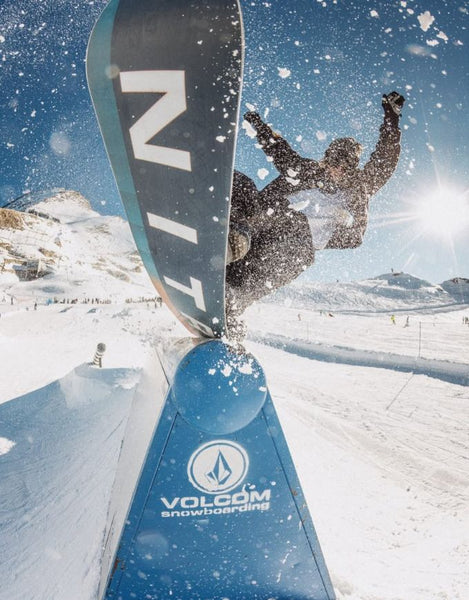






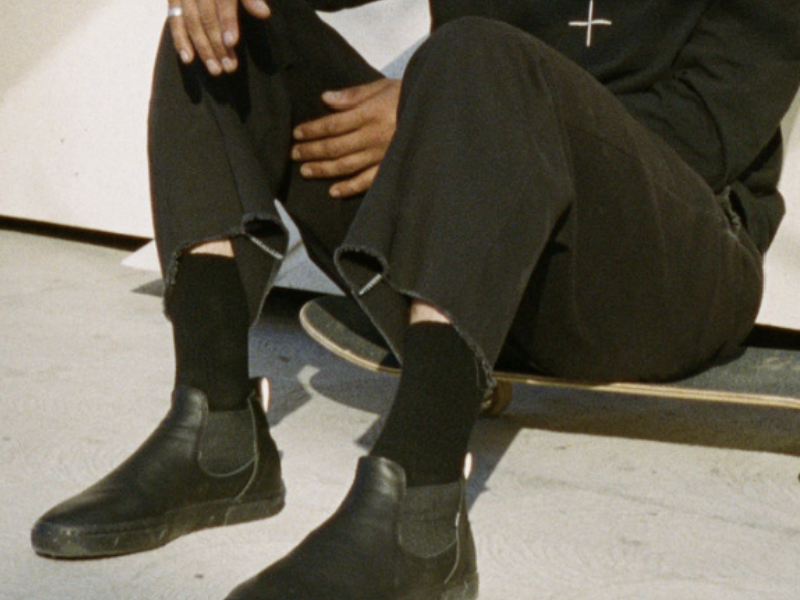
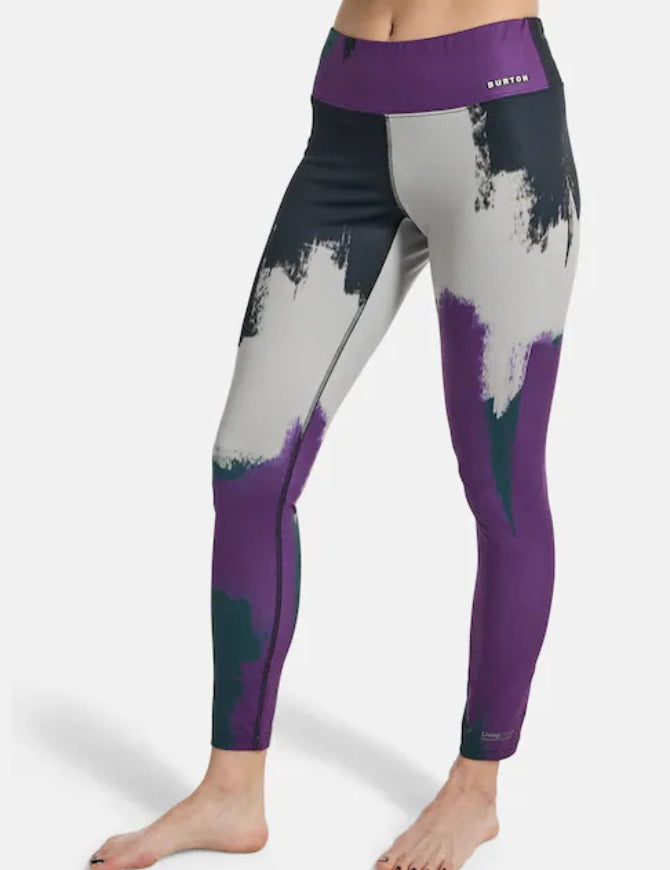
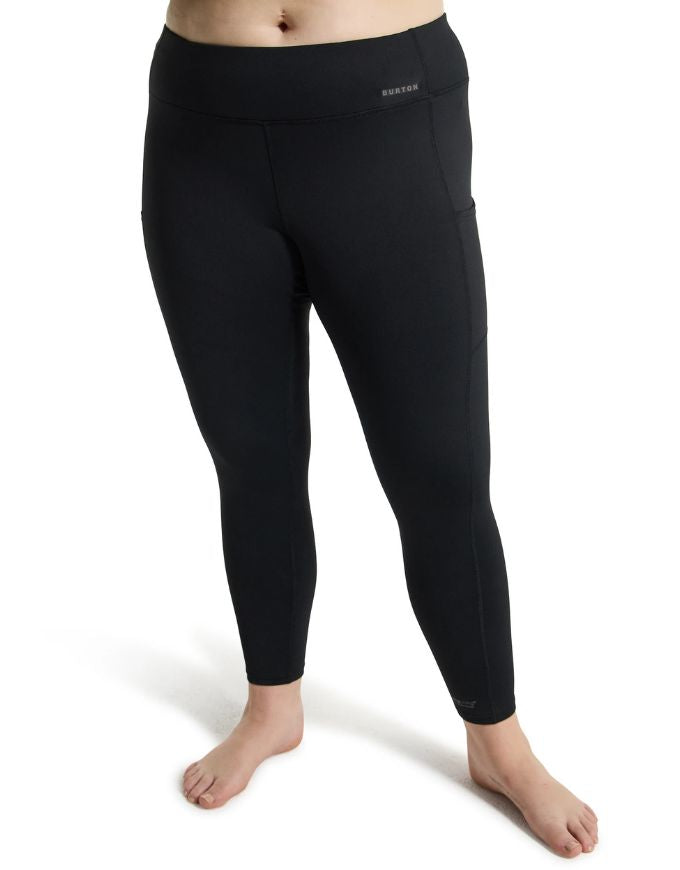
Men's snow thermals and base layers — the layer against your skin that decides whether you stay warm and dry or cold and damp. Merino for temperature regulation and odour resistance on multi-day trips, synthetics for light weight and fast drying. The cheapest kit that makes the biggest difference to your day.

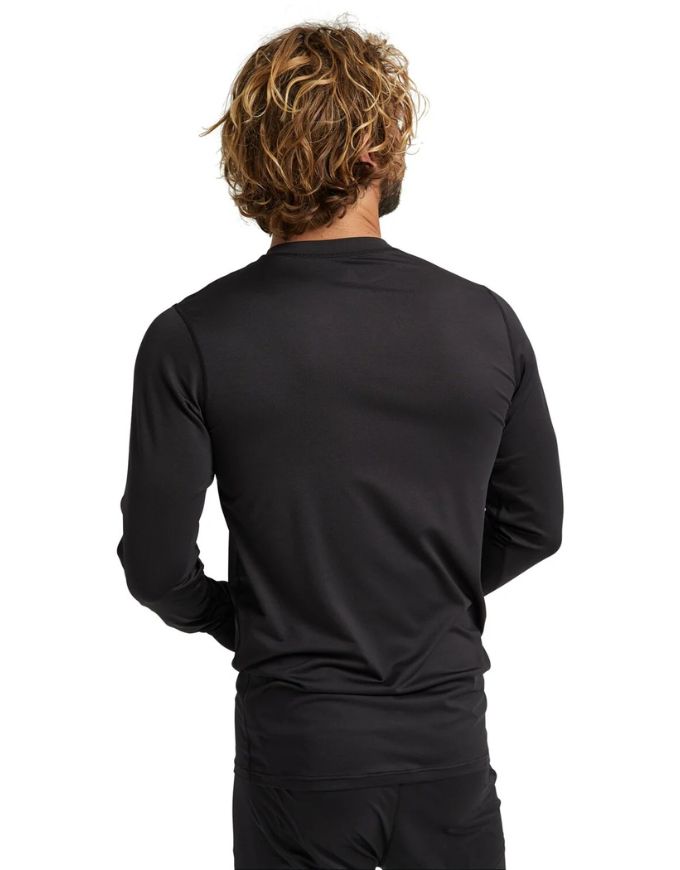

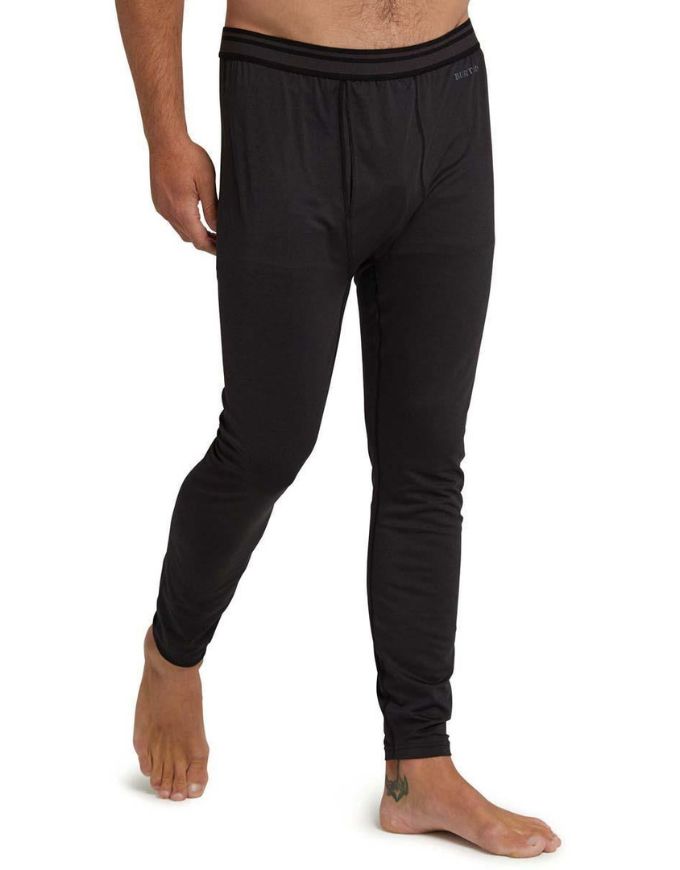

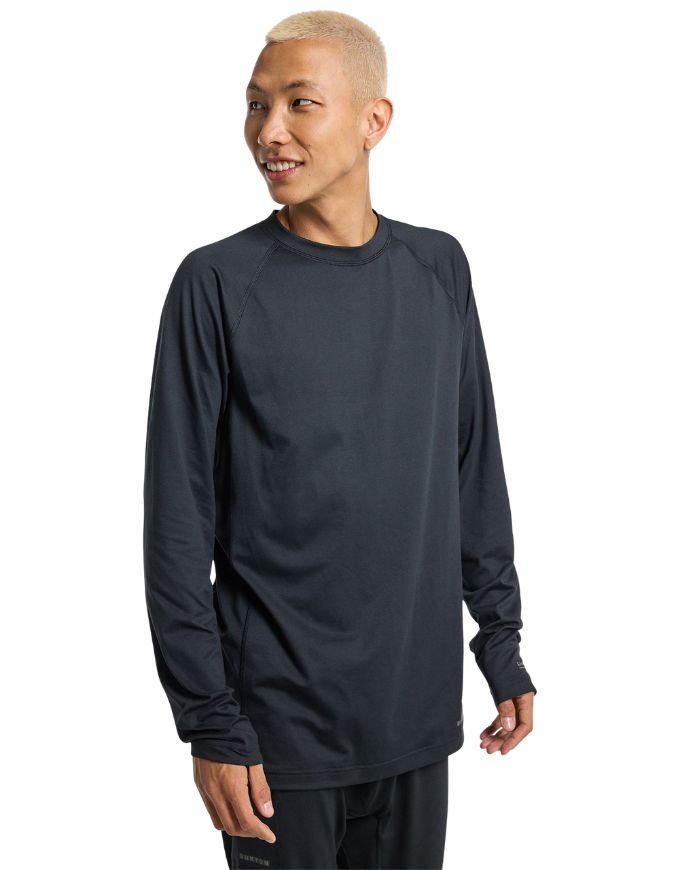


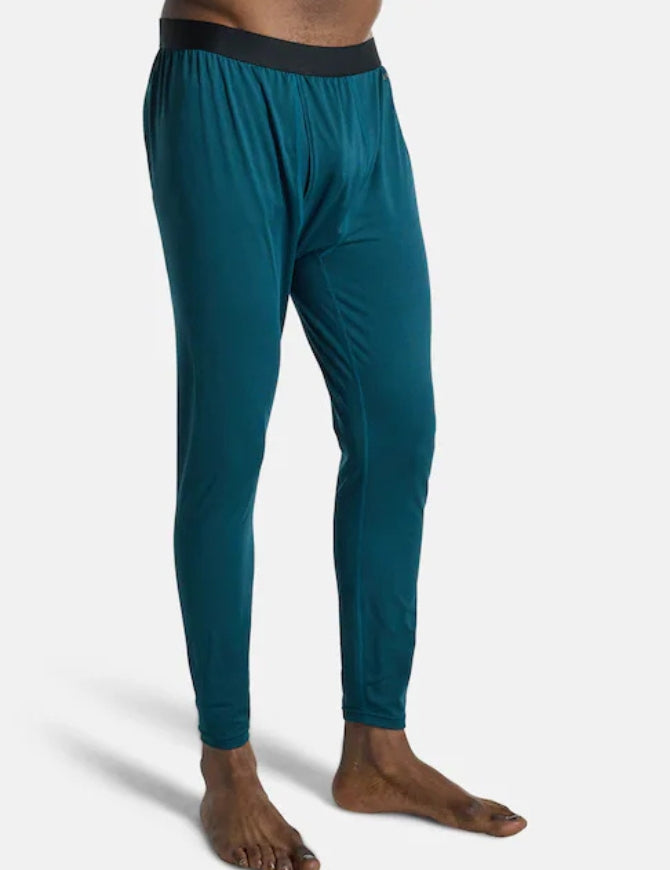


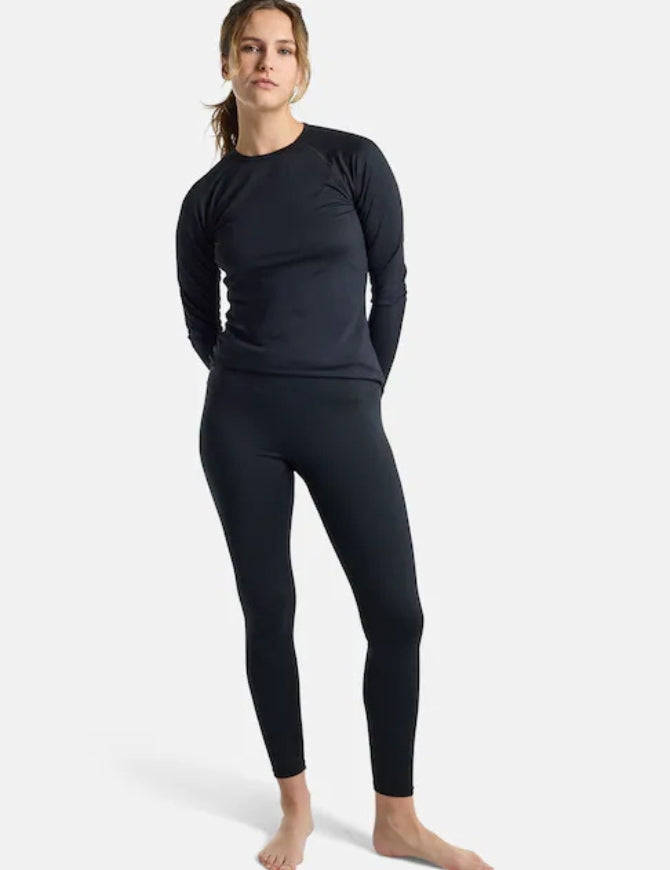

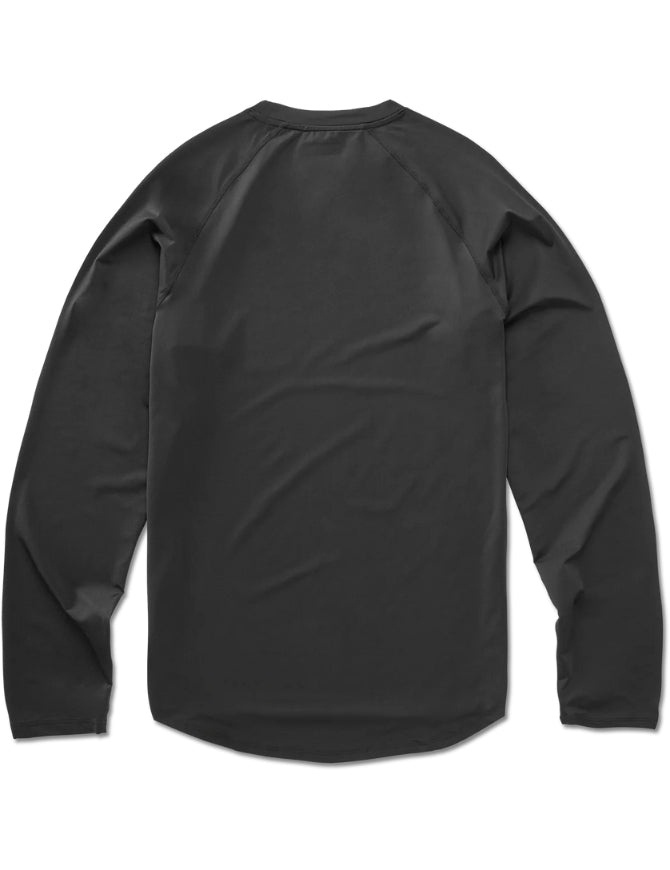


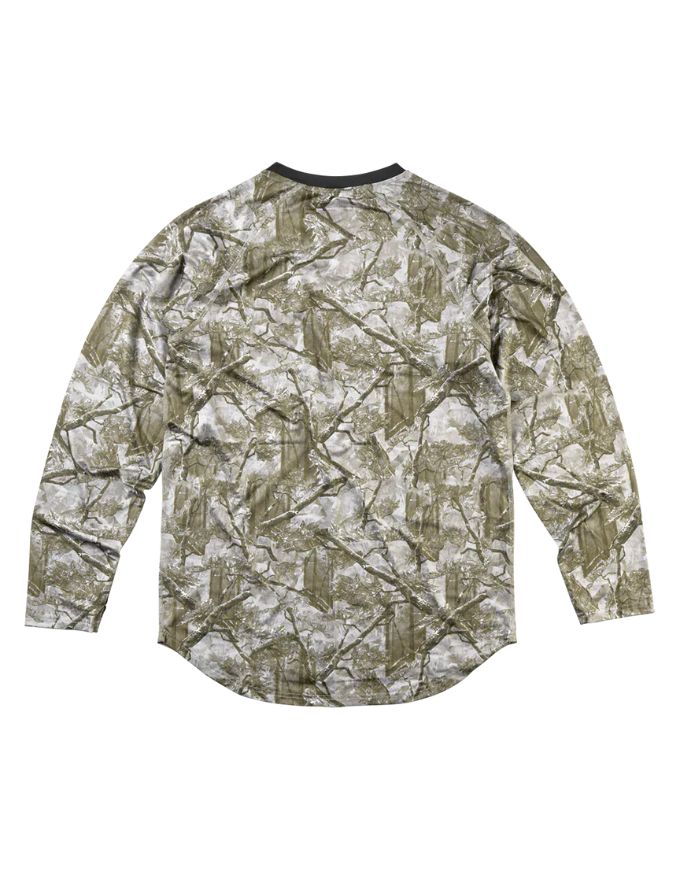

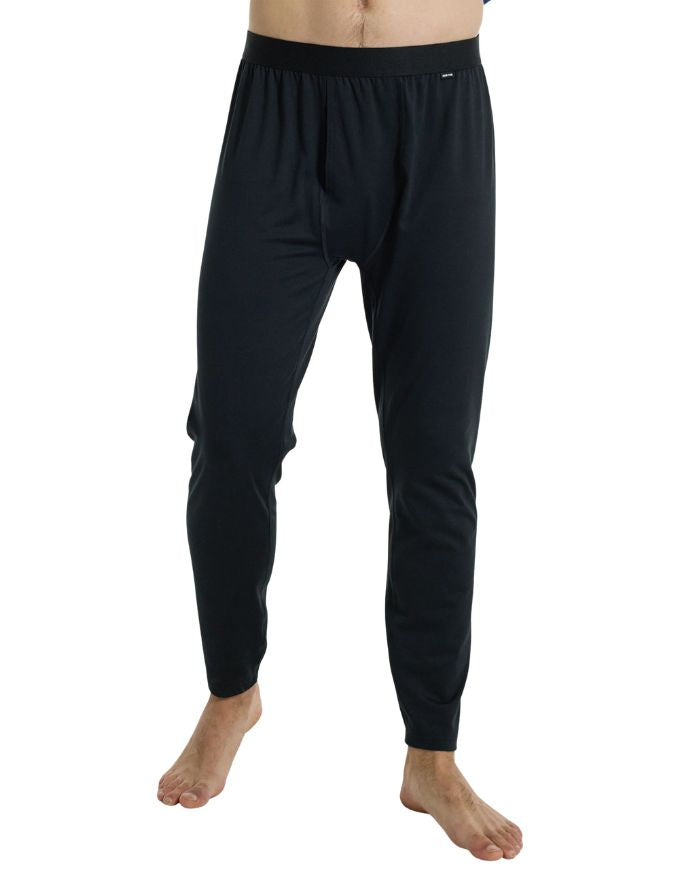

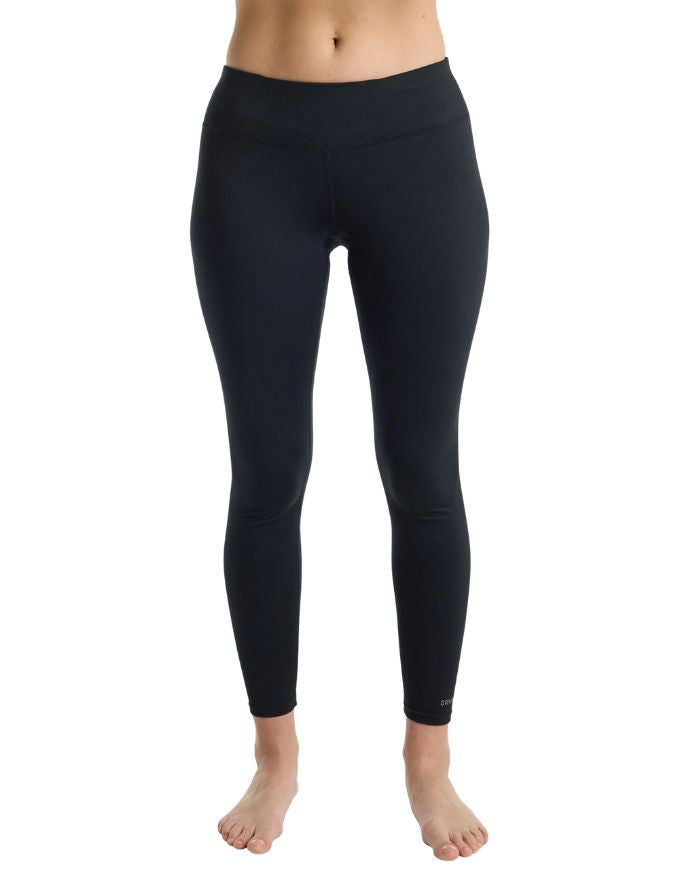

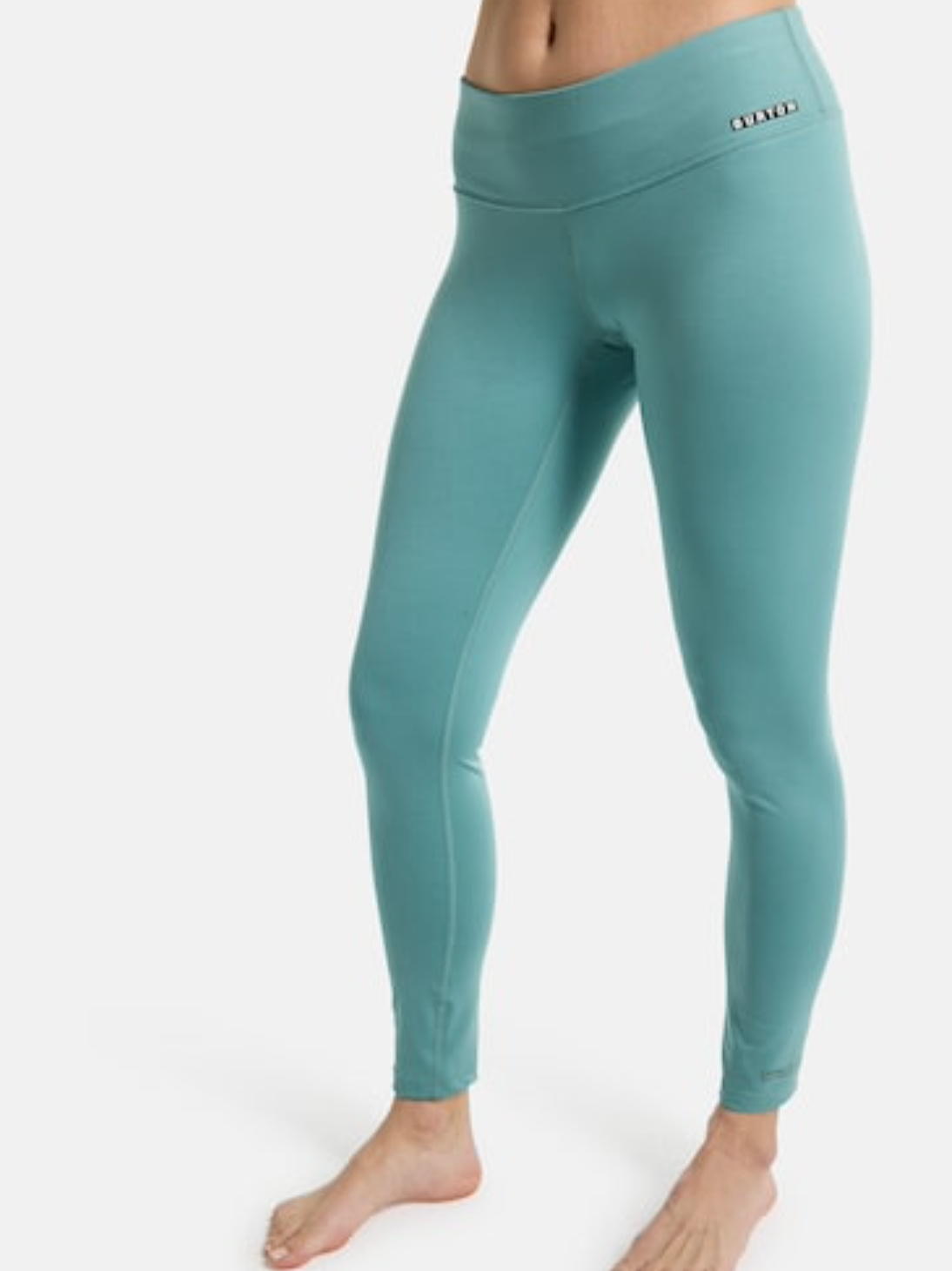


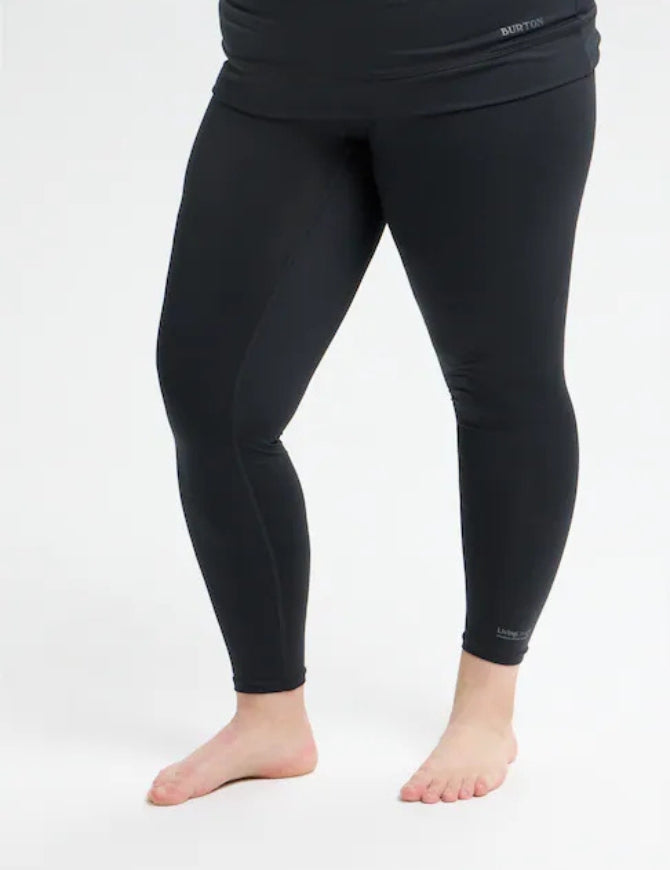

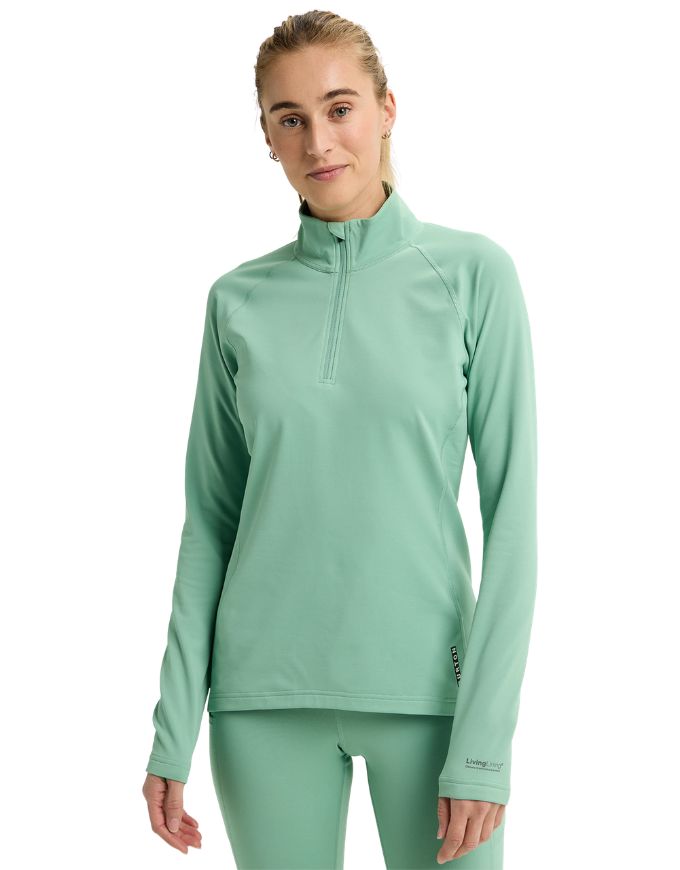

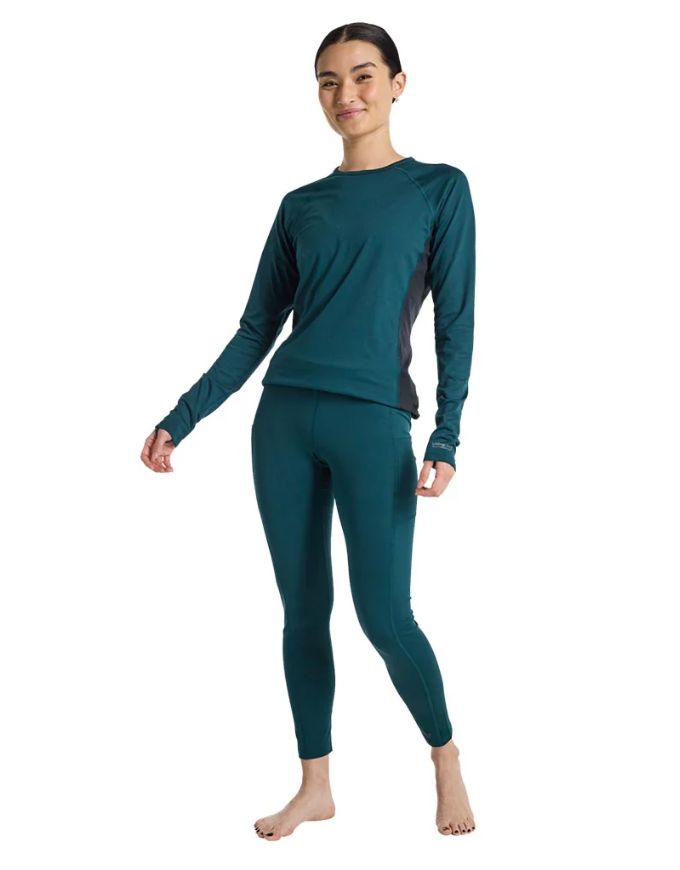
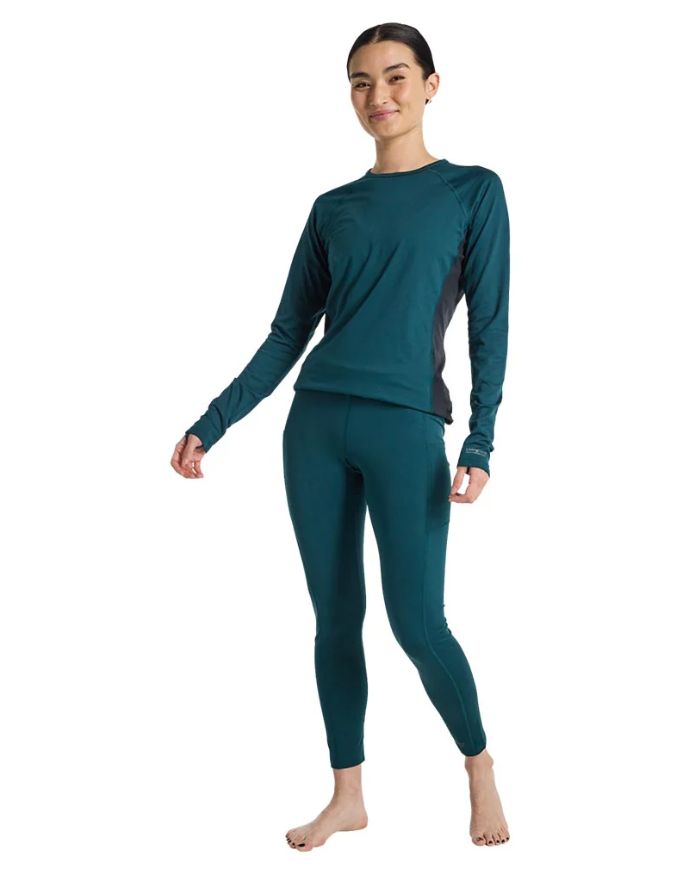
Burton X Base Thermal Top
$76.99
$109.99



![Burton Men's [ak]® Helium Grid Half-Zip Fleece 2026 | Gray Cloud](http://twelveboardstore.com.au/cdn/shop/files/110.jpg?v=1773197397&width={width})
![Burton Men's [ak]® Helium Grid Half-Zip Fleece 2026 | Gray Cloud](http://twelveboardstore.com.au/cdn/shop/files/111.jpg?v=1773197397&width={width})


Frequently Asked Questions
It manages moisture, and moisture is what makes you cold. Sitting against your skin, it moves sweat away toward your outer layers, keeping you dry and warm. A cotton t-shirt against the skin does the opposite, leaving you damp and chilled once you stop. It is the cheapest layer with the biggest effect.
Both are good. Merino regulates temperature, keeps warming when damp and resists odour over multi-day trips. Synthetics are lighter, dry faster, cost less and wick strongly for high-output days. Many riders keep both. Both beat cotton, which stops working when wet.
Snug and close to the skin without restricting movement. A base layer that is too loose cannot wick properly because it is not in contact with your skin. It should feel like a second skin, not a loose tee.
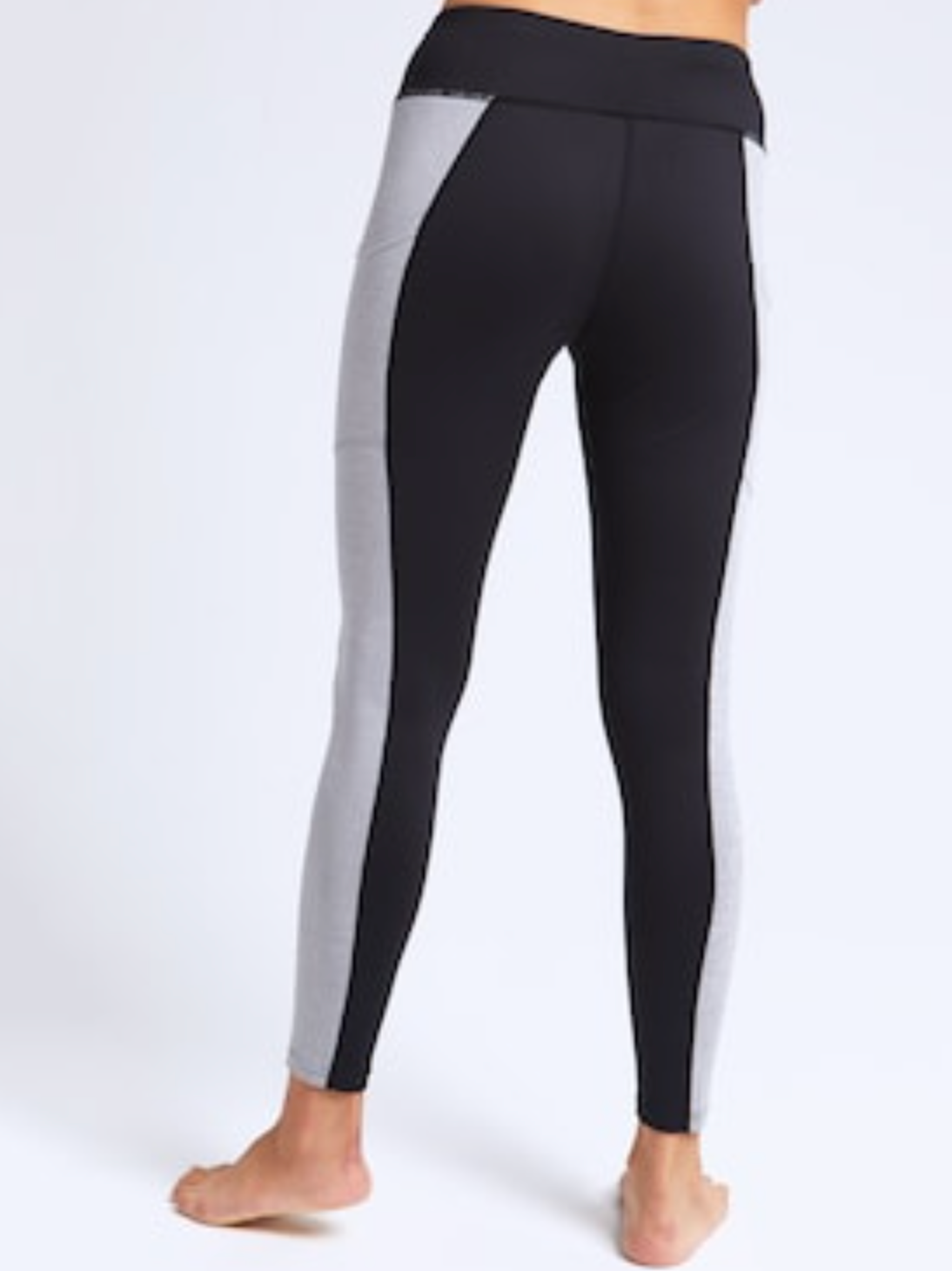
A top is the priority since your core matters most, but thermal bottoms make a real difference on cold days and under slimmer pants. Under a slim pant, thin thermal bottoms add warmth without bulk. A full set is worth it if you run cold.
Yes, especially merino. A good merino base layer works as a travel and everyday layer well beyond the snow: warm, light, packs small and does not hold odour, which makes it useful year-round.
Recently viewed