
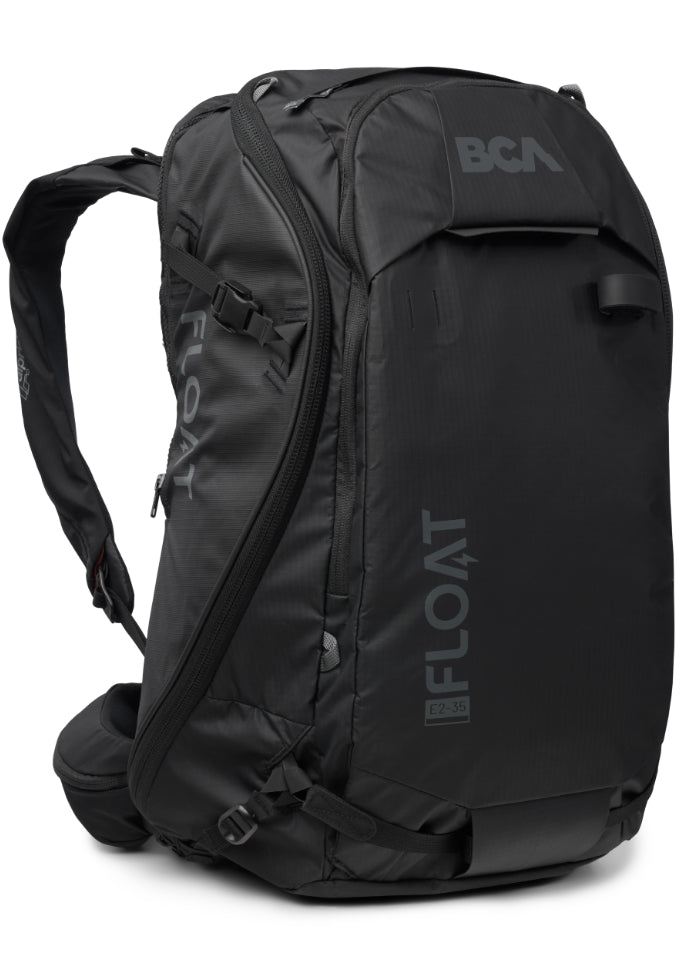
The BCA Float E2 is the most advanced avalanche airbag Backcountry Access has built. Three pack sizes, one engine: the Alpride E2 supercapacitor, driving a 162-litre dual-lobe airbag. No gas canister, no refill station, no dangerous goods paperwork — you charge it over USB-C and it re-arms in seconds.
The E2-25 suits most backcountry riders. The E2-35 adds internal shovel and probe carry for splitboarders and snowmobilers. The E2-45 is the roll-top professional pack for guides and multi-day tours. Same airbag and same engine across all three — you're choosing volume, not protection.
Torso fit matters more on an airbag than a normal pack, because the hip belt and leg loop have to hold it on you during a slide. Call 03 9421 2293 or come into 435A Bridge Rd, Richmond and we'll fit you properly.

Frequently Asked Questions
Measure from the bony bump at the base of your neck down to the top of your hip bones. S/M fits a 38 to 46cm torso, M/L fits 43 to 53cm. If you land in the overlap, or you're between sizes, call us on 03 9421 2293 or come into the Richmond store and we'll fit you with weight in the pack. Torso length matters more on an airbag than on a normal pack, because the hip belt and leg loop have to hold the pack on you during a slide.
The E2-25 is the right pack for most riders: sidecountry laps, heli days and full day tours where low profile and pack weight are the priority. The E2-35 is the step up for longer, more demanding days where you're carrying more — skins, extra layers, overnight kit, camera gear — and it adds internal shovel and probe carry, A-frame ski carry, compression straps and a fleece-lined goggle sleeve. If you're regularly out for five hours or more in serious terrain, or you're splitboarding or sledding, take the 35.
Guides, ski patrollers and riders carrying professional safety kit including a snowsaw, plus anyone doing genuine multi-day missions with overnight gear. The expandable roll top and quick-cinch lid are the functional differences, and they exist to make repeated pack access fast through a working day. Being honest: if you're asking whether you need the 45, you need the 35. If you know you need the 45, you already know.
A gas canister stores energy as compressed gas and depletes permanently on deployment, so it needs a refill before it works again. The Alpride E2 supercapacitor stores energy electrostatically and drives a compressor to inflate the airbag. You recharge it over USB-C, it re-arms in seconds, it supports multiple deployments per charge, and it doesn't lose performance in extreme cold the way a pressurised system can.
Generally yes, and far more easily than with a canister pack. Under IATA and US DOT rules the Alpride E2 is classified as a capacitor storing 10Wh or less, which places it outside the compressed gas dangerous goods restrictions. There's no cylinder to remove, declare or source at the other end. Airline policies still vary, so check with your carrier before you fly and allow time at check-in.
The supercapacitor supports multiple deployments per charge and re-arms in seconds, so a practice deployment doesn't cost you your day. The two AA backup batteries carried in the pack provide additional deployments in the field if the supercapacitor charge is depleted — the situation a canister pack simply cannot recover from until you get home.
No, and we won't tell you otherwise. Airbags reduce burial depth and improve survival rates when deployed in a real slide, and that's a meaningful benefit worth paying for. But trauma, slide size and terrain traps all remain factors, and an airbag that isn't deployed does nothing. It's the last line of defence in a system that starts with avalanche education, conservative terrain choices, and beacon, probe and shovel competency across your whole group. We strongly recommend completing an AST 1 course before travelling in avalanche terrain.
Never. Everyone in your group carries a beacon, probe and shovel on every tour, airbag or not. If you're buried, your partners dig you out with those three items. If they're buried, you dig them out. The airbag is an additional layer on top of the rescue system, not a substitute for any part of it.
Yes. We're an authorised BCA dealer, so your pack carries the full three-year manufacturer warranty and any warranty work goes through us. Bring it into 435A Bridge Rd, Richmond or call 03 9421 2293 rather than dealing with an overseas support queue.
Let customers speak for us
Excellent
Excellent service
Sean Murphy
always a please ordering from Twelve Board Store
always a please ordering from Twelve Board Store.
My latest order even can with a handwritten note about how SICK the board I had purchased... very obvious that those who work there are in the industry and love the product also
MARTIN
It’s
It’s great
Anonymous
Warm Gloves
Burton Women's GORE-TEX Glove 2026 They are a warm Glove and have a removable liner for when it's not as cold
Timothy Johnson

.
Anonymous
Burton AK Acamar 3L Goretex jacket
I managed to steal this in-season 3L Gore jacket for half its retail and it took no time for delivery. Now I just have to wait till January to test it in some J-pow conditions. Awesome service from the team at 12 :-)
Ian L
Awesome service
Awesome service , legends 🤙
Brian Hulsinga
Granddaughter was extremely happy with her new skate board
Granddaughter was extremely happy with her new skate board. It arrived with no hassle.
Kristie
Always great advice guys
Always great advice guys.
And great delivery time.
William Mitris
X/DMG X01 Double Knee Work Pant | Washed Stone
Sick work pants, keen to get another pair
Davo Pauli

Size up. Awesome product well made
Dan Salem

Pint-S thoughts
I've had my new Pint-S now for a week and put about 11 klms on it so far due to a fair bit of rain. The battery is now at 62% and top speed of 16kph as I find 12-15 very comfortable and have no intention of hurting myself any sooner than I have to.
The treaded tire gives more confidence for sure off of the pavement which I do about 50%.
I like the curved foot pads as I like a wide stance and my feet feel more planted than on the Pint. The Fender is also almost a must for me now that I see the difference of gravel and dirt not covering the footpads anymore.
Twelveboard store was very helpful and friendly with the purchase as well.
Matt

Flight Risk
Thanks for the gift card, not sure how to use it just yet!
William Rivera

Love
They’re great
Matt Swoboda

Top shelf customer service!!!
Purchased from TBS and had an issue with the product I received. Antony went all out to ensure that I was satisfied and that purchasing from Twelve was a happy experience, organizing replacement product in time for my trip. Thanks heaps Antony & crew for going the extra mile with customer service. Much appreciated!!
Stu Podium
You May Also Like
View all →
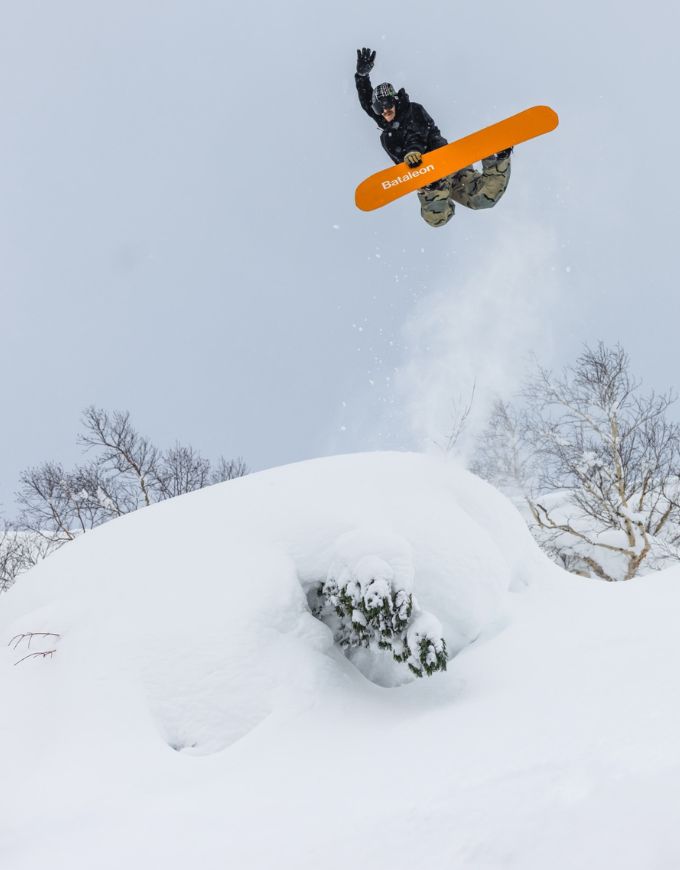

Bataleon Party Wave Snowboard | 2027
$782.99
$869.99

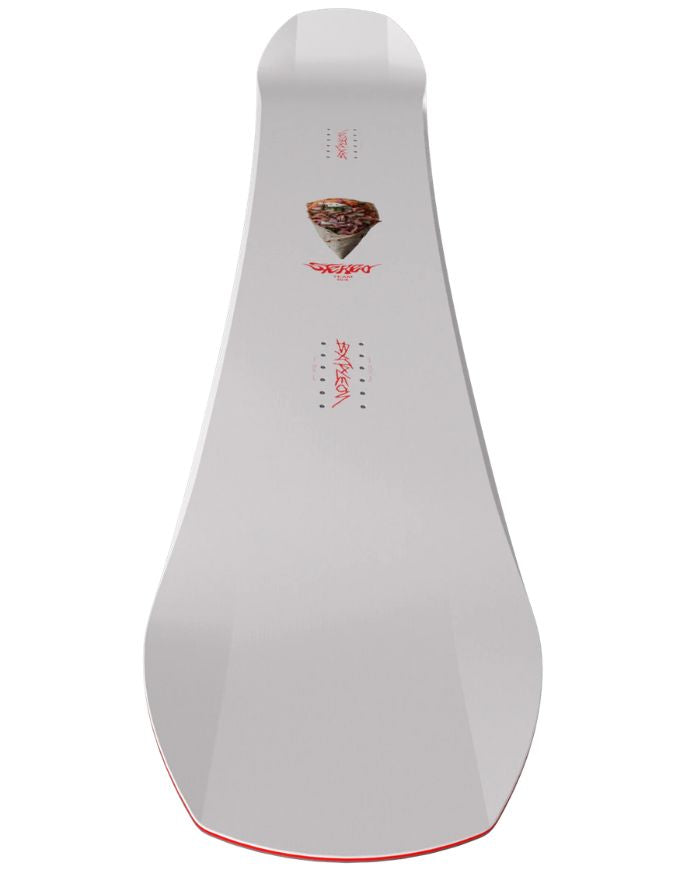
Bataleon Stereo Team Snowboard | 2027
$939.99
$1,049.99

Bataleon Whatever Snowboard | 2027
$854.99
$949.99

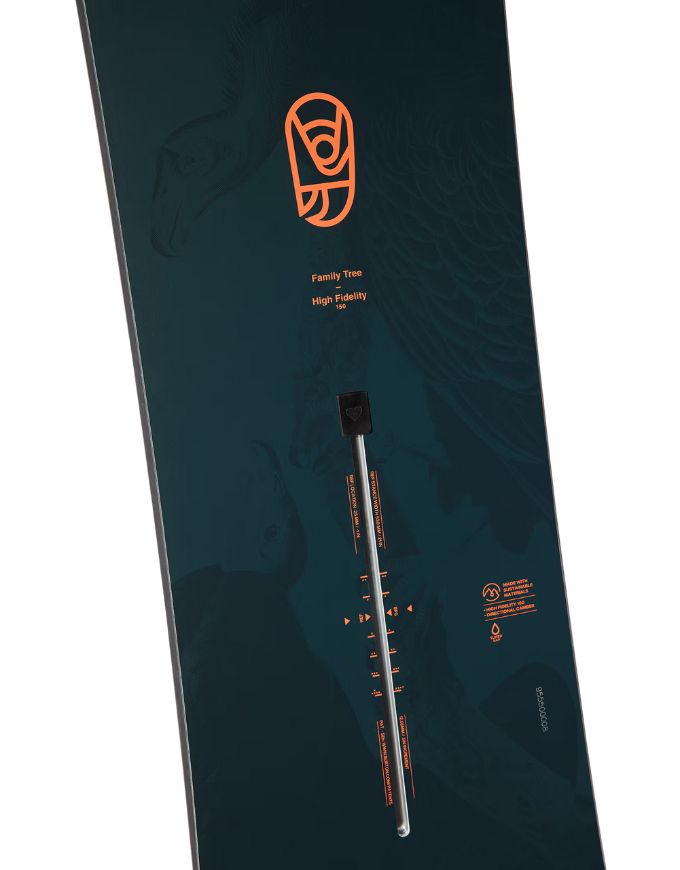
Burton Family Tree High Fidelity Snowboard | 2026
$989.99
$1,099.99

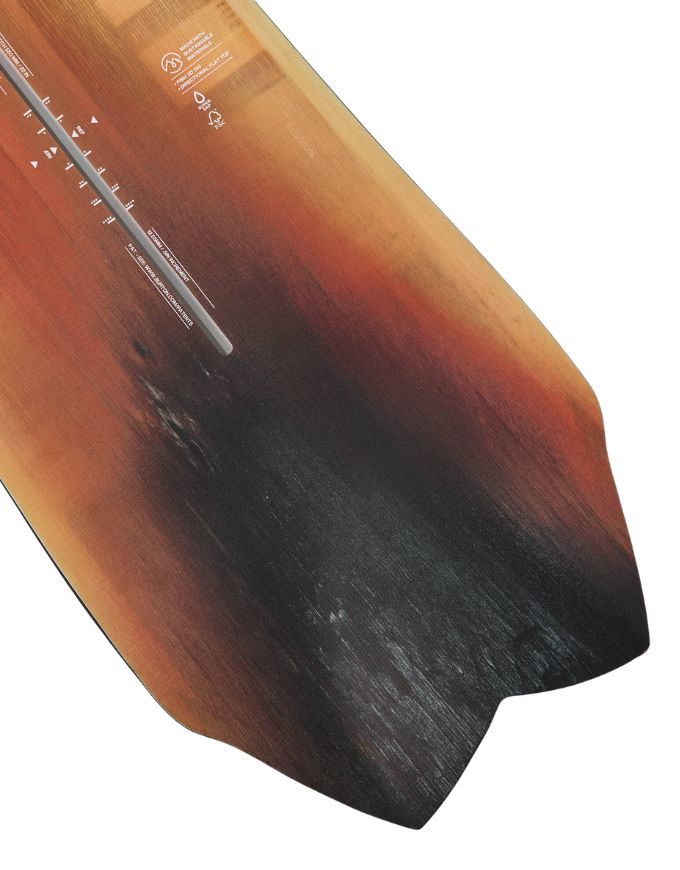
Burton Fish 3D Directional Flat Top Snowboard | 2026
$899.99
$999.99

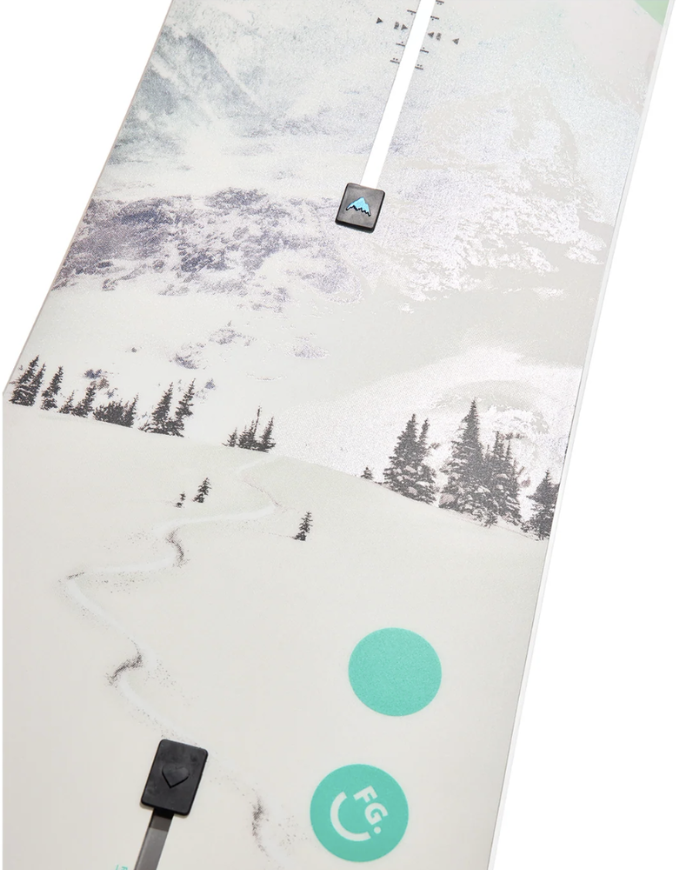



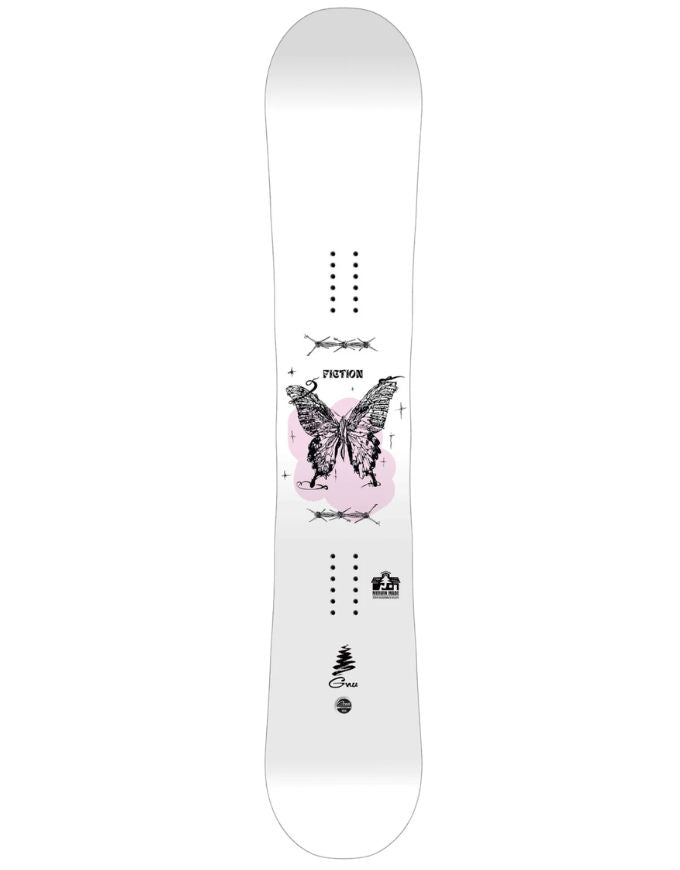
GNU Fiction Women's Snowboard | 2027
$629.99
$699.99

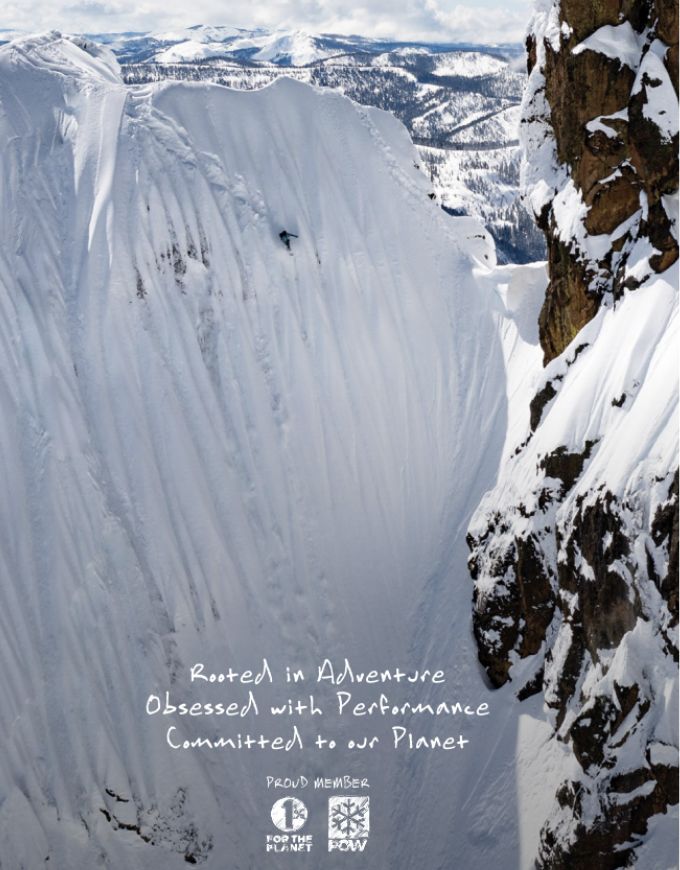


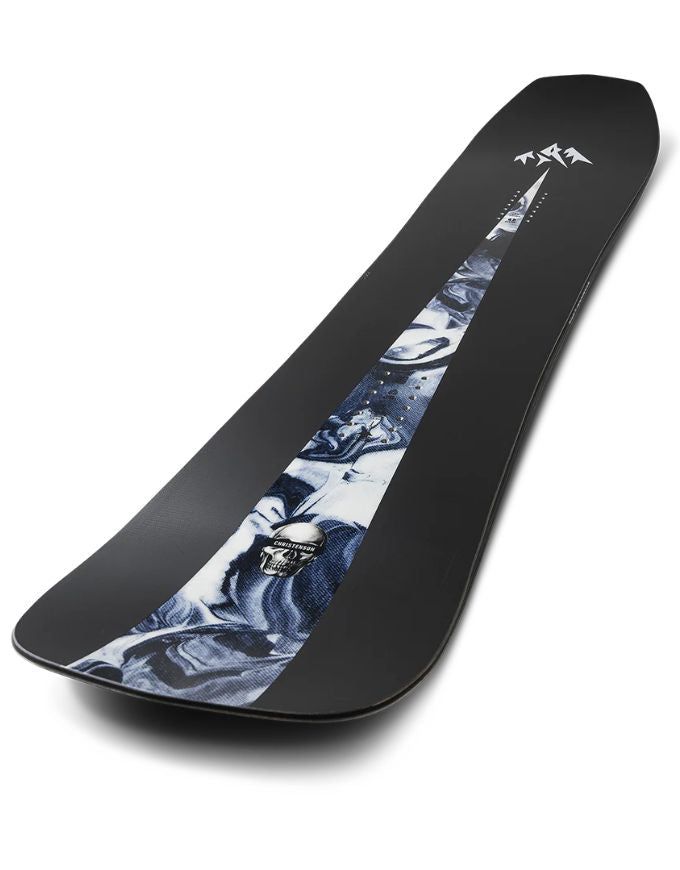
Jones Mind Expander Snowboard | 2026
$869.99
$1,099.99


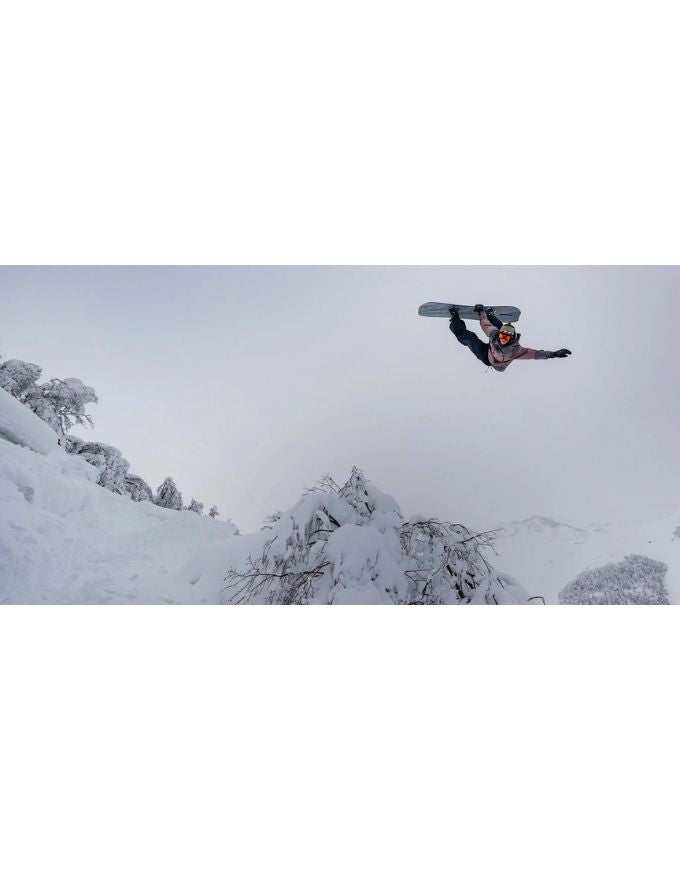
K2 Dreamsicle Snowboard | 2027
$710.99
$789.99

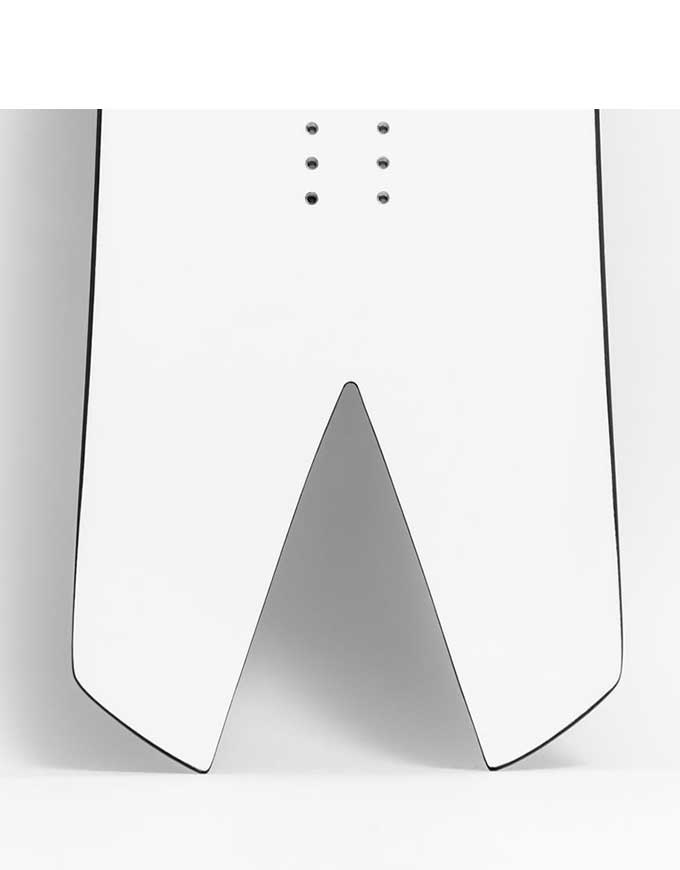

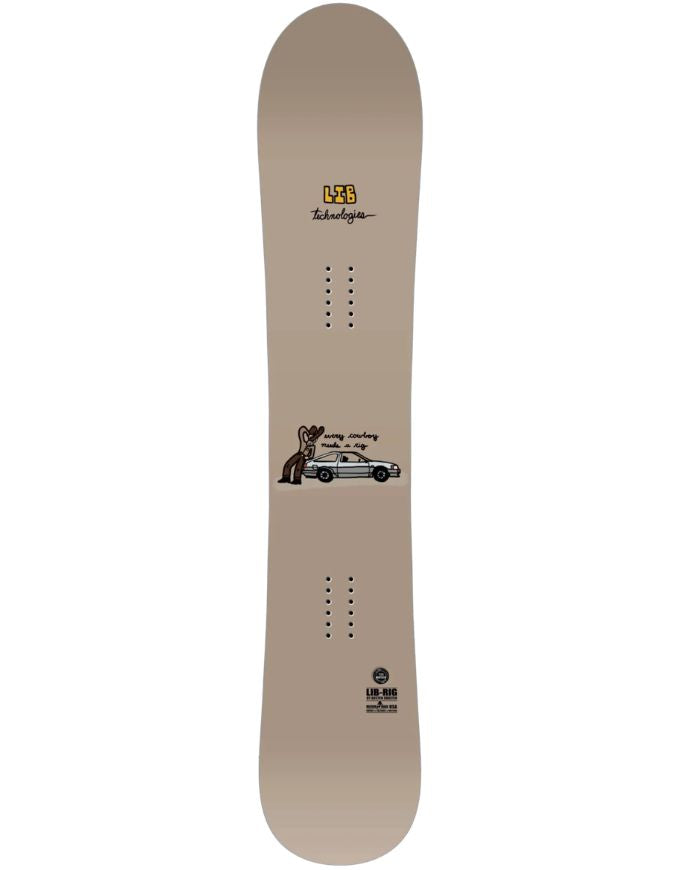
Lib Tech Lib Rig Snowboard | 2027
$989.99
$1,099.99



Nitro Drop Womens Snowboard | 2027
$764.99
$849.99

Ride Magic Stick Women's Snowboard | 2027
$791.99
$879.99

Ride Saturday Snowboard | 2026
$689.99
$829.99


Salomon Rumble Fish Women's Snowboard | 2026
$719.99
$899.99

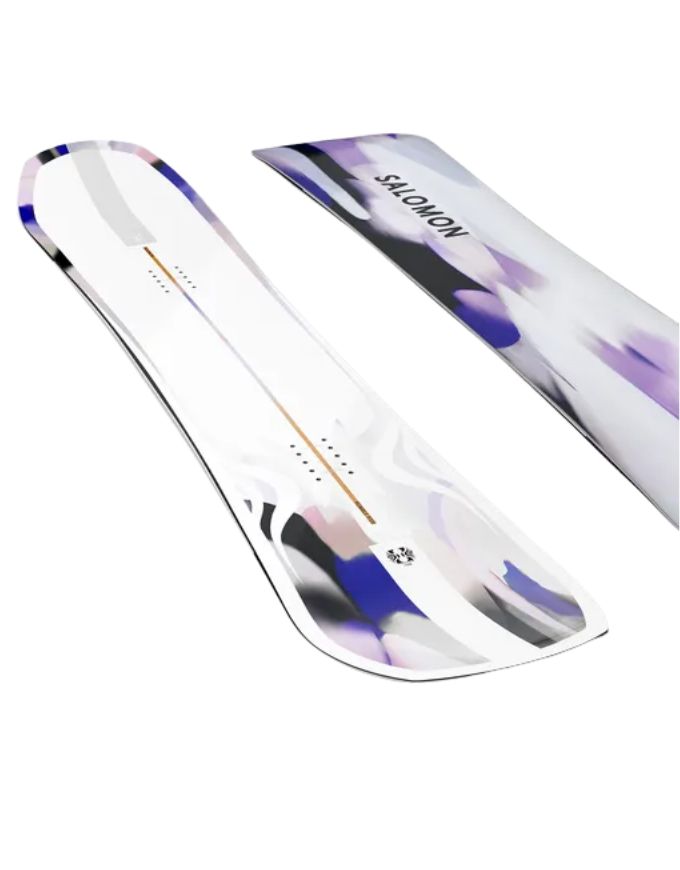
Salomon Rumble Fish Women's Snowboard | 2027
$890.99
$989.99

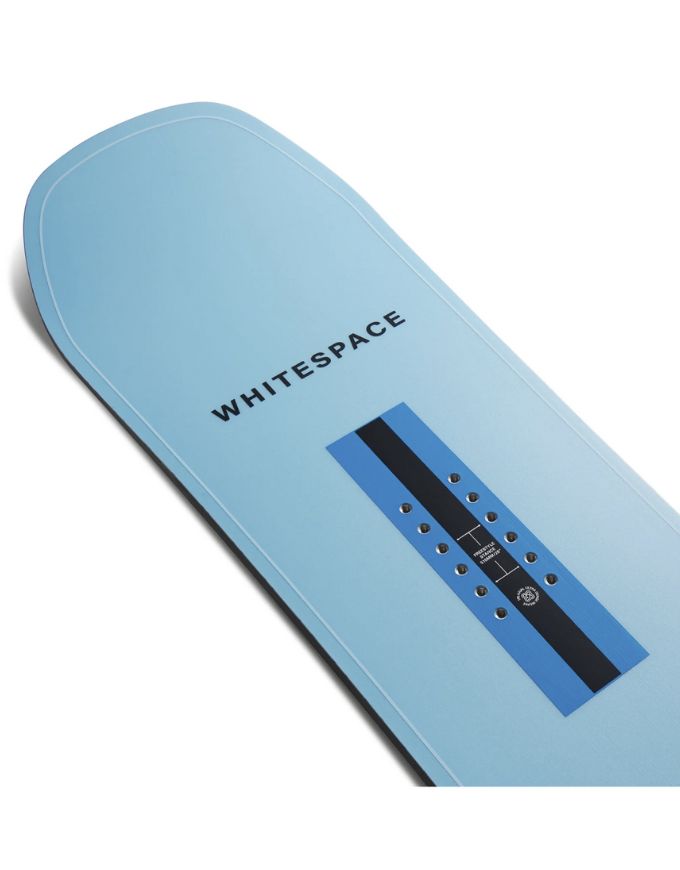
Whitespace Women's Freestyle Snowboard Cyan | 2026
$599.99
$899.99

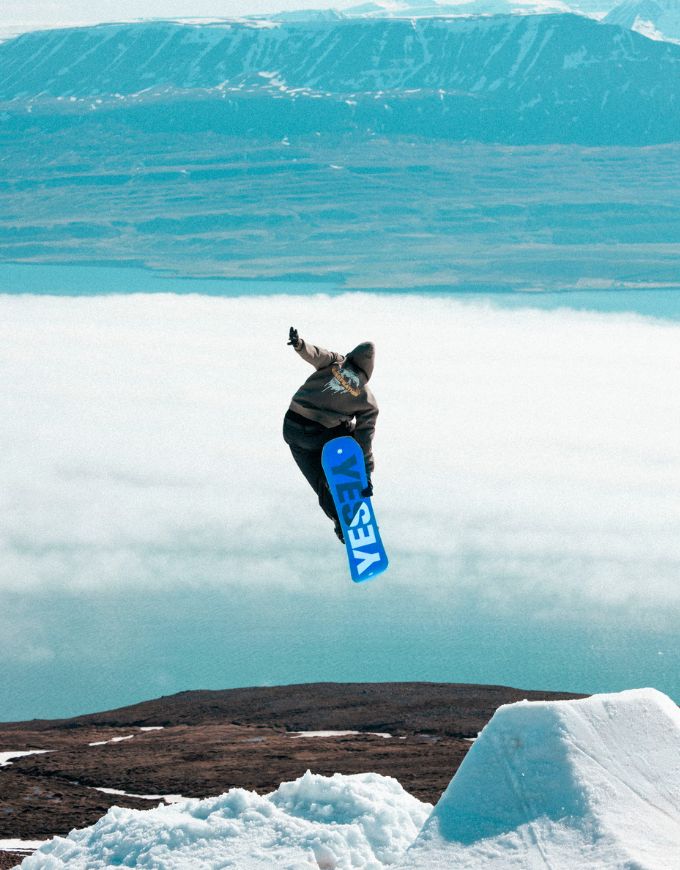

Yes Drive Snowboard | 2027
$829.99
$899.99