
News
Every year it's the same. The King's Birthday long weekend rolls around, the resorts throw open the gates for "opening weekend," and half of snow Australia loses its mind refreshing the snow cams. If the mountain's brown, the group chats fill with doom. If it's white, everyone books flights they'll regret.
Here's the thing nobody wants to say out loud: opening weekend is a date on a calendar, not a weather event. Once you understand how the Australian snow season actually works — and what the history says — you can stop stressing, get yourself sorted, and be ready to ride when it really counts.
When does the Australian ski season start?
The Australian ski season officially kicks off on the King's Birthday long weekend in early-to-mid June and runs through to early October. In 2026 most resorts — Perisher, Thredbo, Mt Buller, Falls Creek and Mt Hotham — opened on Saturday 6 June. But that opening date is set around a public holiday people can travel on, not a guarantee of snow. By the calendar we're barely into winter at all: the winter solstice, the true astronomical start of winter, doesn't arrive until around 21 June.
Does it snow in Australia in June?
Yes — sometimes a lot, sometimes barely at all. June is genuinely a coin flip. Some years deliver big early dumps; plenty of years the early season leans on snowmaking while the natural base builds. 2026 was a lucky one: up to 35cm fell across the Alps in the week before opening, so most resorts opened with real terrain. But that's the exception, not the rule. At Perisher, the first week of June averages only around 8cm of snowfall across fewer than two snowy days. So if you turn up to a half-brown mountain on opening weekend, you're not looking at a failed season — you're looking at early winter doing exactly what it usually does.

When is the best time to ski and snowboard in Australia?
July and August. That's the climatological sweet spot — the deepest, most reliable snow, with roughly double what June and September typically deliver. The snowiest week of the year at Perisher is the third week of August. July is generally the safest bet for reliable coverage, and it's when the major fields — Perisher, Thredbo, Mt Hotham and Falls Creek — are at their best. If you only get to the mountain once this winter, aim for July or August, not opening weekend.
How much snow does Australia actually get?
It varies enormously year to year, which is the whole point. Snow depth at Spencer's Creek in the Snowy Mountains has been recorded continuously for over 70 years, since 1954, and the swing between a lean season and a big one is huge. Peak snow cover is usually built between June and August, but early snow often doesn't last, and a single strong cold front can transform an entire season in a week.
Why a patchy opening weekend doesn't mean a bad season
Here's the bit of snow science that should calm everyone down: snowfall is not the same as snow depth. A storm might drop 48cm of fresh over a week, but between wind, moisture content and melt, that can settle into just 15–30cm of actual base. Resorts generally need between 30cm and a metre of depth to open most lifts and terrain — and that base builds up, storm on storm, through the heart of the season. One early dump is a nice tease. The real coverage stacks up across July and August. A thin opening weekend tells you almost nothing about how the season will finish.
So: chill out
If it snows big in June, brilliant — go ride it. If opening weekend is patchy or the mountain's looking thin, that is completely, historically normal. The riders who enjoy the Australian winter most are the ones who don't burn all their stoke (and their annual leave) on the first weekend. Pace yourself. The good stuff is coming — and your job right now isn't to panic, it's to be ready.

Things to do in June to get ready to go snowboarding in Australia
While everyone else is panic-refreshing the cams, here's the checklist that means you're first chair when it dumps — not scrambling.
- 1. Watch the forecast. This is number one for a reason. Australia can get snow early — sometimes a lot of it — without much warning. A cold front can swing through and drop 30cm in a few days, and the riders watching the forecast are the ones who grab those early runs while everyone else is still in denial about winter. Bookmark the snow-cams and forecast models, and be ready to move.
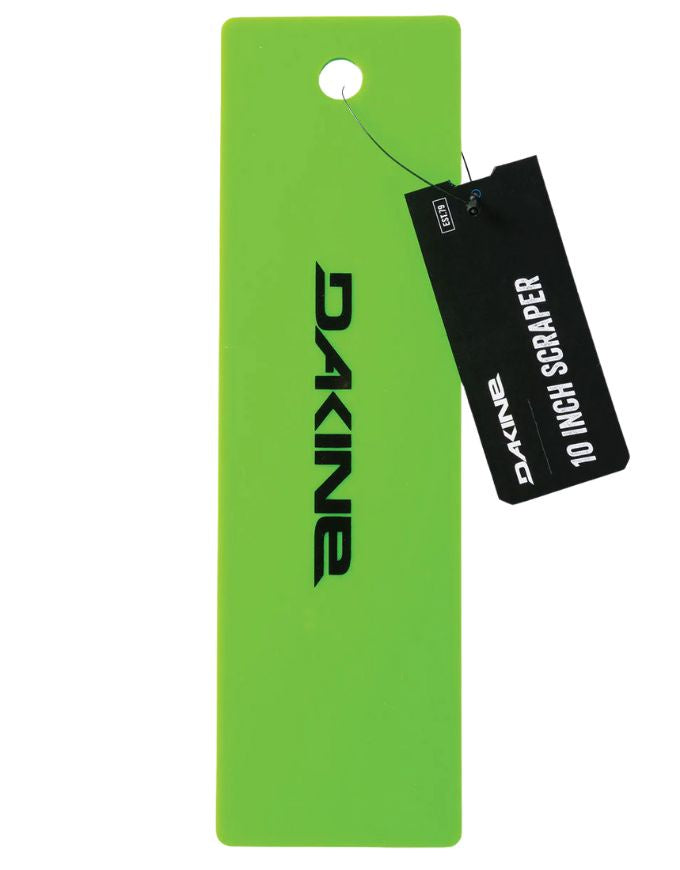
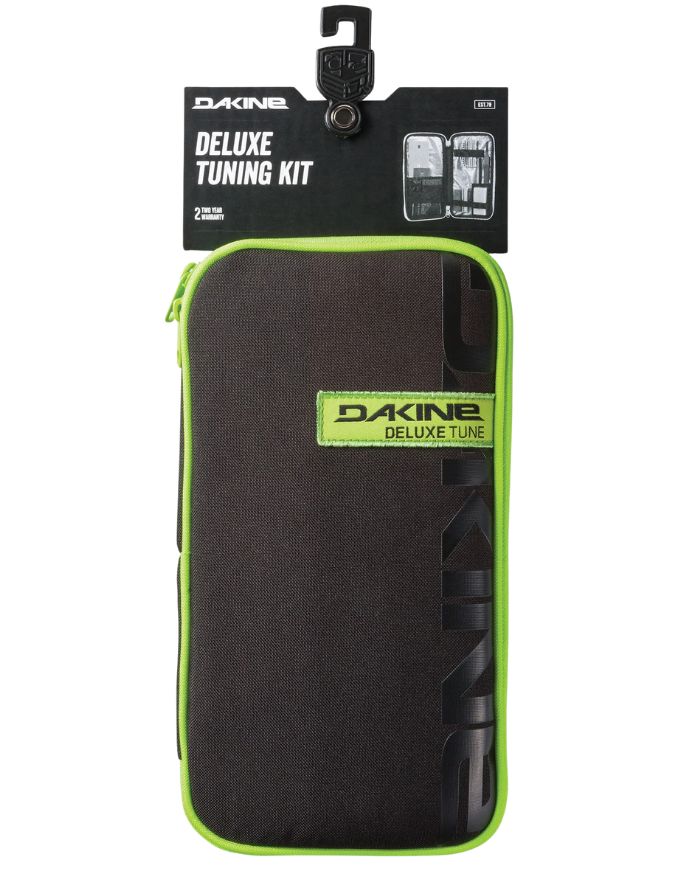
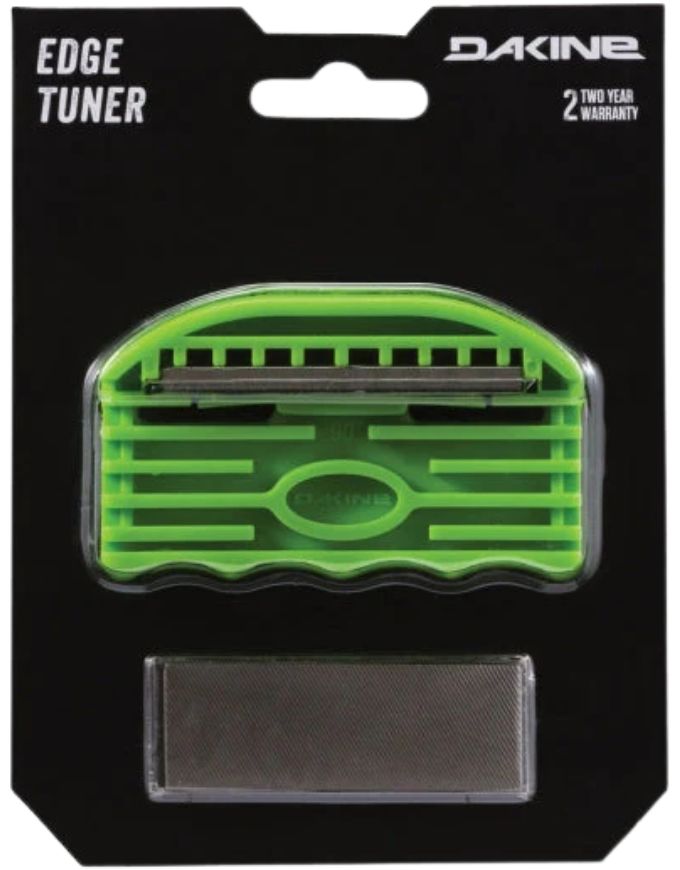
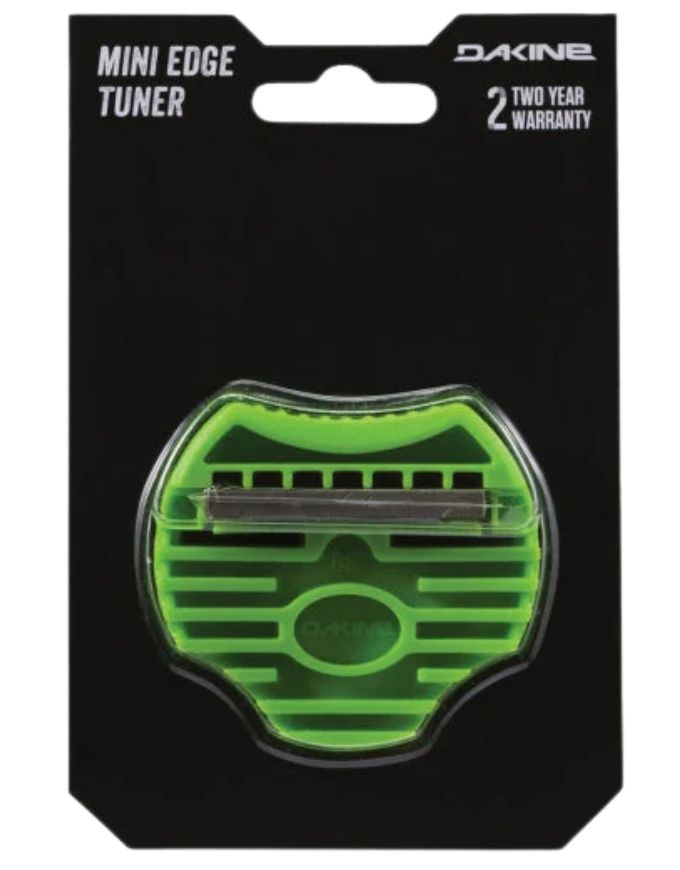
- 2. Get your board or skis waxed and tuned. Base prep and a fresh edge make a bigger difference to your day than most people admit. Drop it in to our workshop, or grab a tuning kit and do it yourself — either way, sort it now rather than queuing when the first big storm hits.
- 3. Check your bindings and boots. Sort the fit, the heat-mould and any worn parts now — not in the car park on a powder morning. Boots that fit properly are the single biggest upgrade to how your day feels.
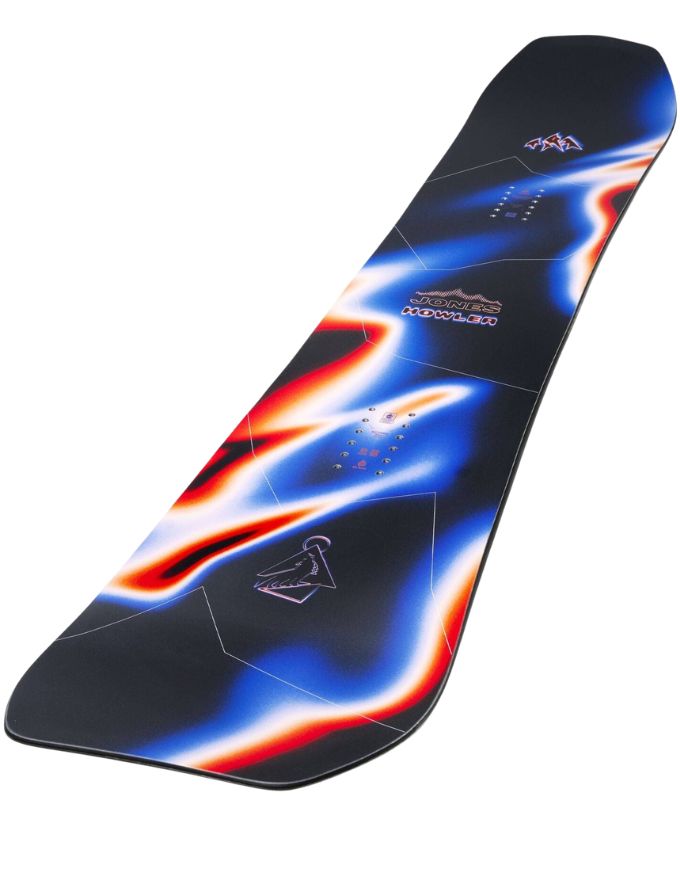
- 4. Knock over the upgrade you've been putting off. A new board, new boots or replacement outerwear — handle it before the rush so it's dialled and ready, not back-ordered the week it finally dumps.
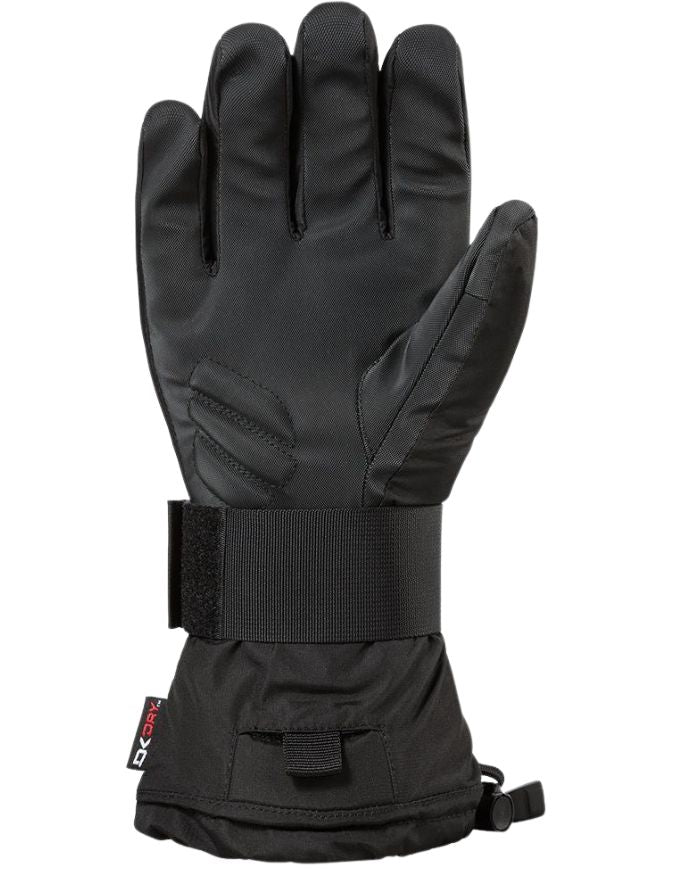
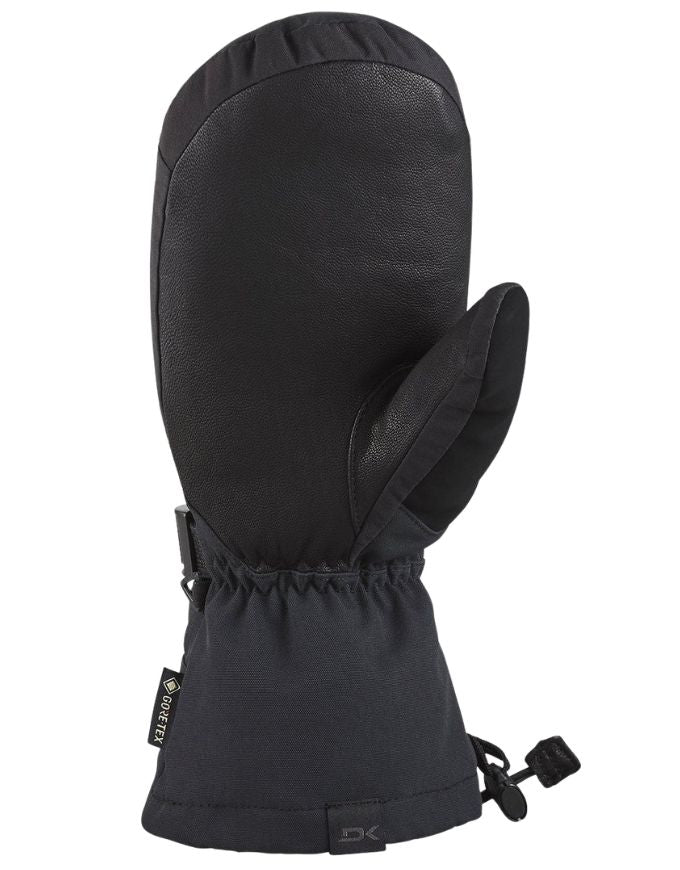
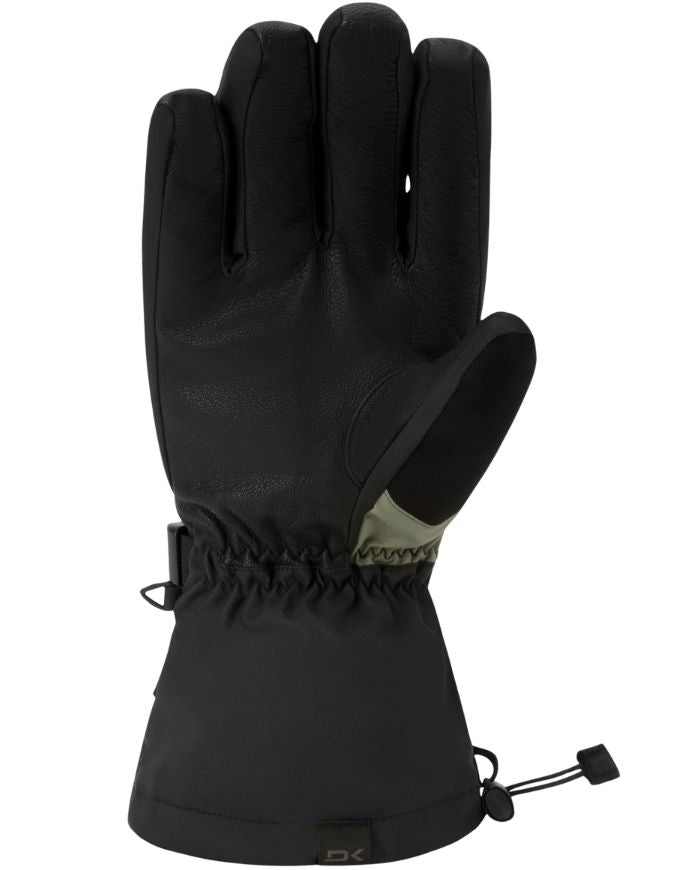
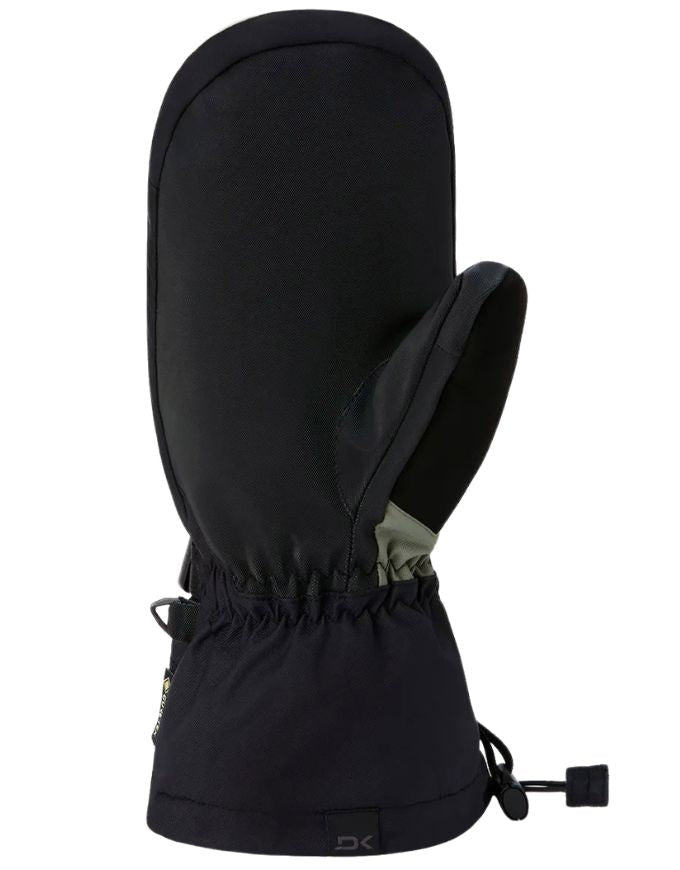
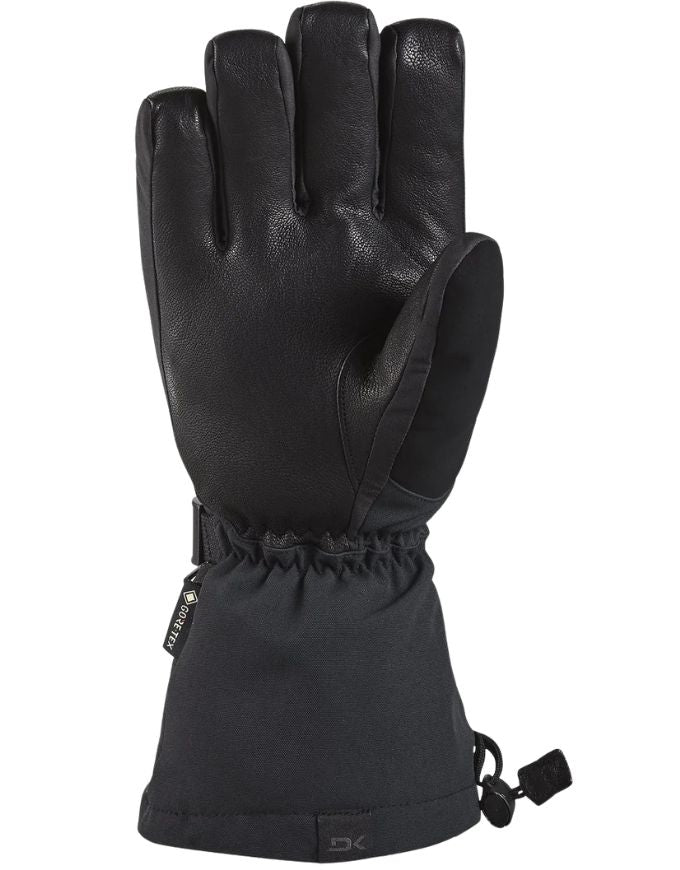
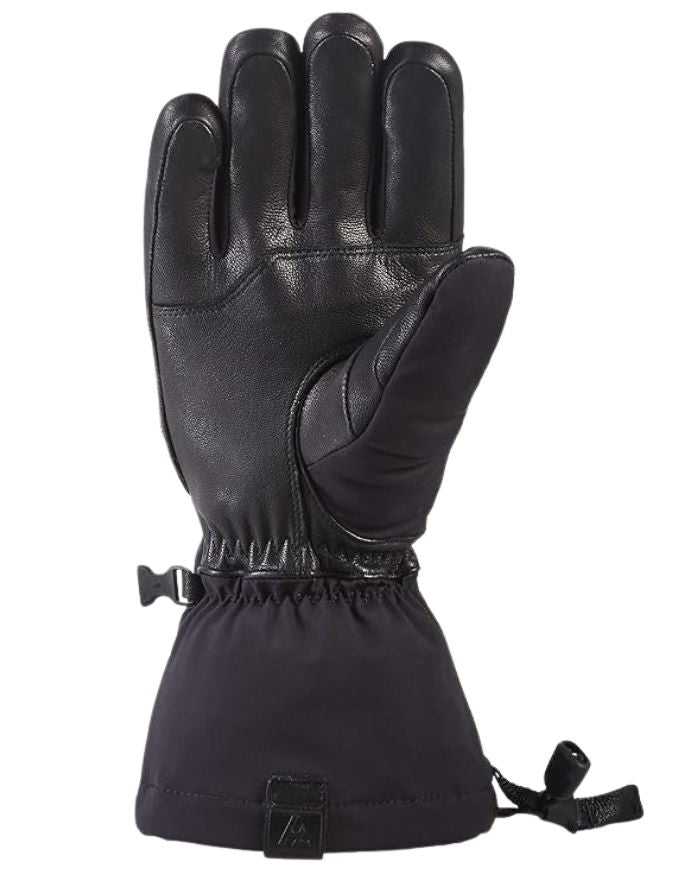
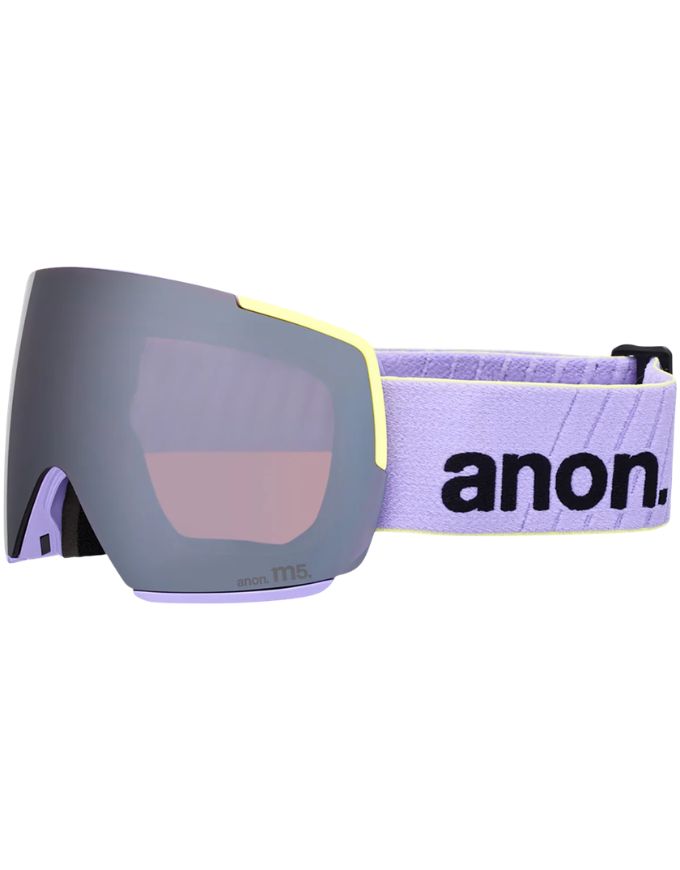
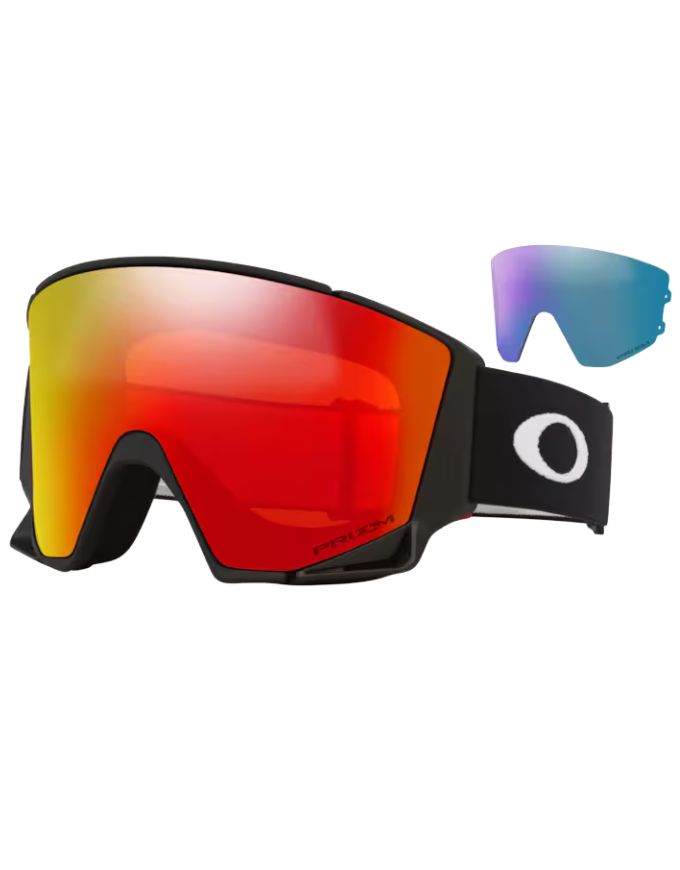
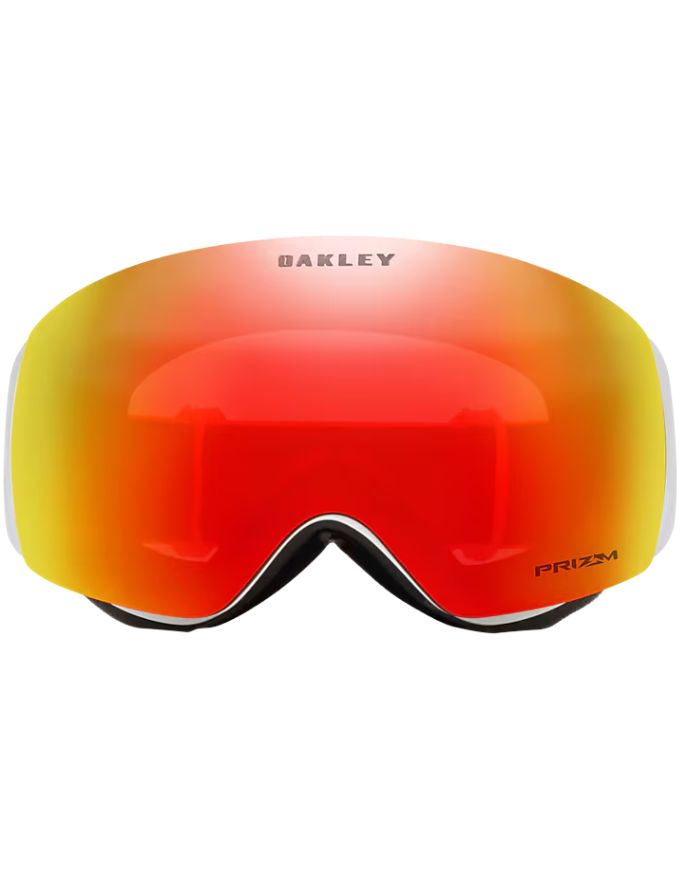
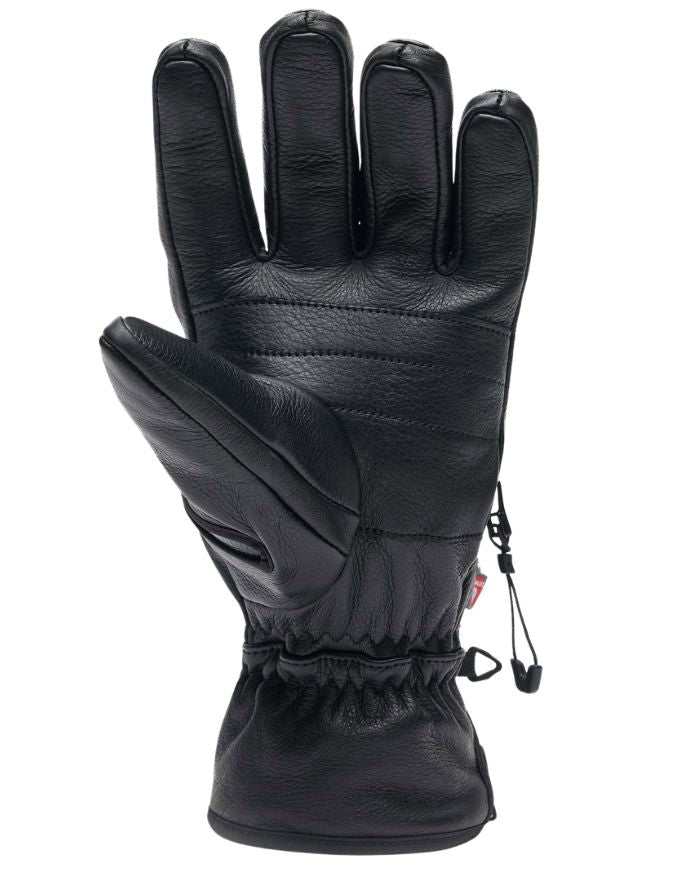
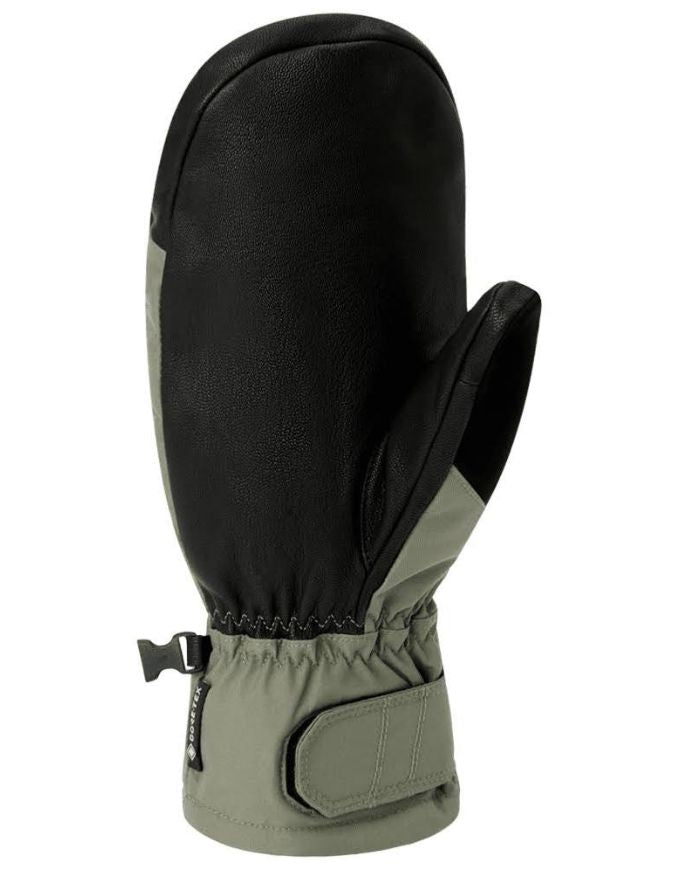
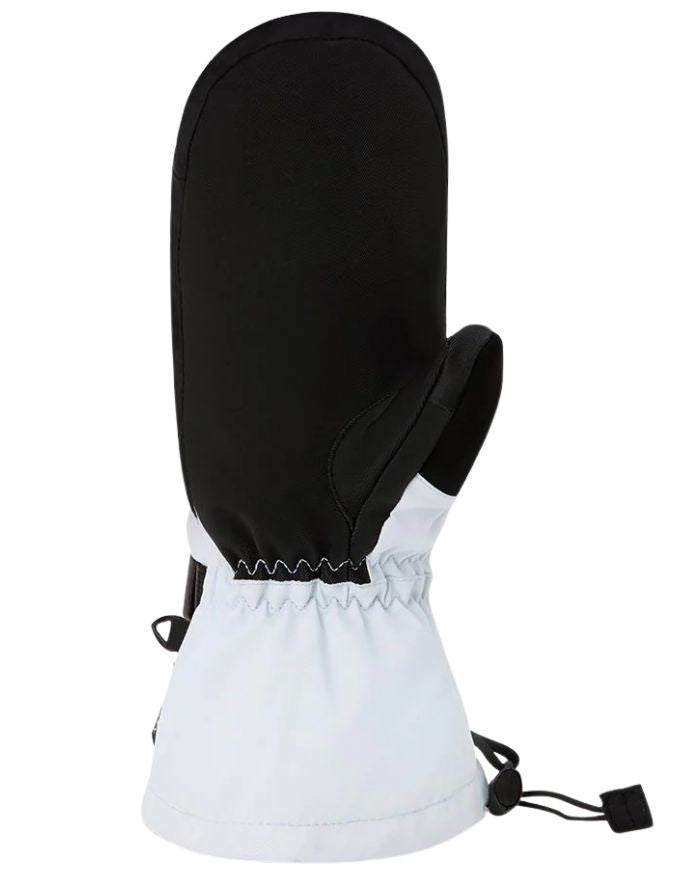
- 5. Make your kit list and fill the gaps. Goggles, gloves, layers, spare straps, a tuned-up pack. Know what's missing before the dump, not after.
- 6. Sort your pass, parking and plan. Lift passes, resort entry, who's driving, where you're staying. The admin is painless now and a nightmare on a powder weekend.
That's the difference between watching the first big storm roll in and scrambling, versus throwing your gear in the car and being first chair. The season's long. Get set up, stay patient, watch the forecast, and be ready when it counts.
Get your gear dialled before the dump
If you want a hand getting ready — a wax and tune, a boot fit, or working out an upgrade — that's what we're here for. Come see us in Richmond. We ride this stuff, we watch these cams too, and we'll make sure you're ready the moment it snows.
Frequently Asked Questions
The season opens around the King's Birthday long weekend in mid-June, but the most reliable snowfall comes in July and August, which typically see around double the snow of June. June can deliver big early storms some years and very little in others.
Sometimes, and occasionally a lot — in 2026 up to 35cm fell before opening weekend. But June is unpredictable; the first week of June at Perisher averages only around 8cm. Early snow is a bonus, not a guarantee.
Completely normal. Opening weekend is timed to a public holiday, not guaranteed snow, and the solstice isn't until around 21 June. A patchy opening weekend says nothing about how the rest of the season will go.
July and August offer the deepest, most reliable snow, with August often holding the best base depth of the season. The coverage builds storm by storm through these months.
It varies hugely year to year. Snow depth at Spencer's Creek has been recorded since 1954, and seasons swing from lean to huge. Peak cover is usually built between June and August.
No — that's the opposite of what you want. Get your board or skis waxed and tuned, your boots fitted and any upgrades handled before the first big dump, and watch the forecast so you're ready to ride the moment it lands.




































































![Burton [ak] GORE-TEX Clutch Glove 2026 | True Black](http://twelveboardstore.com.au/cdn/shop/files/Burton-ak-GORE-TEX-Clutch-Glove-2026-True-Black.jpg?v=1772764768&width={width})
![Burton [ak] GORE-TEX Clutch Glove 2026 | True Black](http://twelveboardstore.com.au/cdn/shop/files/63.jpg?v=1773186630&width={width})