

snowboarding
Snowboards
124 products
→
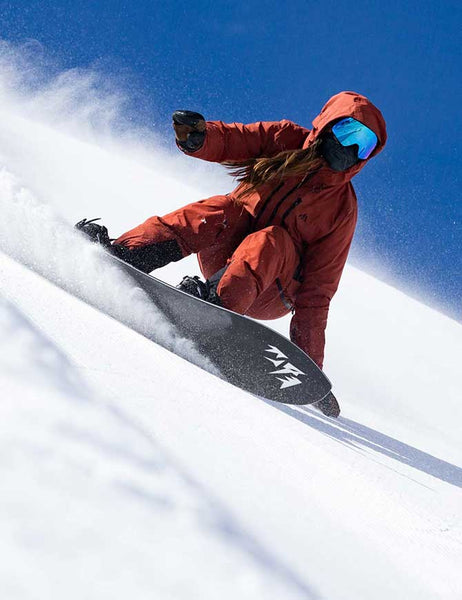
Powder Snowboards
85 products
→
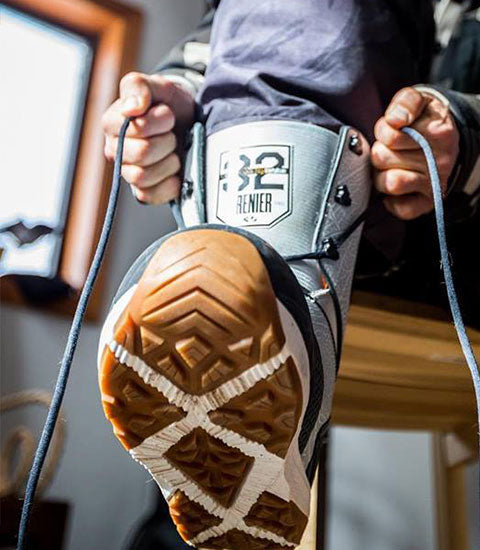
Snowboard Boots
141 products
→
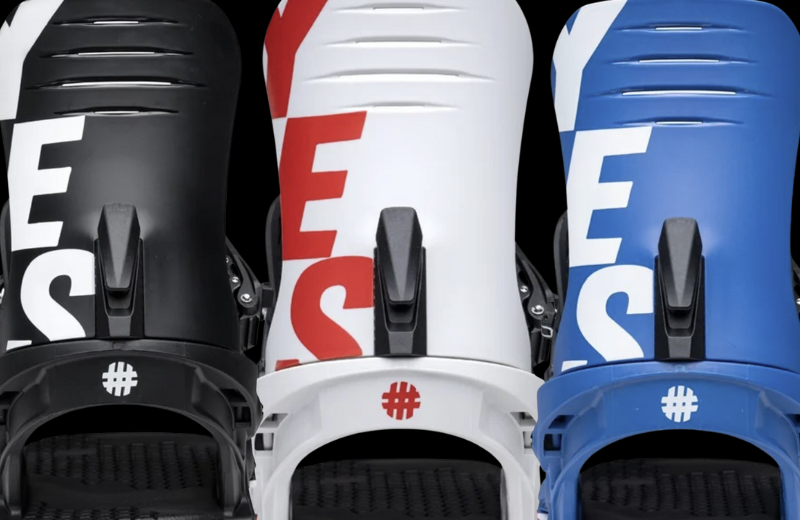
Snowboard Bindings
163 products
→
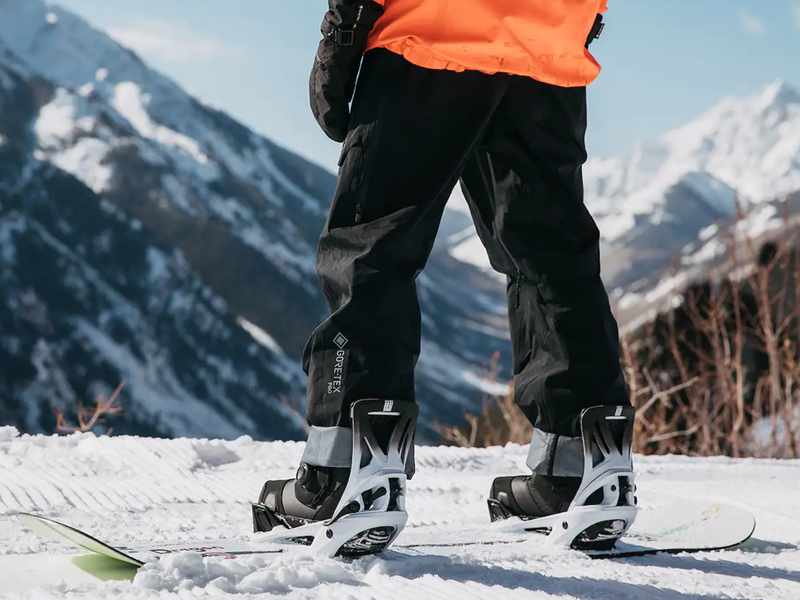
Burton Step On Boots & Bindings
45 products
→
Snowboard Outerwear
171 products
→
Snowboarding Gloves & Mitts
79 products
→
Snowboard Goggles
41 products
→
Snowboard Bags
23 products
→
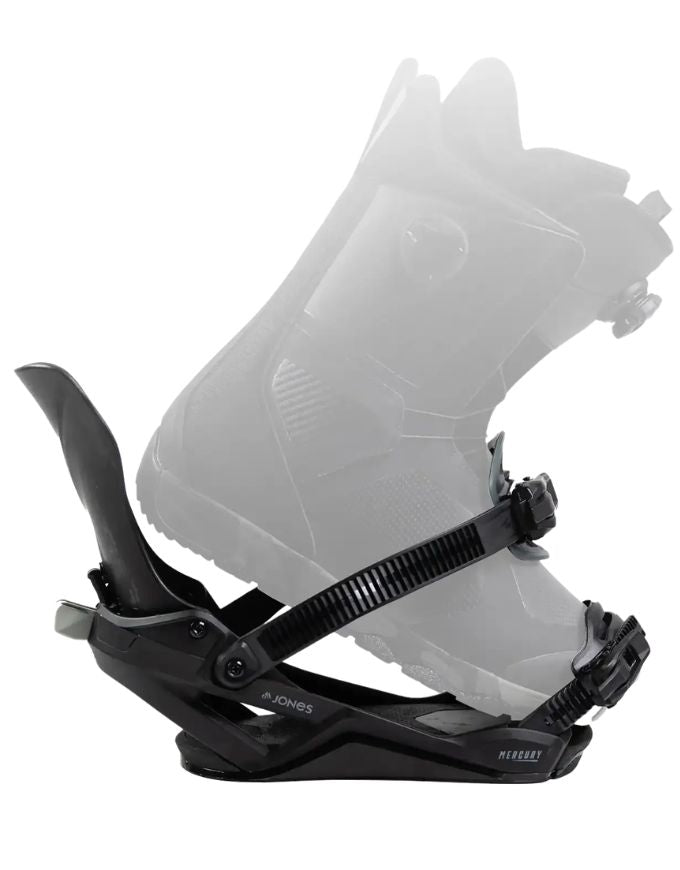
Bindings are the mechanical link between your boots and your board, and getting them wrong costs you more riding performance than almost any other piece of gear. The wrong flex, the wrong compatibility, or bindings that aren't dialled to your stance will fight you all day. The right bindings disappear into your riding. We stock snowboard bindings from Burton, Union, NOW, Nitro, K2, Flux, Bent Metal, FASE and more, in stock at our Richmond showroom, set up and adjusted free with every purchase, with free shipping Australia-wide on orders over $90.
Frequently Asked Questions
Most bindings work with most boards via standard 4x4 or 2x4 mounting. Burton Channel boards require specific compatible bindings, either Burton Re:Flex with a compatibility disc or native Channel-mount bindings. Always check before buying and we will confirm compatibility for any setup.
Match your binding flex roughly to your boot and board flex. Soft for park and beginners, medium for all-mountain, stiff for freeride and carving. Mismatching a stiff binding with a soft board, or the reverse, reduces performance at both ends. We will help you match the whole setup.
A clip-in boot and binding system with three connection points and no straps. Fast to get in and out of, and very secure. It requires specific Step On boots. Come in and try it before you decide.
The Atlas is Union's stiffer, more freeride-oriented binding. The Force is medium flex and more versatile for all-mountain riding. Both are excellent, so the choice comes down to flex preference and riding style.
Yes, free stance setup with every binding purchase. Bring your boots and we will dial in stance width, binding angle, highback angle, forward lean and strap placement before you leave. It takes 15 to 20 minutes.
Usually yes, subject to compatibility. Bring your bindings in and we will check mounting compatibility with any board you are considering.
The highback is the spine behind your heel that controls response when you pressure your heels. More forward lean gives more aggressive heel-side response and suits freeride riders. Less forward lean is more relaxed and suits freestyle and park riders. Most bindings let you adjust it.
Let customers speak for us
Love these guys
Love these guys. They always go out of their way to help me out. Super knowledgable too
Anonymous
Twelve Board Store
Top marks for speed of delivery
I ordered gear from 3 different skate stores, These guys were by far the fastest and best to deal with.
Barry Vaughan
Twelve Board Store
great
had it as a mid layer this weekend and was very satisfied with it. even as a standalone vest
brad greene

Beyond Medals Packable Down Vest 2026 | Black
Travel ready Split /Resort binding
Easily modifiable to fit Alpine Prime bindings along with a Quiver Connector means I have a premium split/resort Straightline binding ready to rip on my travels
Sean Burke

Karakoram Connect Full EVA Footbeds
Great service
Great service, great communication, super fast shipping!
Ryan Roberts
Twelve Board Store
Epic glove with super comfort
Great quality product. Liners are amazing. Recommend using beeswax on leather palm to keep it waterproof. Holds up in wet weather
David

Dakine Leather Titan Gore-Tex Mitt 2026 | Black
The guys at Twelve Boards just helped me to purchase three new Carver surf skates for my self and
The guys at Twelve Boards just helped me to purchase three new Carver surf skates for my self and two sons, they helped advise me on what would work best for all of us as we are all at different heights, weights and ability levels, unlike other shops/websites you get to talk with experienced people that know their stuff. I got a great price and the boards turned up quickly and packed really well with no damage. Couldn’t be happier with the service and gear, very happy to recommend this business to anyone interested in these sort of sports. My next purchase will be snowboards and I will be going through Twelve Boards for that purchase also. Great shop.
Peter Self
Twelve Board Store
Apres and Work - Good Boots
Been running the MTE boots for years lift ops and maintenance, better than Sorrels now that they've got a zip side!
Michael Masden

Vans Standard Snow MTE Zip Boot 2026 | Faded Black
Quality base layer
These Burton base layer pants are the best! Super comfy and a good fit.
Jules Ashton

Burton Mens Lightweight X Base Layer Crew 2026 | True Black
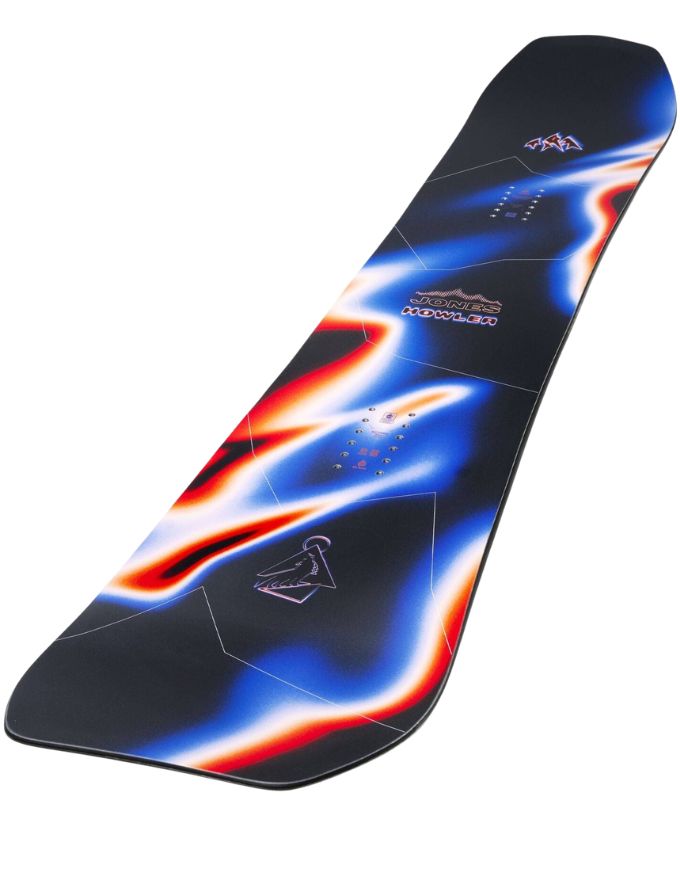
Jones Howler 160W
There is a reason I always keep coming back to Twelve, the service and the brands. The team are super helpful, patient and don't push their preferences, they listen to your needs and experiences and help you decide from there.
Had a couple of Jones boards previously and they recommended the Howler. Who am I to say no!
Al
Twelve Board Store
Nice sized day pack for short trips and staying light. Can't wait to get up in the mountains to use it.
Mick Gray

Jones Higher 32L Backpack | 2026
Top boards...Top service 👌
I purchased two Jones snowboards on-line for my next trip to Japan. Ordering through Twelve snowboards was a smooth experience and they kept me up to date with my order from the time I placed the order to delivery. I would highly recommend Twelve for the best gear, customer service and I wouldn't hesitate to order through them again. Thanks guys!
Kelly Halse
Twelve Board Store
Incredible company
Incredible company, my Burton Swash jacket was exactly as advertised, great website, good post purchase communication and fast postage. Overall, a perfect experience!
Anthony Goebel
Twelve Board Store