

News
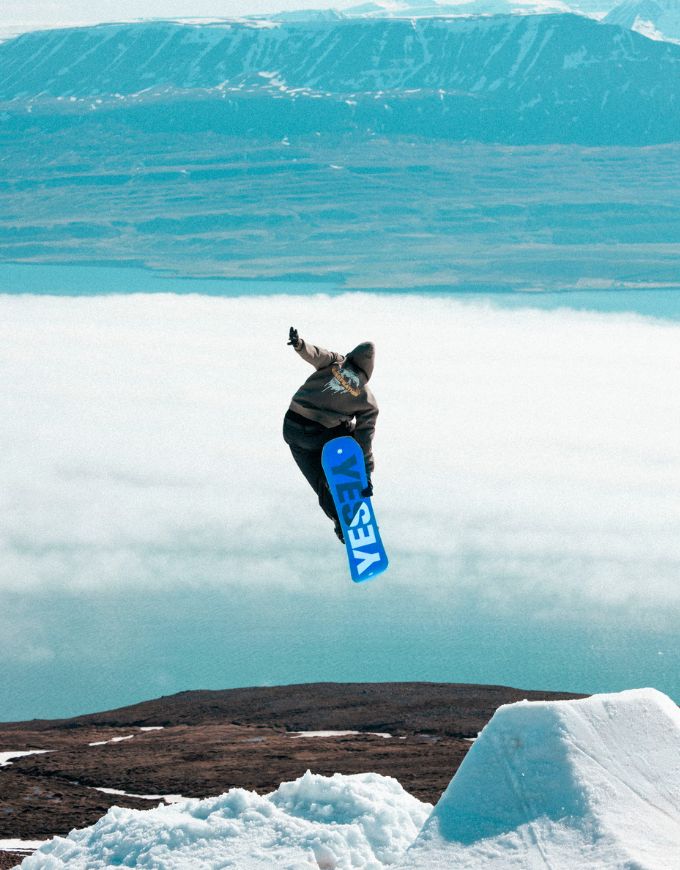
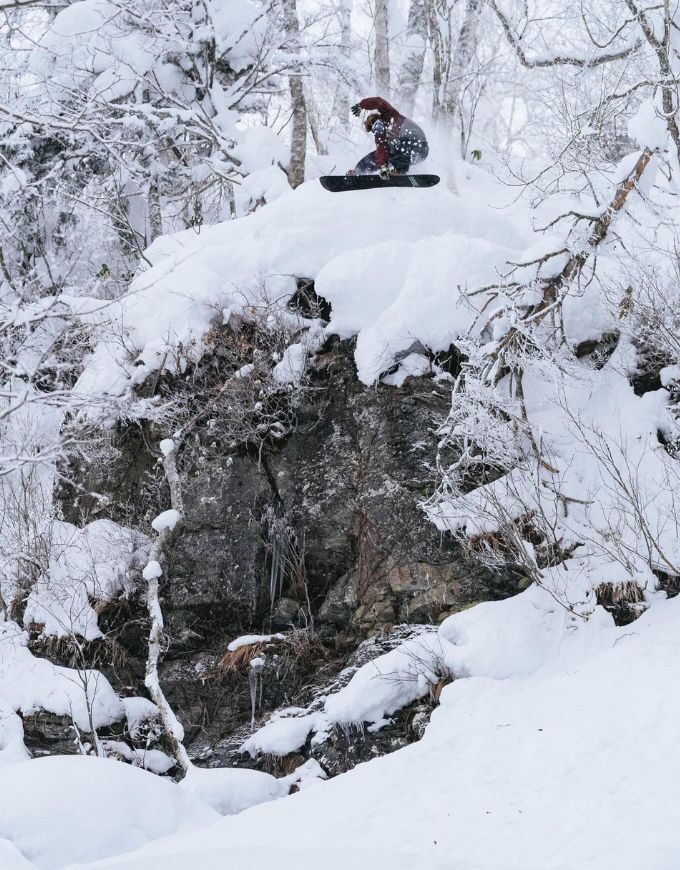
Travelling with your snowboard takes you to some of the most amazing places on earth, surrounded by people who love doing exactly what you do. Deep snow, incredible terrain, and a week where nothing else really matters.
That's the whole reason to go, and it's worth saying before we get into the numbers.
While it's summer here it's winter up north. December through March is peak season across Japan, Canada and Europe, and if you're thinking about it, the booking window is open now. Flights over Christmas and January fill months ahead.
We've been sending riders overseas from our Richmond store for over a decade. Our full snowboard buying and size guides cover the gear side in detail. This isn't a list of resorts pulled off a tourism site. It's where we actually go, why we go there, and what we'd put in the bag.
The short version: Japan is the best first trip and the best value. Canada has the biggest terrain in North America and the simplest travel. Europe is the one that'll take your breath away, and it needs two weeks.
Where do Australians actually go snowboarding overseas?
Japan, Canada and Europe, roughly in that order of popularity, and each suits a different kind of trip.
Everyone starts in the obvious places. Niseko in Japan, Whistler in Canada, Chamonix or Val Thorens in Europe. Nothing wrong with any of them, they're famous for good reason. But after a few trips you work out the best week is usually one valley over from wherever the crowd is.
That's what this guide is about.

Japan: everyone goes to Niseko, we go to Myoko
Hakuba and Niseko are amazing and they're usually the first stops when you head over. Deep, reliable snow, sorted infrastructure, plenty of English spoken. If it's your first trip to Japan, go. You'll love it.
But after a few seasons you notice you're queuing behind other Australians, paying resort prices for a bowl of ramen, and watching the good stuff get tracked out by 10am.
Myoko Kogen is where we go now.
It sits in Niigata, under two hours from Tokyo on the shinkansen, and it's a real Japanese town rather than a purpose-built resort village. Onsen everywhere, proper food, and people who actually live there.
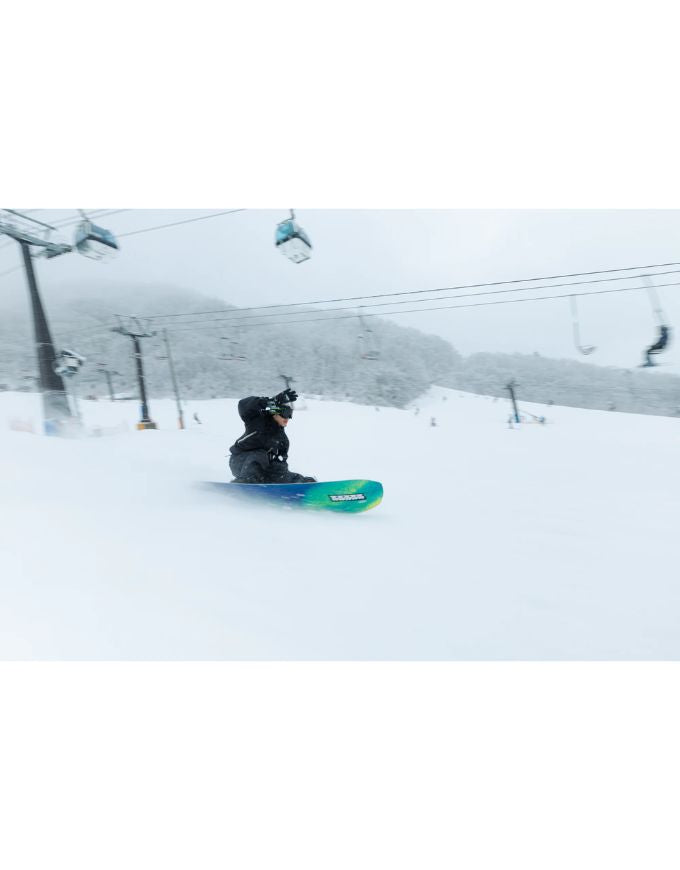
There are five mountains around the town, and the Mt Myoko pass links seven resorts across 965 hectares, which makes it the largest connected ski area in Japan. Bigger than Niseko. Bigger than Hakuba. The shuttle between them is included in the pass, so you can ride Madarao's trees in the morning, jump the bus, and finish somewhere completely different.
Our pick: Lotte Arai
Arai sits on the northern edge of the Myoko area and it's the one we send people to.
It has 951 metres of vertical, among the biggest in Japan, served by just five lifts. Of its 14 courses, eight are left ungroomed on purpose, so the powder isn't machine-packed out of existence overnight. There are avalanche-controlled free-ride zones that open depending on conditions and, unusually for Japan, some genuinely above-treeline terrain in wide open bowls.
The base hotel is a proper resort with onsen, restaurants and ski-in ski-out access. Roughly 1 hour 50 from Tokyo Station to Joetsu-Myoko on the shinkansen, then a 20 to 30 minute shuttle.
Where to stay
If you want to be in the town rather than at the resort, give the crew at Refre Hotel Akakura a call. Nine rooms, family run, a minute off the main street in Akakura Onsen and three minutes from the lifts. They'll pick you up from Myoko Kogen station and there's a thermal onsen you can book privately.
Full disclosure, the family are mates of ours and one of them worked at our store. We'd still send you there. Nine rooms means it fills fast, so book early.
When to go
Mid January to early February for the deepest snow. Run through our Japan packing checklist before you go. Late February and March for lower prices and fewer people, with plenty still falling.

Canada: Whistler and Banff are bucket list, we go to Revelstoke
Whistler and Banff deserve everything said about them. Whistler Blackcomb is the biggest resort in North America at over 8,100 acres, and Banff is one of the most beautiful places you'll ever put a board on. Do them once, properly.
Then go back for Revelstoke.
Revelstoke has the biggest lift-accessed vertical in North America. 1,713 metres, top to bottom. The longest run, Last Spike, is 15.2 kilometres. Eight top-to-bottom laps in a day and you've descended the height of Everest.
It averages about 10.5 metres of snow across 3,121 acres. And here's the number that matters most: five lifts. One gondola, three chairs and a magic carpet, for a mountain that size. Only 40 designated trails, which means almost everything between them is yours, and 45 per cent of it is rated most difficult or expert.
Revelstoke gets a fraction of Whistler's traffic. You'll be unlucky to ever queue.
It's also the only place we know of where lift-served, cat and heli terrain all run out of the same town. Selkirk Tangiers operates from the resort, and the combined cat and heli tenure runs past 515,000 acres.
It's a working railway town, not a purpose-built village. That'll either appeal to you or it won't. It does to us.
Getting there
Fly into Kelowna, then two and a half hours by road. From Vancouver it's about six hours. From Calgary it's four and a half, through Banff, Yoho and Glacier National Parks and over Rogers Pass, which is one of the great drives.
Two honest catches
Beginner terrain is limited and concentrated at the base, so bring solid intermediate skills at least. And winter tyres are mandatory October through April, with passes that close in heavy snow. If you're driving, take that seriously.
The pass worth knowing about
If Canada's on the list, look at the Epic Australia Pass before you book anything. Around AU$1,045 for adults and AU$599 for kids, it covers unlimited Perisher, Falls Creek and Hotham through the Australian winter, plus ten days at Whistler Blackcomb, Vail and Beaver Creek, plus additional access at Fernie, Kicking Horse, Hakuba Valley and Rusutsu.
One pass, your home season and an overseas trip. It's cheapest before the Australian season starts, so the smart time to buy for next year is well before June. Check the peak blackout dates first.

Europe: it's a storybook, and they do it properly
Japan is about the snow. Canada is about the terrain. Europe is about all of it, plus everything around it.
You ride above villages that have been there for centuries. You stop for lunch and it's an actual restaurant, not a cafeteria. The town doesn't empty out at 4pm. Nobody does après like the Alps and nobody ever has.
A trip from Switzerland down through the Dolomites in Italy will take your breath away, and you can do most of it by train.
The bucket list one: the Three Valleys, France
The largest linked ski area in the world. Six hundred kilometres of marked piste, around 330 runs, roughly 160 lifts, seven resorts on one pass: Courchevel, Méribel, Val Thorens, Les Menuires, La Tania, Saint-Martin-de-Belleville and Orelle.
You could ride a week and never take the same run twice. That's not marketing, it's just maths. Thirty runs a day for seven days doesn't get you through 330.
It's high, too, which matters when you're booking from the other side of the world in August. Eighty-five per cent of the terrain sits above 1,800 metres, Val Thorens is Europe's highest resort at 2,300 metres, and the top lift takes you past 3,200. The whole thing links up without taking your board off, apart from the odd gondola.
The honest catch
It's a long way for a short trip. Flying from Melbourne to the Alps for seven days on snow is poor value and you'll spend two of them recovering. Two weeks or more and Europe makes complete sense. One week of leave and you're better off in Japan.
What about New Zealand?
New Zealand is the odd one out because its season runs June to October, which is our winter. It's not a summer destination, it's a right-now one.
If you can't wait until December, that's your answer. A bit over three hours from Melbourne, no visa, no jet lag, and the NZSki Superpass covers Coronet Peak, The Remarkables and Mt Hutt for NZ$105 a day.
Worth knowing for next winter as well. A long weekend in Queenstown is a realistic way to add days to a thin Australian season.
What does an overseas snowboard trip actually cost?
Less than you think, and often less than a week at home.
Most people compare trips on airfare, which is the wrong number. Flights are a one-off. Everything else scales with how long you stay, and that's where overseas trips quietly win.
A five-day lift ticket at Niseko is around $559. The equivalent at Perisher is around $1,097. Roughly double, before you've booked a bed or eaten anything.
Run the full trip and the gap holds. A solo traveller flying from Sydney for a week, counting flights, accommodation and lift access, lands near $5,657 for Niseko against about $7,494 for Perisher. The Japan figure includes an international flight. The Perisher one includes a drive.
Day pass comparison
| Destination | Average day pass | Premium resort |
|---|---|---|
| Japan | ~¥7,500 | Rusutsu ~¥16,000 |
| New Zealand | ~¥11,000 | Cardrona ~¥16,000 |
| Canada | ~¥12,000 | Whistler ~¥34,000 |
| France | ~¥12,000 | Chamonix ~¥18,000 |
| Austria | ~¥14,000 | St Anton ~¥14,500 |
| Switzerland | ~¥15,000 | Zermatt ~¥17,000 |
| Australia | ~¥17,000 | Perisher ~¥26,000 |
| USA | ~¥23,000 | Vail ~¥50,000 |
Australia is the second most expensive place on that list to buy a lift ticket. That single fact drives most of the decisions above. See also how to snowboard in Australia for less.
Buy online, always. At Rusutsu a walk-up day pass is ¥16,200 while the online price is ¥12,000. A ¥4,200 saving for booking the night before.

What snowboard should I take?
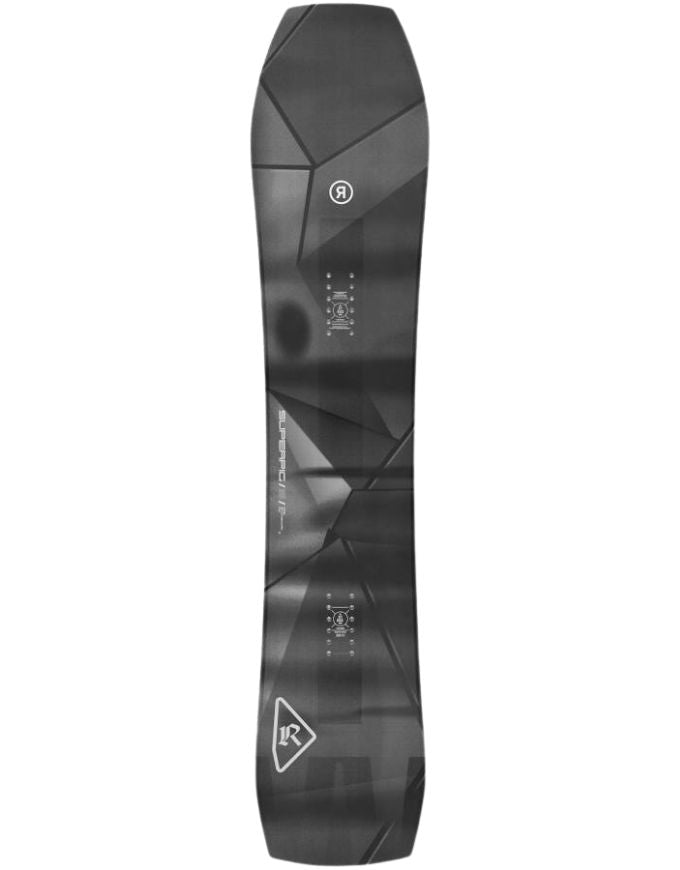
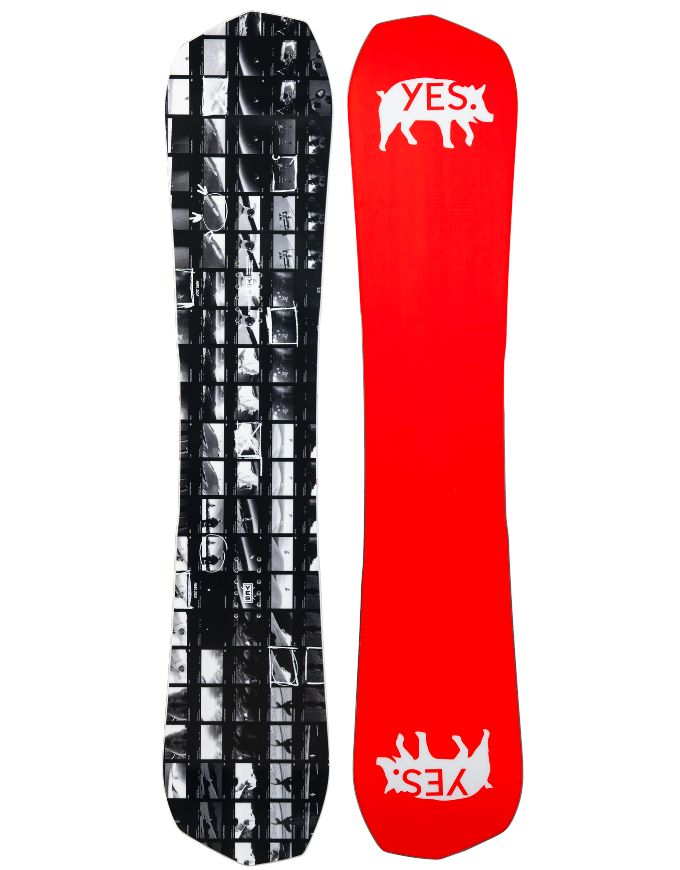
A powder board or a volume-shifted directional for Japan, and an all-mountain directional for Canada or Europe. It's the single biggest gear decision you'll make, and it's where most trip guides go quiet.
We're a snowboard shop, not a travel agency, so this is the part we can actually help with.
The board you ride at Buller is probably the wrong board for Hokkaido. Maybe not wrong, but you'll want better to get the most out of your trip. Camber underfoot and a lot of effective edge is what holds a turn on hard, wind-affected Australian snow. Put that same board in a metre of Japanese powder and you'll spend the day fighting to keep the nose up. Your back leg will be cooked by lunch.
You need volume. Shorter and wider is the way to go, to maximise float.
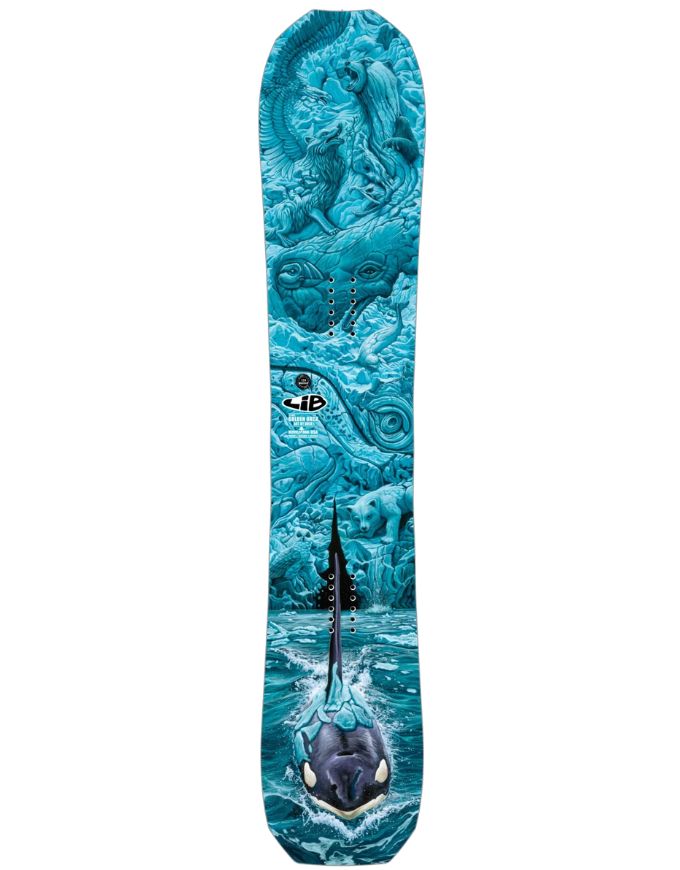
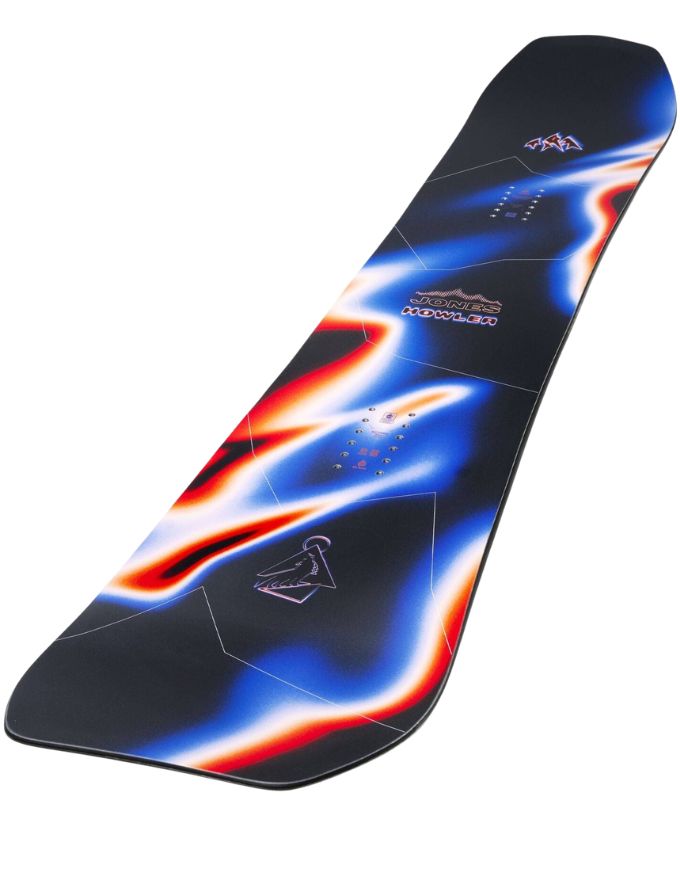
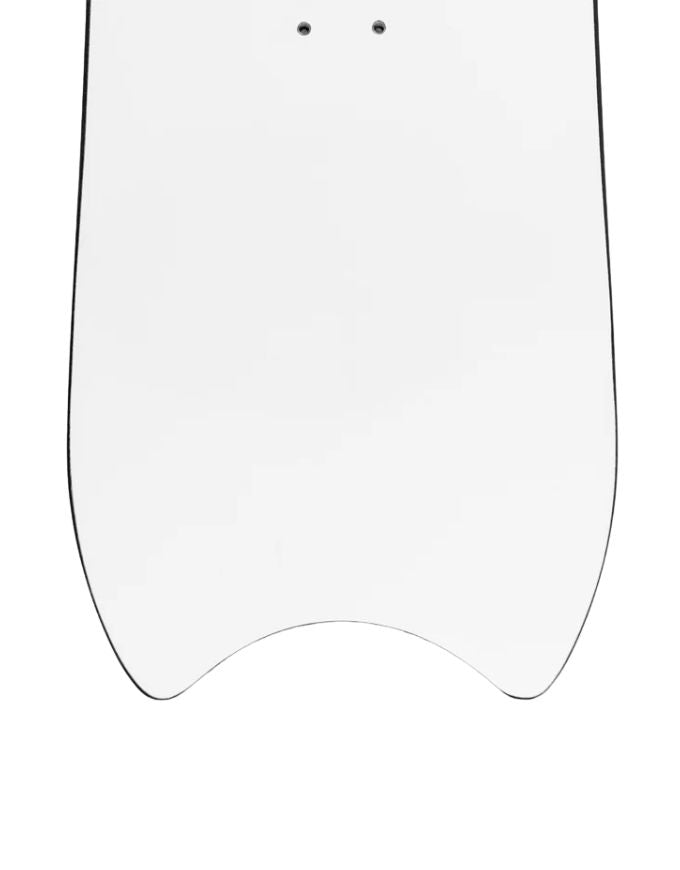
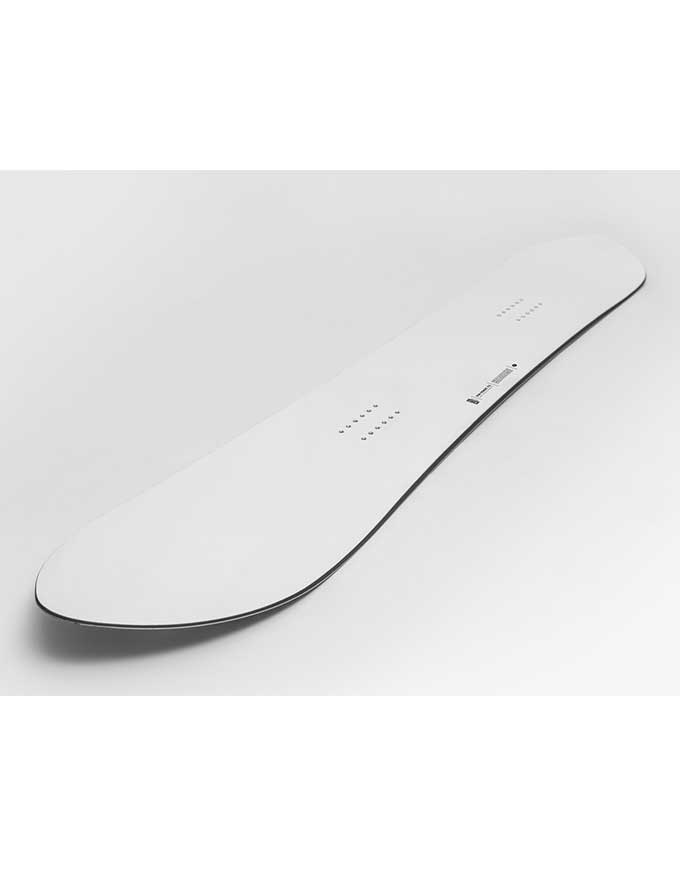
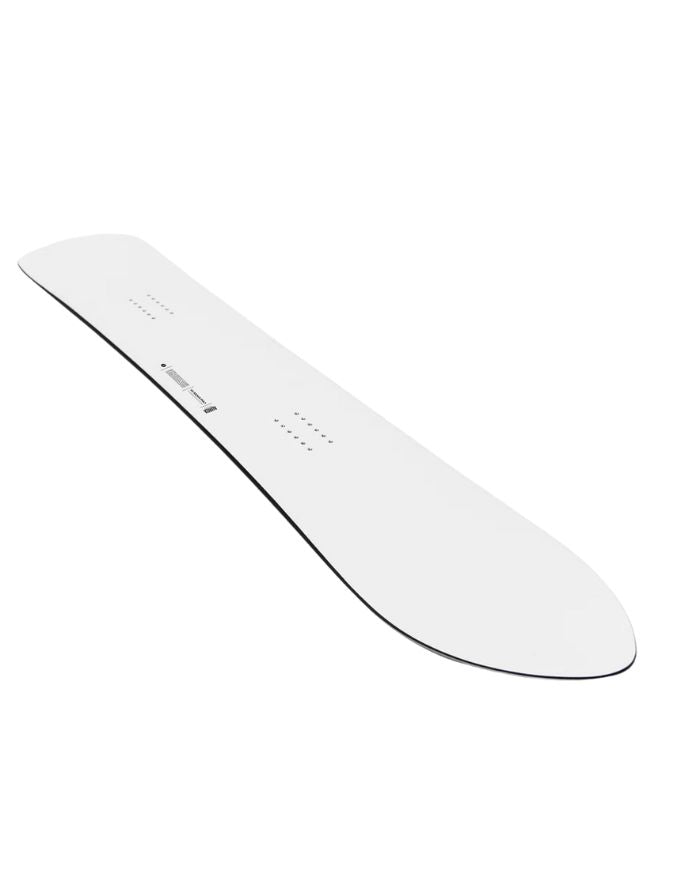
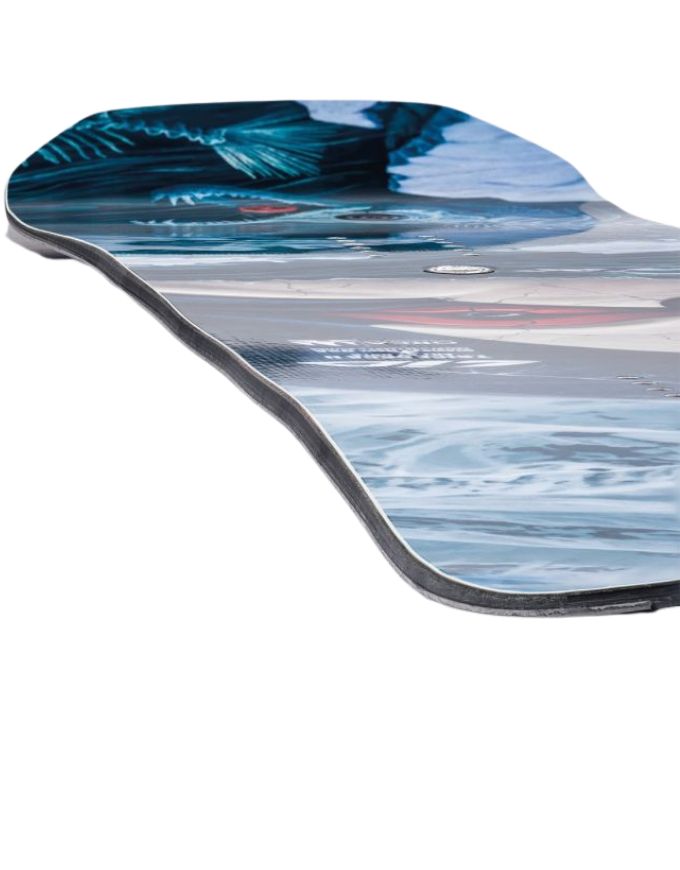
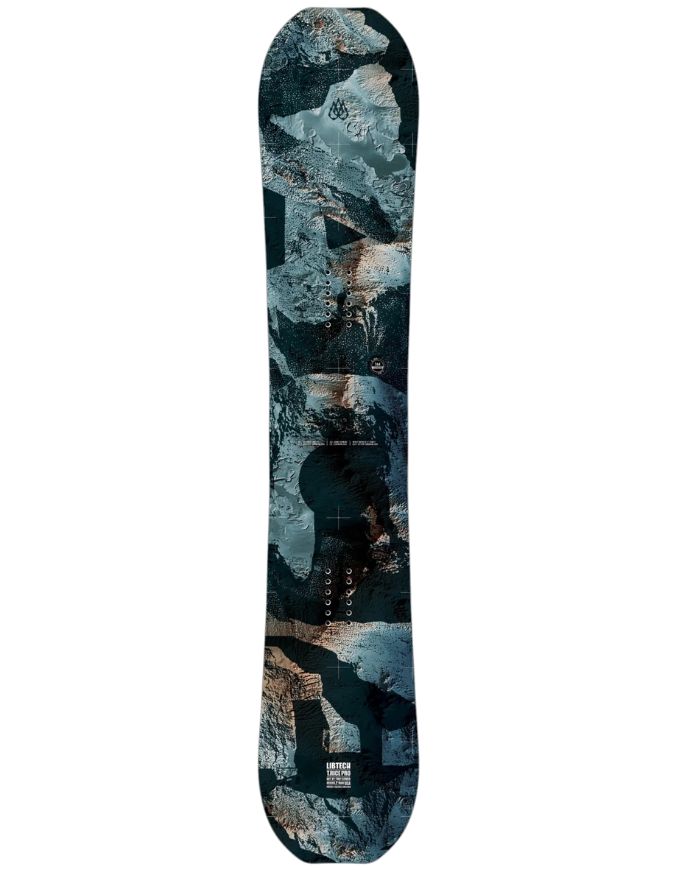
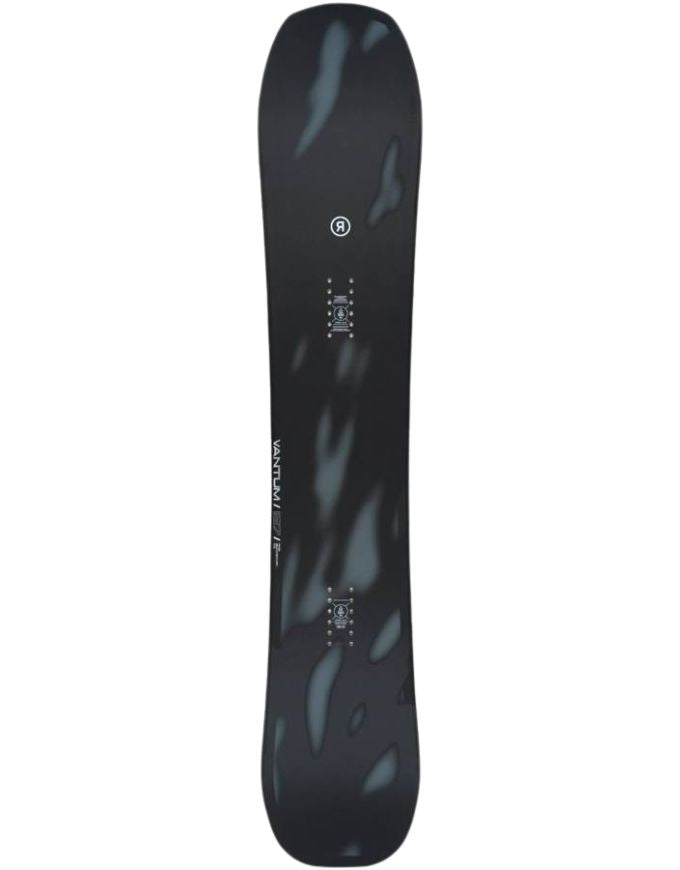
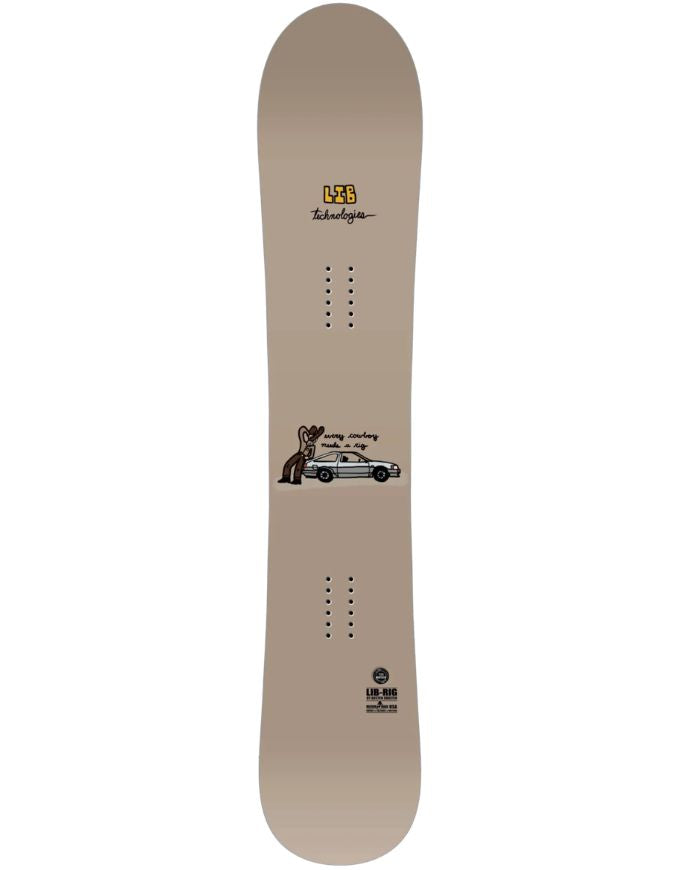
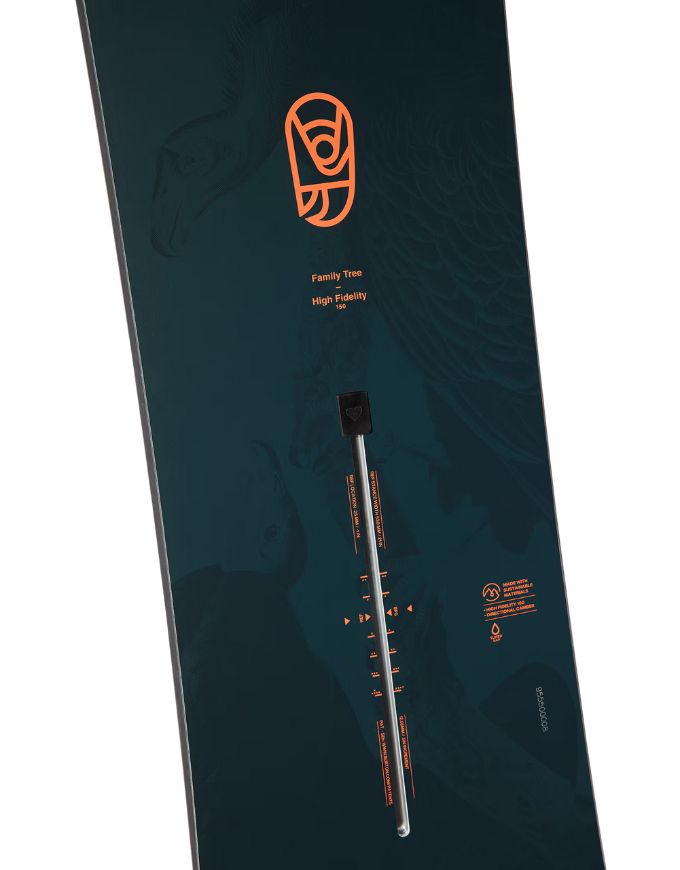
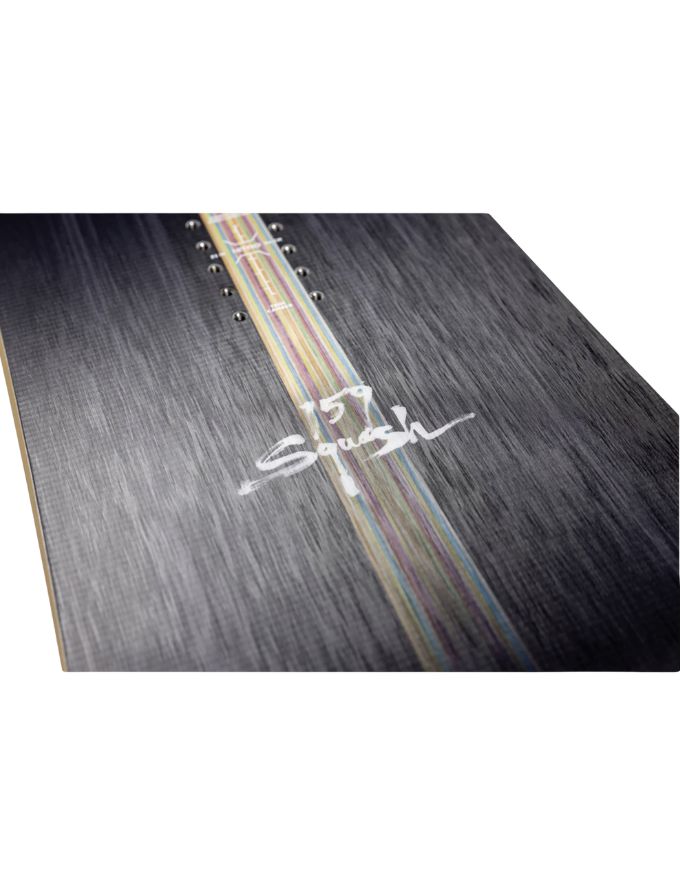
For Japan, that means a volume-shifted directional or a dedicated powder shape. Longer nose, setback stance, and often 3 to 5cm shorter than you'd normally ride. The Jones Hovercraft 2.0 and the Lib Tech T-Rice Orca II are the two we hand people most often. Browse the full powder snowboard range.
For Canada or Europe, you want range rather than float. Conditions swing from firm groomers to fresh snow to spring slush inside one trip, so an all-mountain directional with real edge hold is the better answer. The Jones Flagship if you're planning to charge, the Korua Dart if you'd rather draw long turns.
If you can only take one board anywhere, take a directional all-mountain with a hybrid camber profile. It gives up a little float and a little edge hold and does everything competently.
If you're taking two, take a resort board and a powder board and stop trying to make one shape do both jobs.


We size for the destination, not just for you
This is the bit no size chart does. The right length for Myoko isn't the right length for Revelstoke, and neither is the length you'd ride at Hotham.
Same rider, same weight, same boots, three different answers. A volume-shifted board for a Japan trip might come in 4cm shorter than your usual. A freeride board for Revelstoke might go the other way. Get that wrong and you've spent two grand on a board that fights you for a week.
Tell us where you're going and how long for, and we'll work it out with you.
What outerwear do I need?
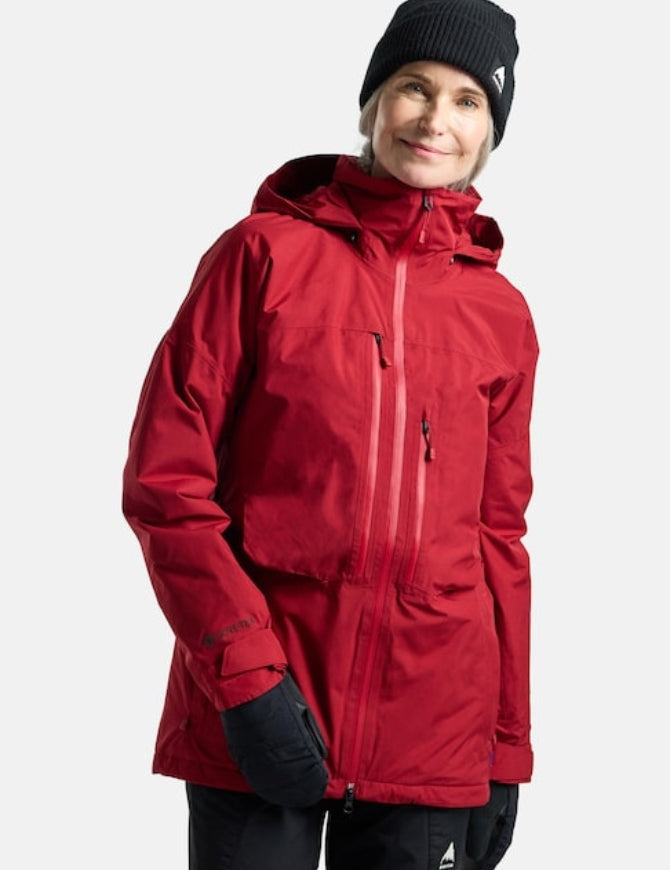
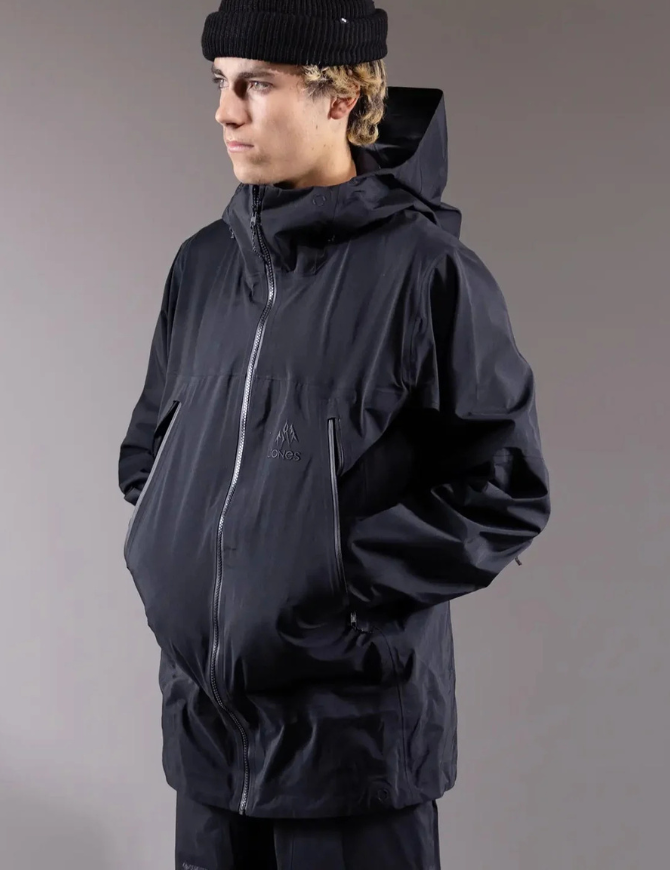
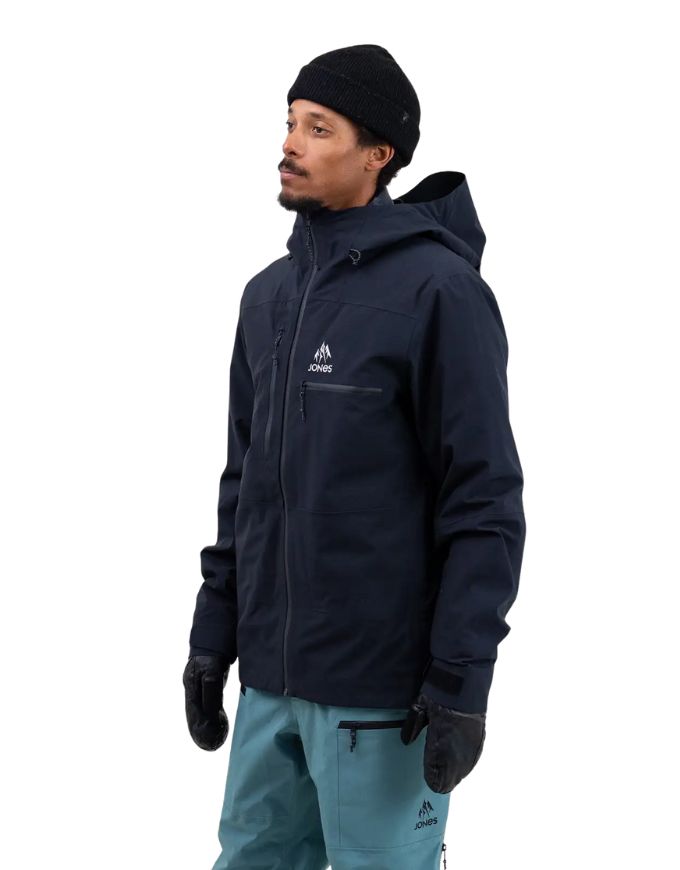
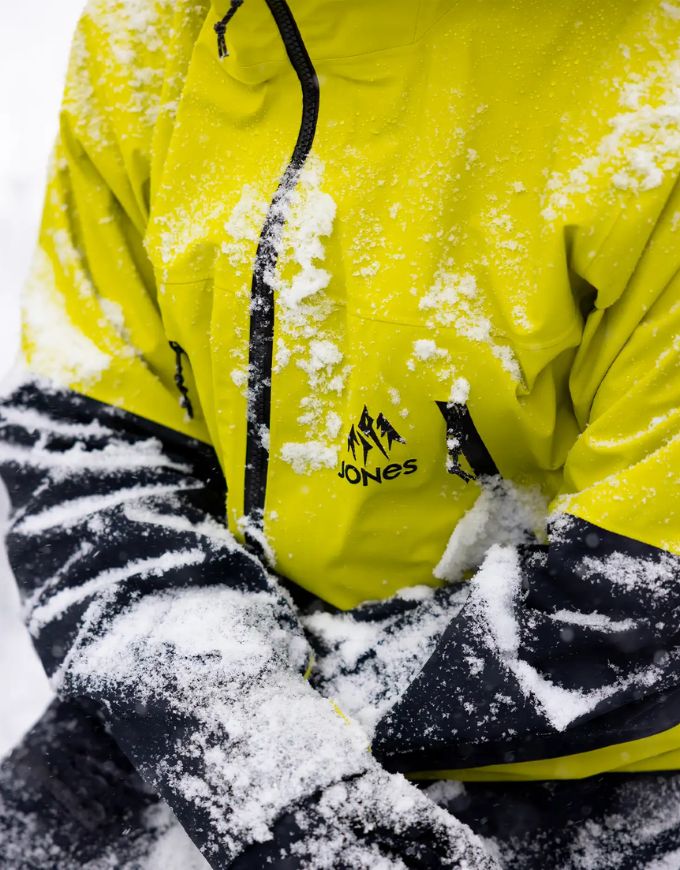
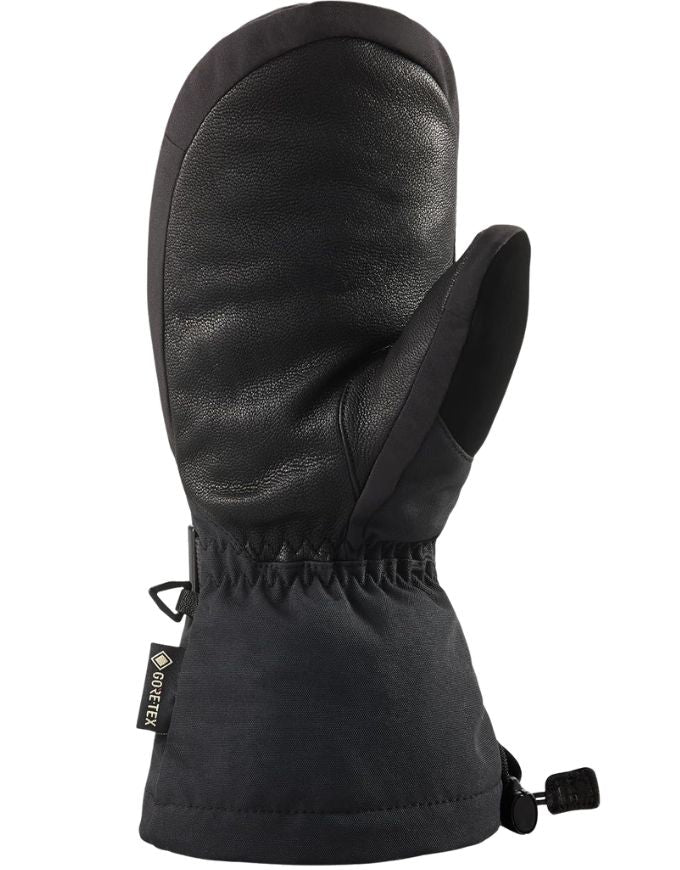
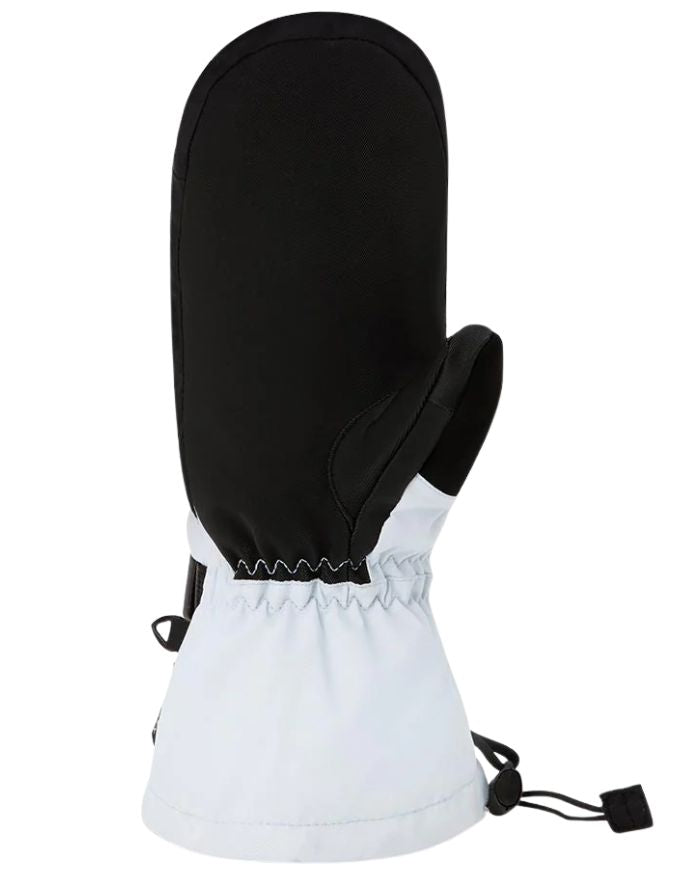
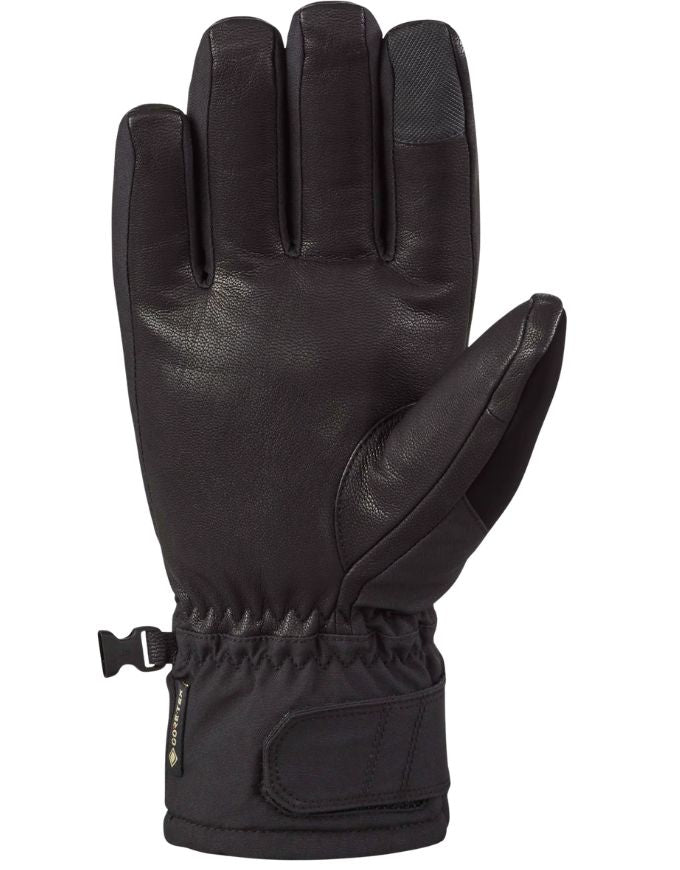
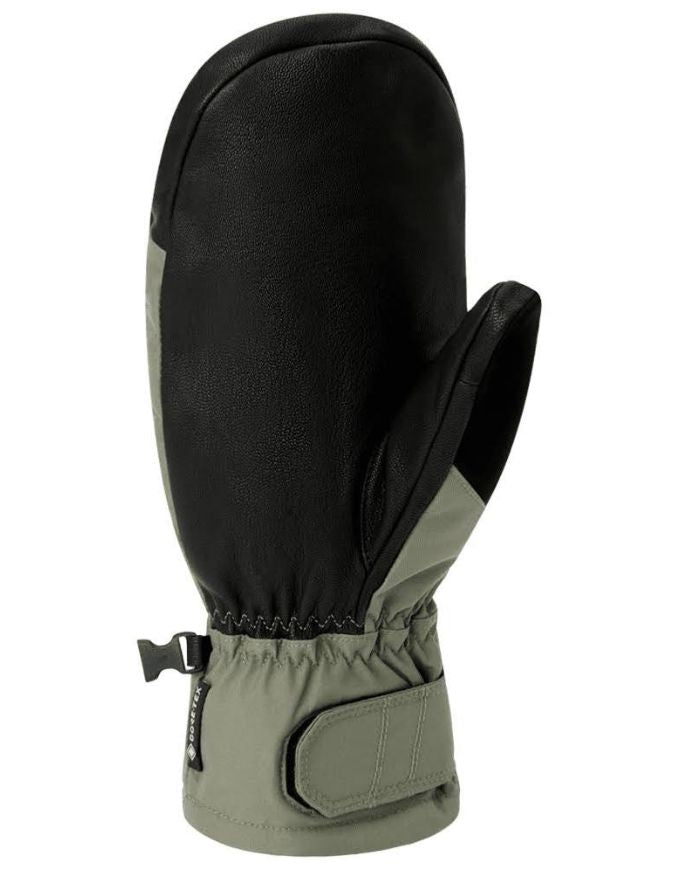
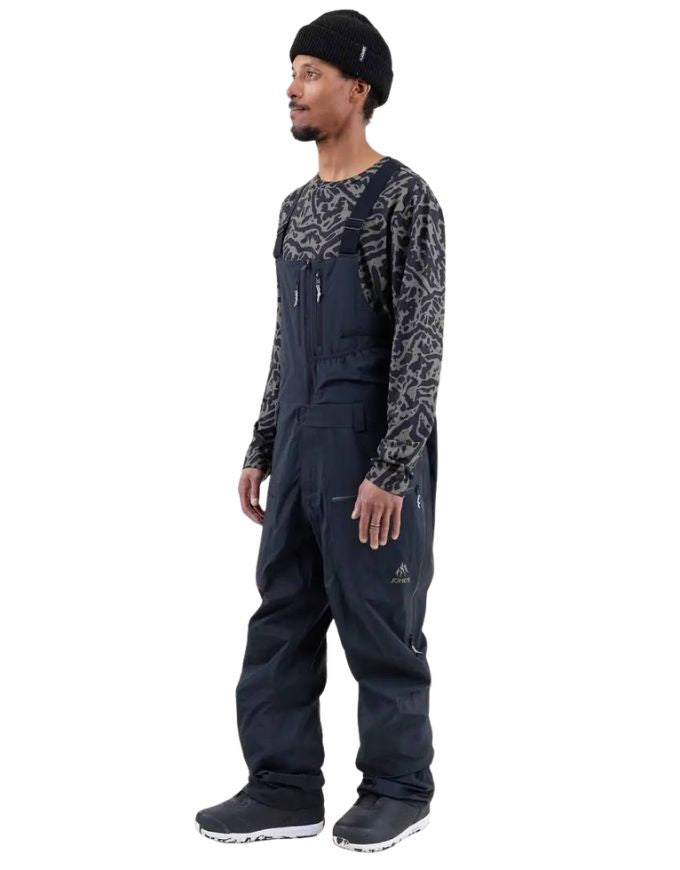
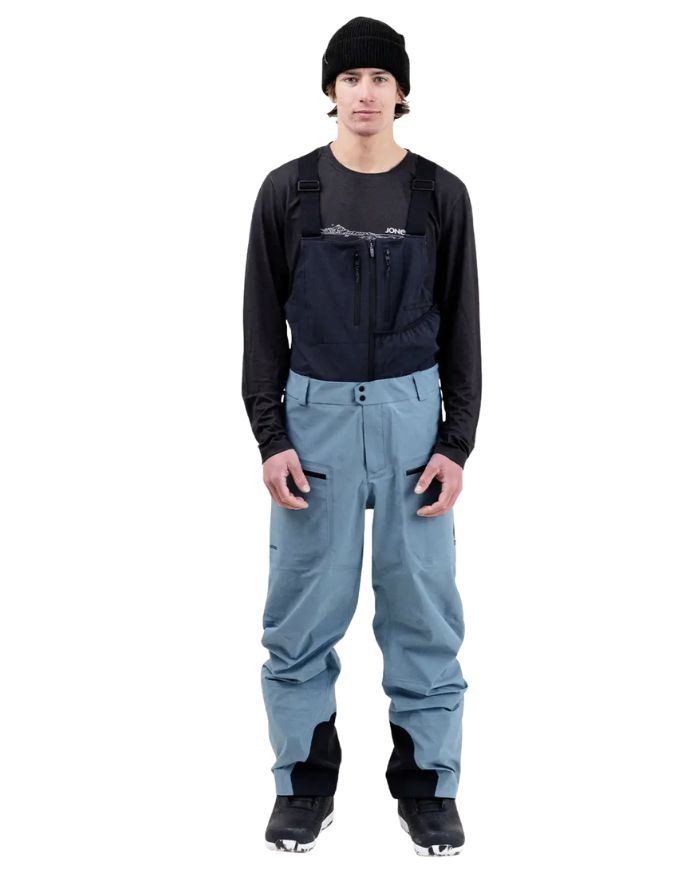
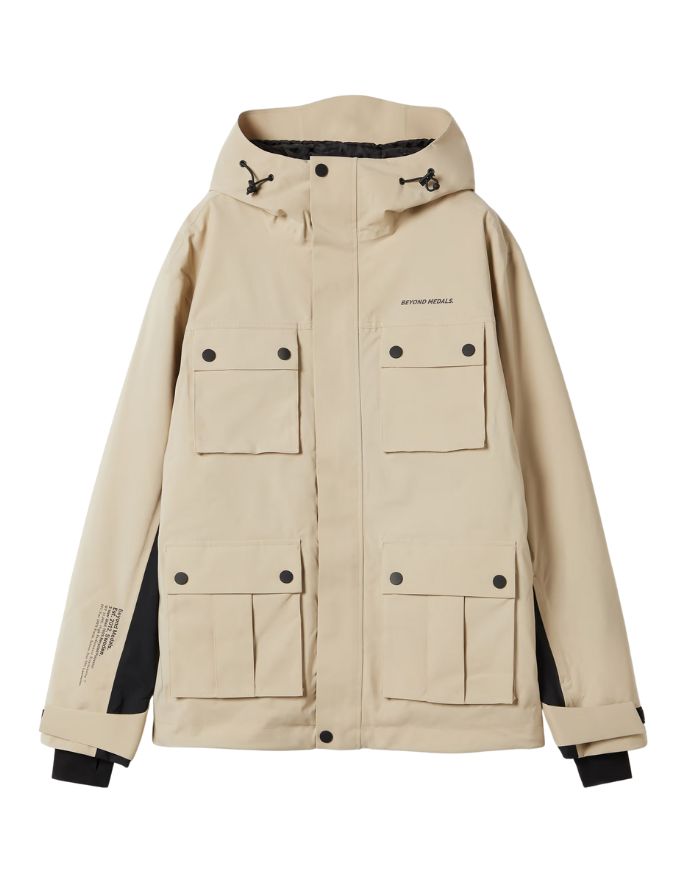
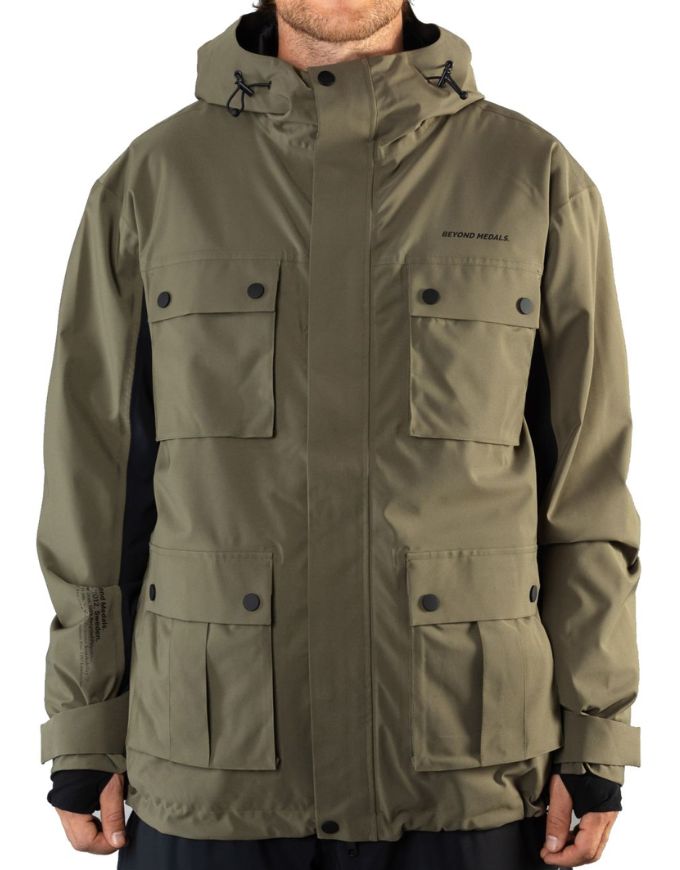
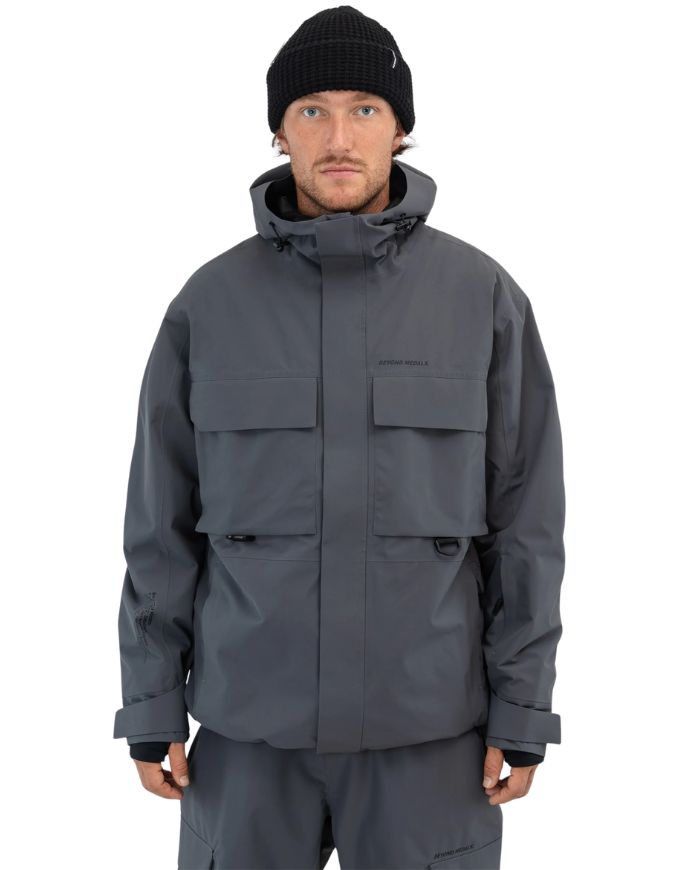
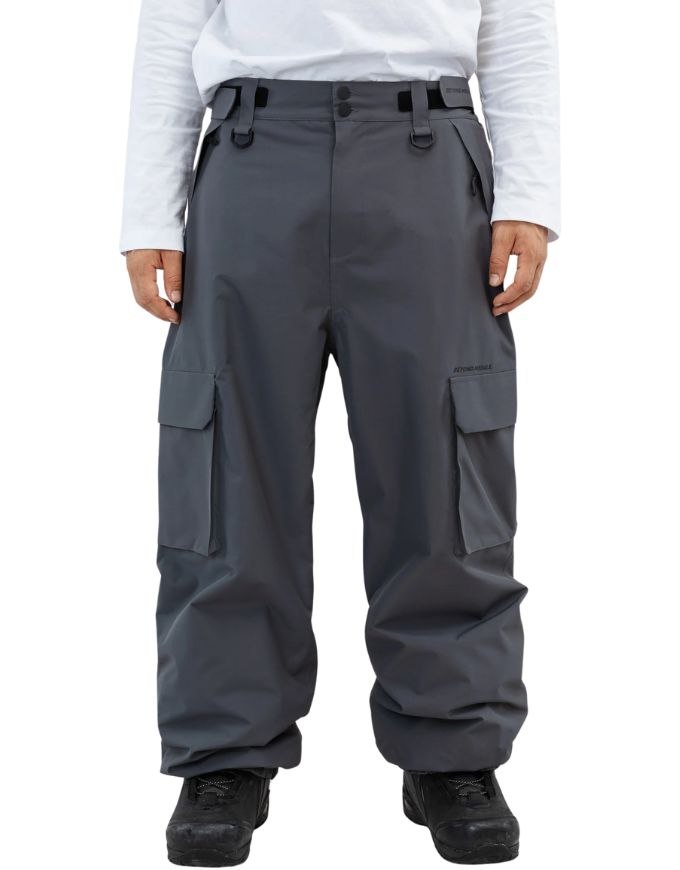
A proper membrane, which in practice means Gore-Tex or equivalent rather than a coated shell.
Australian riding is often short days in variable weather. A two-week Japan trip is the opposite: consecutive full days in constant snowfall, riding trees, getting buried repeatedly. Gear that copes fine at home wets out by day four, and there's nothing worse than pulling on a damp jacket at 7am.
- A real membrane. A 20k waterproof rating or a Gore-Tex jacket. Cheap coatings degrade fast under sustained wet snow.
- Taped seams and a powder skirt. Deep days mean snow finds every gap.
- Layering, not bulk. Merino base plus a mid layer beats one thick jacket and packs smaller.
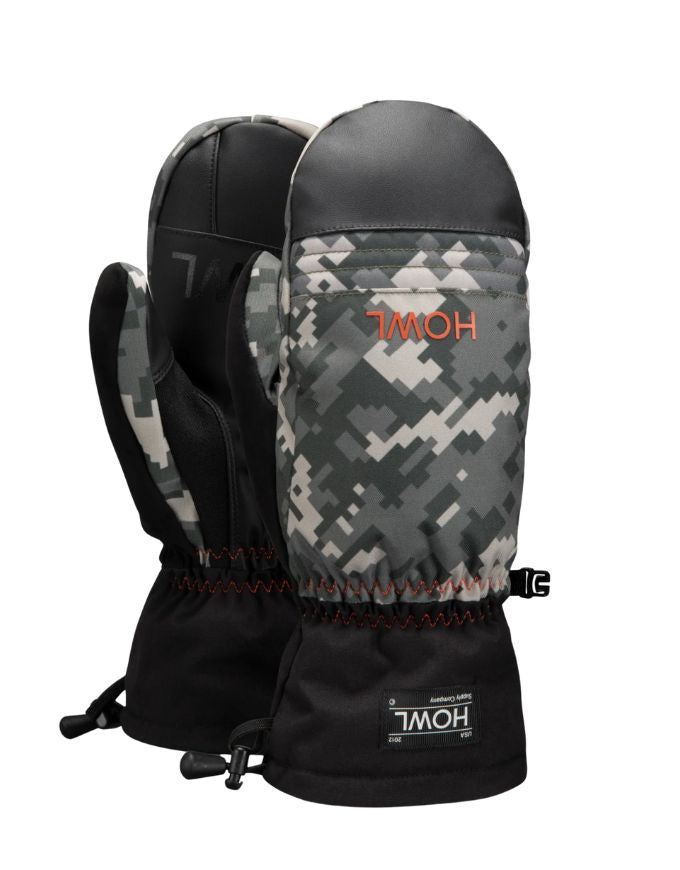
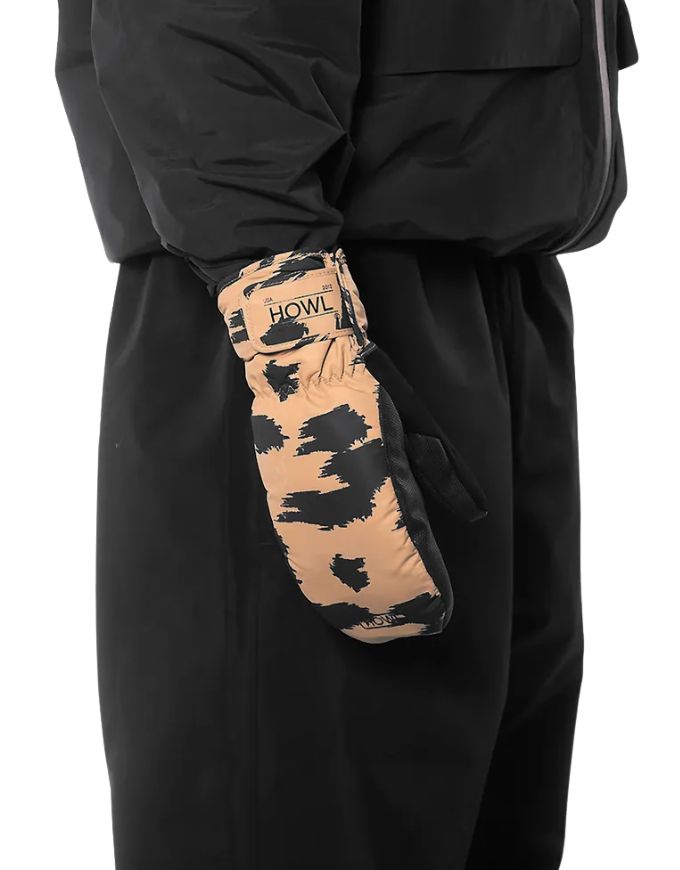
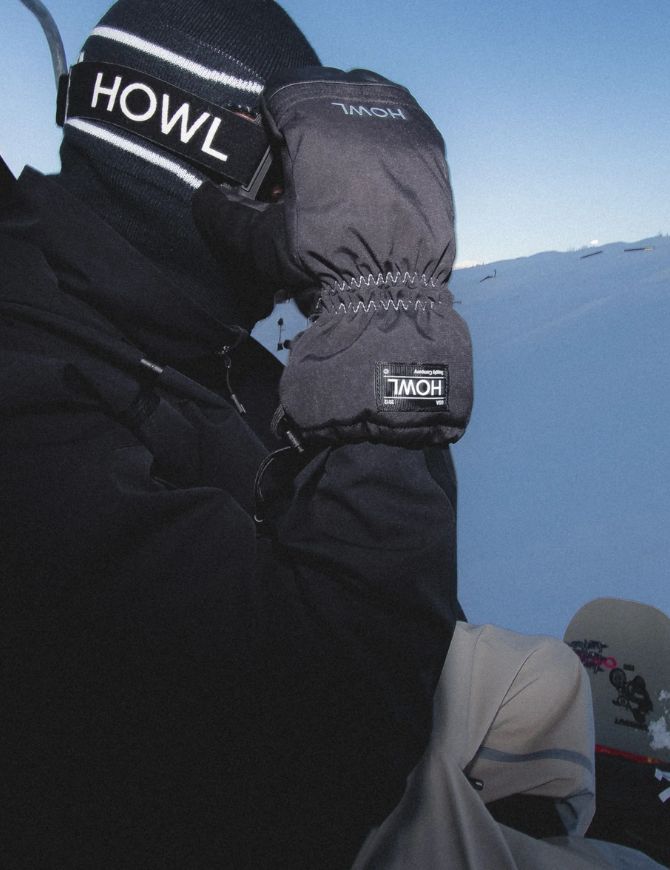
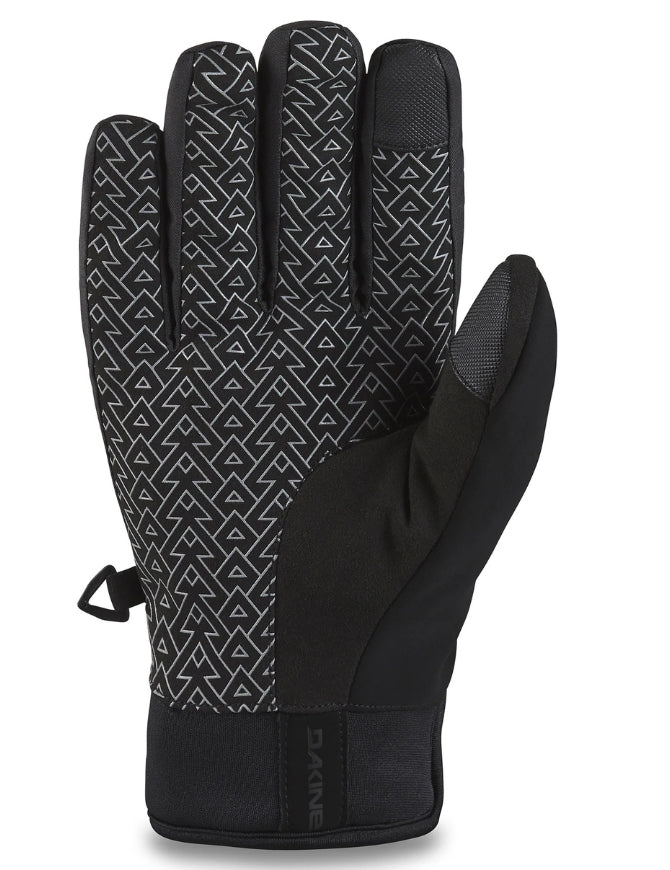
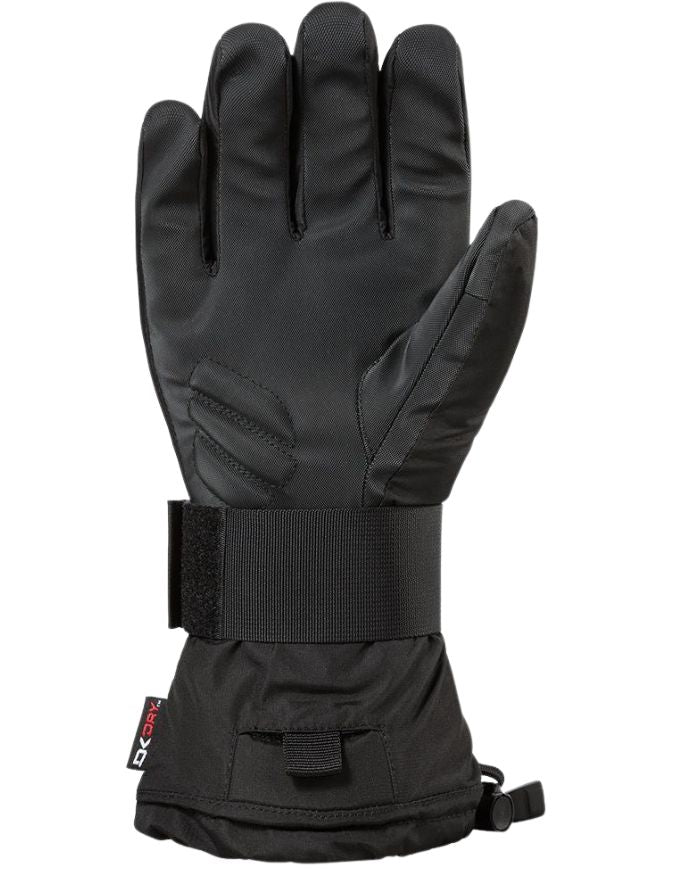
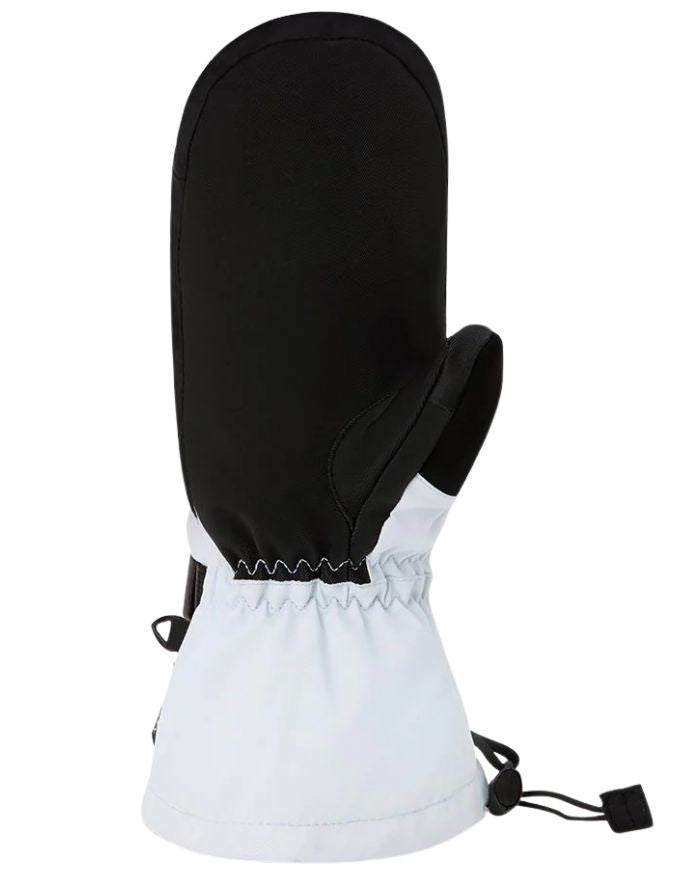
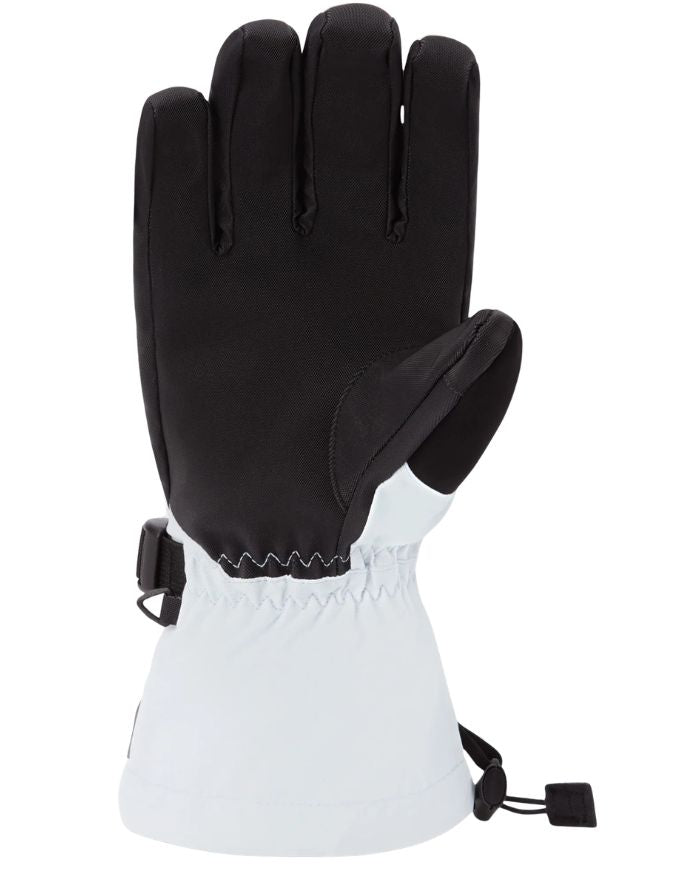
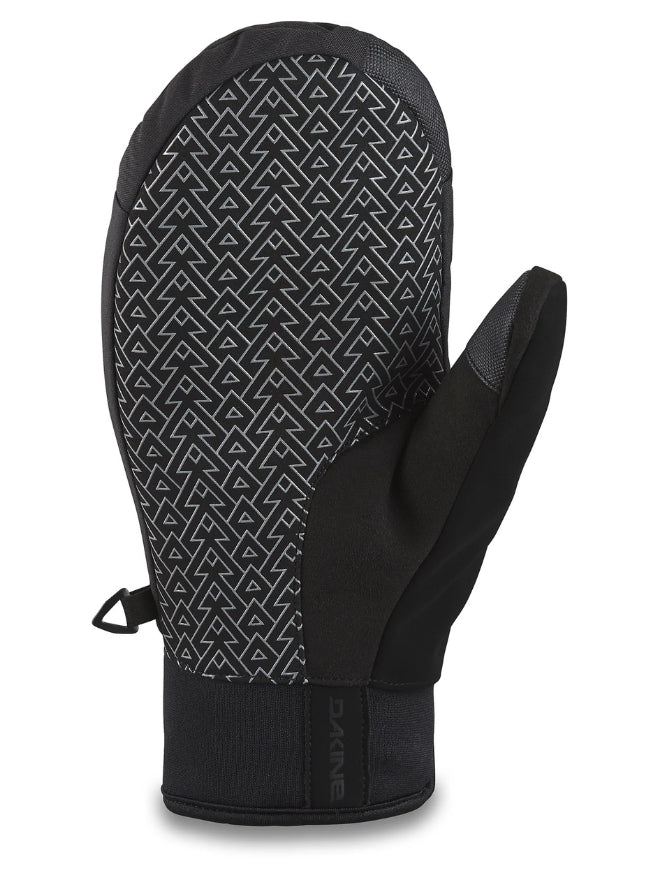
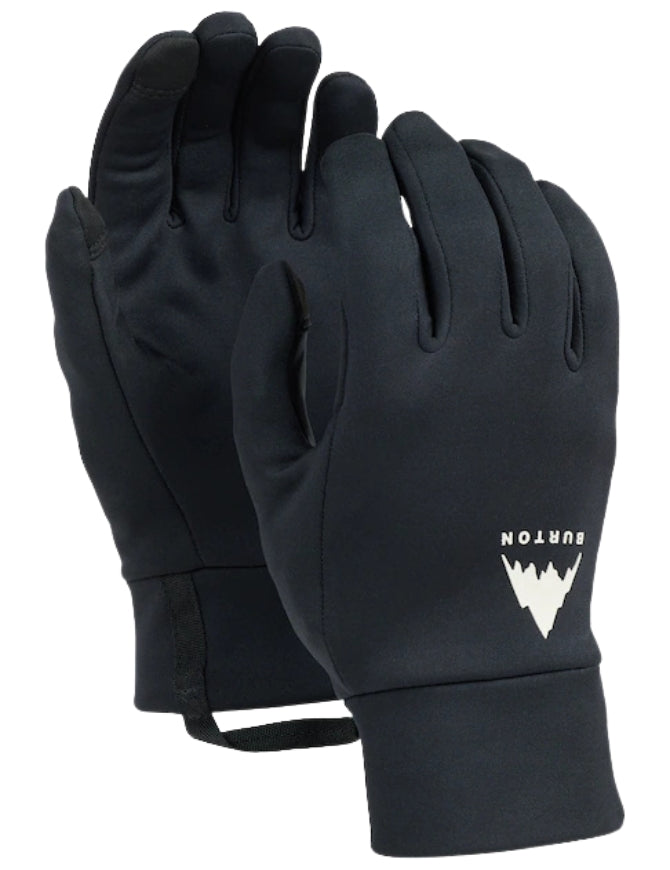
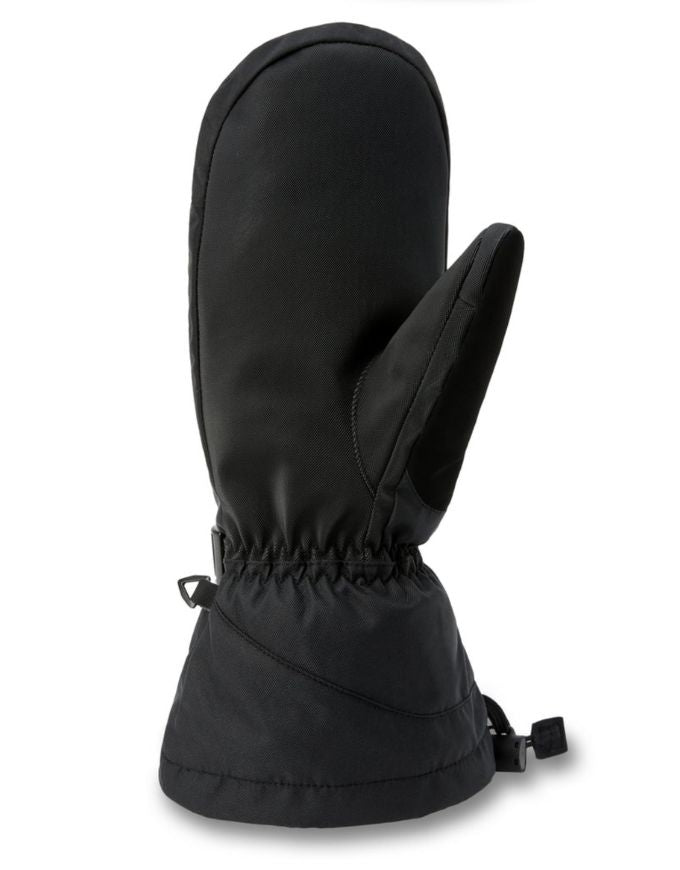
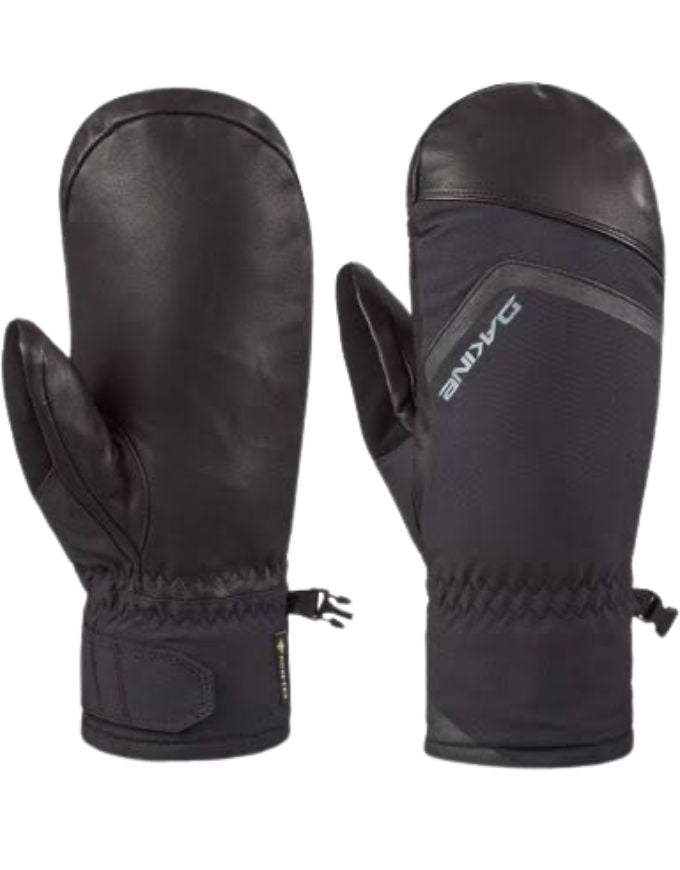
- Spare gloves. The single most common thing riders wish they'd brought. Wet gloves don't dry overnight in a Japanese apartment.
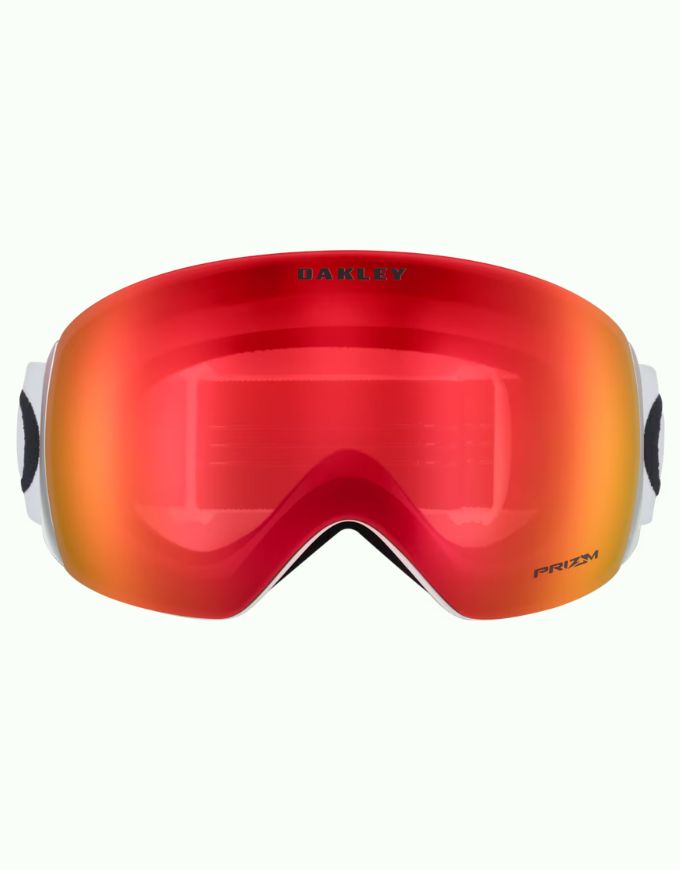
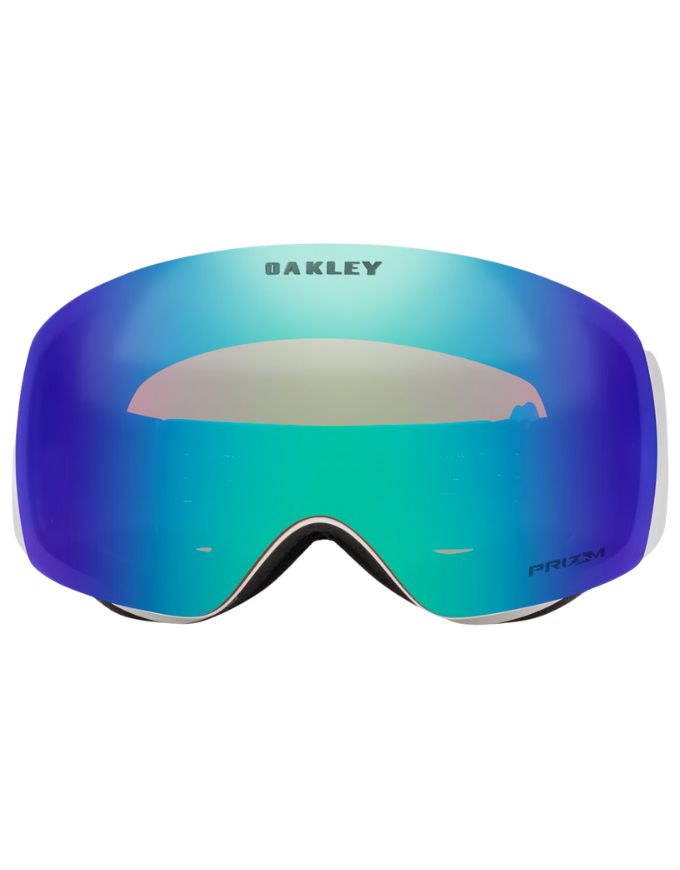
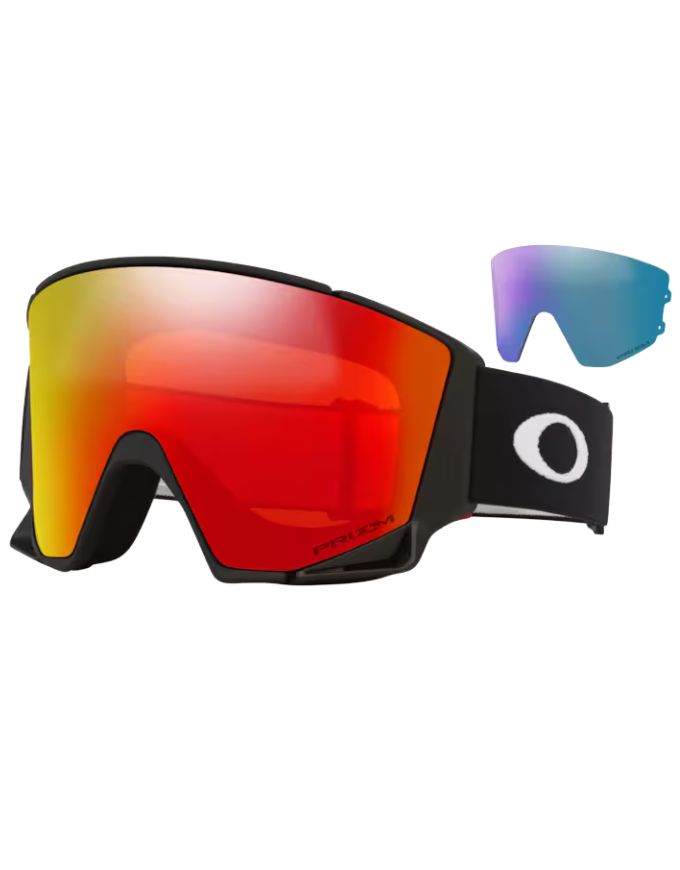
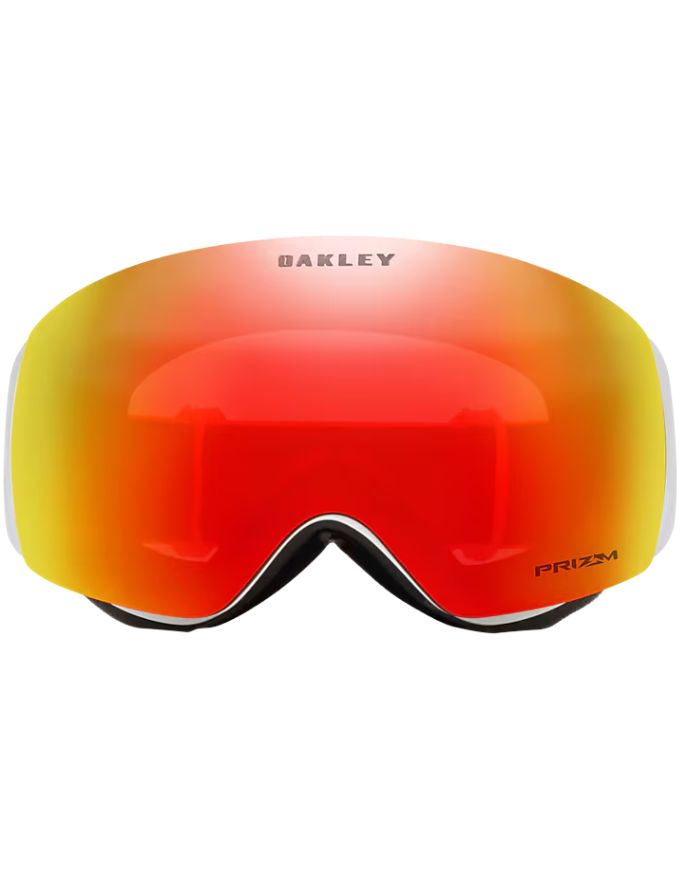
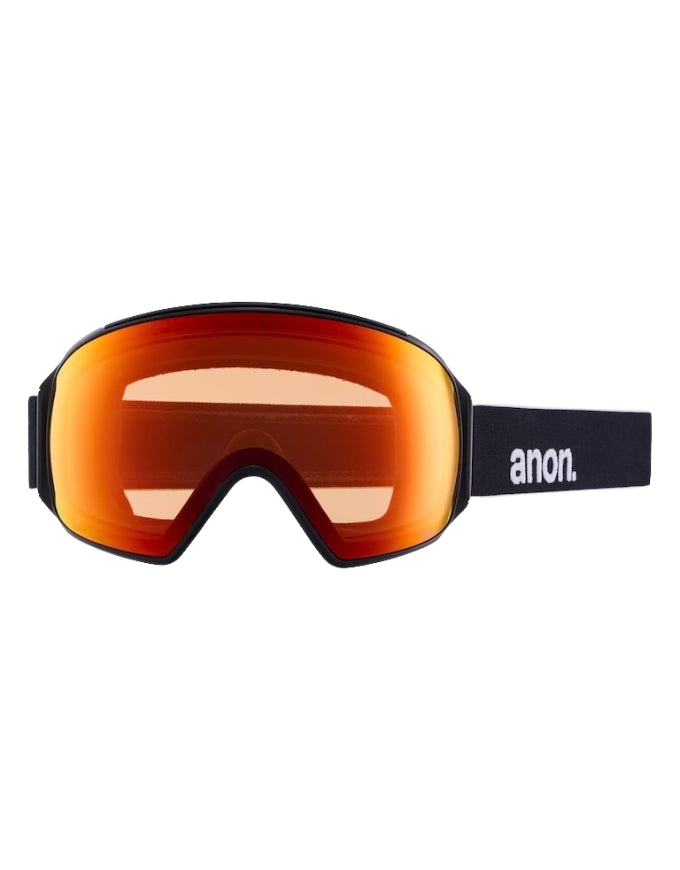
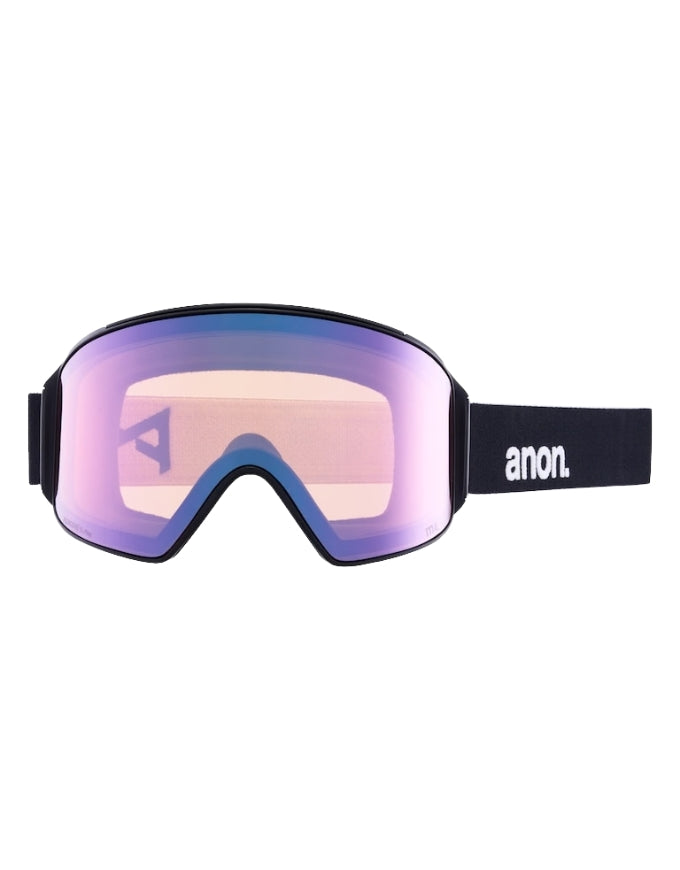
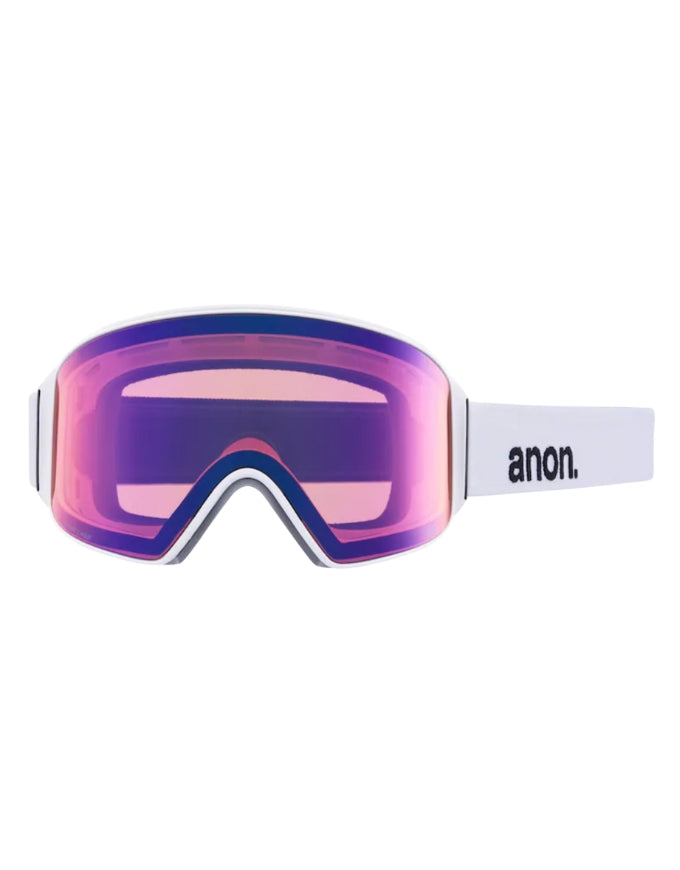
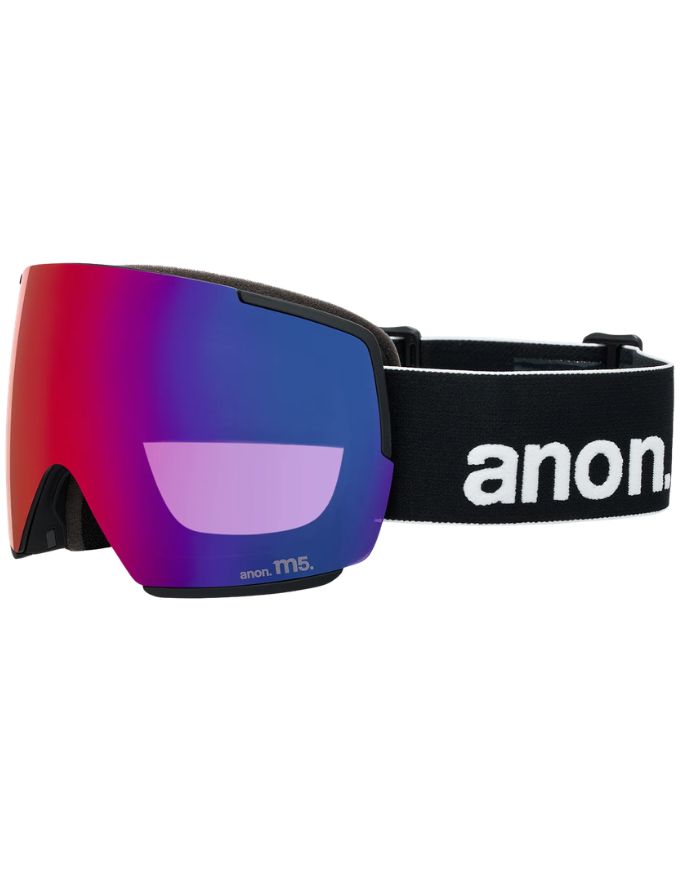
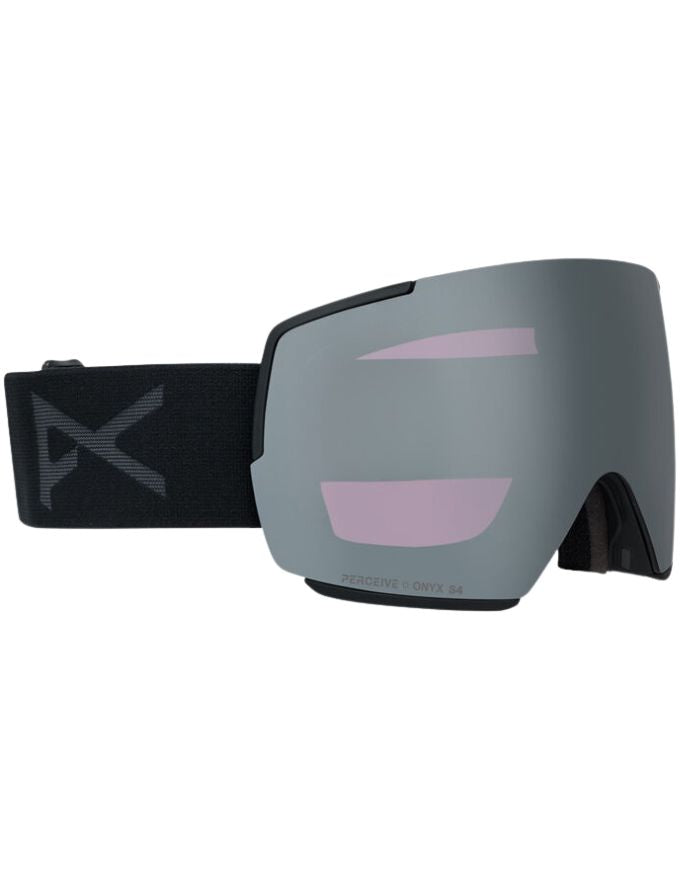
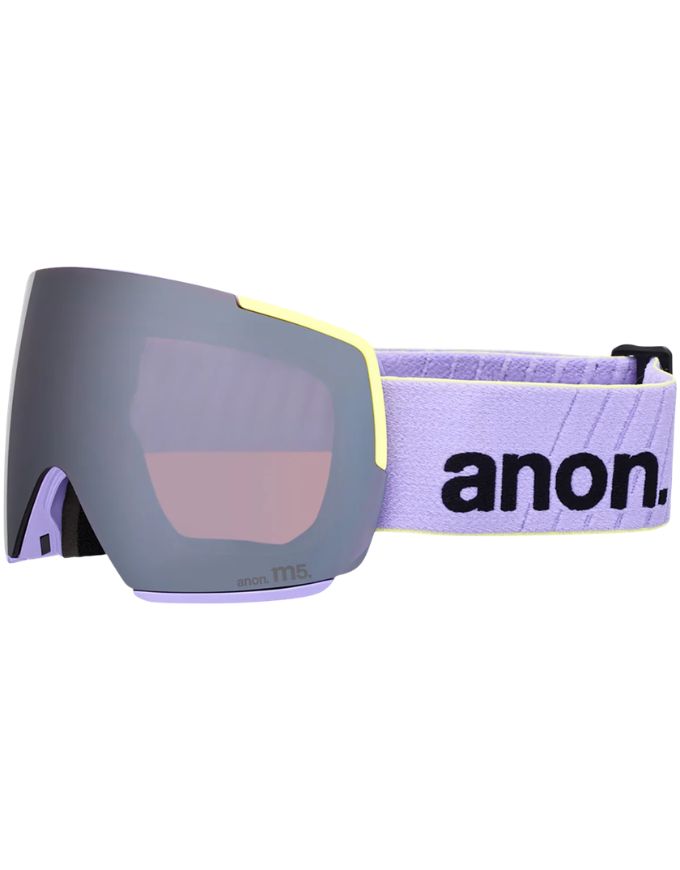
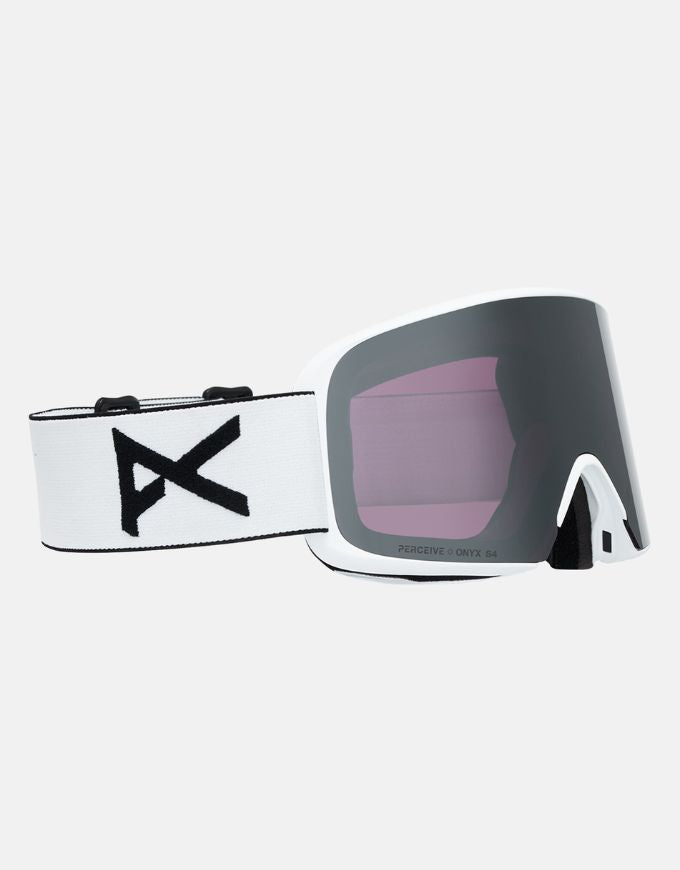
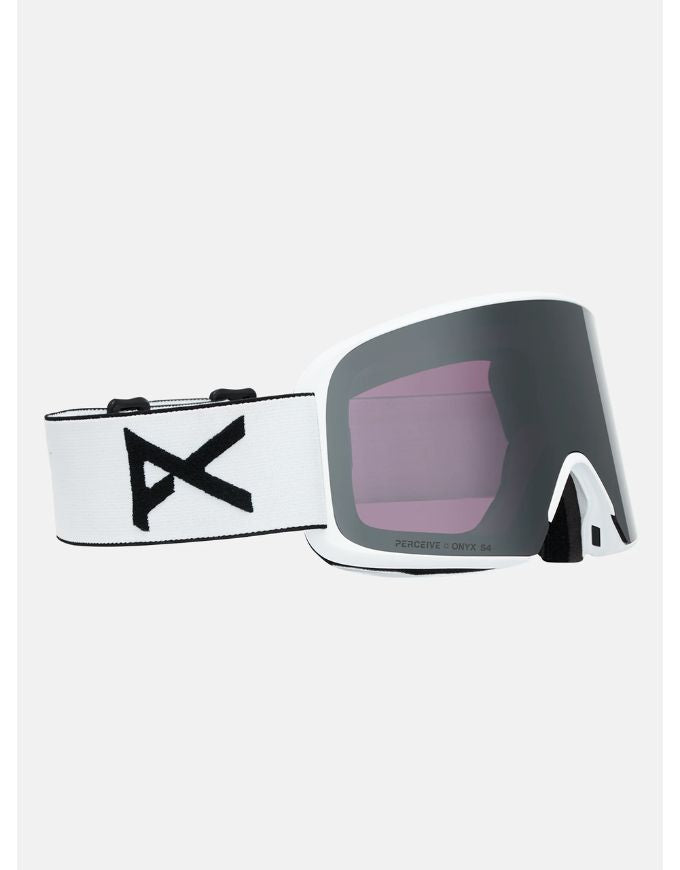
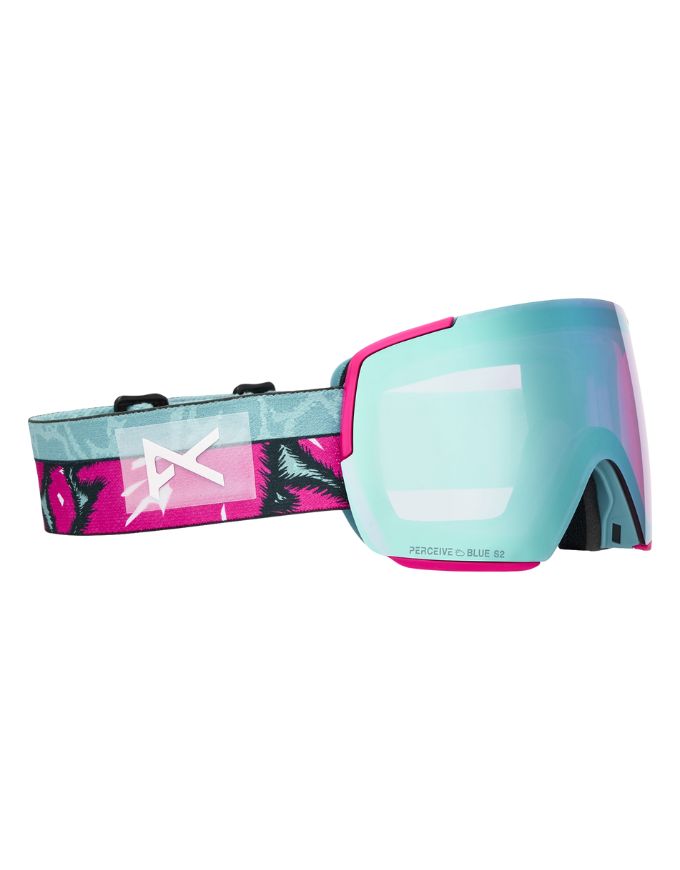
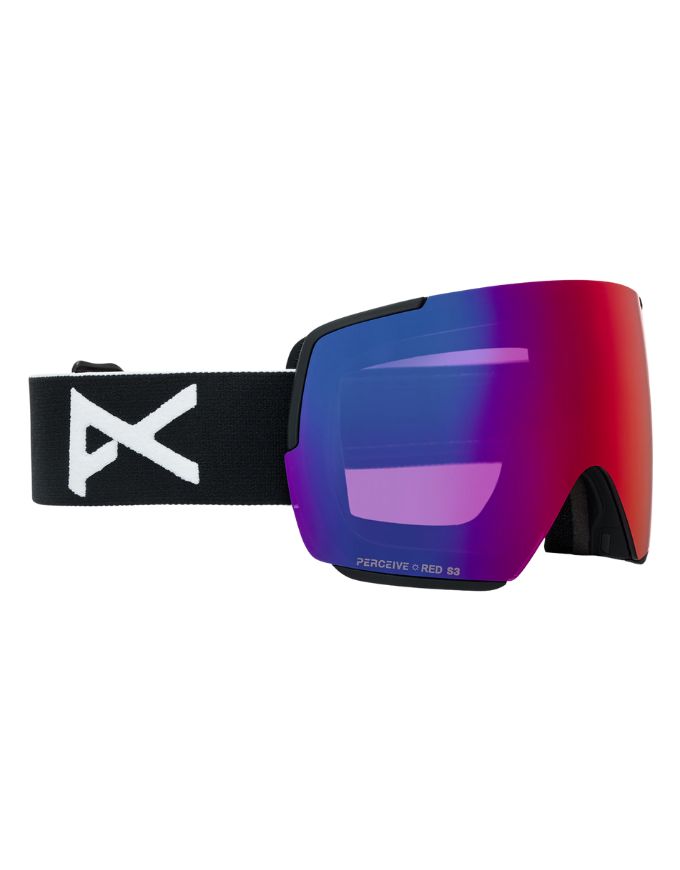
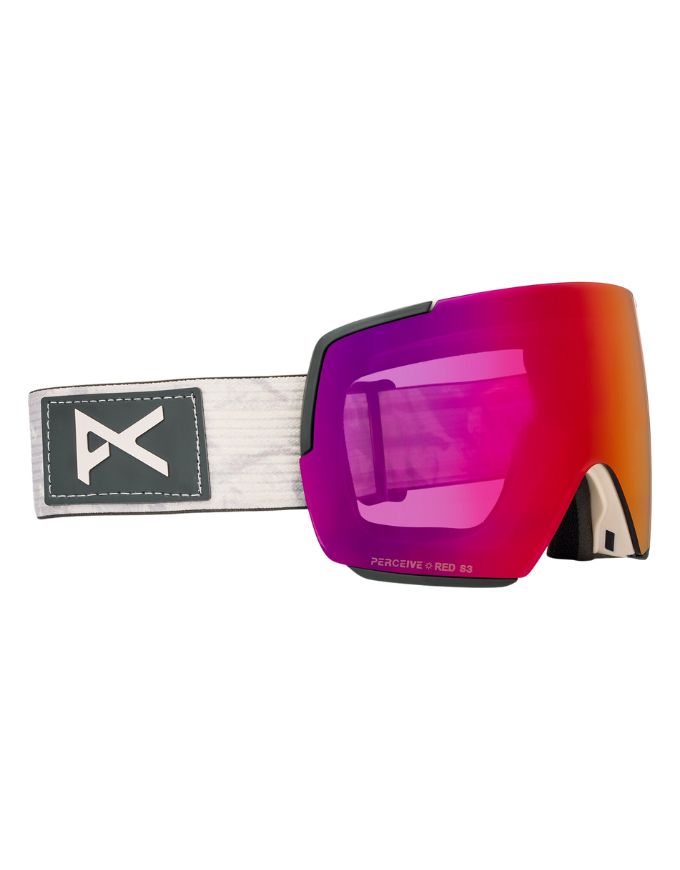
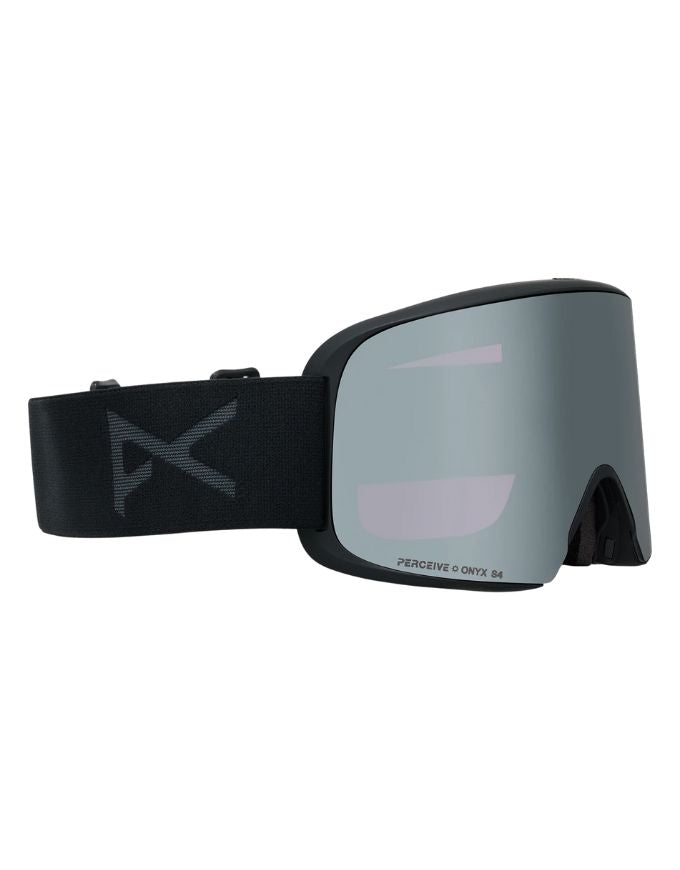
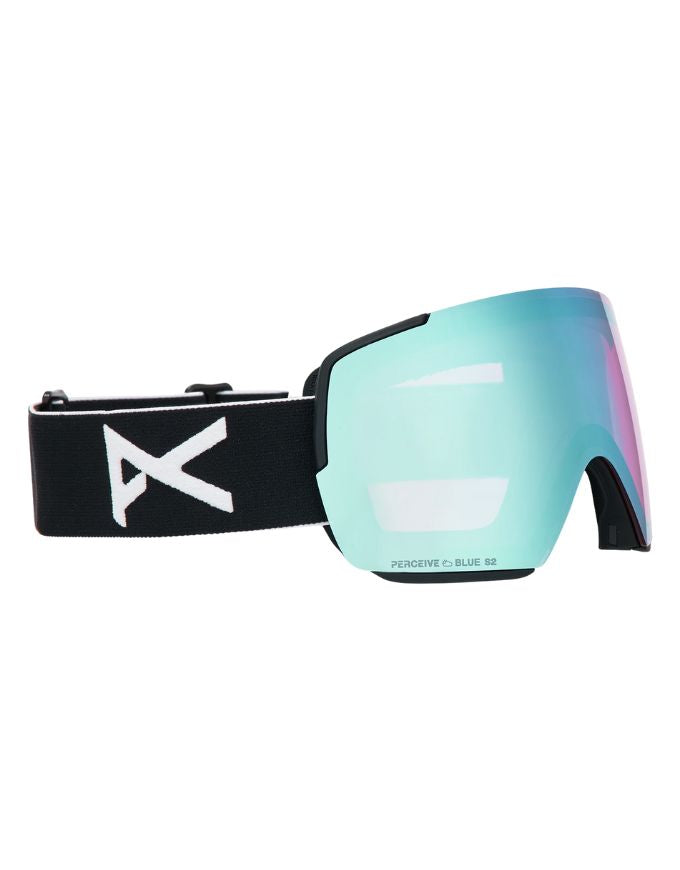
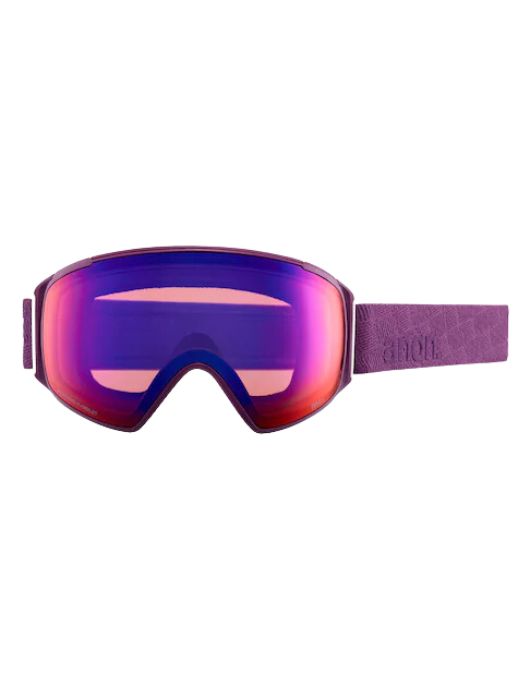
- Goggles with a low-light lens. Storm days and tree runs mean flat light most of the trip. A dark lens is useless.
When is the best time to buy gear for an overseas trip?
There are two good windows and they suit different people.
Right now, for end of season deals
Our season's winding down, which means everything still on the floor is at end of season pricing. If you know what you want and your size is there, this is the cheapest it gets.
The catch is size runs. By this point in the year the popular lengths and the middle sizes go first, so what's left is what's left. If you find your size, take it.
Late September, when the new gear lands
The new range starts arriving from late September, and for a lot of people that's the better window.
Full size runs, first pick of the new outerwear, and everything is fresh for a December or January trip. You get the current tech rather than last season's, and you're not hunting through what's left of a clearance rack. If your trip is over Christmas, buying in late September gives you months to sort boots and fit properly rather than doing it in a panic in November.
Our advice: if you're chasing a bargain and your size is on the floor now, buy now. If you want the right thing rather than the available thing, wait for late September and come see us then.
Either way, do it before November. Everyone else leaves it late and the good sizes go.
Why buy from us rather than online
We don't carry everything and that's deliberate. We carry the brands we ride and the shapes that actually work, which means when you walk in you're choosing between four good options rather than forty.
Most of the team has ridden at least one of these destinations. Boot fitting is done properly and in person, which matters more than any board choice you'll make. And if something goes wrong on the trip, you've got a shop in Richmond that knows you rather than a returns portal.

When should I book?
Now, for anything over Christmas and January. Flights on the routes Australians use fill months ahead. It's the most common mistake we hear about.
July and August is when early bird packages appear. Accommodation, lift passes and transfers bundled together is where the real savings sit.
Buy lift passes in advance. Walk-up in-season pricing is consistently the worst price available.
Consider March. Demand drops, prices come back to reasonable, and it still snows.
Which one is right for you?
| If you… | Go to |
|---|---|
| Are heading overseas for the first time | Japan |
| Have one week of leave | Japan |
| Want the deepest, most reliable snow | Japan (Myoko) |
| Are bringing people who don't ride | Japan |
| Want big terrain and simple travel | Canada |
| Have done Whistler and want the real thing | Canada (Revelstoke) |
| Ride a lot at home | Canada (Epic pass maths) |
| Have two weeks or more | Europe |
| Want the trip you'll talk about forever | Europe (Three Valleys) |
| Can't wait until December | New Zealand |
Frequently asked questions
Where should I go snowboarding overseas from Australia? Japan for your first trip and for the best value. Canada for the biggest terrain and simplest travel. Europe if you have two weeks or more. Within those, we ride Myoko in Japan, Revelstoke in Canada and the Three Valleys in France.
Is Myoko better than Niseko? Different rather than better. Niseko has more English, more nightlife and easier logistics. Myoko is a real Japanese town with five mountains around it, a pass linking seven resorts, and far fewer people. We prefer Myoko.
Is it cheaper to snowboard in Japan than in Australia? Usually yes, once you stay more than a few days. A five-day Niseko lift ticket is around $559 against roughly $1,097 at Perisher, and a full week from Sydney including flights comes in near $5,657 against about $7,494 for a Perisher week.
Is Revelstoke worth it over Whistler? Whistler is bigger and easier to reach. Revelstoke has the biggest vertical in North America, a 15.2km top-to-bottom run, five lifts and almost no queues. Do Whistler once, then go to Revelstoke.
What is the Epic Australia Pass and is it worth it? Around AU$1,045, it covers unlimited Perisher, Falls Creek and Hotham in the Australian winter plus ten days at Whistler Blackcomb, Vail and Beaver Creek, with extra access at Fernie, Kicking Horse, Hakuba Valley and Rusutsu. If you ride at home and travel overseas in the same twelve months, it usually pays for itself.
What snowboard should I take to Japan? A powder board or volume-shifted directional. Shorter and wider than your usual board, to maximise float. Your regular all-mountain board will work but you'll fight the nose in deep snow.
Do I need Gore-Tex to snowboard in Japan? For a Japan trip, yes or the equivalent. Consecutive full days of snowfall wet out cheaper coated shells within about four days.
When is the best time to buy gear for an overseas trip? Two windows. Now, for end of season pricing on what's left, if your size is available. Or late September, when the new range lands with full size runs and months to get boots fitted properly before a December or January trip.
How far in advance should I book? For Christmas and January travel, several months. Early bird packages typically appear in July and August.
Is Europe worth it for a one week trip? No. The travel time eats too much of a short trip. Europe makes sense at two weeks or more. For one week, go to Japan.
Get inspired, then get it booked
Reading about it is one thing. Actually going is another, and what stops most people is the planning.
That's what Mint Tours are for. They've been our travel partners for close to twenty years, we were customers before we were partners, and for a while they operated out of our Richmond store. They started in Queenstown and now run guided trips through Japan, Canada, Europe, New Zealand and Chile.
Tell them the kind of trip you want and they'll build it around you. Even if you're only daydreaming at this stage, a conversation with them is the fastest way to work out what's actually possible on your dates and your budget.
And come and see us for the gear
Booking the trip is the easy part. Turning up with the wrong kit is what ruins it.
We specialise in kitting Australian riders out for overseas trips, and that's a very different job to selling someone a setup for a season at Buller. Different snow, different board, different jacket.
Come into Richmond and we'll go through it with you. Most of the team has ridden at least one of these places and we'll tell you what we actually thought, including the parts the brochures leave out.
Bring your board in before you go and we'll get it waxed and tuned. Losing the first day of an expensive trip to a dry base is a rough way to start.



































![Burton [ak] Tusk GORE‑TEX Pro 3L Men's Jacket 2025 | Golden Rod](http://twelveboardstore.com.au/cdn/shop/files/burtontuskgr.jpg?v=1729317633&width={width})
![Burton [ak] Tusk GORE‑TEX Pro 3L Men's Jacket 2025 | Golden Rod](http://twelveboardstore.com.au/cdn/shop/files/y2.jpg?v=1729478088&width={width})

![Burton [ak] Cyclic GORE-TEX 2L Men's Jacket 2026 | Gray Cloud](http://twelveboardstore.com.au/cdn/shop/files/K2-Boundary-2025--Mens-Snowboard-Boots-Australia1-800---1-800---2025-10-02T130019-767.jpg?v=1759738990&width={width})
![Burton [ak] Cyclic GORE-TEX 2L Men's Jacket 2026 | Gray Cloud](http://twelveboardstore.com.au/cdn/shop/files/1_a3d329fc-e1b8-4f8e-83e2-1b30fa9b261e.jpg?v=1759739123&width={width})
![Burton [ak] GORE-TEX Embark 2L Women's Jacket 2025 | Oversized Zebra](http://twelveboardstore.com.au/cdn/shop/files/ez-1.jpg?v=1729504282&width={width})
![Burton [ak] GORE-TEX Embark 2L Women's Jacket 2025 | Oversized Zebra](http://twelveboardstore.com.au/cdn/shop/files/ez_4.jpg?v=1729504320&width={width})
![Burton [ak] Cyclic GORE-TEX 2L Men's Jacket 2026 |Chestnut Brown / Blue Teal](http://twelveboardstore.com.au/cdn/shop/files/K2-Boundary-2025--Mens-Snowboard-Boots-Australia1-800---1-800---2025-10-02T124950-120.jpg?v=1759739006&width={width})
![Burton [ak] Cyclic GORE-TEX 2L Men's Jacket 2026 |Chestnut Brown / Blue Teal](http://twelveboardstore.com.au/cdn/shop/files/1_01aa1dfd-0fac-4a94-9142-64b22385ead8.jpg?v=1759739547&width={width})
![Burton [ak] Cyclic GORE-TEX 2L Men's Jacket 2026 | Jake Blue / True Black](http://twelveboardstore.com.au/cdn/shop/files/680x870_Web_Image_Template-7.jpg?v=1773188489&width={width})
![Burton [ak] Cyclic GORE-TEX 2L Men's Jacket 2026 | Jake Blue / True Black](http://twelveboardstore.com.au/cdn/shop/files/1_a23709b4-f16f-4887-ad94-bf3faab55882.jpg?v=1773188489&width={width})

![Burton [ak] Kimmy GORE-TEX 3L Women's Jacket 2026 | True Black](http://twelveboardstore.com.au/cdn/shop/files/K2-Boundary-2025--Mens-Snowboard-Boots-Australia1-800---1-800---2025-10-02T145359-409.jpg?v=1759823647&width={width})
![Burton [ak] Kimmy GORE-TEX 3L Women's Jacket 2026 | True Black](http://twelveboardstore.com.au/cdn/shop/files/1_7f4d504d-a3be-4a68-a917-f78250123216.jpg?v=1759823683&width={width})
![Burton [ak] Acamar GORE-TEX Pro 3L Men's Jacket 2026 | Blue Teal](http://twelveboardstore.com.au/cdn/shop/files/K2-Boundary-2025--Mens-Snowboard-Boots-Australia1-800---1-800---2025-10-02T121825-120.jpg?v=1759738578&width={width})
![Burton [ak] Acamar GORE-TEX Pro 3L Men's Jacket 2026 | Blue Teal](http://twelveboardstore.com.au/cdn/shop/files/1_388e5b09-32a1-45a7-ac26-af92cd875cc4.jpg?v=1759738735&width={width})
![Burton [ak] Embark GORE-TEX 2L Women's Jacket 2026 | True Black](http://twelveboardstore.com.au/cdn/shop/files/K2-Boundary-2025--Mens-Snowboard-Boots-Australia1-800---1-800---2025-10-02T142823-171.jpg?v=1759741904&width={width})
![Burton [ak] Embark GORE-TEX 2L Women's Jacket 2026 | True Black](http://twelveboardstore.com.au/cdn/shop/files/1_27b36387-91b6-4488-bea8-8f2f566e170f.jpg?v=1759742197&width={width})
![Burton [ak] Hover GORE‑TEX C-KNIT 3L Stretch Men's Jacket 2026 | Gray Cloud](http://twelveboardstore.com.au/cdn/shop/files/K2-Boundary-2025--Mens-Snowboard-Boots-Australia1-800---1-800---2025-10-02T131712-191.jpg?v=1759739889&width={width})
![Burton [ak] Hover GORE‑TEX C-KNIT 3L Stretch Men's Jacket 2026 | Gray Cloud](http://twelveboardstore.com.au/cdn/shop/files/1_5977f3e0-1f18-454e-acde-b38972bed64a.jpg?v=1759740000&width={width})


![Burton [ak] Kimmy GORE-TEX 3L Women's Jacket 2026 | Soft Sage](http://twelveboardstore.com.au/cdn/shop/files/K2-Boundary-2025--Mens-Snowboard-Boots-Australia1-800---1-800---2025-10-02T145717-361.jpg?v=1759823644&width={width})
![Burton [ak] Kimmy GORE-TEX 3L Women's Jacket 2026 | Soft Sage](http://twelveboardstore.com.au/cdn/shop/files/1_98b8a184-5c63-4ea7-9bdb-993d41ae04cd.jpg?v=1759823814&width={width})
![Womens Burton [ak] GORE-TEX Embark 2L Jacket 2026 | Blue Teal / Chestnut Brown](http://twelveboardstore.com.au/cdn/shop/files/K2-Boundary-2025--Mens-Snowboard-Boots-Australia1-800---1-800---2025-10-02T144708-876.jpg?v=1759741896&width={width})
![Womens Burton [ak] GORE-TEX Embark 2L Jacket 2026 | Blue Teal / Chestnut Brown](http://twelveboardstore.com.au/cdn/shop/files/1_fe72fd3c-4b48-47a9-a120-741721323f6b.jpg?v=1759823450&width={width})
![Burton [ak] Helitack GORE-TEX Men's Jacket 2026 | True Black](http://twelveboardstore.com.au/cdn/shop/files/K2-Boundary-2025--Mens-Snowboard-Boots-Australia1-800---1-800---2025-10-02T135744-292.jpg?v=1759740766&width={width})
![Burton [ak] Helitack GORE-TEX Men's Jacket 2026 | True Black](http://twelveboardstore.com.au/cdn/shop/files/1_572b10cc-b982-4982-ada6-8c8c6f39c87c.jpg?v=1759741059&width={width})
![Burton [ak] GORE-TEX Helitack Men's Jacket 2026 | Jake Blue](http://twelveboardstore.com.au/cdn/shop/files/K2-Boundary-2025--Mens-Snowboard-Boots-Australia1-800---1-800---2025-10-02T135909-567.jpg?v=1759740763&width={width})
![Burton [ak] GORE-TEX Helitack Men's Jacket 2026 | Jake Blue](http://twelveboardstore.com.au/cdn/shop/files/1_542138ed-14f4-4b80-881f-e079c4218307.jpg?v=1759740946&width={width})
![Burton Women's [ak] Tuvak GORE-TEX C-Knit 3L Jacket 2025 | Oversized Zebra/ Jake Blue](http://twelveboardstore.com.au/cdn/shop/files/Oversized-Zebra-Jake-Blue-Womens.jpg?v=1737780697&width={width})
![Burton Women's [ak] Tuvak GORE-TEX C-Knit 3L Jacket 2025 | Oversized Zebra/ Jake Blue](http://twelveboardstore.com.au/cdn/shop/files/Oversized-Zebra-Jake-Blue-Womens-1.jpg?v=1738381239&width={width})








































































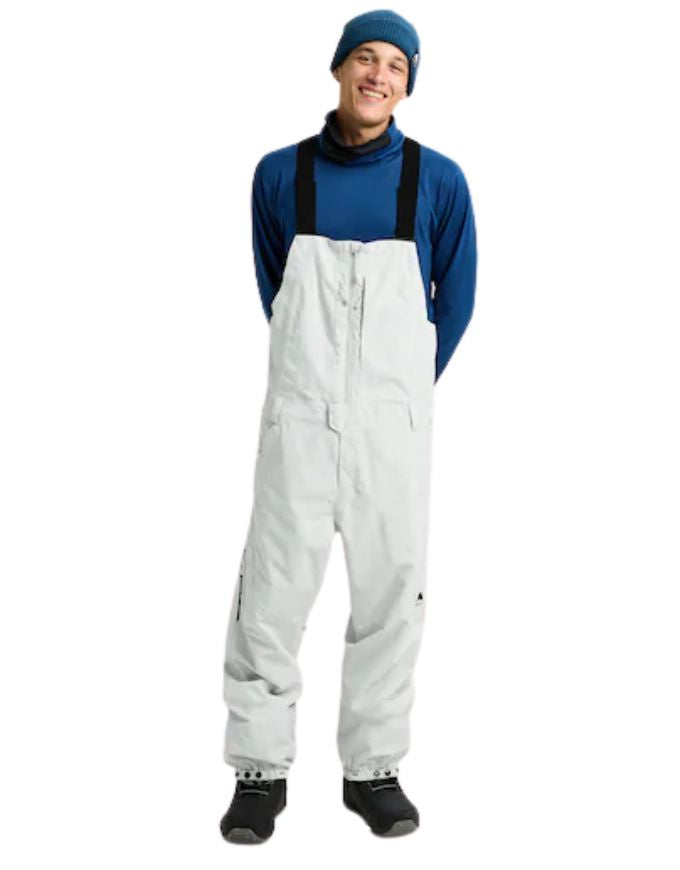
![Burton [ak] Acamar GORE-TEX 3L Men's Bib Pant 2026 | True Black](http://twelveboardstore.com.au/cdn/shop/files/K2-Boundary-2025--Mens-Snowboard-Boots-Australia1-800---1-800---2025-10-04T153403-401.jpg?v=1759735236&width={width})
![Burton [ak] Acamar GORE-TEX 3L Men's Bib Pant 2026 | True Black](http://twelveboardstore.com.au/cdn/shop/files/1_fe150a4b-af4b-431a-b8c4-43a423db08eb.jpg?v=1759736029&width={width})
![Burton [ak] Acamar GORE-TEX 3L Men's Bib Pant 2026 | Blue Teal](http://twelveboardstore.com.au/cdn/shop/files/K2-Boundary-2025--Mens-Snowboard-Boots-Australia1-800---1-800---2025-10-01T160329-246.jpg?v=1759735279&width={width})
![Burton [ak] Acamar GORE-TEX 3L Men's Bib Pant 2026 | Blue Teal](http://twelveboardstore.com.au/cdn/shop/files/3_ed4ed6a6-effe-445a-9108-4b6aa2cfc965.jpg?v=1759735994&width={width})






























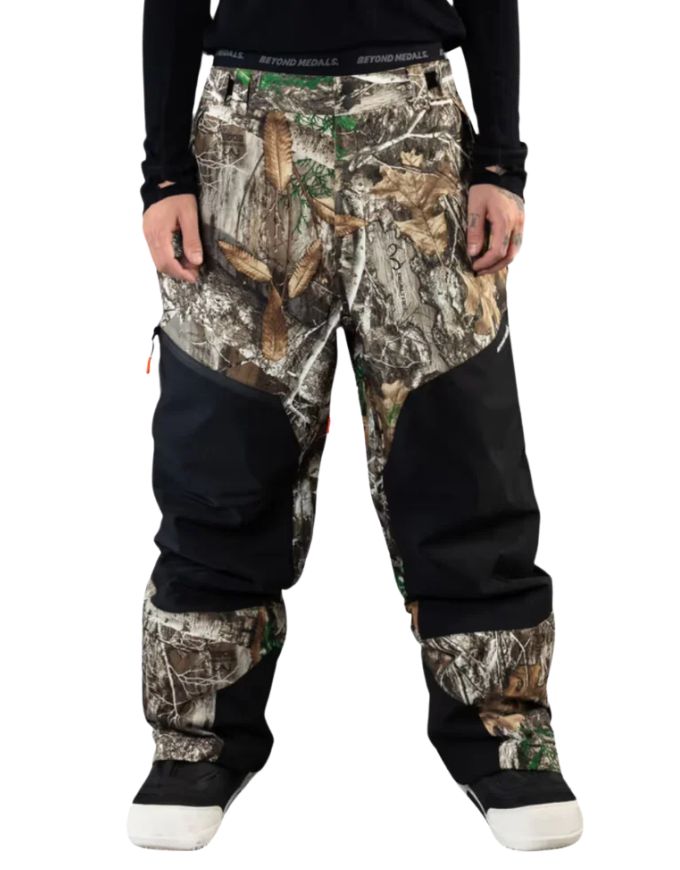

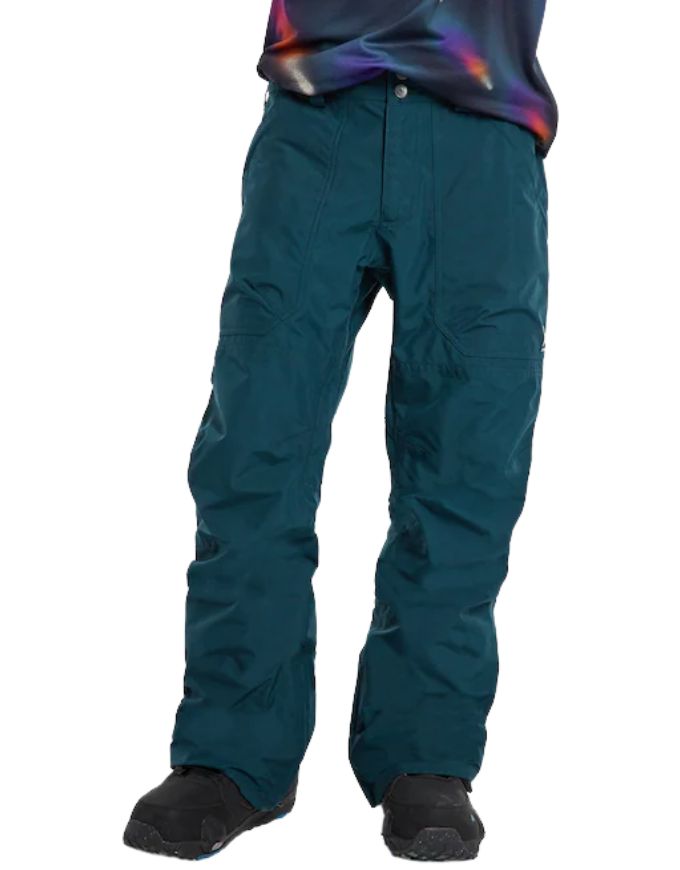
![Burton Men's [ak] Tuvak GORE‑TEX C-Knit 3L Pant 2025 | Petrol Green/ True Black](http://twelveboardstore.com.au/cdn/shop/files/Petrol-Green--True-Black.jpg?v=1737780700&width={width})
![Burton Men's [ak] Tuvak GORE‑TEX C-Knit 3L Pant 2025 | Petrol Green/ True Black](http://twelveboardstore.com.au/cdn/shop/files/Petrol-Green--True-Black-1.jpg?v=1738381112&width={width})
![Burton Men's [ak]® Helium Grid Half-Zip Fleece 2026 | Gray Cloud](http://twelveboardstore.com.au/cdn/shop/files/110.jpg?v=1773197397&width={width})
![Burton Men's [ak]® Helium Grid Half-Zip Fleece 2026 | Gray Cloud](http://twelveboardstore.com.au/cdn/shop/files/111.jpg?v=1773197397&width={width})

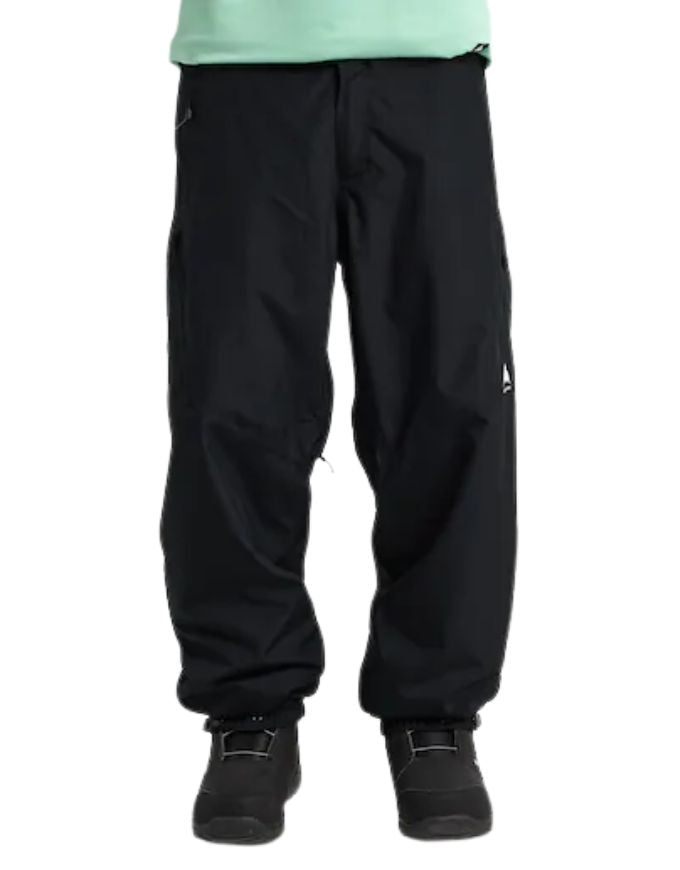


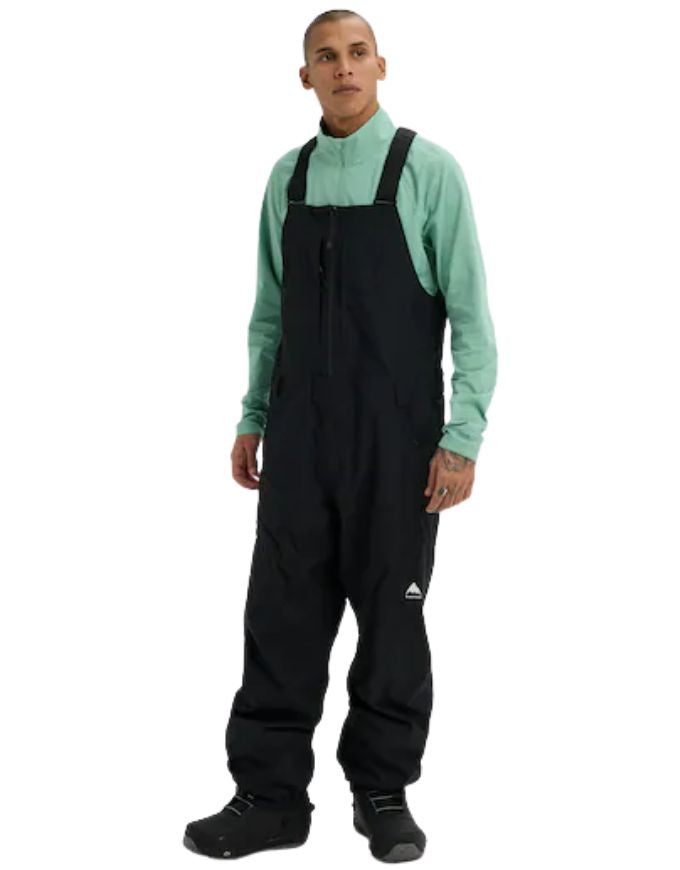

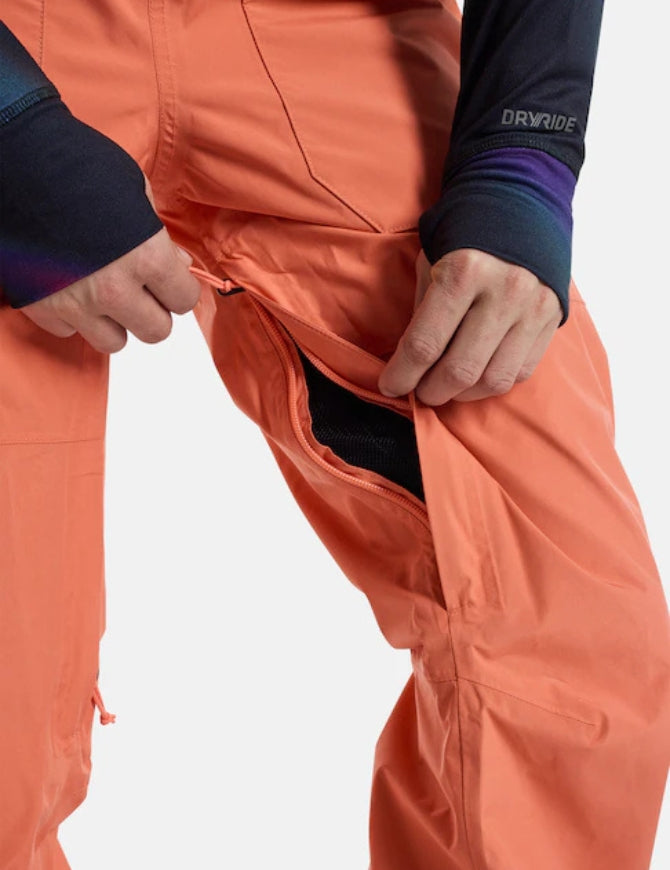

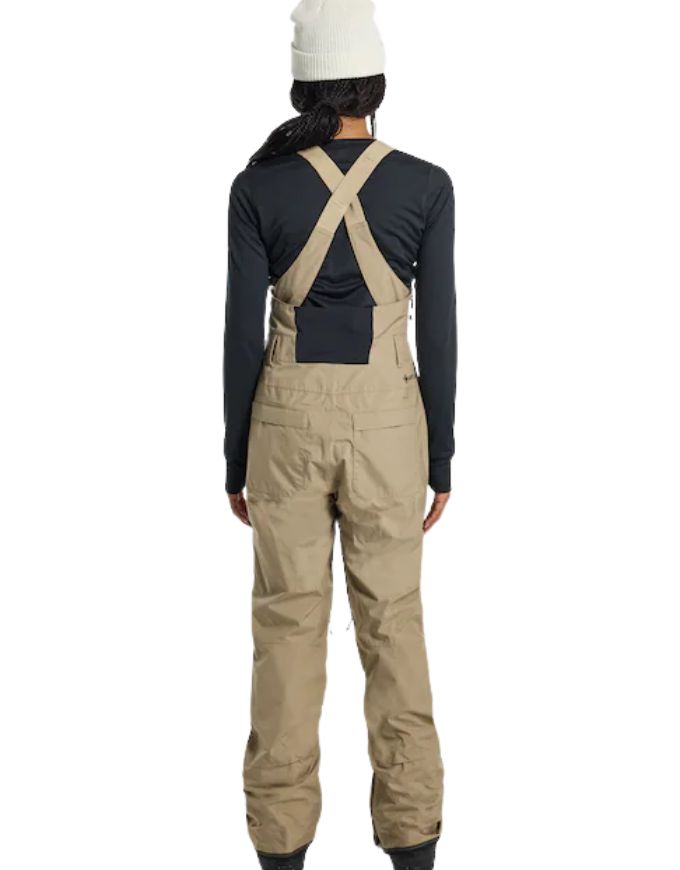

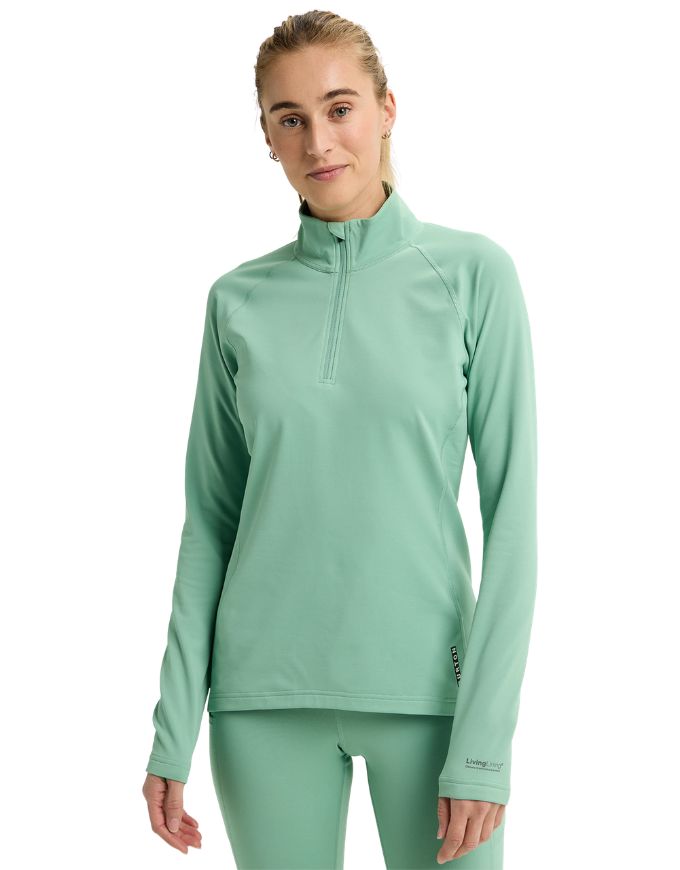

![Burton [ak] Swash GORE-TEX 2L Men's Pant 2026 | Atomic Yellow](http://twelveboardstore.com.au/cdn/shop/files/K2-Boundary-2025--Mens-Snowboard-Boots-Australia1-800---1-800---2025-10-02T151857-412.jpg?v=1759735083&width={width})
![Burton [ak] Swash GORE-TEX 2L Men's Pant 2026 | Atomic Yellow](http://twelveboardstore.com.au/cdn/shop/files/1_aea5db2a-9fc5-4f06-94c1-ca53db4ef7ca.jpg?v=1759824775&width={width})
![Burton [ak] 3L Freebird GORE‑TEX Men's Bib Pant 2026 | Summit Taupe](http://twelveboardstore.com.au/cdn/shop/files/K2-Boundary-2025--Mens-Snowboard-Boots-Australia1-800---1-800---2025-10-01T164819-192.jpg?v=1759736530&width={width})
![Burton [ak] 3L Freebird GORE‑TEX Men's Bib Pant 2026 | Summit Taupe](http://twelveboardstore.com.au/cdn/shop/files/1_060d0353-79ef-4aa1-b5a0-dea69338e1b9.jpg?v=1759737088&width={width})
![Burton [ak] 3L Freebird GORE‑TEX Men's Bib Pant 2026 | True Black](http://twelveboardstore.com.au/cdn/shop/files/K2-Boundary-2025--Mens-Snowboard-Boots-Australia1-800---1-800---2025-10-01T161324-236.jpg?v=1759736526&width={width})
![Burton [ak] 3L Freebird GORE‑TEX Men's Bib Pant 2026 | True Black](http://twelveboardstore.com.au/cdn/shop/files/1_8c5f6f51-db33-45b1-a7d5-26c6880d62d9.jpg?v=1759736912&width={width})
![Burton [ak] Cyclic GORE-TEX Men's Bib Pant 2026 | Blue Teal](http://twelveboardstore.com.au/cdn/shop/files/K2-Boundary-2025--Mens-Snowboard-Boots-Australia1-800---1-800---2025-10-01T160512-363.jpg?v=1759736150&width={width})
![Burton [ak] Cyclic GORE-TEX Men's Bib Pant 2026 | Blue Teal](http://twelveboardstore.com.au/cdn/shop/files/1_570be79e-7031-43a2-a43f-babecd8414ca.jpg?v=1759736345&width={width})
![Burton [ak] Cyclic GORE-TEX Men's Pant 2026 | Blue Teal](http://twelveboardstore.com.au/cdn/shop/files/K2-Boundary-2025--Mens-Snowboard-Boots-Australia1-800---1-800---2025-10-02T150541-457.jpg?v=1759735091&width={width})
![Burton [ak] Cyclic GORE-TEX Men's Pant 2026 | Blue Teal](http://twelveboardstore.com.au/cdn/shop/files/1_f90aa55b-4eb8-4ba8-966a-6cc81fed5952.jpg?v=1759824180&width={width})
![Burton [ak] Cyclic GORE-TEX Men's Pant 2026 | True Black](http://twelveboardstore.com.au/cdn/shop/files/K2-Boundary-2025--Mens-Snowboard-Boots-Australia1-800---1-800---2025-10-02T150404-502.jpg?v=1759823898&width={width})
![Burton [ak] Cyclic GORE-TEX Men's Pant 2026 | True Black](http://twelveboardstore.com.au/cdn/shop/files/1_8c1357ad-99bf-4b46-93dd-b400bbe45a9d.jpg?v=1759824063&width={width})
![Burton [ak] GORE‑TEX Swash Men's Pant 2025 | True Black](http://twelveboardstore.com.au/cdn/shop/files/sb-1_211571fd-e0e1-432c-801d-9c411bd598fe.jpg?v=1729506048&width={width})
![Burton [ak] GORE‑TEX Swash Men's Pant 2025 | True Black](http://twelveboardstore.com.au/cdn/shop/files/sb_2_14950f38-31d4-4ce1-adc8-687e8af6037f.jpg?v=1729506116&width={width})
![Burton [ak] Kimmy GORE-TEX 2L Women's Bib Pant 2026 | Gray Cloud](http://twelveboardstore.com.au/cdn/shop/files/K2-Boundary-2025--Mens-Snowboard-Boots-Australia1-800---1-800---2025-10-01T173140-327.jpg?v=1759724536&width={width})
![Burton [ak] Kimmy GORE-TEX 2L Women's Bib Pant 2026 | Gray Cloud](http://twelveboardstore.com.au/cdn/shop/files/1_f1ad6d97-e76e-4e40-be5a-0eb5160552cd.jpg?v=1759738529&width={width})
![Burton [ak] Kimmy GORE-TEX 3L Women's Bib Pant 2026 | Blue Teal](http://twelveboardstore.com.au/cdn/shop/files/K2-Boundary-2025--Mens-Snowboard-Boots-Australia1-800---1-800---2025-10-01T171642-645.jpg?v=1759737903&width={width})
![Burton [ak] Kimmy GORE-TEX 3L Women's Bib Pant 2026 | Blue Teal](http://twelveboardstore.com.au/cdn/shop/files/1_2cb17eb7-4c2e-489f-9ff4-dbe9ea6ae0fc.jpg?v=1759738182&width={width})
![Burton [ak] Kimmy GORE-TEX 3L Women's Bib Pant 2026 | True Black](http://twelveboardstore.com.au/cdn/shop/files/K2-Boundary-2025--Mens-Snowboard-Boots-Australia1-800---1-800---2025-10-01T171251-029.jpg?v=1759737906&width={width})
![Burton [ak] Kimmy GORE-TEX 3L Women's Bib Pant 2026 | True Black](http://twelveboardstore.com.au/cdn/shop/files/1_103a5f6f-59a2-489b-a670-501f59832fba.jpg?v=1759738057&width={width})
![Burton [ak] Summit Gore-Tex 2L Women's Pants 2026 | Summit Taupe](http://twelveboardstore.com.au/cdn/shop/files/K2-Boundary-2025--Mens-Snowboard-Boots-Australia1-800---1-800---2025-10-02T162119-505.jpg?v=1759735063&width={width})
![Burton [ak] Summit Gore-Tex 2L Women's Pants 2026 | Summit Taupe](http://twelveboardstore.com.au/cdn/shop/files/1_03550da6-6842-4520-a22e-ec3537f3f023.jpg?v=1759826041&width={width})


