


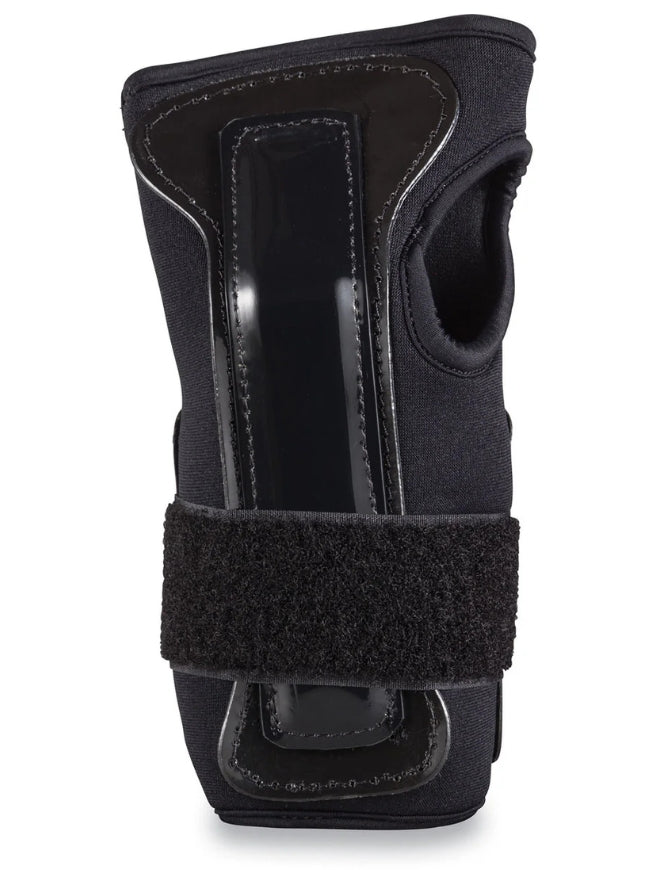

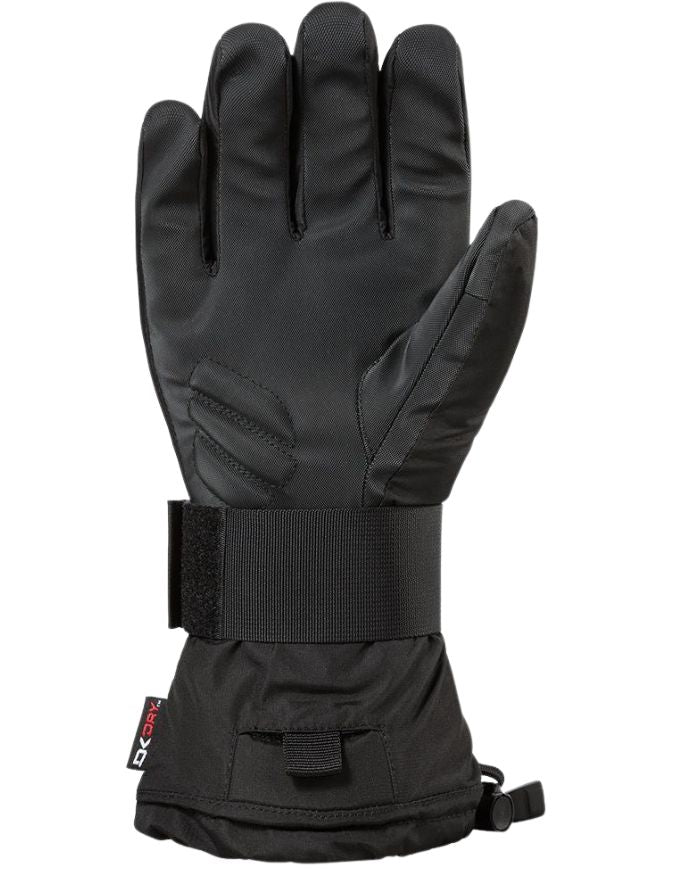
Dakine Wristguard Glove 2026 | Black
$635.00
$794.00


Frequently Asked Questions
Because both feet are fixed to the board, so a backward fall goes straight onto your hands. Putting an arm out is instinctive and nearly impossible to train away, which is why the wrist takes the impact so often, especially while you are learning.
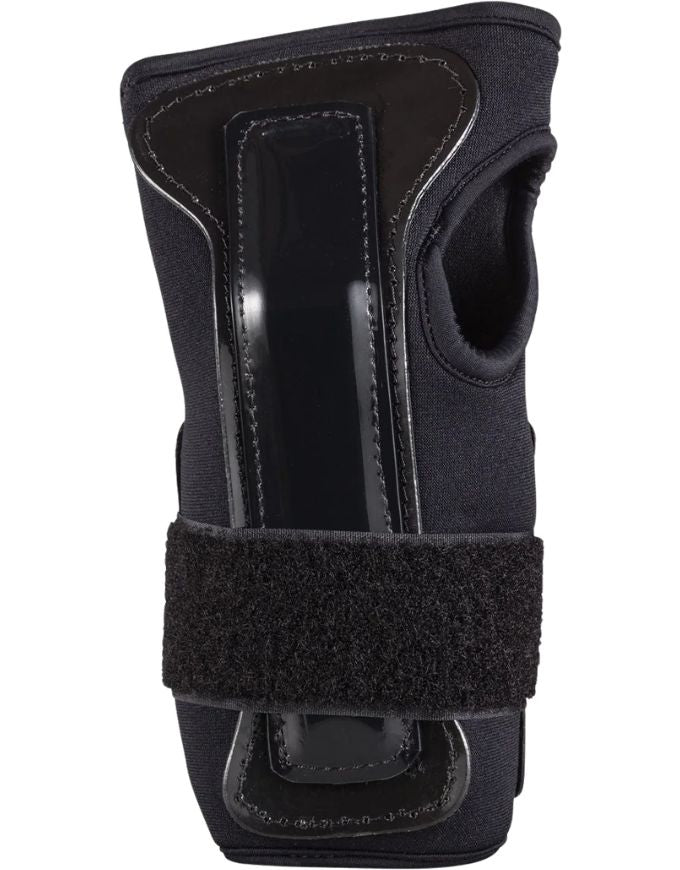
A rigid splint spreads the load along the forearm instead of letting it concentrate in the wrist joint. That is the mechanism, and it is why guards are standard issue in learn-to-ride programs where falls are frequent.
Over-glove guards. They offer more protection and suit riders spending real time on the ground, which is exactly a first week on snow. The cost is slightly less dexterity handling bindings and zips.
Yes. Under-glove guards are designed for that, sitting against the skin beneath your normal gloves and staying invisible while you ride. It is the most popular option among snowboarders.
For a lot of riders, yes, because there is nothing extra to put on or forget. The practical argument is simple: the guard that gets worn beats the one left in the car because it was fiddly.
They are most valuable when you fall most, so beginners and anyone returning after a long break get the clearest benefit. Experienced riders learning new tricks fall backward too, which is the same mechanism.
Let customers speak for us
Bang Bang Crate
Fits perfect on my Fatboy Scrambler, comes with mounting screws. Very happy
Stuart Murray (fastwrxau)

Burton step on bindings
These were great to use. Forget about ratchets and spend more time going down hill rather than down on your bum tightening your bindings.
clinton eagles

Great customer support
I ordered 2 sets of bearings and only one arrived after contacting them they sent out second set straight away with express delivery so all good in the end
Christian Roberts (croberts3122)
10/10 recommend
I'll definitely be buying through twelveboard store again, quick easy delivery and great sales! Very happy with the service and the snowboard
Corrie Schuhmann
Dudes are always super helpful
Dudes are always super helpful.
Phil Edwards
Amazing
Amazing Store!
Anonymous
Slappy ST1 Skate Tool
Perfect. best t tool I have owned. Left my last one at the skatepark, so had to get a replacement. Do not regret getting the Slappy ST1 Skate Tool.
Casey Daw
The boots are great, super comfortable and best of all they have kept my foot warm in the snow.
Shout out to the team at the Twelve Board Store for being super helpful when i went in to pick the boots up
Stephanie

Fantastic customer service and great items
Fantastic customer service and great items. Super happy with my experience.
Natasha Pase-Taneja
Perfect
Perfect
Anonymous
Purchased new set of tyres for electric skateboard
Purchased new set of tyres for electric skateboard. Tyres are perfect, white walled so the also look great. Online purchase so simple, pick up from Bridge Rd store took 2 minutes. 100% satisfied.
Greg cunningham
Love these guys
Love these guys. They always go out of their way to help me out. Super knowledgable too
Anonymous
Top marks for speed of delivery
I ordered gear from 3 different skate stores, These guys were by far the fastest and best to deal with.
Barry Vaughan
great
had it as a mid layer this weekend and was very satisfied with it. even as a standalone vest
brad greene

Travel ready Split /Resort binding
Easily modifiable to fit Alpine Prime bindings along with a Quiver Connector means I have a premium split/resort Straightline binding ready to rip on my travels
Sean Burke

Featured collection
View all →
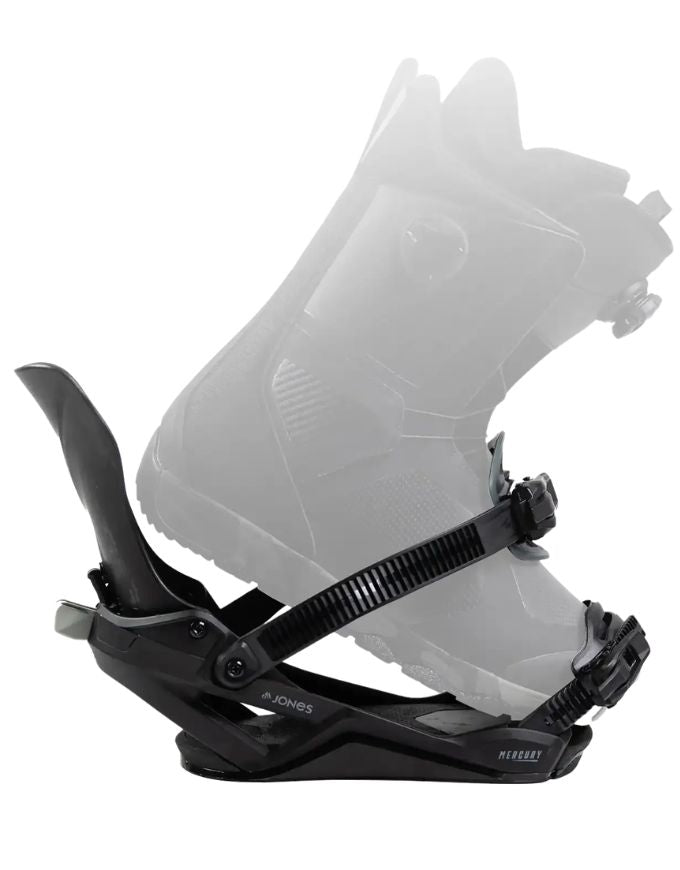



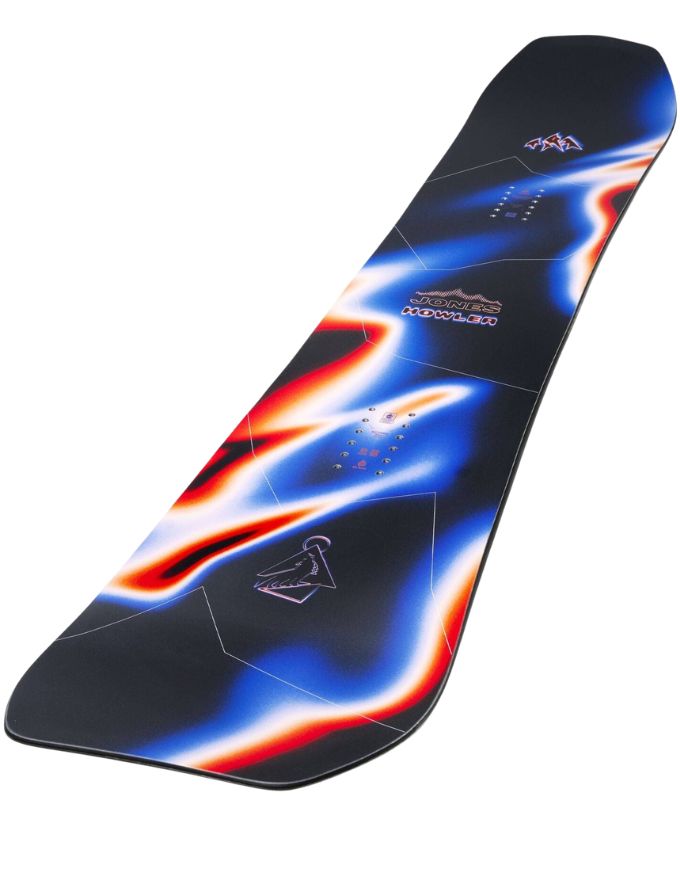
Jones Howler Snowboard | 2027
$6,799.00