
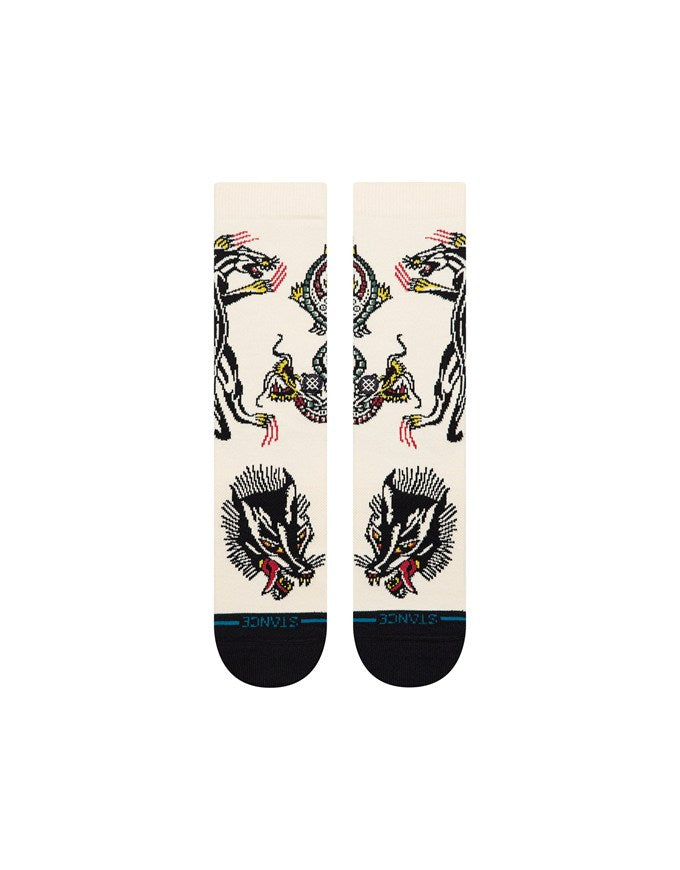

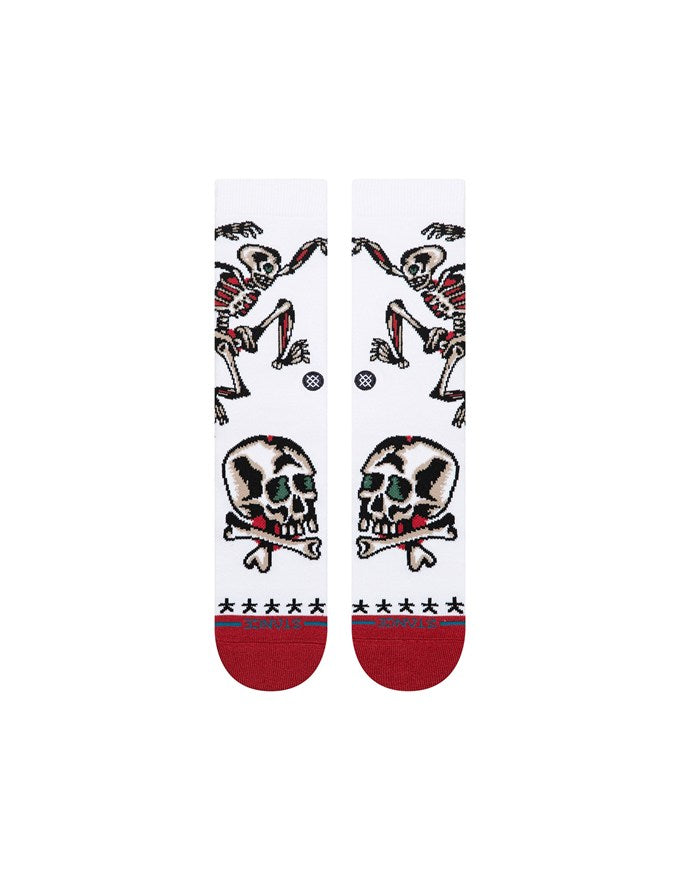

Nitro Cloud 3 Women's Snowboard Socks | White
$217.00
$255.00

Nitro Cloud 1 Unisex Snowboard Socks | Black
$193.00
$227.00


Nitro Cloud 8 Men's Snowboard Socks | Black/Grey
$289.00
$340.00

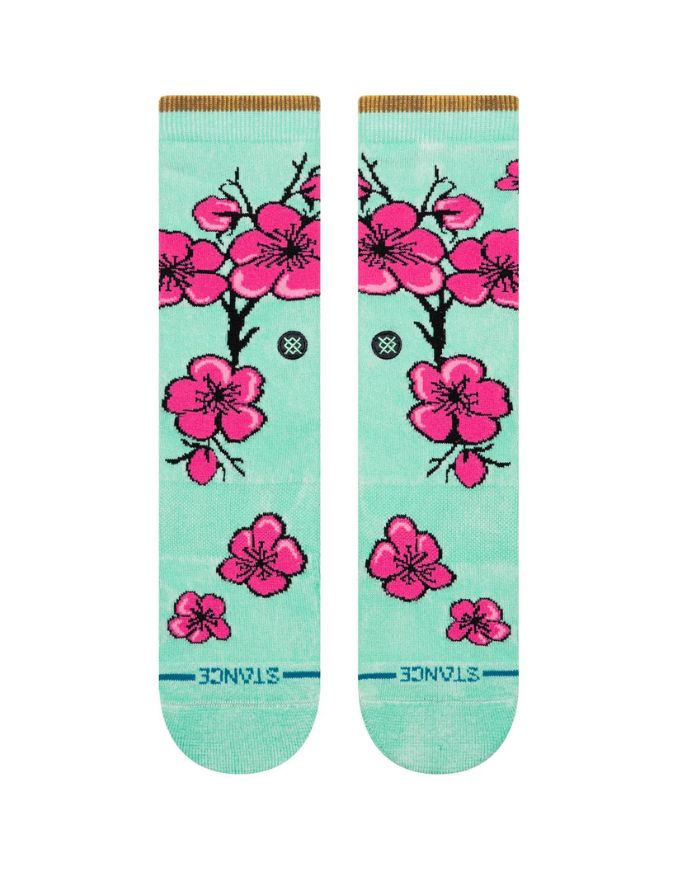
Stance 99 Cents Crew | Jade
$136.00
$170.00

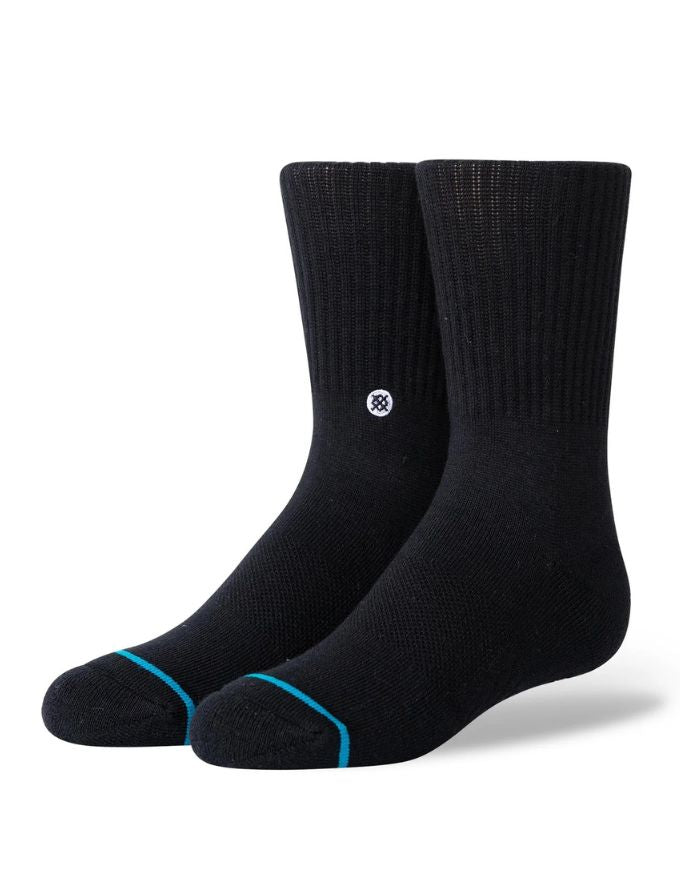
Stance Icon ST Kids 3 Pack | Multi
$182.00
$227.00

Stance Alpine Mid Poly OTC Sock | Pale Blue
$209.00
$261.00


Stance Medium Poly OTC Socks | Huntin Pine
$204.00
$255.00

Stance Mid Wool Curren Snow Sock | Navy
$227.00
$284.00

Stance Mid All Terrain snow Socks | Sea Blue
$204.00
$255.00

Stance Mid Wool OTC Snow Sock | Boyd Olive
$227.00
$284.00

Stance Lonely Peaks OTC Snow Socks | Teal
$227.00
$284.00

Stance Ultralight Serape Wool Snow Sock | Navy
$227.00
$284.00

Stance Medium Poly OTC Socks | Mushies
$204.00
$255.00

Stance Ultralight Peaks Wool Snow Sock | Black
$227.00
$284.00

Stance Ultralight Wool Snow Sock | Black
$227.00
$284.00

Burton Women's Midweight Emblem Sock 2026 | Sunrise
$217.00
$255.00

Burton AK Endurance Sock 2026 | Grey Heather
$289.00
$340.00

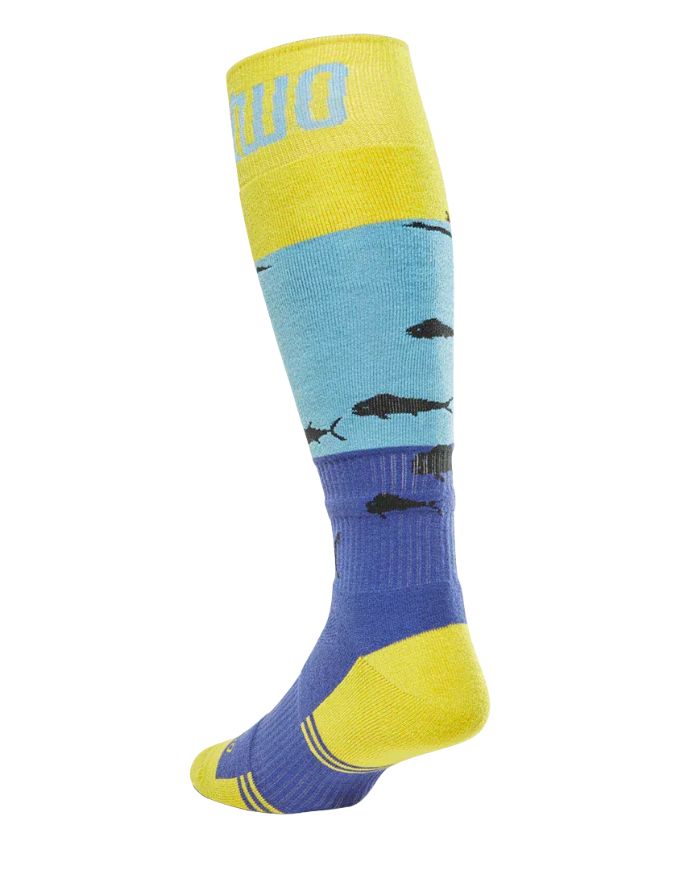
ThirtyTwo TM Coolmax Men's Sock 2026 | Blue/Yellow
$265.00
$312.00

ThirtyTwo Slush Sock Men's 2026 | Blue
$265.00
$312.00

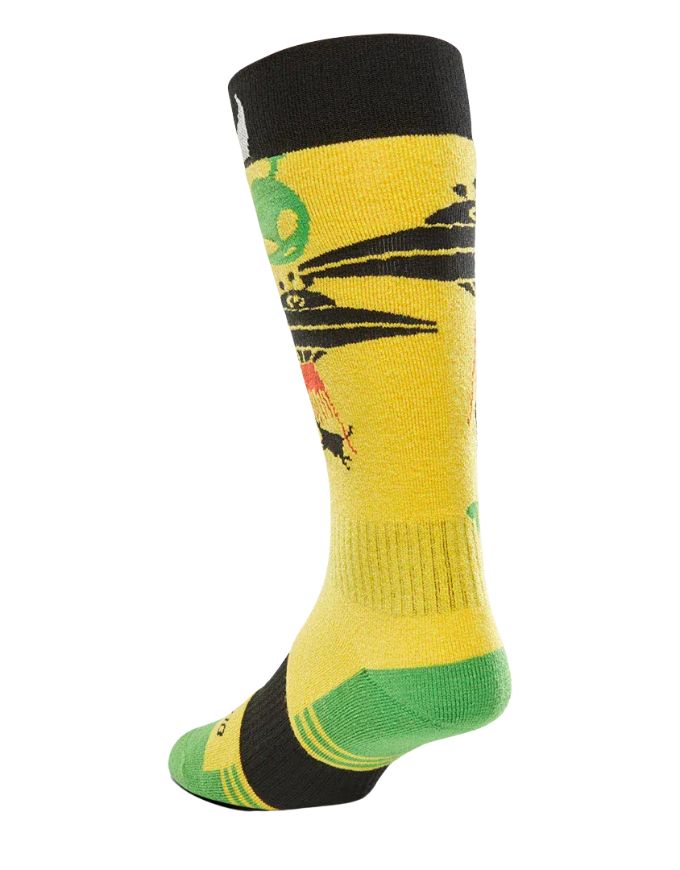
ThirtyTwo TM Coolmax Men's Sock 2026 | Green/Black
$265.00
$312.00

ThirtyTwo TM Merino Snowboard Socks 2026 | Yellow
$313.00
$369.00

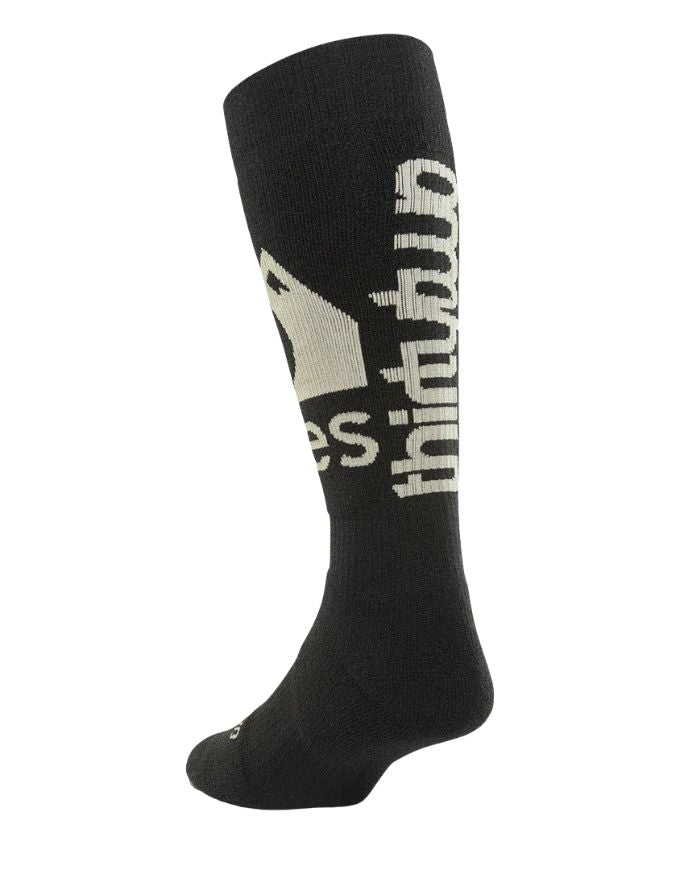
ThirtyTwo Jones Merino Women's Sock 2026 | Black
$313.00
$369.00

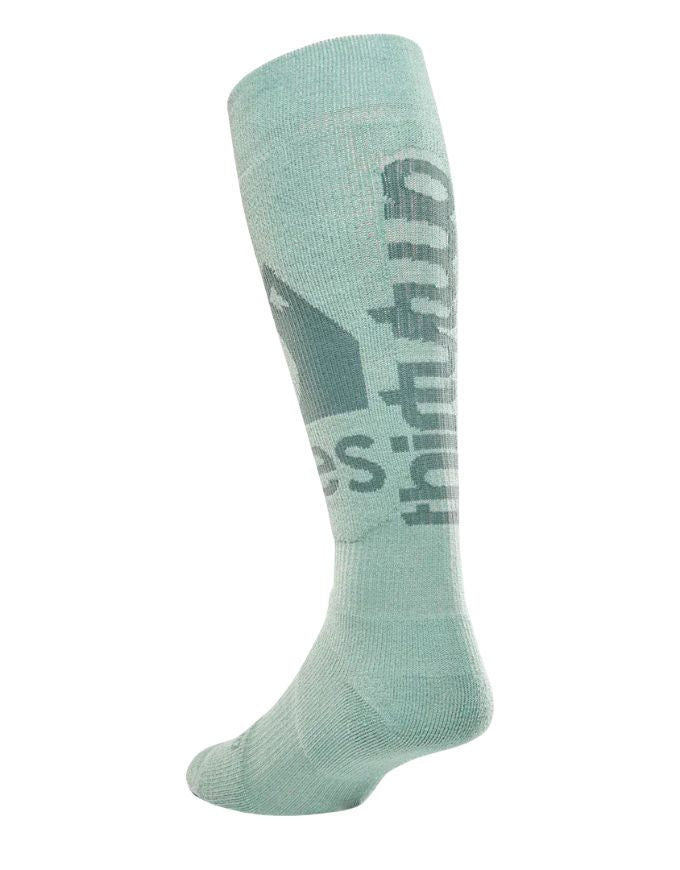
ThirtyTwo Jones Merino Women's Sock 2026 | Light Blue
$313.00
$369.00

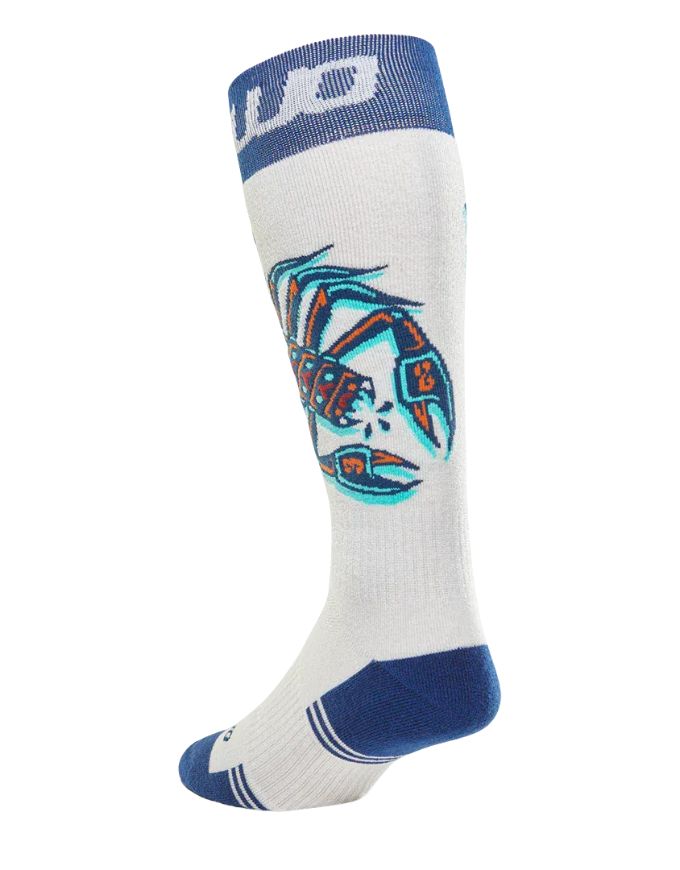
ThirtyTwo Double Men's Sock 2026 | White/Navy
$193.00
$227.00

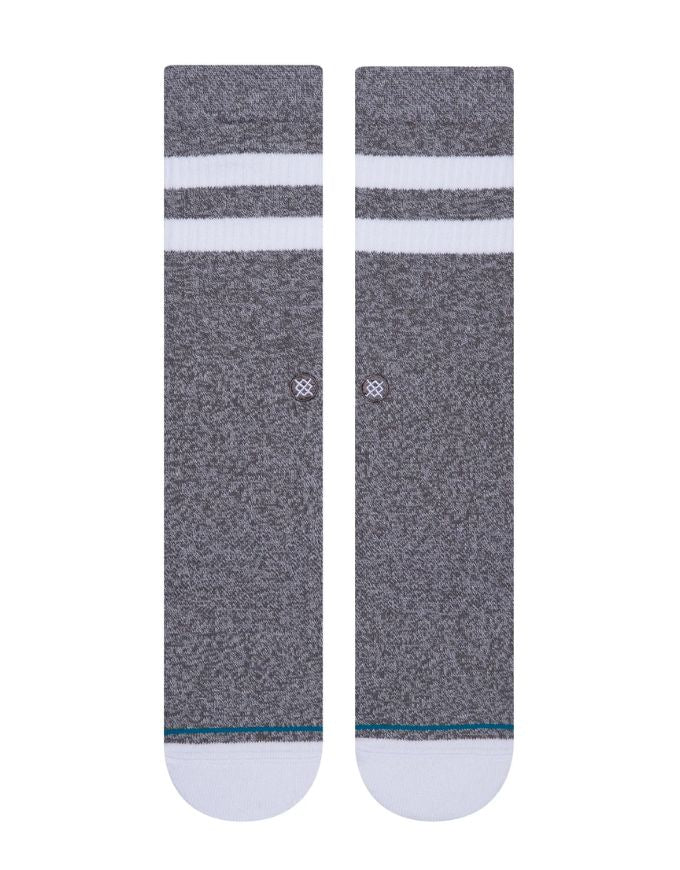
Stance Joven Socks | Grey
$91.00
$114.00

Burton W's Performance Midweight Sock | True Black
$241.00
$284.00

Nitro Cloud 5 Men's Snowboard Socks | Quiver Green
$241.00
$284.00

Nitro Cloud 5 Men's Snowboard Socks | Blue Fade
$241.00
$284.00

Nitro Cloud 5 Women's Snowboard Socks | Rose Fade
$241.00
$284.00

Nitro Cloud 5 Women's Snowboard Socks | Grey Fade
$241.00
$284.00

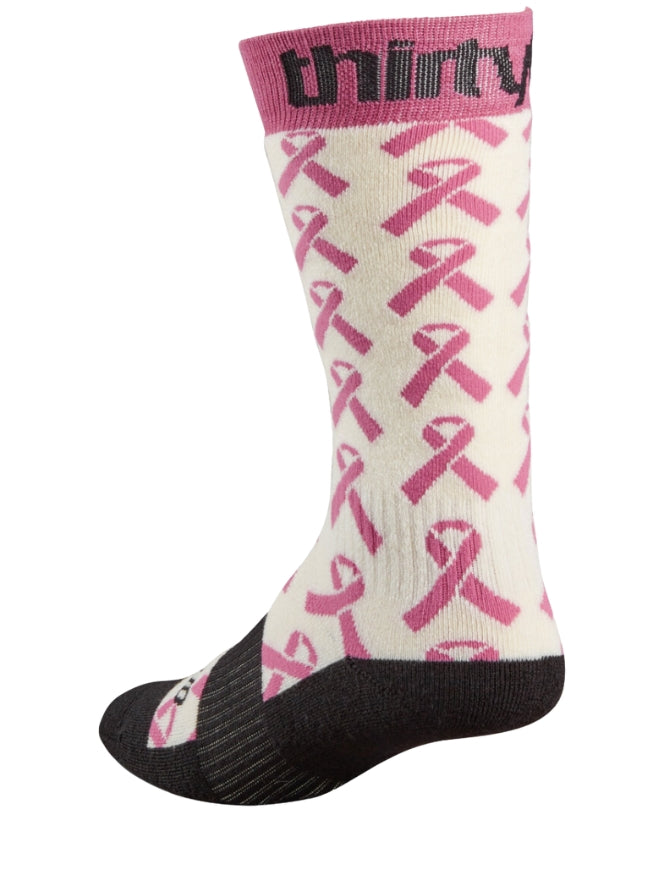
ThirtyTwo W's B4BC Merino Sock 2025 | Pink/White
$313.00
$369.00

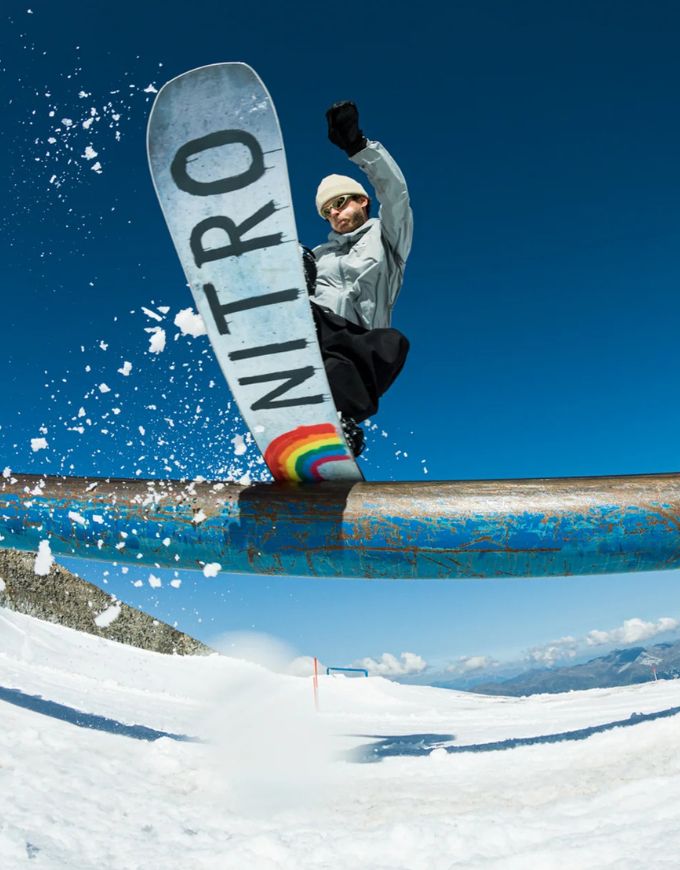
Nitro Cloud 5 Men's Snowboard Socks | Black/Opytism
$241.00
$284.00
Frequently Asked Questions
Yes, and the difference is significant. A cheap cotton sock inside a snowboard boot compresses to nothing, loses all its insulation, causes hot spots and blisters, and leaves you cold and uncomfortable by midday. A proper snowboard sock changes the feel of your boot entirely.
Thin to medium, not thick. A thick sock compresses inside the boot and insulates less than a thinner one that does not. Your boot already has insulation built in, so the sock's job is moisture management, cushioning and preventing pressure points.
Merino is the premium material. It regulates temperature, resists odour and stays comfortable through a full day, which matters most on multi-day trips. Synthetic blends dry faster and cost less, so they are a genuine option if you ride a handful of days a season.
They must finish above the top of your boot cuff, with no seam or hem sitting inside the boot. Anything shorter lets the boot cuff work directly against your shin, which causes shin bang and pressure pain. Over-the-calf is the snowboarding standard.
No. Wear one pair of quality snowboard socks per day. Doubling up creates friction and pressure and makes cold feet worse, not better.
Stance, Dakine, Rojo and more, across merino, synthetic blend and cushioned options in a full range of heights and thicknesses.
Let customers speak for us
Bang Bang Crate
Fits perfect on my Fatboy Scrambler, comes with mounting screws. Very happy
Stuart Murray (fastwrxau)

Burton step on bindings
These were great to use. Forget about ratchets and spend more time going down hill rather than down on your bum tightening your bindings.
clinton eagles

Great customer support
I ordered 2 sets of bearings and only one arrived after contacting them they sent out second set straight away with express delivery so all good in the end
Christian Roberts (croberts3122)
10/10 recommend
I'll definitely be buying through twelveboard store again, quick easy delivery and great sales! Very happy with the service and the snowboard
Corrie Schuhmann
Dudes are always super helpful
Dudes are always super helpful.
Phil Edwards
Amazing
Amazing Store!
Anonymous
Slappy ST1 Skate Tool
Perfect. best t tool I have owned. Left my last one at the skatepark, so had to get a replacement. Do not regret getting the Slappy ST1 Skate Tool.
Casey Daw
The boots are great, super comfortable and best of all they have kept my foot warm in the snow.
Shout out to the team at the Twelve Board Store for being super helpful when i went in to pick the boots up
Stephanie

Fantastic customer service and great items
Fantastic customer service and great items. Super happy with my experience.
Natasha Pase-Taneja
Perfect
Perfect
Anonymous
Purchased new set of tyres for electric skateboard
Purchased new set of tyres for electric skateboard. Tyres are perfect, white walled so the also look great. Online purchase so simple, pick up from Bridge Rd store took 2 minutes. 100% satisfied.
Greg cunningham
Love these guys
Love these guys. They always go out of their way to help me out. Super knowledgable too
Anonymous
Top marks for speed of delivery
I ordered gear from 3 different skate stores, These guys were by far the fastest and best to deal with.
Barry Vaughan
great
had it as a mid layer this weekend and was very satisfied with it. even as a standalone vest
brad greene

Travel ready Split /Resort binding
Easily modifiable to fit Alpine Prime bindings along with a Quiver Connector means I have a premium split/resort Straightline binding ready to rip on my travels
Sean Burke

Featured collection
View all →
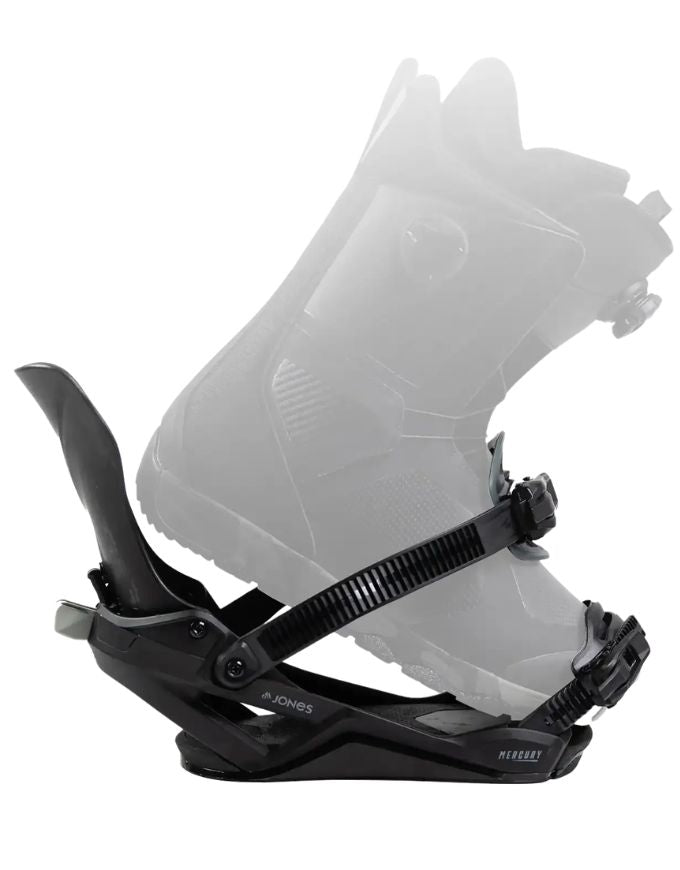



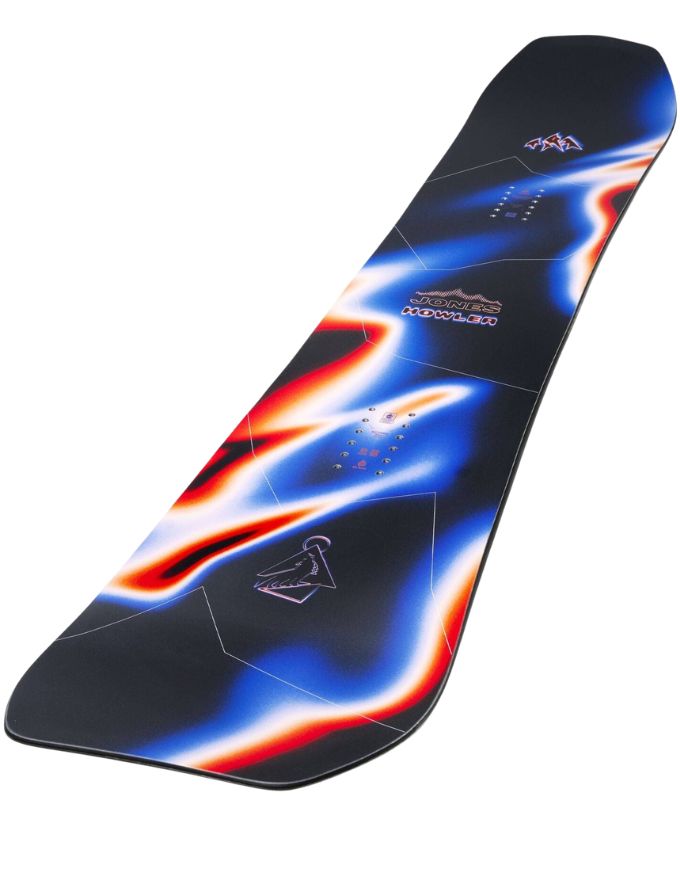
Jones Howler Snowboard | 2027
$6,799.00