
Burton Beeracuda 2026 | Das Cuda
$241.00
$284.00

Burton Beeracuda 2026 | Graffiti Camo
$241.00
$284.00

Burton Beeracuda 2026 | Sunrise City Streets
$241.00
$284.00

Burton Day Hiker 22L Backpack 2025 | Defy Texture
$675.00
$794.00

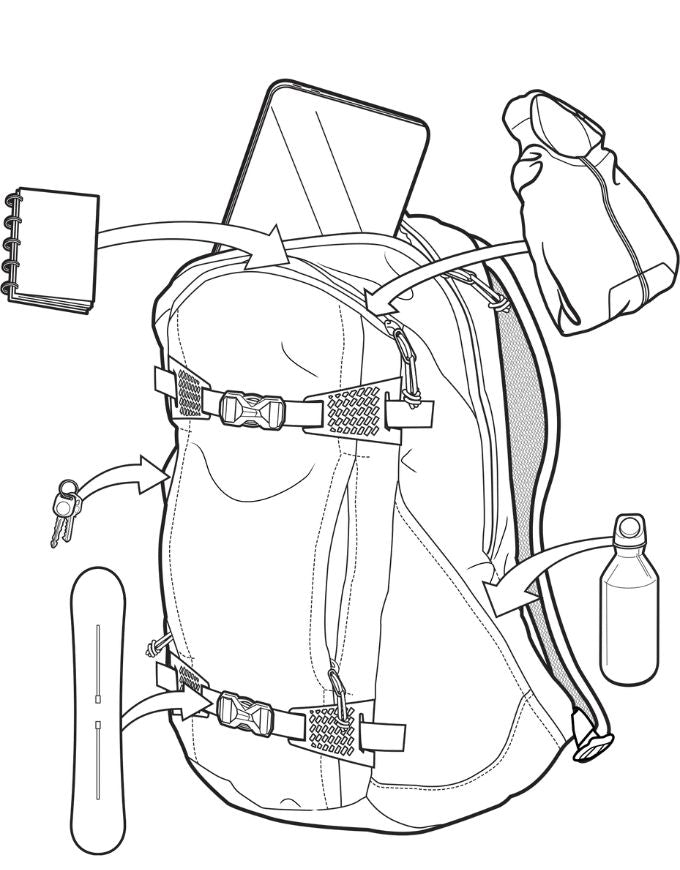
Burton Day Hiker 22L Pack 2026 | Jake Blue
$675.00
$794.00

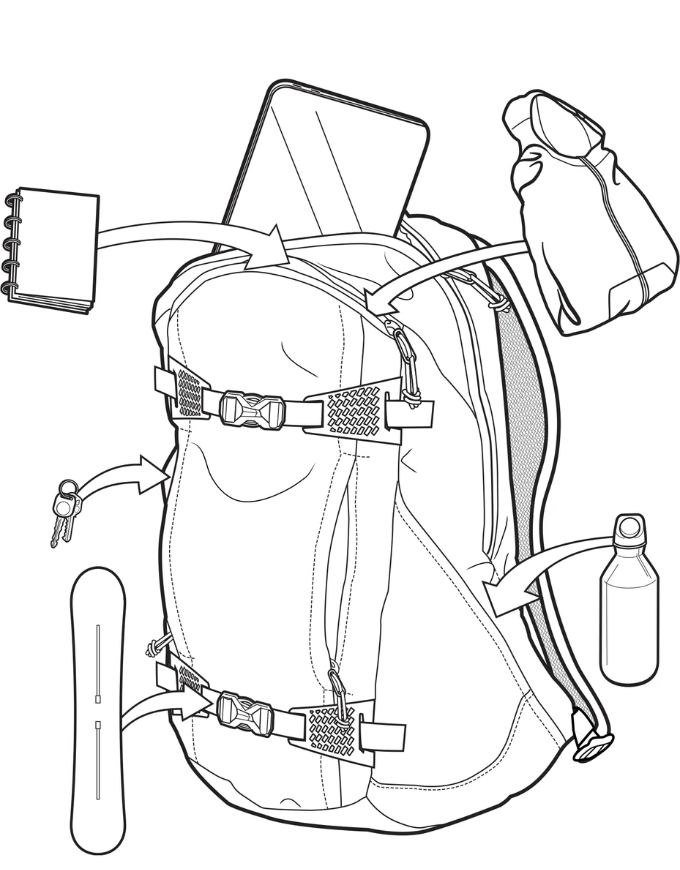
Burton Day Hiker 22L Pack 2026 | Soft Sage
$675.00
$794.00

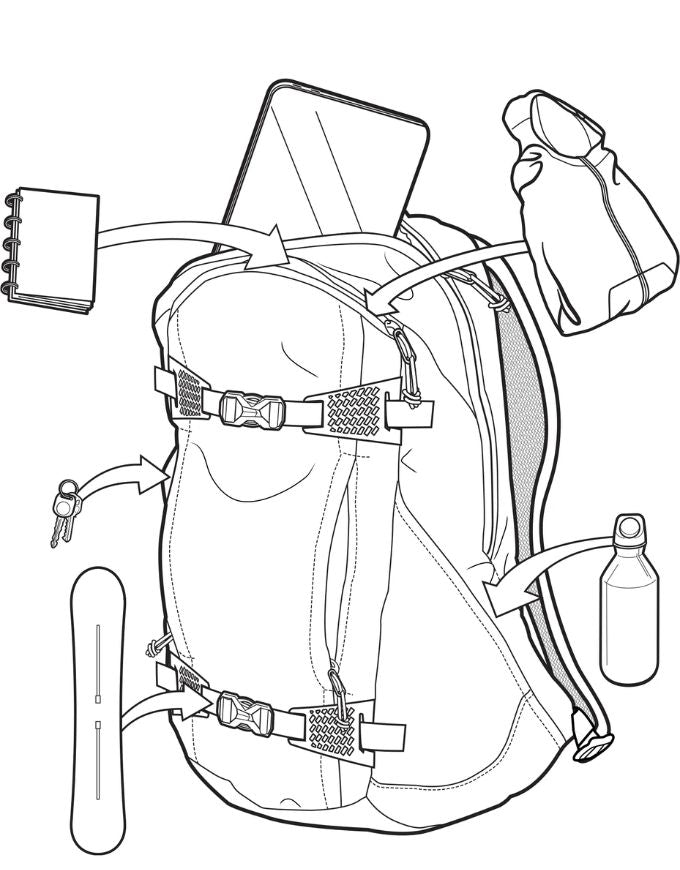
Burton Day Hiker 22L Pack 2026 | Sunrise Coral
$675.00
$794.00

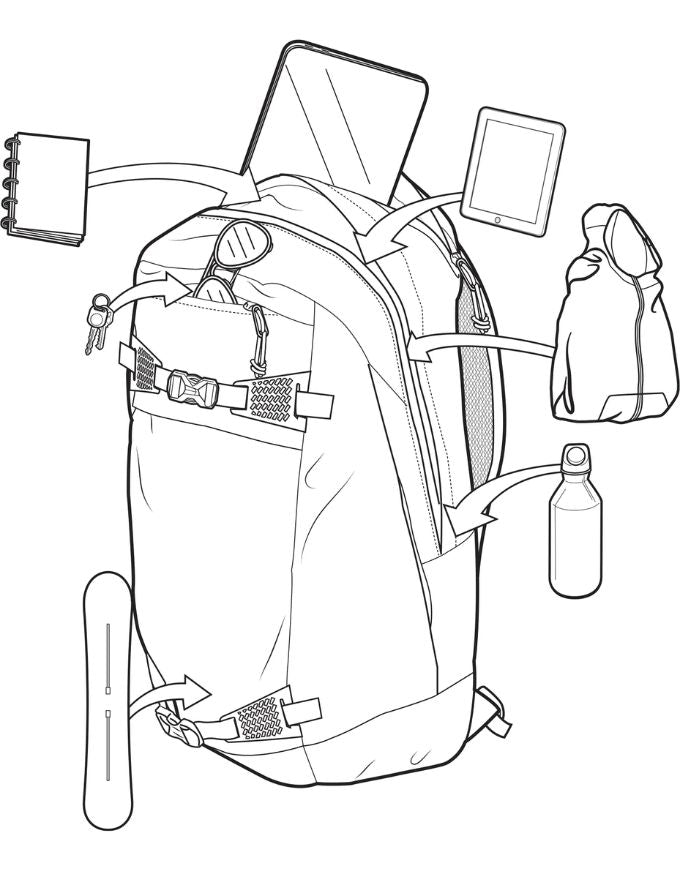
Burton Day Hiker 30L Backpack 2026 | Jake Blue
$771.00
$907.00

Burton Kids Gromlet 15L Backpack 2025 | Safari
$338.00
$397.00

Burton Kids Gromlet 15L Backpack 2025 | Scribble
$338.00
$397.00

Burton Kids Gromlet 15L Backpack | Safari
$338.00
$397.00


Burton Kids Gromlet 15L Backpack | True Black
$338.00
$397.00

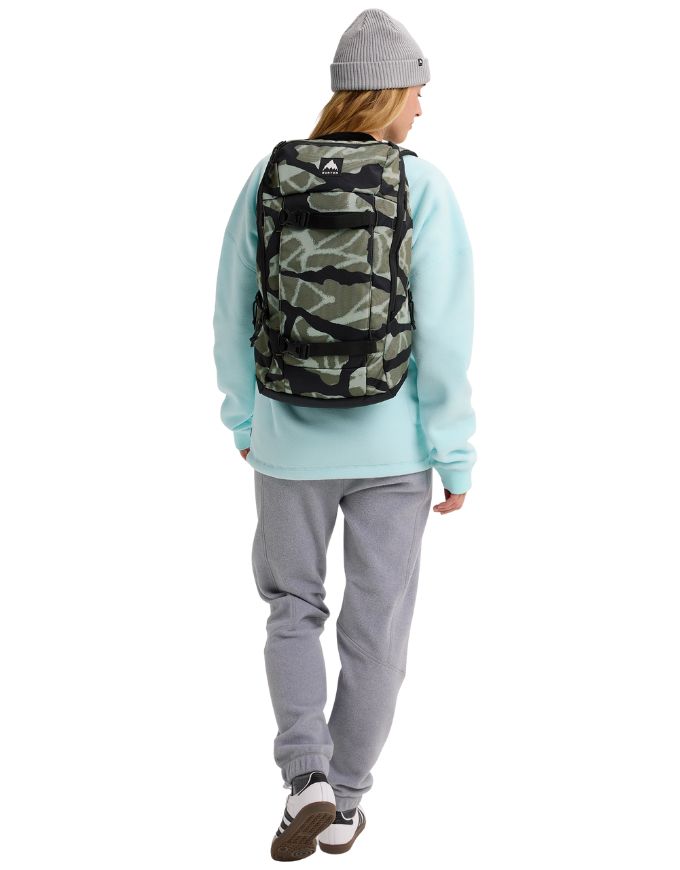
Burton Kilo 2.0 27L Backpack 2026 | Glow Yellow Green
$530.00
$624.00

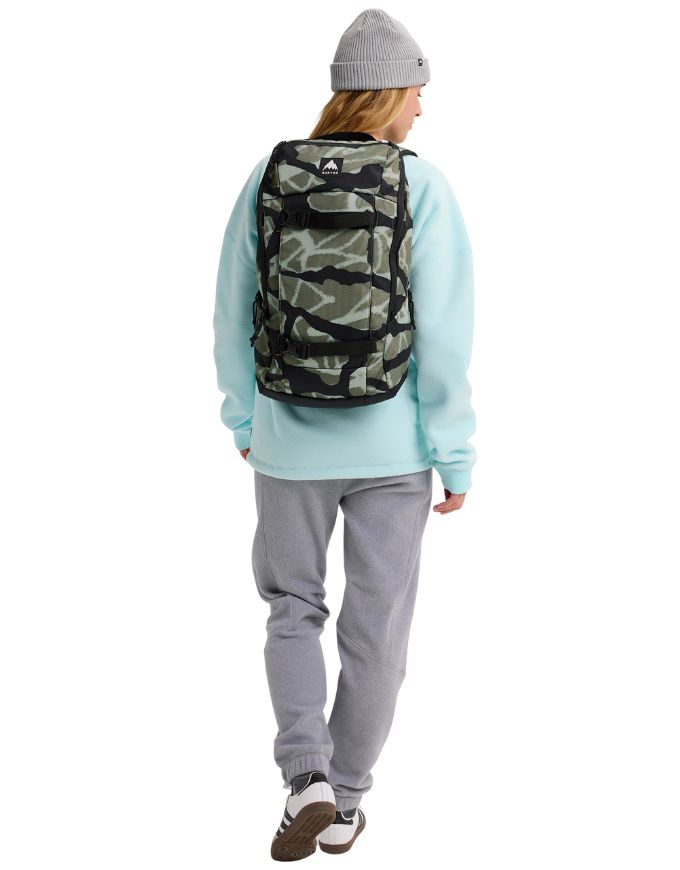
Burton Kilo 2.0 27L Backpack 2026 | Sharkskin
$530.00
$624.00


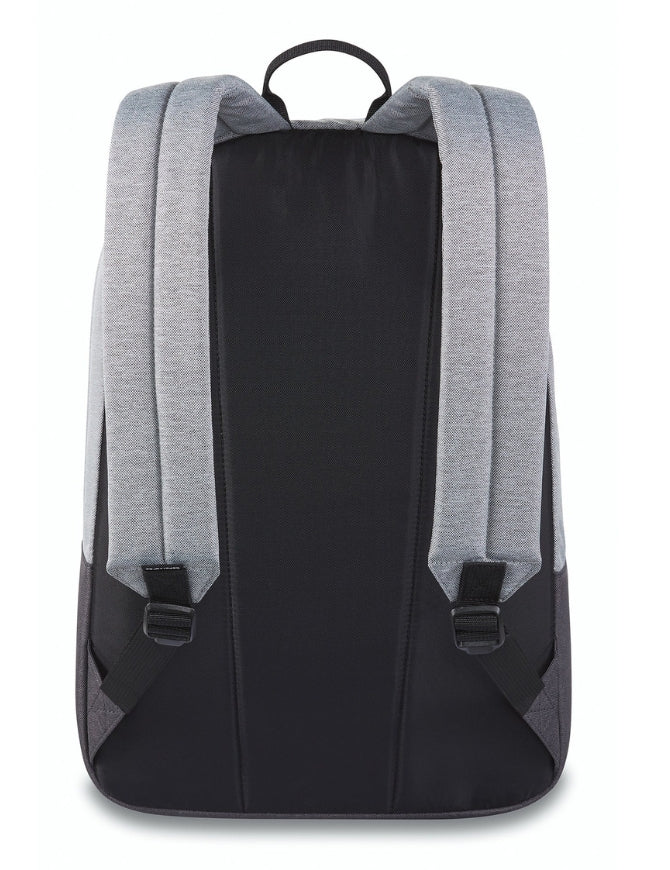
Dakine 365 21L Backpack 2025 | Greyser Grey
$352.00
$414.00

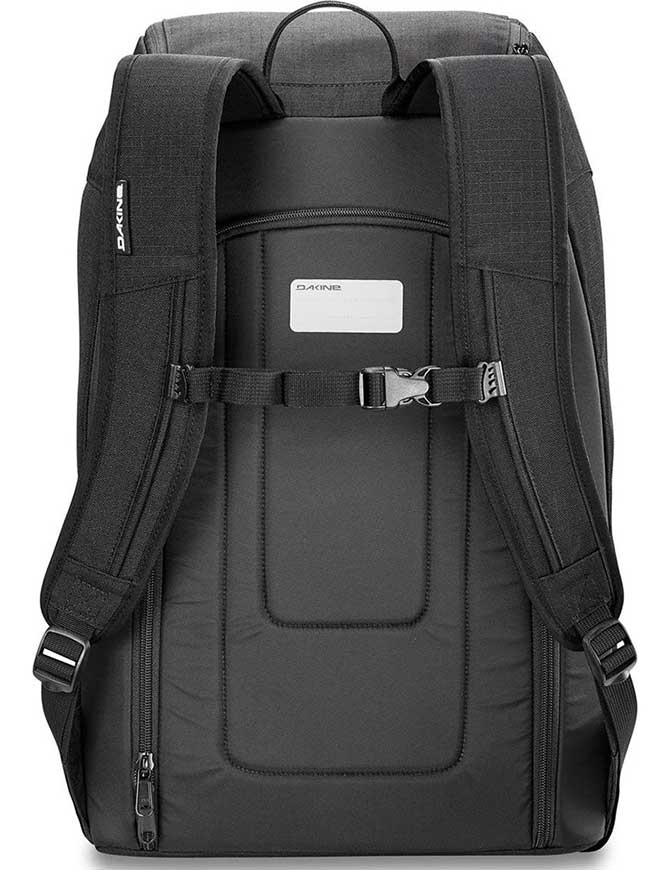

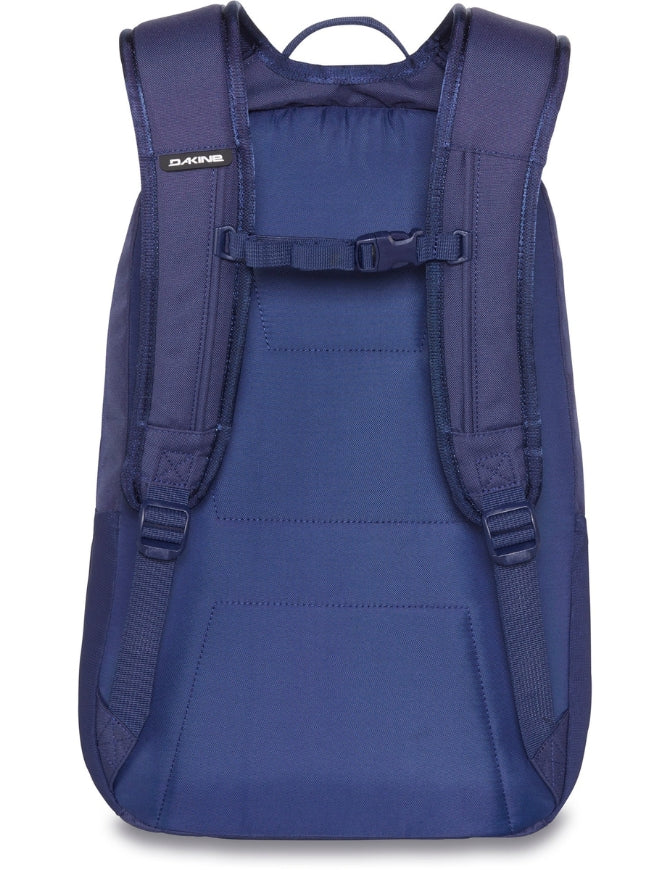
Dakine Campus Backpack 25L 2025 | Naval Academy
$482.00
$567.00

Dakine Campus Backpack L 33L 2026 | Black
$626.00
$737.00

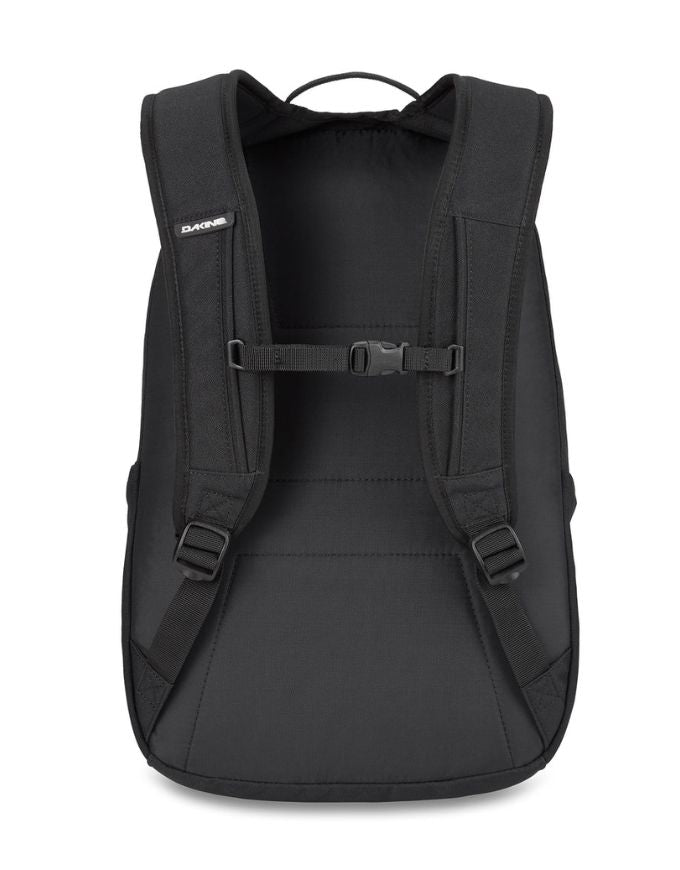
Dakine Campus Backpack M 25L 2026 | Black
$578.00
$680.00

Dakine Campus Backpack M 25L 2026 | Mulled Basil
$578.00
$680.00

Dakine Campus Backpack M 25L 2026 | Withered Rose
$578.00
$680.00

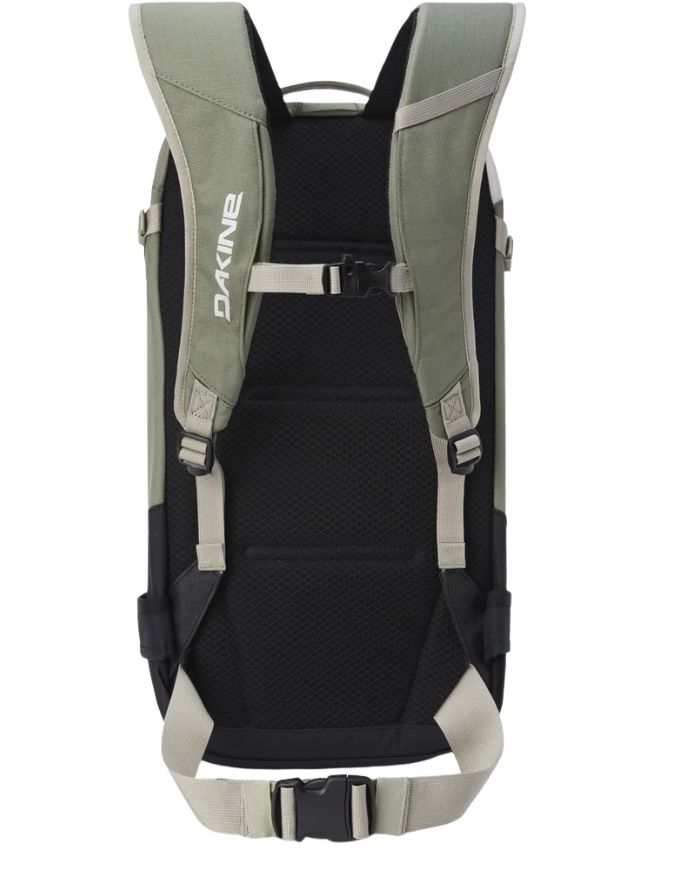
Dakine Heli Pro 20L Backpack 2026 | Mulled Basil
$1,108.00
$1,303.00

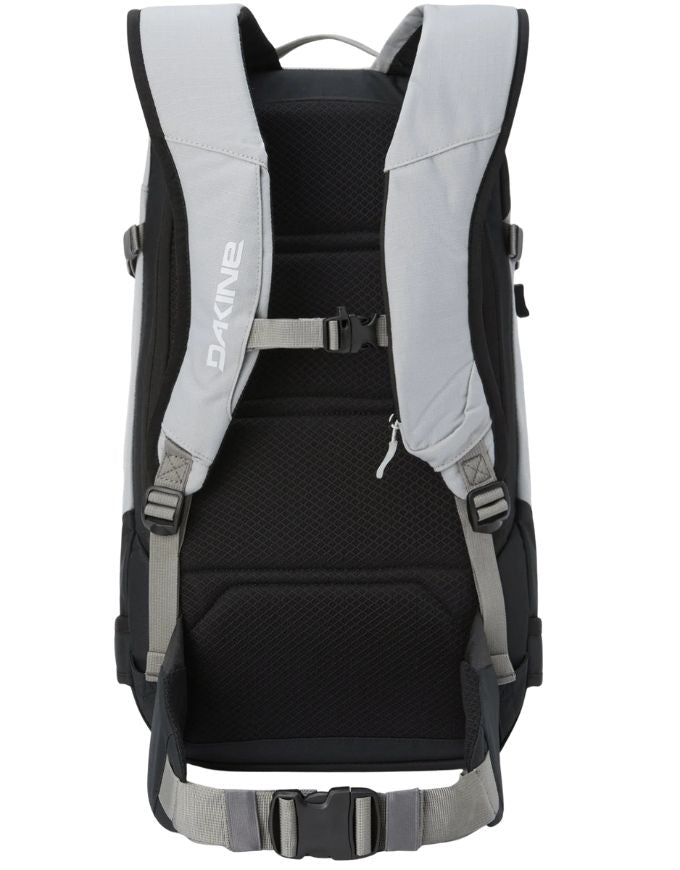
Dakine Heli Pro 24L Backpack 2026 | Griffin
$1,252.00
$1,473.00

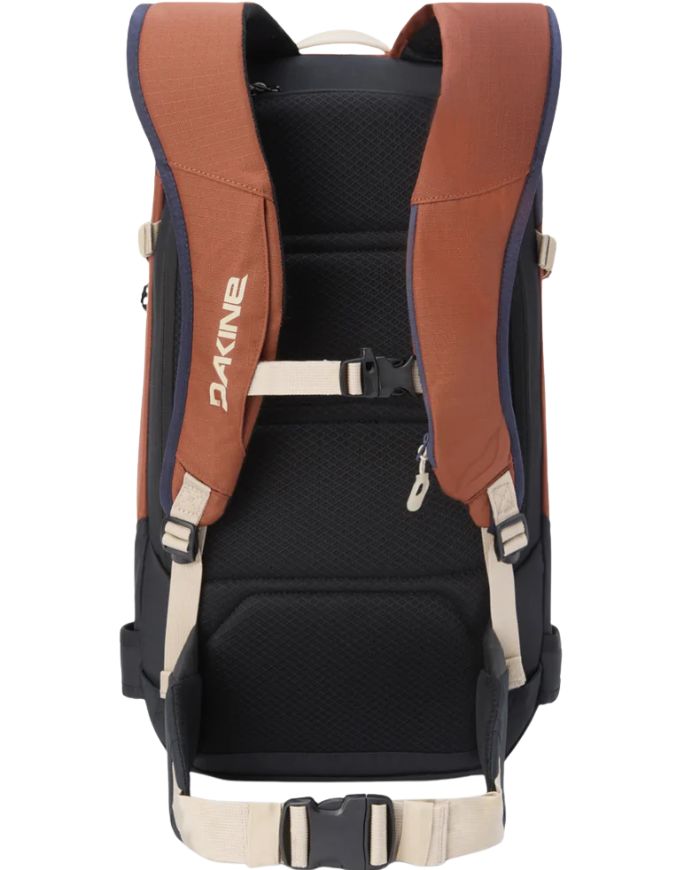
Dakine Heli Pro 24L Backpack 2026 | Spice
$1,252.00
$1,473.00

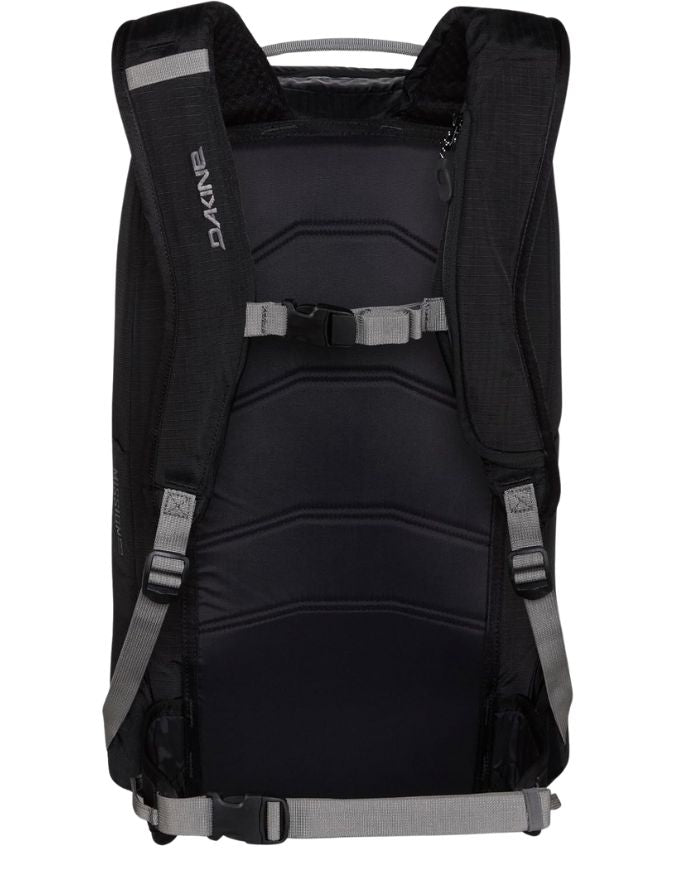
Dakine Mission Pro 25L 4T Backpack 2026 | Black/Grey
$1,445.00
$1,700.00

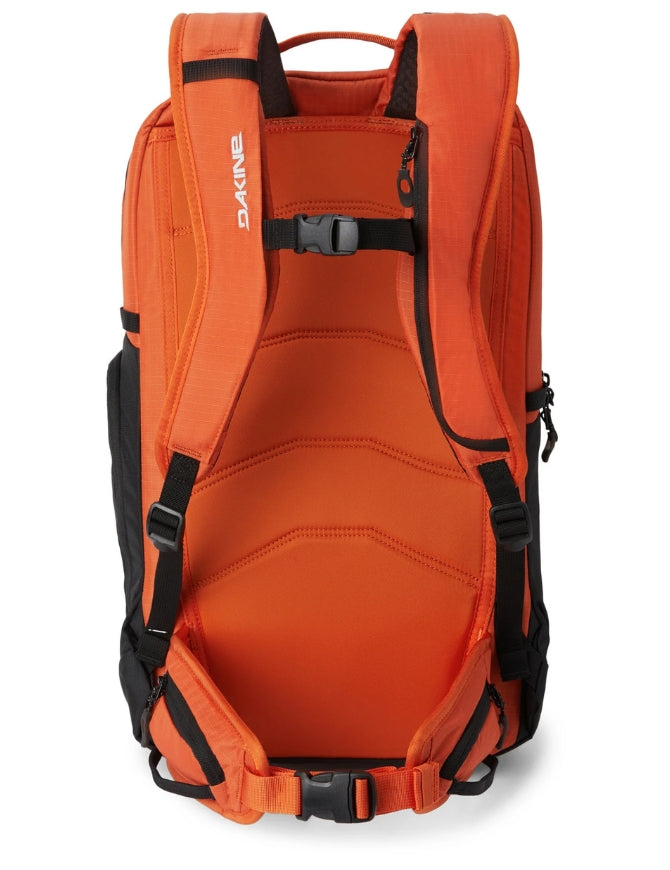
Dakine Mission Pro 25L Backpack 2025 | Pureed Pumpkin
$1,397.00
$1,643.00

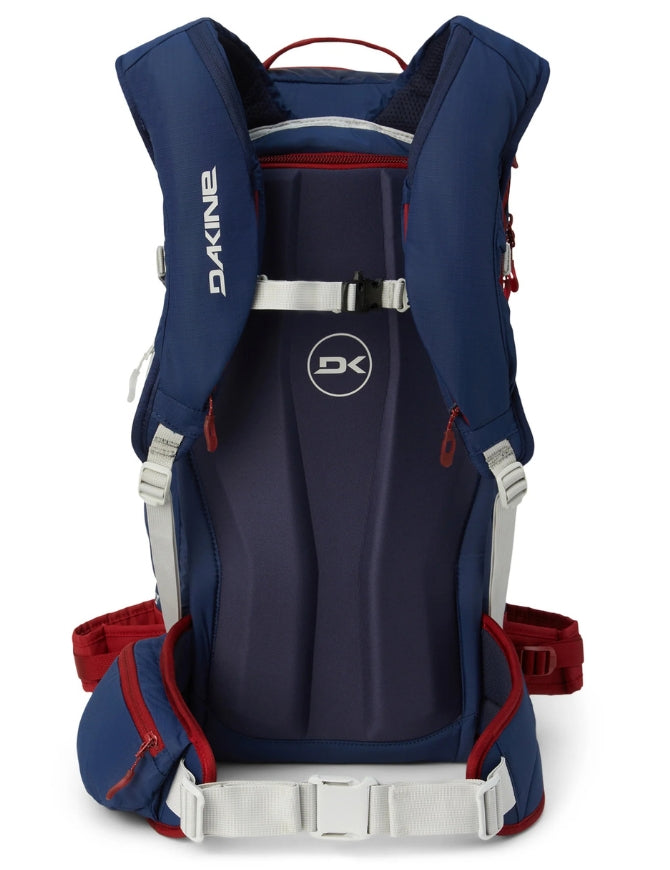
Dakine Poacher 22L Backpack 2025 | Naval Academy
$1,927.00
$2,267.00

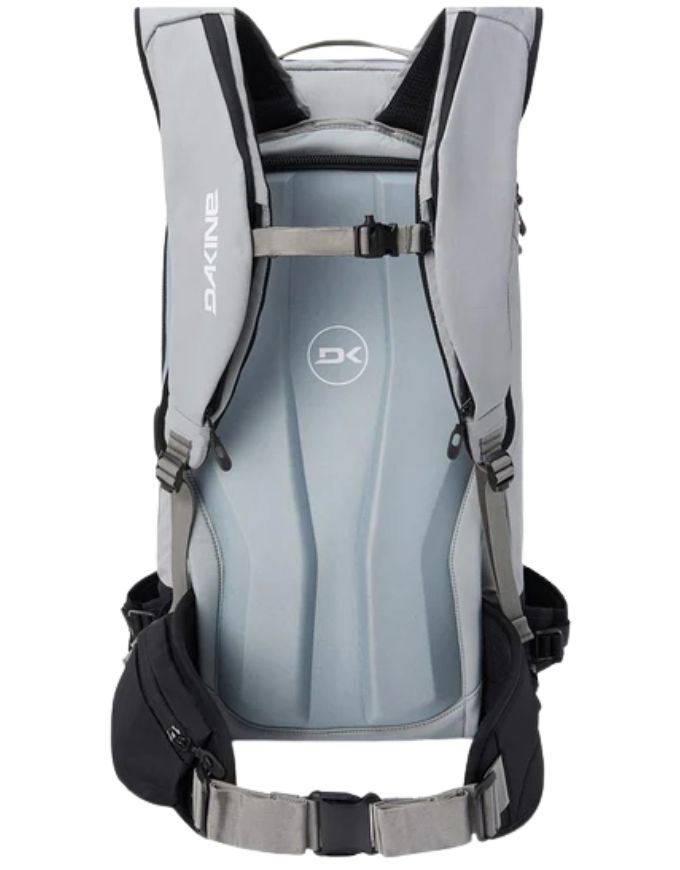
Dakine Poacher 32L Backpack 2026 | Griffin
$2,167.00
$2,550.00

Dakine Poacher 40L Backpack 2026 | Black
$2,408.00
$2,833.00

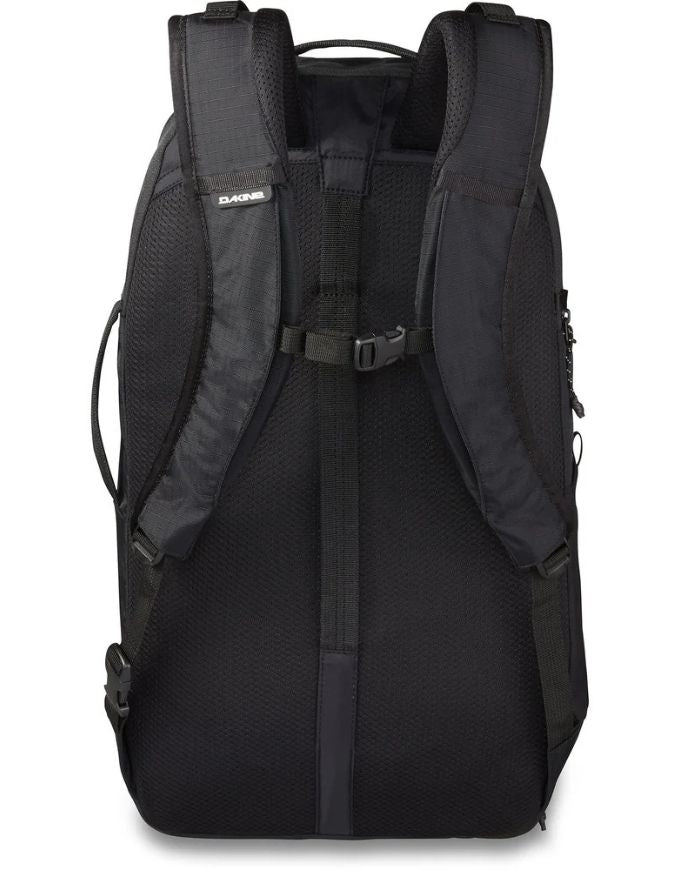
Dakine Split Adventure LT 28L | Black Rip Stop
$964.00
$1,134.00

Dakine Team Mission Pro 32L Backpack | Black
$1,590.00
$1,870.00

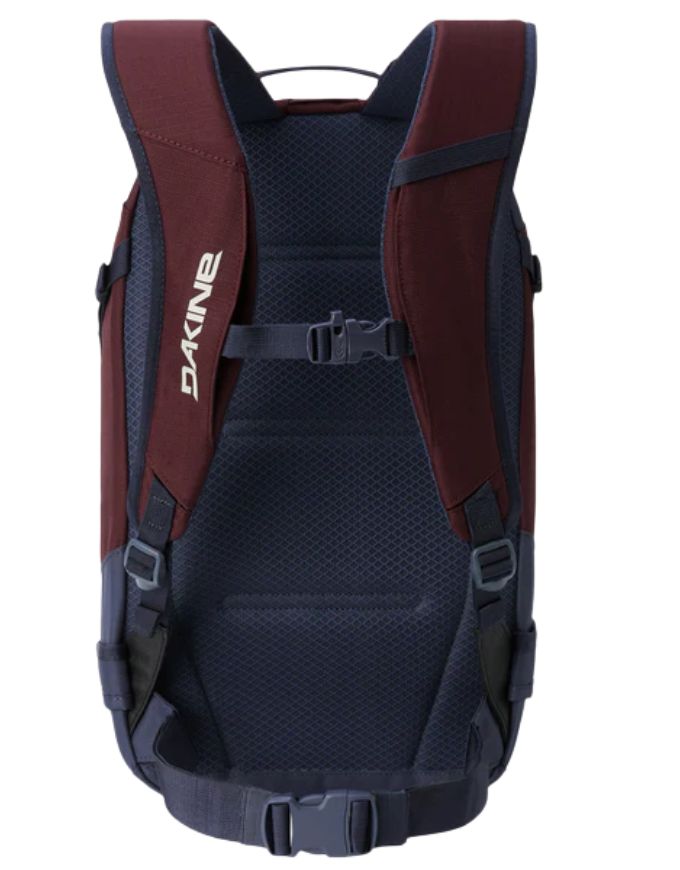
Dakine Women's Heli Pro 20L Backpack 2026 | Port Royale
$1,252.00
$1,473.00

Dakine Women's Heli Pro 20L Jamie Anderson Backpack 2025 | Waterfall
$1,445.00
$1,700.00

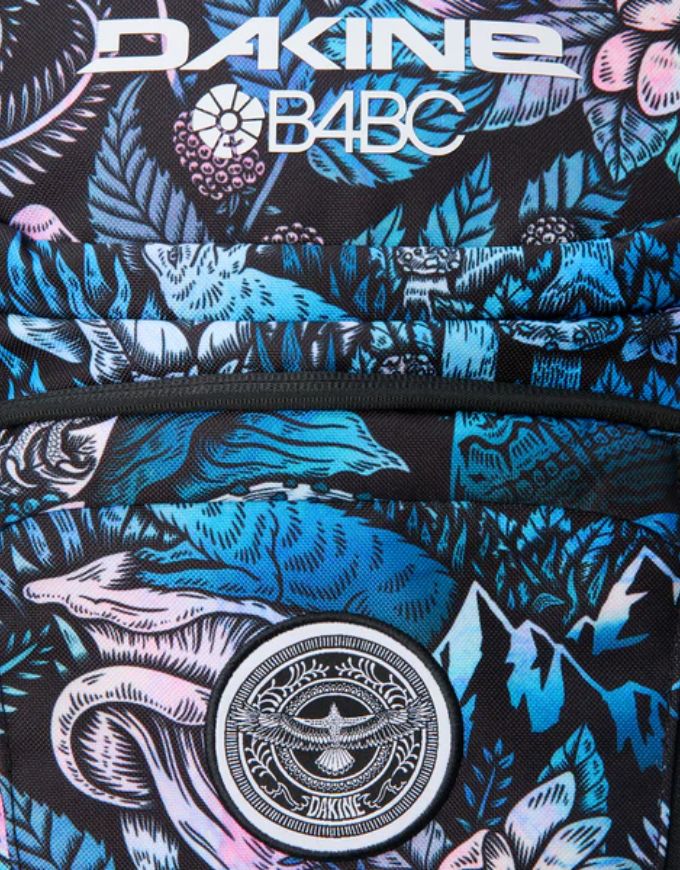
Dakine Women's Heli Pro 20L X B4BC Backpack 2026 | B4BC Kingdom
$1,204.00
$1,417.00

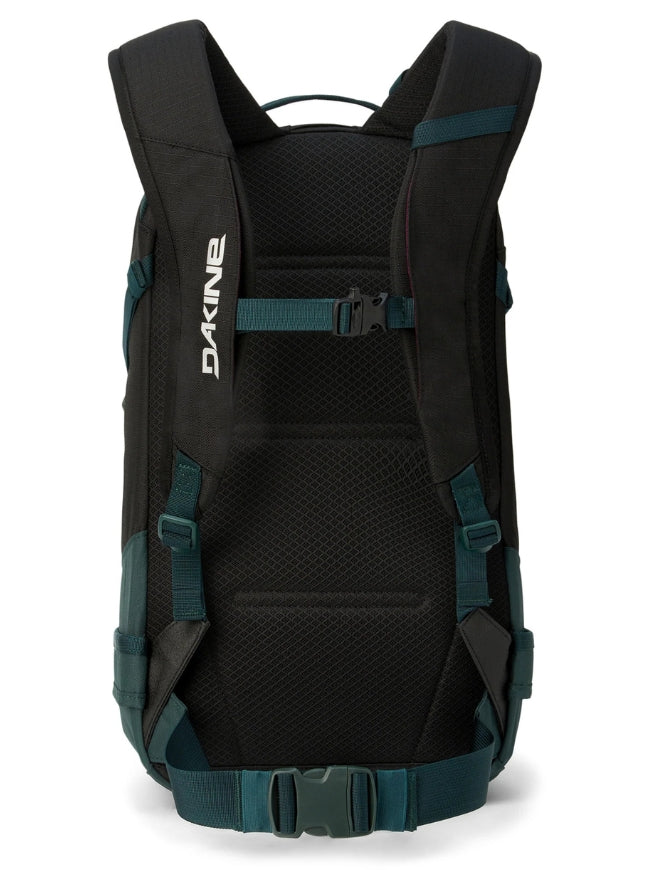
Dakine Women's Heli Pro 24L Backpack 2025 | Darkest Spruce
$1,252.00
$1,473.00
Frequently Asked Questions
10 to 20 litres covers most riding days and most everyday use, which is enough for water, a layer, snacks and goggles. Go bigger only when you are genuinely carrying more, because a pack that sits too proud catches on the lift bar every time you sit down.
Yes, and plenty of ours are bought by people who never take them near snow. A pack built to survive a season of wet chairlifts and thrown gear is overbuilt for a commute, which is exactly why it lasts. For everyday use choose a resort-sized pack rather than a touring one, since board carry straps and avalanche tool pockets are dead weight off the mountain.
Only if it is oversized. A pack in the 10 to 20 litre range sits close enough to your back not to snag. Using the sternum strap also stops it shifting across your back mid-turn, which most riders never bother with.
The hose freezes well before the bladder does. On genuinely cold days look for an insulated hose, otherwise you are carrying weight you cannot actually drink from.
Vertical is quickest on and off and suits tight bootpacks. Diagonal spreads the load and is more stable on longer approaches. A-frame is the most balanced for sustained climbing. It only matters if you are walking or hiking in, but it is essential once you are.
A pack with board carry and dedicated shovel and probe storage, plus the safety kit itself. A transceiver, shovel and probe are not optional beyond the boundary, and neither is the training to use them properly.
Let customers speak for us
Bang Bang Crate
Fits perfect on my Fatboy Scrambler, comes with mounting screws. Very happy
Stuart Murray (fastwrxau)

Burton step on bindings
These were great to use. Forget about ratchets and spend more time going down hill rather than down on your bum tightening your bindings.
clinton eagles

Great customer support
I ordered 2 sets of bearings and only one arrived after contacting them they sent out second set straight away with express delivery so all good in the end
Christian Roberts (croberts3122)
10/10 recommend
I'll definitely be buying through twelveboard store again, quick easy delivery and great sales! Very happy with the service and the snowboard
Corrie Schuhmann
Dudes are always super helpful
Dudes are always super helpful.
Phil Edwards
Amazing
Amazing Store!
Anonymous
Slappy ST1 Skate Tool
Perfect. best t tool I have owned. Left my last one at the skatepark, so had to get a replacement. Do not regret getting the Slappy ST1 Skate Tool.
Casey Daw
The boots are great, super comfortable and best of all they have kept my foot warm in the snow.
Shout out to the team at the Twelve Board Store for being super helpful when i went in to pick the boots up
Stephanie

Fantastic customer service and great items
Fantastic customer service and great items. Super happy with my experience.
Natasha Pase-Taneja
Perfect
Perfect
Anonymous
Purchased new set of tyres for electric skateboard
Purchased new set of tyres for electric skateboard. Tyres are perfect, white walled so the also look great. Online purchase so simple, pick up from Bridge Rd store took 2 minutes. 100% satisfied.
Greg cunningham
Love these guys
Love these guys. They always go out of their way to help me out. Super knowledgable too
Anonymous
Top marks for speed of delivery
I ordered gear from 3 different skate stores, These guys were by far the fastest and best to deal with.
Barry Vaughan
great
had it as a mid layer this weekend and was very satisfied with it. even as a standalone vest
brad greene

Travel ready Split /Resort binding
Easily modifiable to fit Alpine Prime bindings along with a Quiver Connector means I have a premium split/resort Straightline binding ready to rip on my travels
Sean Burke

Featured collection
View all →
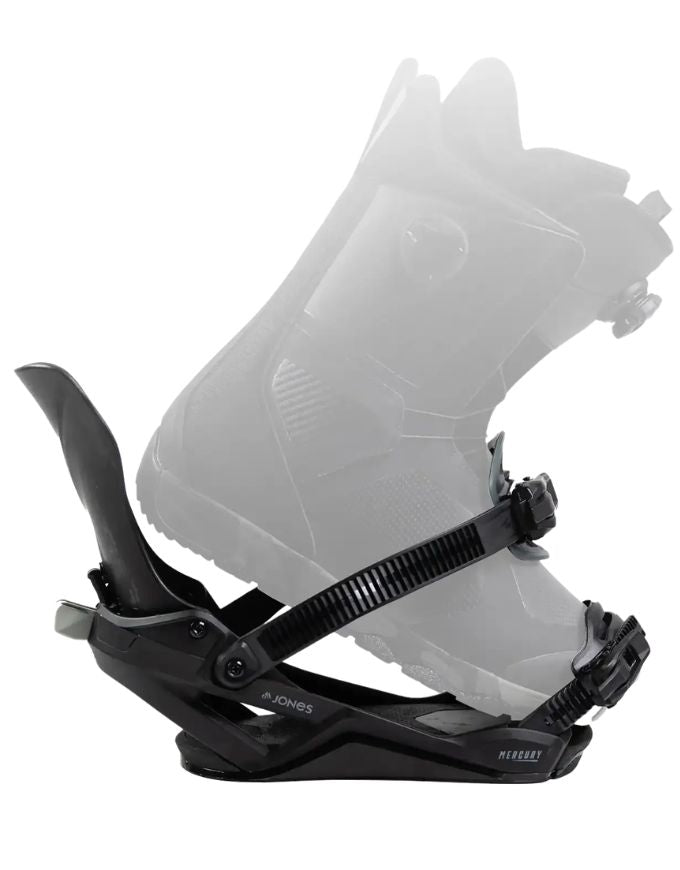



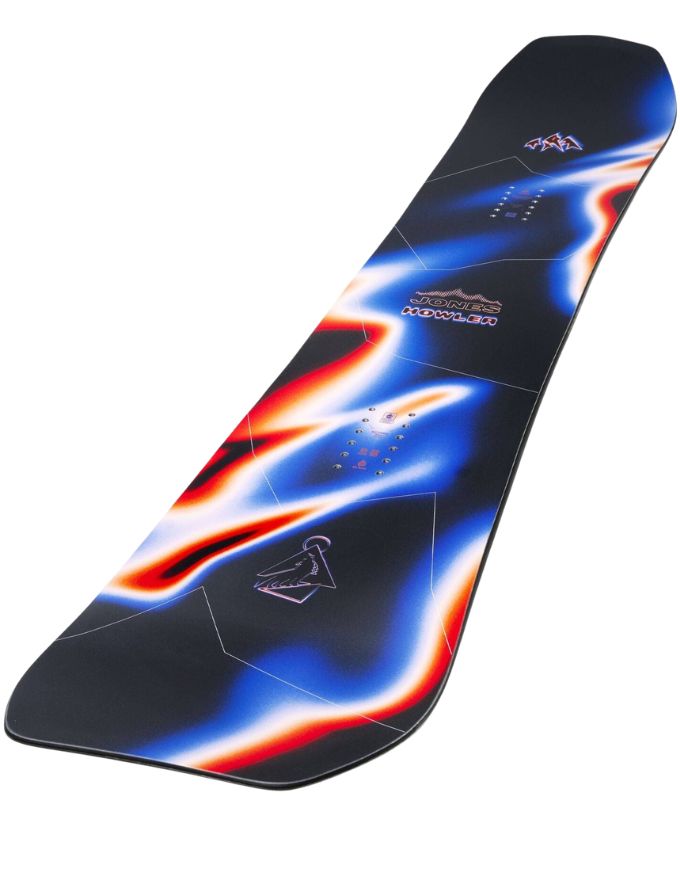
Jones Howler Snowboard | 2027
$6,799.00