

News


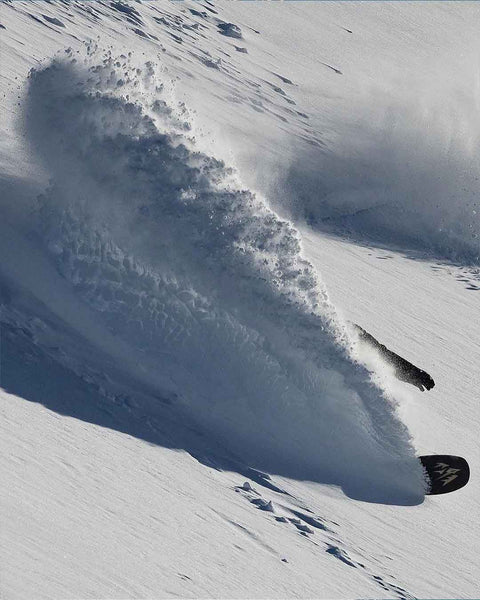
You're about to jump on a plane to Japan to chase that legendary powder — and trust us, it really is as good as everyone says. But before you zip up your board bag and start dreaming of waist-deep turns, there are a few things you'll want dialled so your trip runs smoothly from touchdown to last lap. We stock everything you will need right here 12 months a year at Twelve Board Store.
Japan is cold, efficient, cultural, and incredibly snow-rich — but it also works a little differently to home. This guide covers what to pack, how to pack, and a few insider tips that will save you time, stress, and money once you're there.
Japan's main snow regions are spread across two islands. Honshu is the country's largest island and home to Tokyo, Nagano and the Hakuba Valley. Hakuba is known for steeper alpine terrain, bigger vertical, and a mix of Japanese and international resort culture. Snowfall is excellent, though conditions can vary more than further north. Myoko offers deep snow and quieter riding; Nozawa Onsen offers a traditional village vibe, steep terrain and legendary onsens.
Further north is Hokkaido, Japan's powder capital. Colder temperatures, lighter snow and consistent storms. Niseko is the most famous area, but Furano and Rusutsu are standouts with incredible tree riding and fewer crowds. To maximise your riding time, choose one region and commit rather than bouncing between islands.
When it comes to packing, less is more. A good wheeled snowboard bag will fit almost everything you need. One of the biggest tips: carry your snowboard boots onboard with you. If your board bag gets delayed, you can rent boards, outerwear and helmets locally — but properly fitting boots are much harder to replace. Boots plus essentials means you're still riding if your luggage arrives late.
Japan powder days are often deep, cold and stormy, so your snow gear matters. You can get away with a regular all-mountain board, but Japan truly shines on a powder-specific snowboard. Directional shapes, tapered tails and volume-shifted designs make tree riding effortless and reduce fatigue on long days. A proper waterproof jacket and pants are essential, along with warm base layers, mid-layers and good gloves or mitts. A balaclava or full neck coverage is strongly recommended — storms can be relentless.
A helmet is highly recommended, and good goggles are non-negotiable. Bring a low-light or storm lens, as flat light is common during snowfall. Bring multiple pairs of snowboard socks — dry feet make a massive difference over a long trip.
Off the mountain, Japan is just as much part of the experience. You'll want waterproof, non-slip footwear for snowy streets. Bring a travel adapter, organise international roaming or an eSIM, pack lip balm and moisturiser, and don't forget your passport.
Japan is very cash-friendly — make sure you have a card that works internationally. 7-Eleven ATMs accept foreign cards and are everywhere.
Onsens are a huge part of Japanese snow culture. Most are completely nude, with no swimwear allowed, and some restrict tattoos. Always check local rules before entering. Bring a pocket towel.
If riding sidecountry or backcountry terrain, preparation is critical. You'll need proper avalanche knowledge, a beacon, probe, shovel, suitable backpack and a touring setup. Many resorts have sidecountry gates — once through them, you are no longer in controlled terrain. If you're unsure, hiring a qualified guide is one of the best investments you can make.
Essentials to pack: passport, ATM or credit cards, phone and charger, power adapter, snowboard, wheeled board bag, helmet, goggles, waterproof gloves or mitts, snow pants and jacket, non-cotton base layers, warm mid-layer, multiple snowboard socks, street clothes.
Backcountry essentials: avalanche knowledge, beacon, probe, shovel, touring backpack, poles, splitboard with fitted skins or snowshoes, proper maps or local knowledge.
Extra but useful: spare goggle lenses, spare gloves, sunglasses, extra socks, face mask or neck gaiter, snow boots for walking around town, headlamp, camera, bathing suit if visiting pools that allow swimwear.
Japan trips are unforgettable, but preparation makes all the difference. If you're unsure about board choice, layering, luggage setup or what conditions to expect, reach out to our team before you go. We've ridden there, packed for it, frozen, learned the hard way — and we're always happy to help you get it right the first time.
Travel safe, ride deep, and enjoy every turn.
Frequently Asked Questions
Hokkaido is Japan's powder capital — colder temperatures, lighter snow and consistent storms. Niseko is the most famous area, but Furano and Rusutsu are standouts with incredible tree riding and fewer crowds. Honshu is the main island, home to Tokyo, Nagano and the Hakuba Valley. Hakuba has steeper alpine terrain and bigger vertical. Honshu snowfall is excellent but conditions can vary more than Hokkaido. To maximise riding time, choose one region and commit rather than bouncing between islands.
Yes. If your board bag gets delayed, you can rent boards, outerwear and helmets locally — but properly fitting snowboard boots are much harder to replace. Always carry your own boots plus essentials as carry-on. If your luggage arrives late, you are still riding.
Japan is still very cash-friendly and some rural areas do not accept cards at all. Make sure you have an ATM card or credit card that works internationally. 7-Eleven ATMs accept foreign cards and are everywhere throughout Japan — no stress if you do not exchange money before you leave.
Most onsens are completely nude with no swimwear allowed, and some restrict tattoos. Always check local rules before entering. Bring a pocket towel for onsens. Rusutsu's wave pool allows swimwear and is a good alternative if you have tattoos or prefer not to enter nude onsens. Onsens are a huge part of Japanese snow culture and well worth experiencing.
Essentials: passport, ATM or credit cards, phone and charger, power adapter, snowboard or powder-specific board, wheeled board bag, helmet, goggles including a low-light storm lens, waterproof gloves or mitts, snow pants and jacket, non-cotton base layers, warm mid-layer, multiple snowboard socks and street clothes. Also: travel insurance and cash. For sidecountry or backcountry riding: beacon, probe, shovel, touring backpack, poles, splitboard with skins or snowshoes.
Not necessary but transformative on powder days. A regular all-mountain board works for groomed runs and moderate powder. Japan truly shines on a powder-specific snowboard — directional shapes, tapered tails and volume-shifted designs make tree riding effortless and reduce fatigue on long days. If you are going specifically for powder and deep snow is the primary goal, the investment in a powder board is well worthwhile.
Tags: Featured


