



Burton Family Tree Time Thief Snowboard Fire | 2027
$5,641.00
$6,268.00

Burton Family Tree Hometown Hero Camber Snowboard Earth | 2027
$5,384.00
$5,983.00

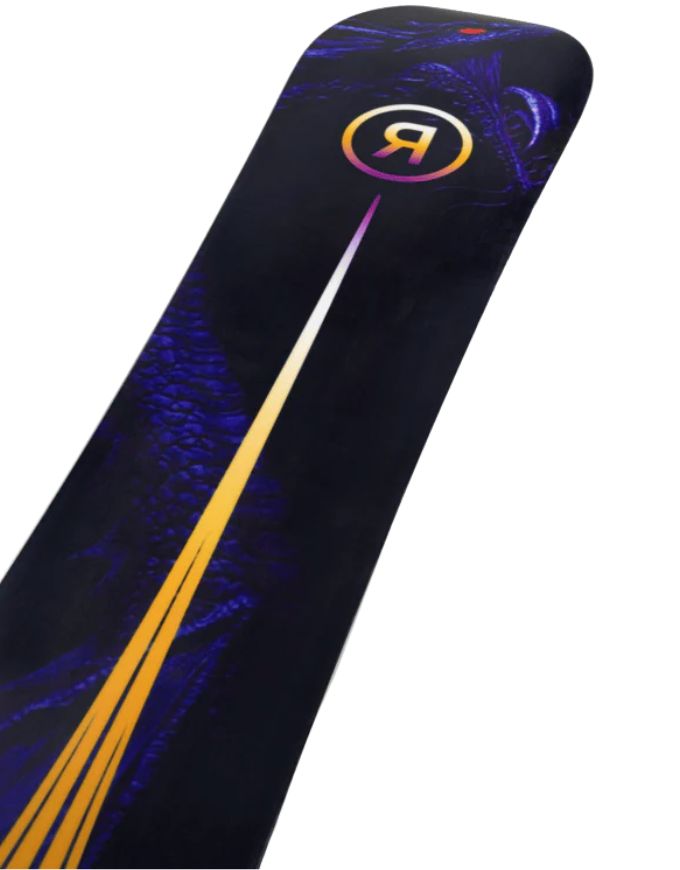

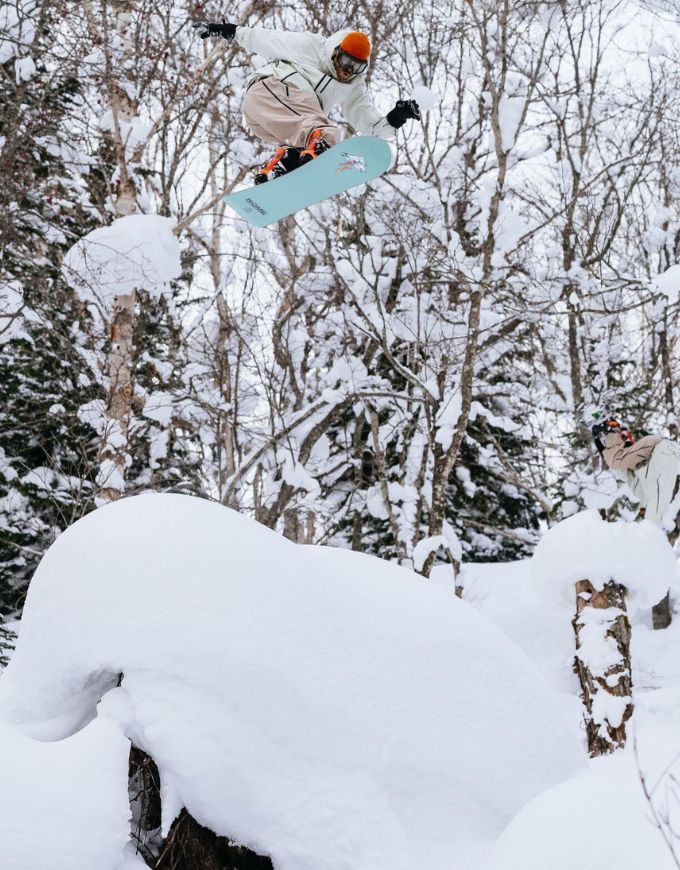
Rome Warden Snowboard | 2027
$4,256.00
$4,729.00

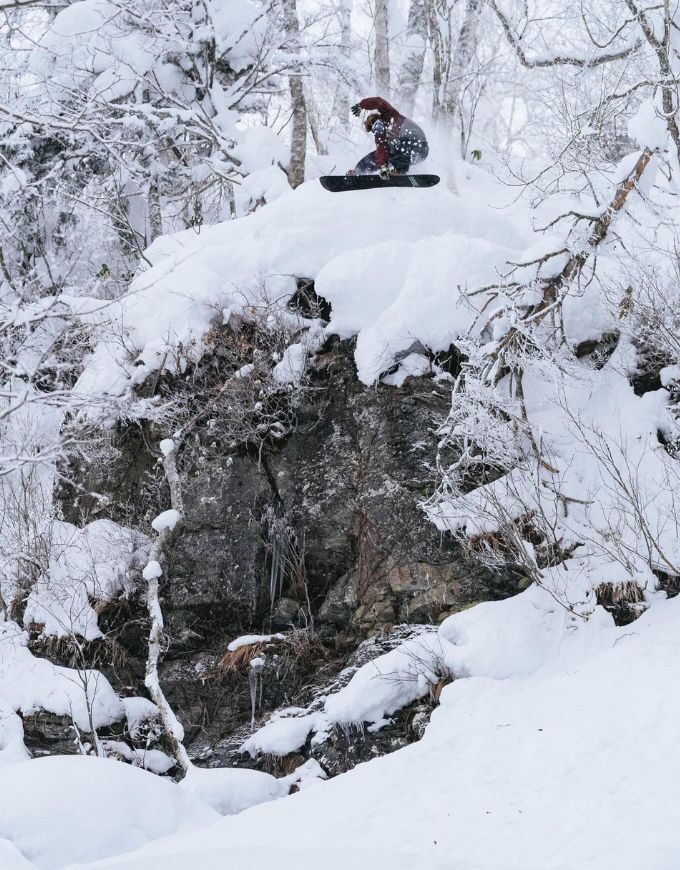
Rome Stale Fish Snowboard | 2027
$5,384.00
$5,983.00

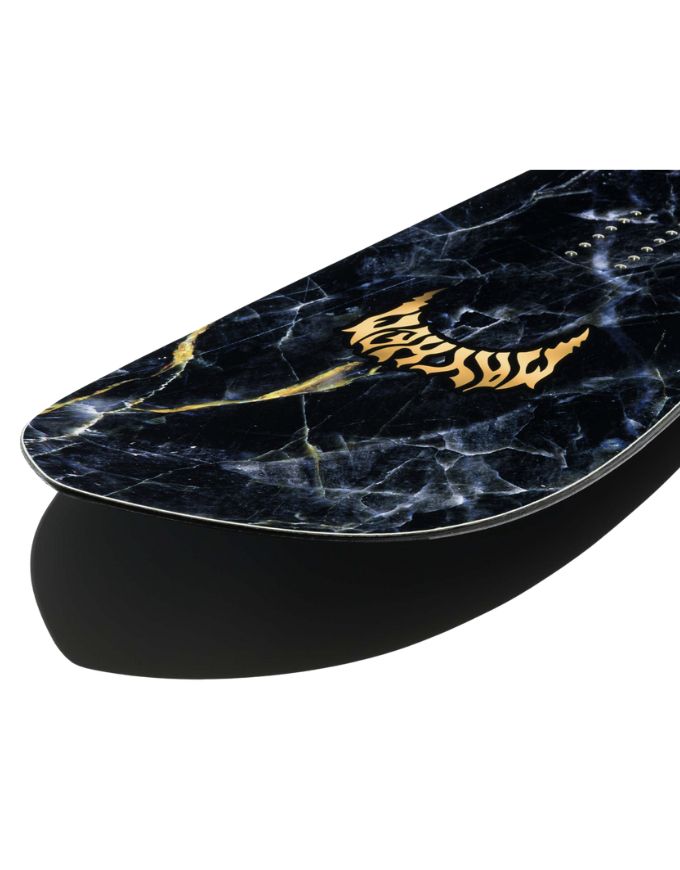

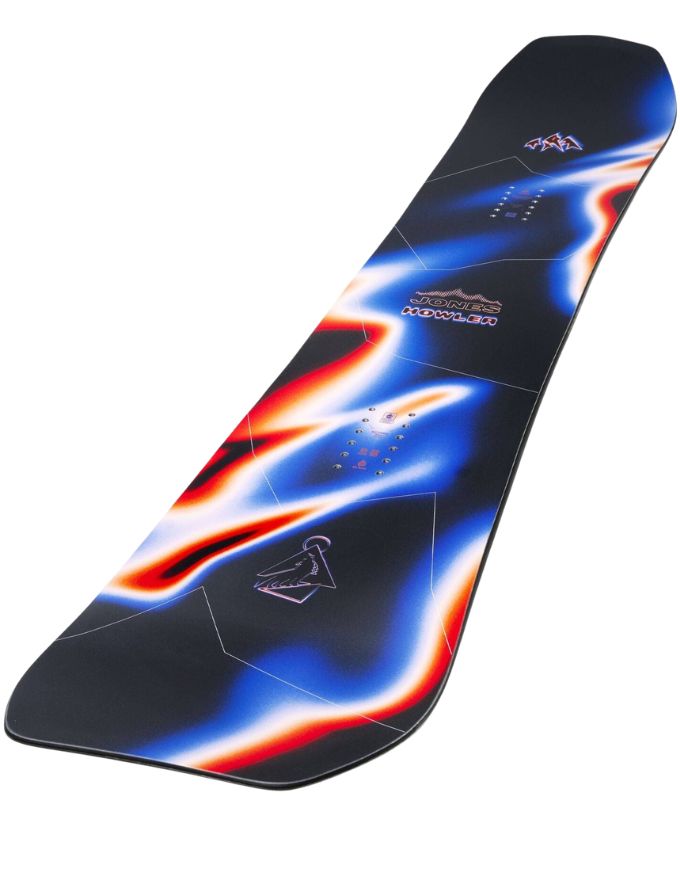
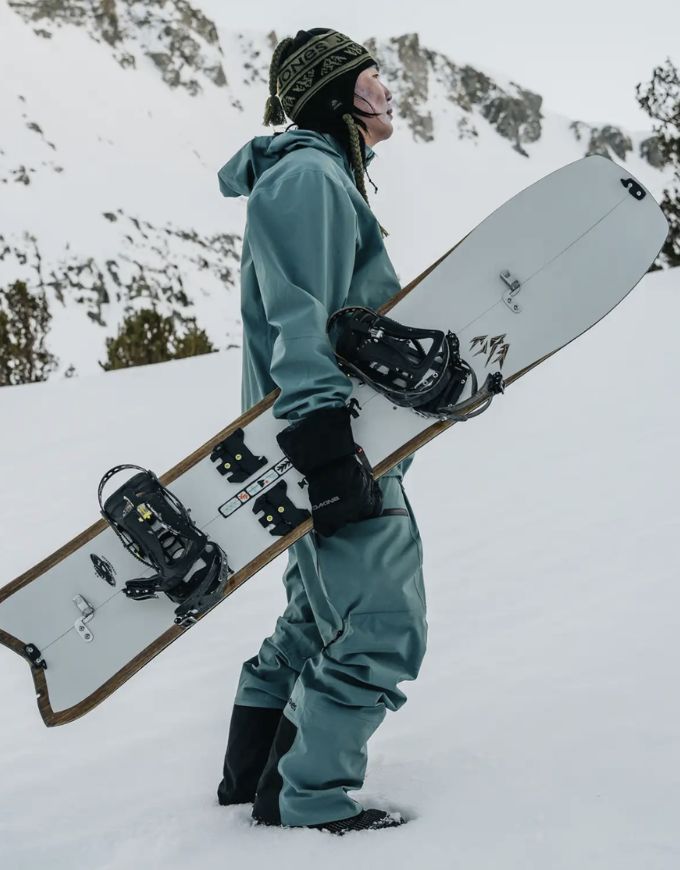
Jones Howler Snowboard | 2027
$6,837.00

Bataleon Party Wave Snowboard | 2027
$4,462.00
$4,957.00

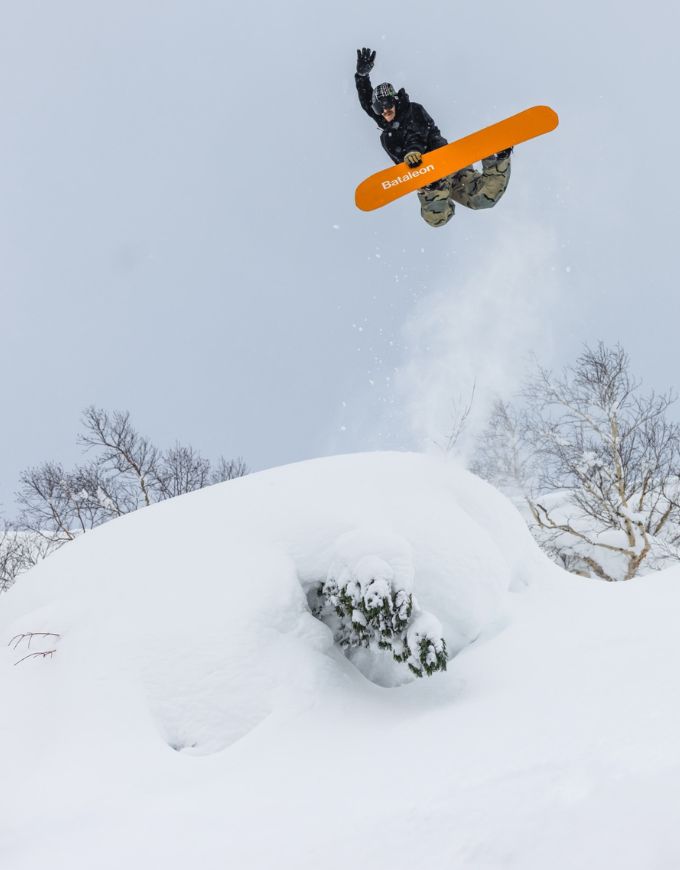
Bataleon Whatever Snowboard | 2027
$4,872.00
$5,413.00

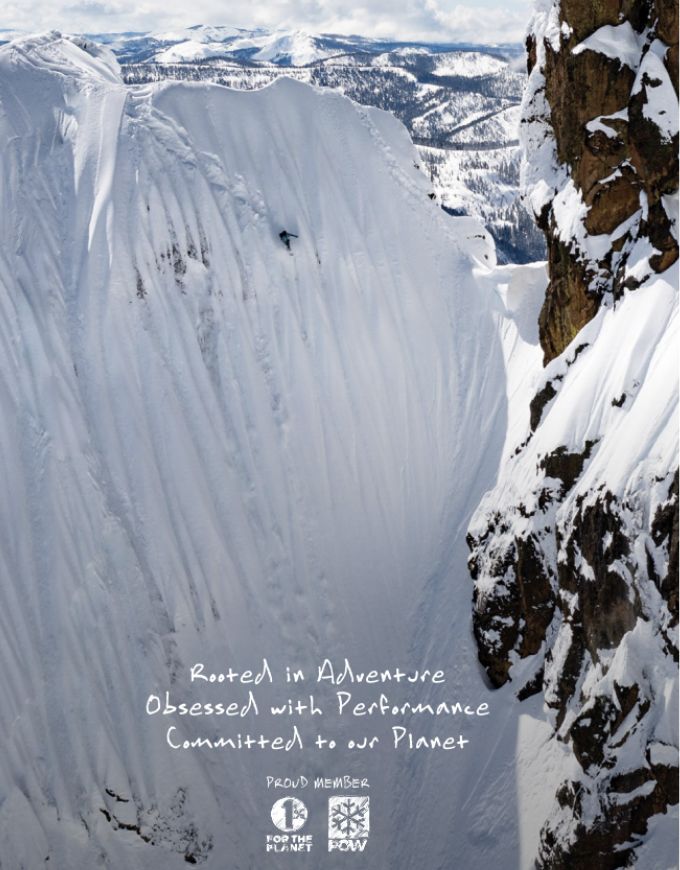





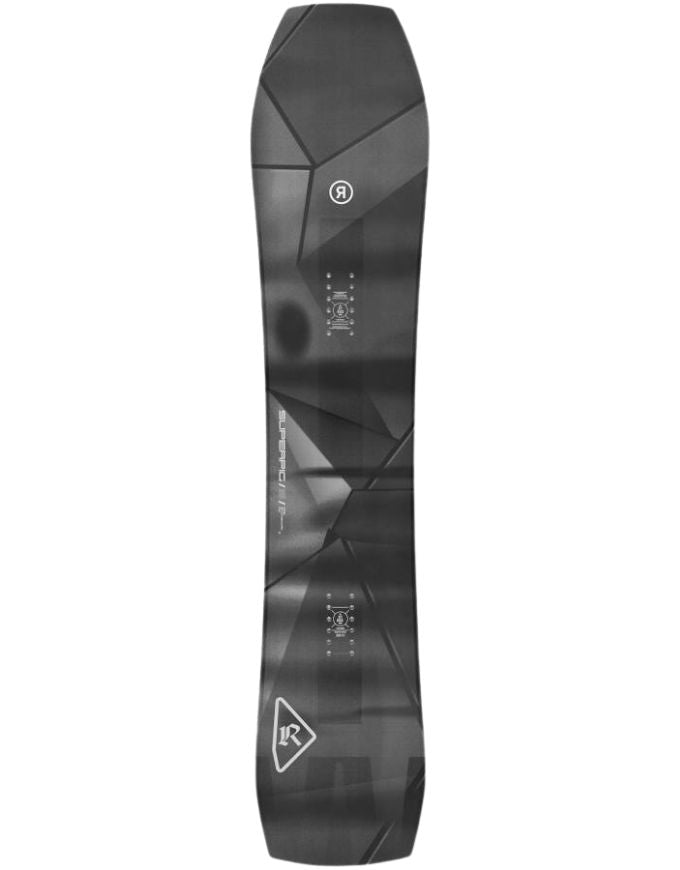

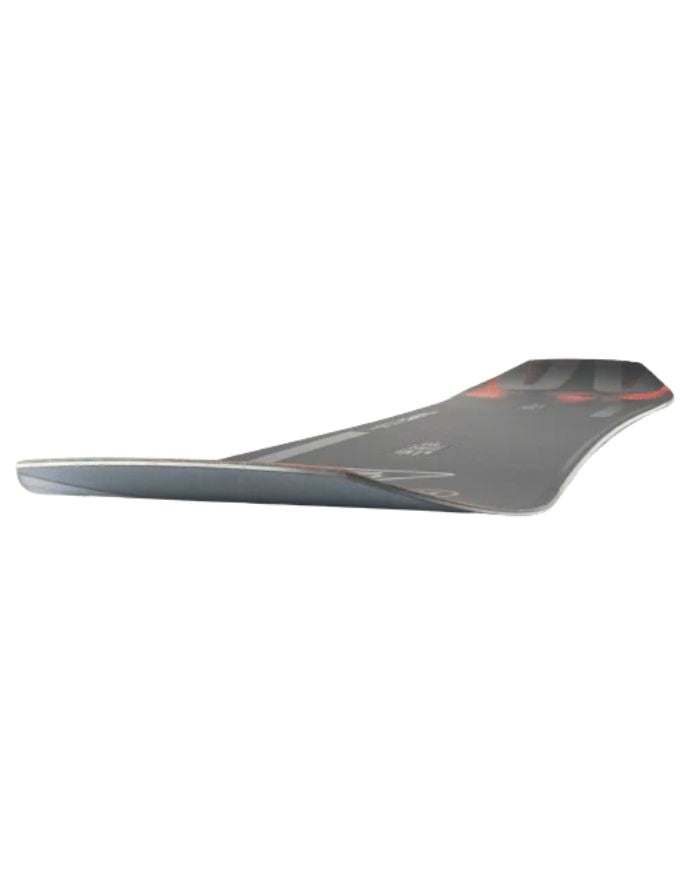
Ride Twinpig Snowboard | 2027
$5,128.00

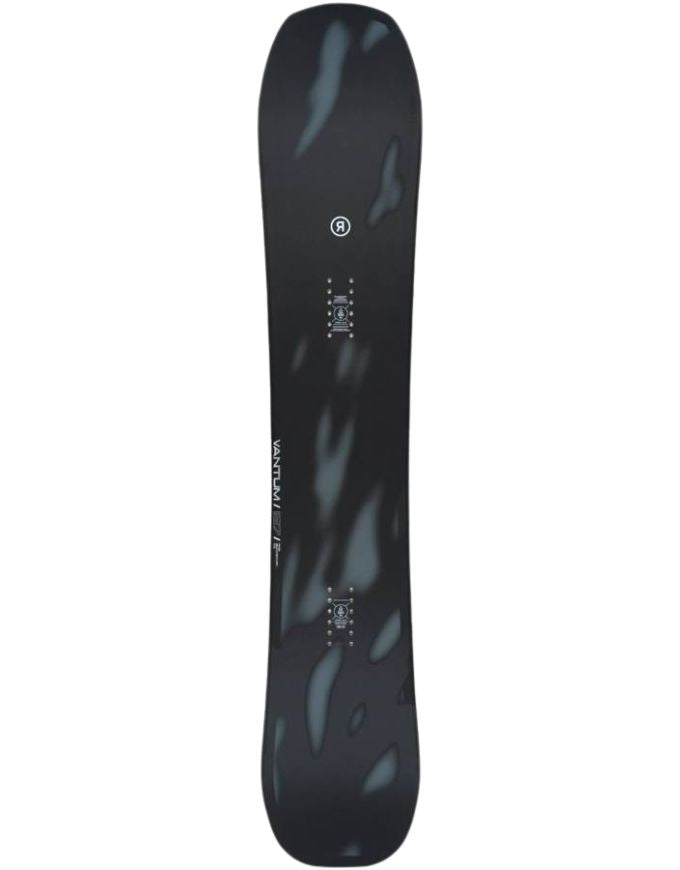
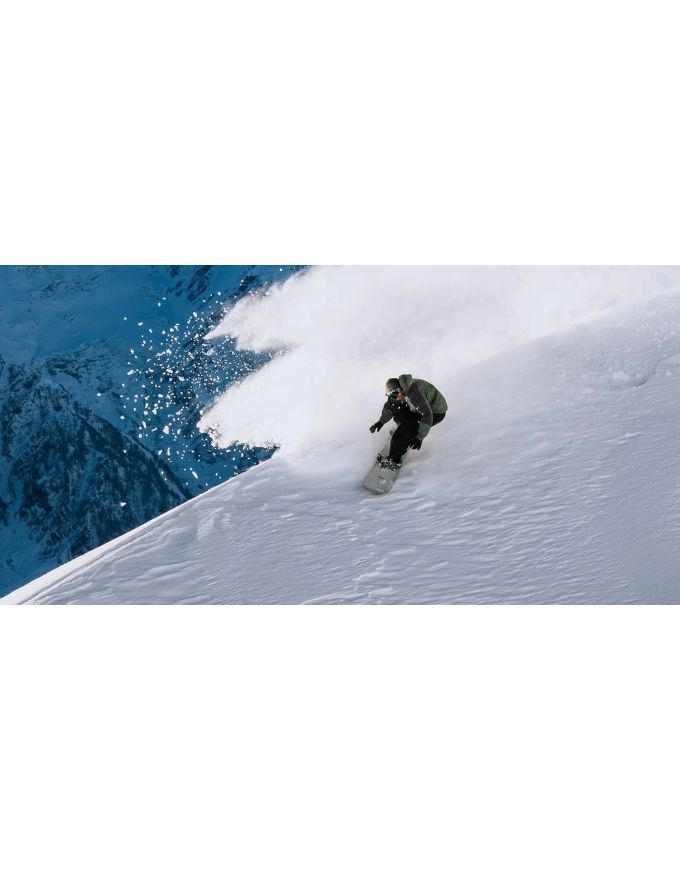
Ride Vantum Snowboard | 2027
$5,698.00

Ride Warpig Snowboard | 2027
$5,527.00

K2 Passport Snowboard | 2027
$5,413.00
Frequently Asked Questions
Cold dry air sweeps off the Siberian landmass, crosses the relatively warm Sea of Japan and picks up huge amounts of moisture, then dumps it on the mountains of Hokkaido and northern Honshu. The resulting snow has very low water content, which is why it feels so light and rides so differently to snow at home.
In Australia powder is an occasional bonus. In Japan deep snow is the normal condition for most of your trip, so float matters on every run rather than a few times a season. On a standard all-mountain board you spend the day leaning back, your back leg burns out by lunch and the nose submarines every time you slow down. It is survivable, but you spend the trip fighting the board.
Niseko in Hokkaido is the usual first trip, with Rusutsu, Kiroro and Furano as quieter Hokkaido alternatives. On Honshu, Hakuba Valley is steeper and more alpine and easier to reach from Tokyo, while Nozawa Onsen and Myoko Kogen offer serious snowfall with traditional village and onsen culture. Madarao is known almost entirely for its tree runs.
Volume-shifted boards, shorter and wider than your normal size, are the standout choice. You get the float of a longer board with the quick edge-to-edge feel you need when gaps come up fast. Swallowtails are exceptional in deep open terrain but ask more of the rider in tight spaces.
The flats. Japanese resorts have long flat run-outs and cat tracks connecting terrain, and deep snow plus flat ground plus no speed means unstrapping and walking. Very short volume-shifted boards and heavily rockered shapes lose speed fastest. If you are choosing between two boards, the slightly longer one usually wins the flats without costing much in the trees.
Most people should take one, and it should not be a full swallowtail unless you already know that is what you want. A dedicated deep-snow board is superb for four days and frustrating on the two days it snows less. A tapered directional freeride board with a setback stance floats plenty for typical Japan conditions and still rides everything else.
Let customers speak for us
Yet to ride
Board looks sick! Arrived quickly and in great condition, nil complaints
Rebecca Edwards

Bang Bang Crate
Fits perfect on my Fatboy Scrambler, comes with mounting screws. Very happy
Stuart Murray (fastwrxau)

Burton step on bindings
These were great to use. Forget about ratchets and spend more time going down hill rather than down on your bum tightening your bindings.
clinton eagles

Great customer support
I ordered 2 sets of bearings and only one arrived after contacting them they sent out second set straight away with express delivery so all good in the end
Christian Roberts (croberts3122)
10/10 recommend
I'll definitely be buying through twelveboard store again, quick easy delivery and great sales! Very happy with the service and the snowboard
Corrie Schuhmann
Dudes are always super helpful
Dudes are always super helpful.
Phil Edwards
Amazing
Amazing Store!
Anonymous
Slappy ST1 Skate Tool
Perfect. best t tool I have owned. Left my last one at the skatepark, so had to get a replacement. Do not regret getting the Slappy ST1 Skate Tool.
Casey Daw
The boots are great, super comfortable and best of all they have kept my foot warm in the snow.
Shout out to the team at the Twelve Board Store for being super helpful when i went in to pick the boots up
Stephanie

Fantastic customer service and great items
Fantastic customer service and great items. Super happy with my experience.
Natasha Pase-Taneja
Perfect
Perfect
Anonymous
Purchased new set of tyres for electric skateboard
Purchased new set of tyres for electric skateboard. Tyres are perfect, white walled so the also look great. Online purchase so simple, pick up from Bridge Rd store took 2 minutes. 100% satisfied.
Greg cunningham
Love these guys
Love these guys. They always go out of their way to help me out. Super knowledgable too
Anonymous
Top marks for speed of delivery
I ordered gear from 3 different skate stores, These guys were by far the fastest and best to deal with.
Barry Vaughan
great
had it as a mid layer this weekend and was very satisfied with it. even as a standalone vest
brad greene

Featured collection
View all →
Jones Howler Snowboard | 2027
$6,837.00