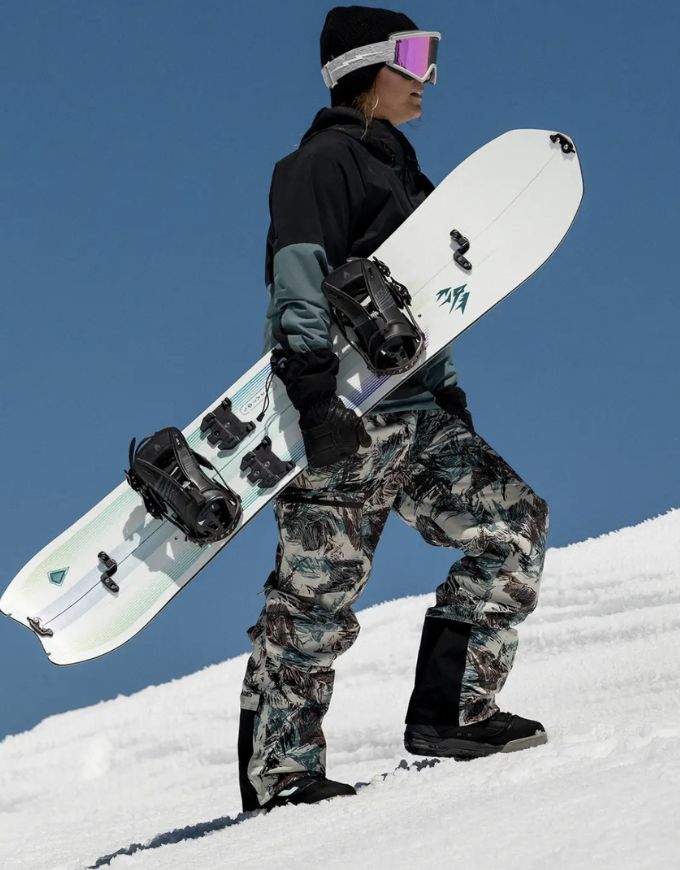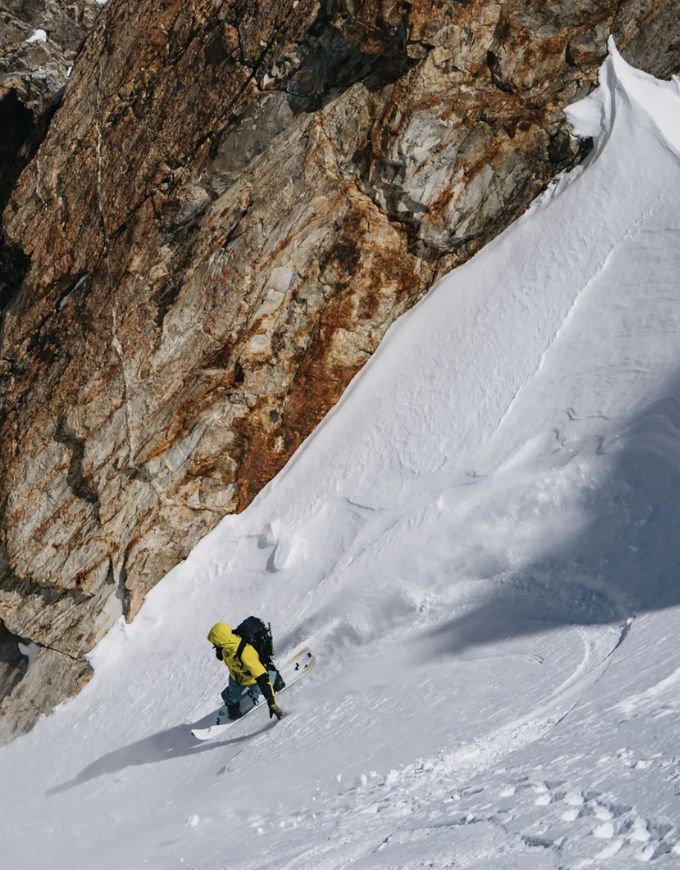


snowboarding
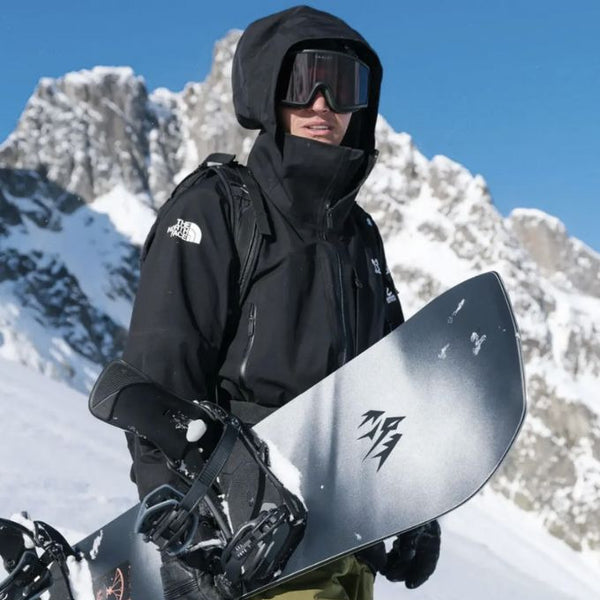
Snowboards
124 products
→
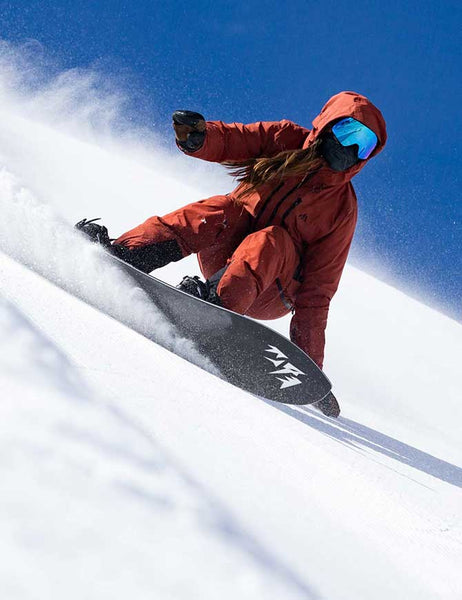
Powder Snowboards
85 products
→
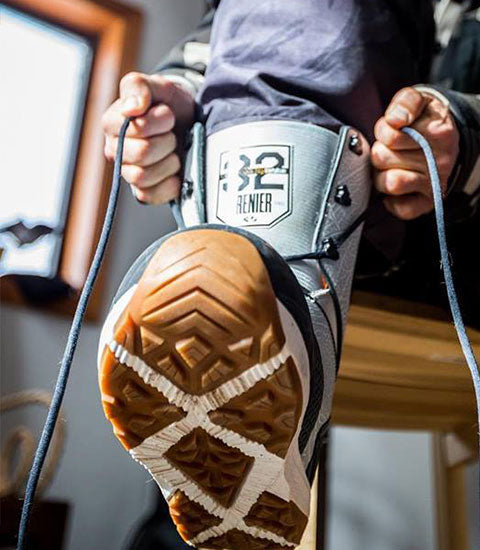
Snowboard Boots
141 products
→
Collection's name
Liquid error (sections/collection-list line 132): comparison of String with 0 failed
→
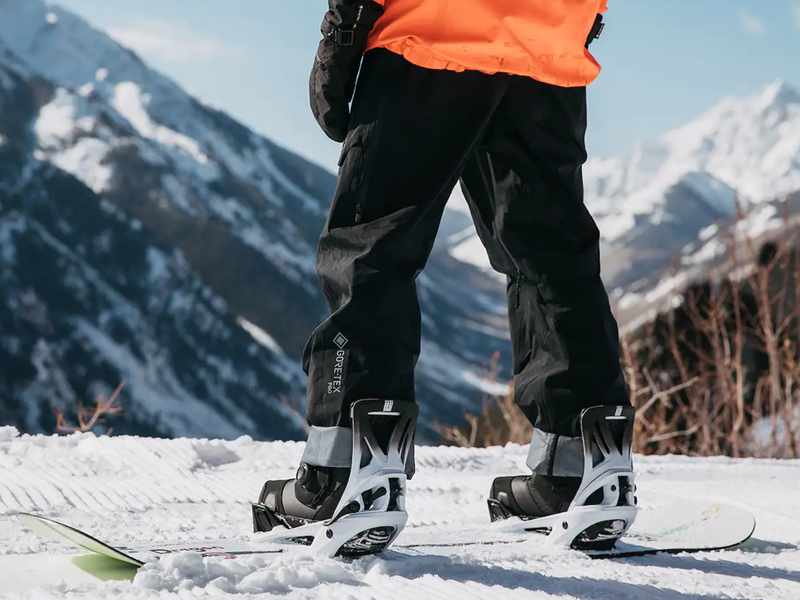
Burton Step On Boots & Bindings
45 products
→
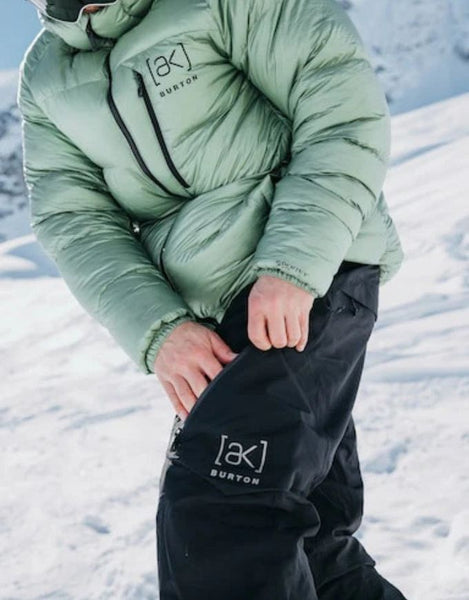
Snowboard Outerwear
171 products
→
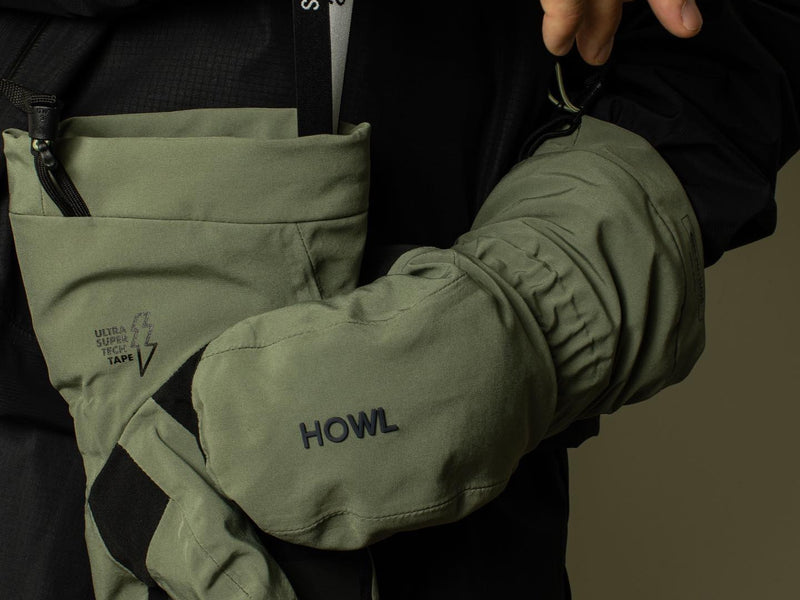
Snowboarding Gloves & Mitts
79 products
→
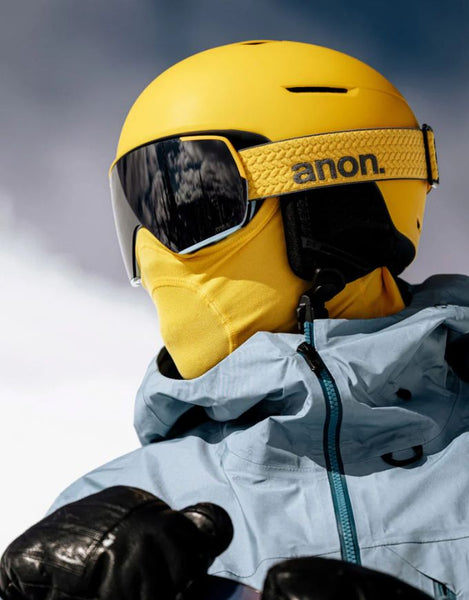
Snowboard Goggles
41 products
→
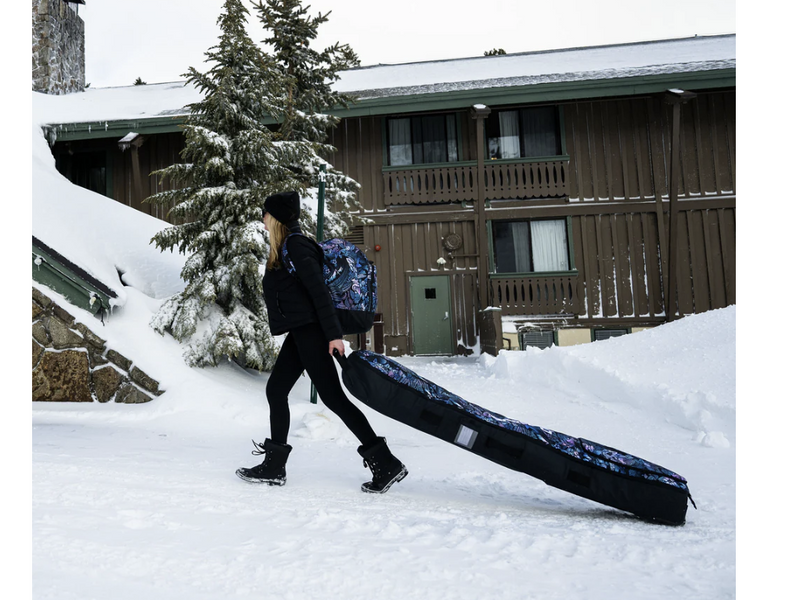
Snowboard Bags
23 products
→
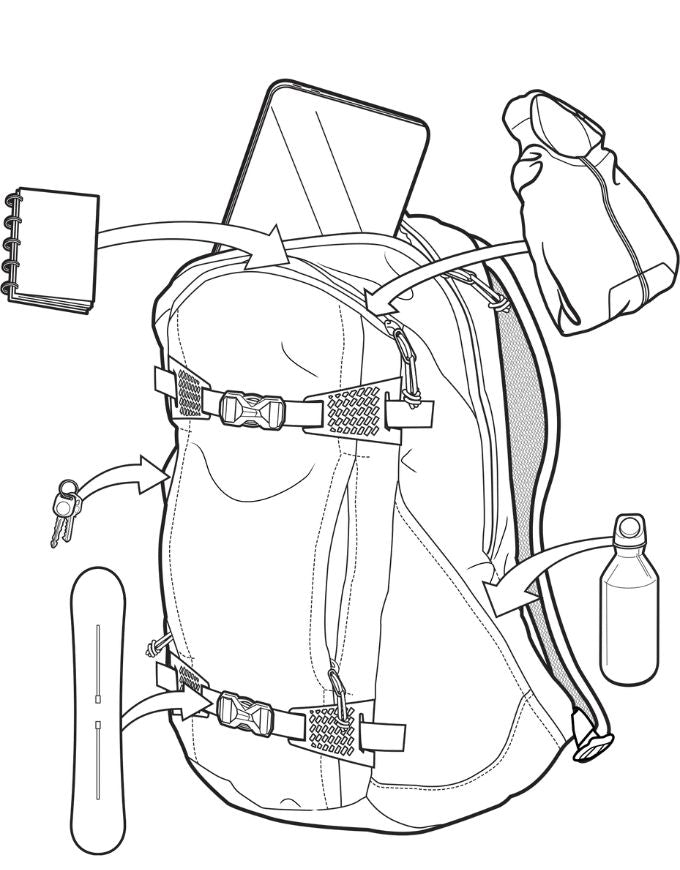
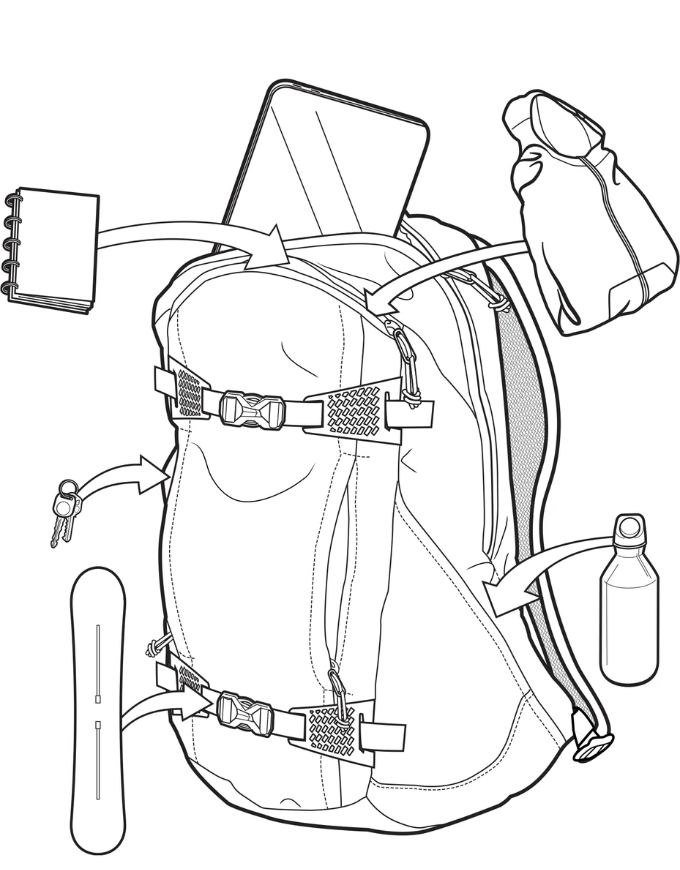
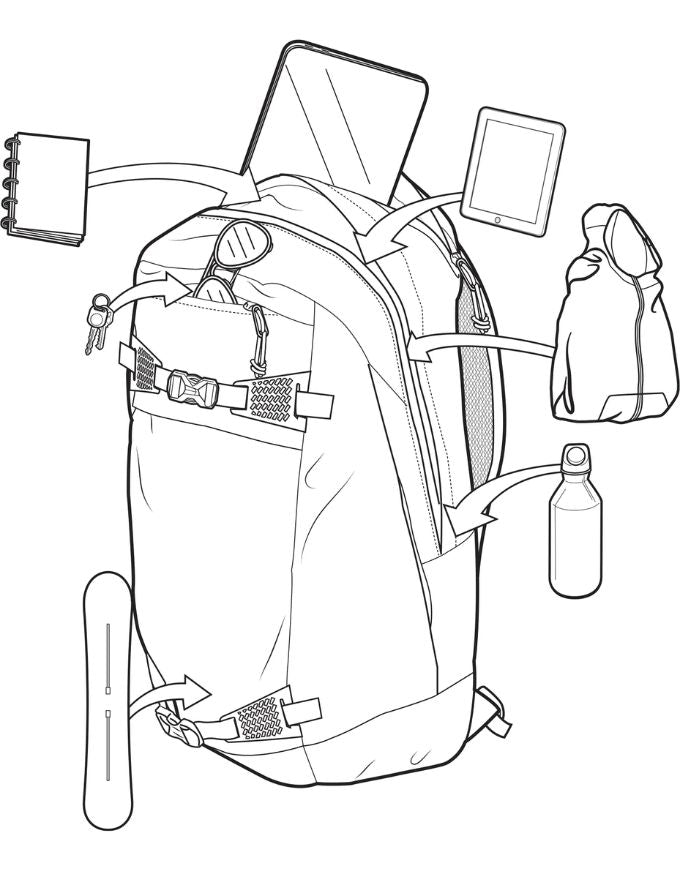
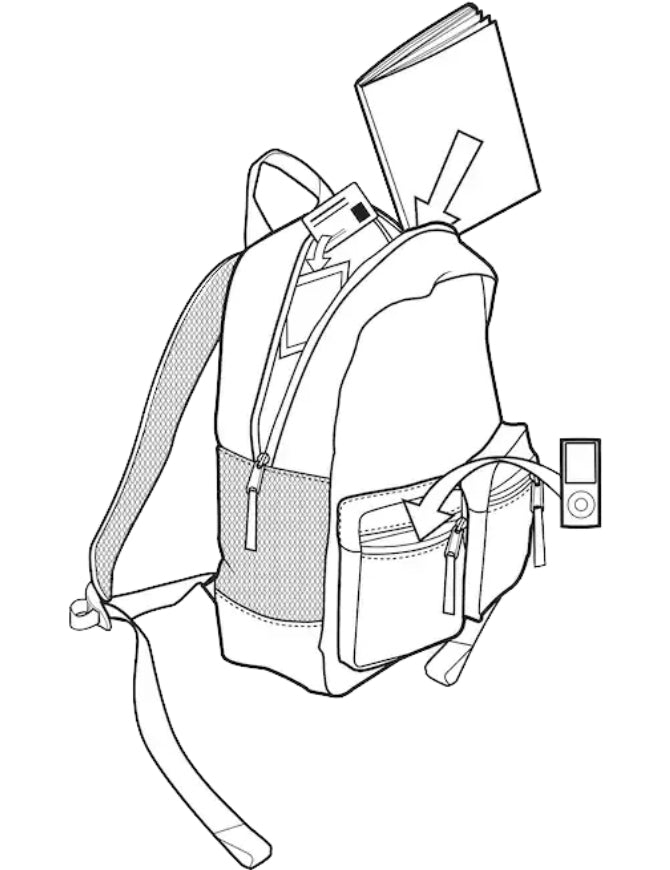
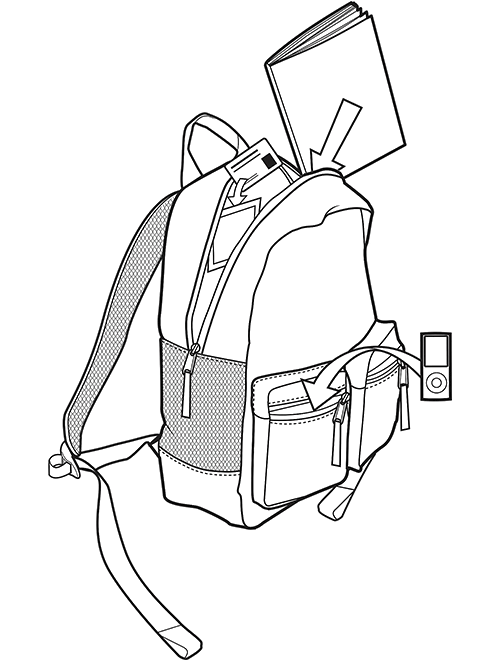
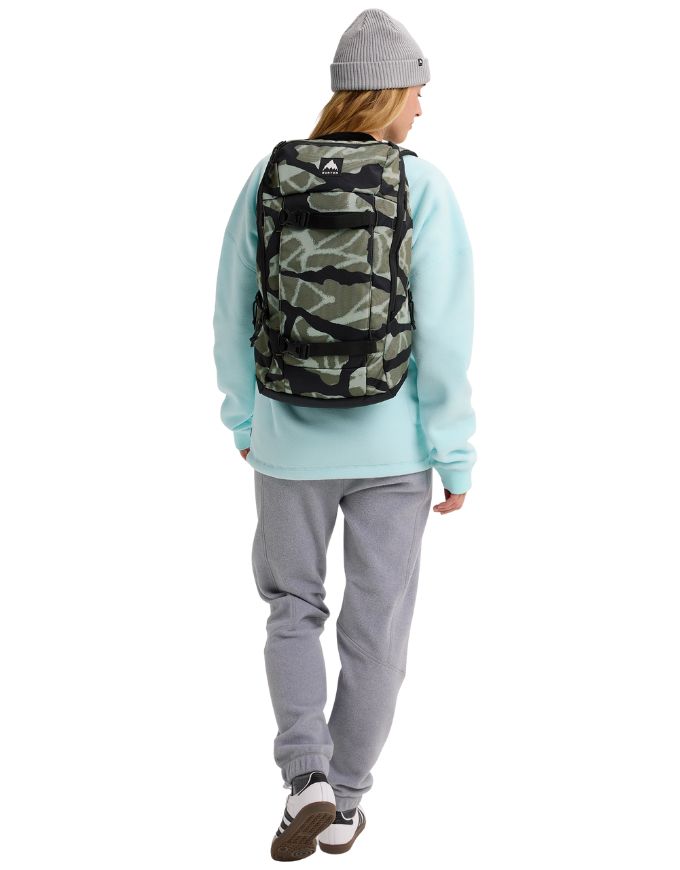
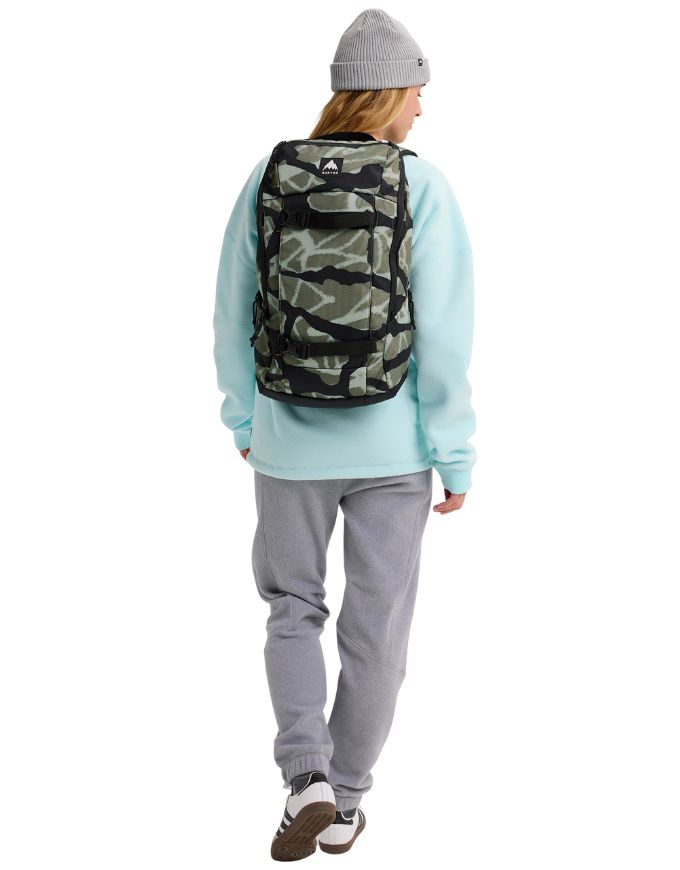
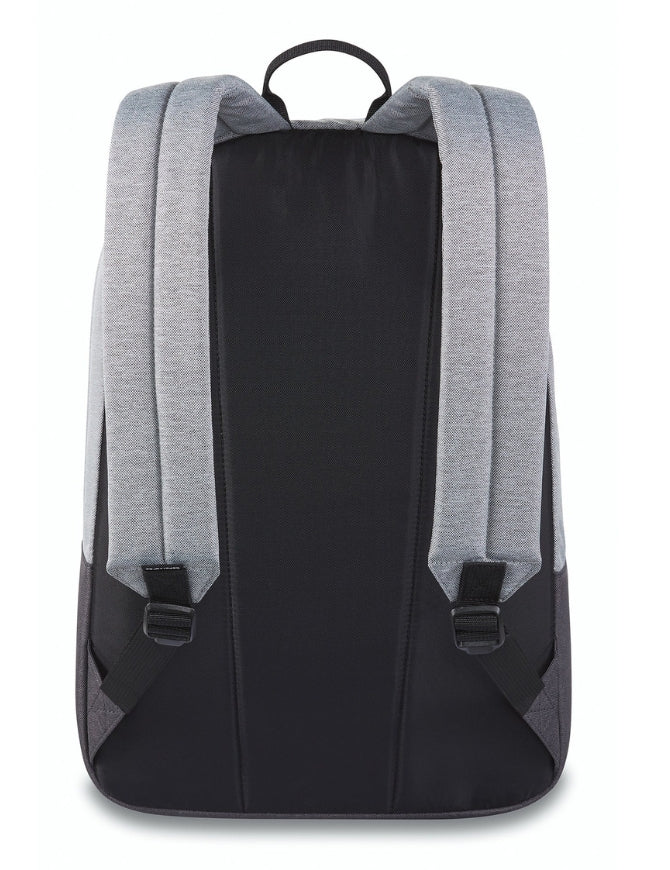
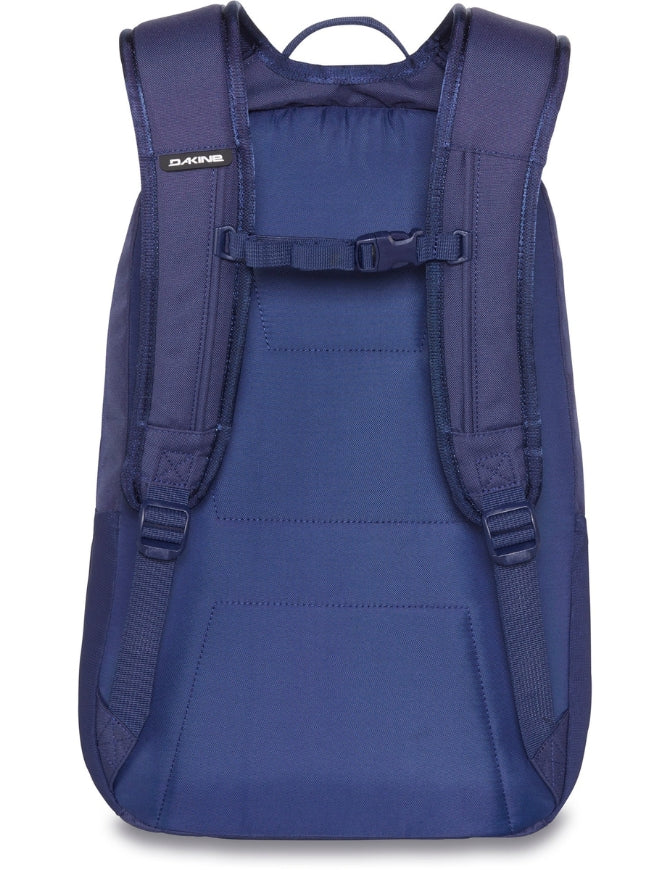
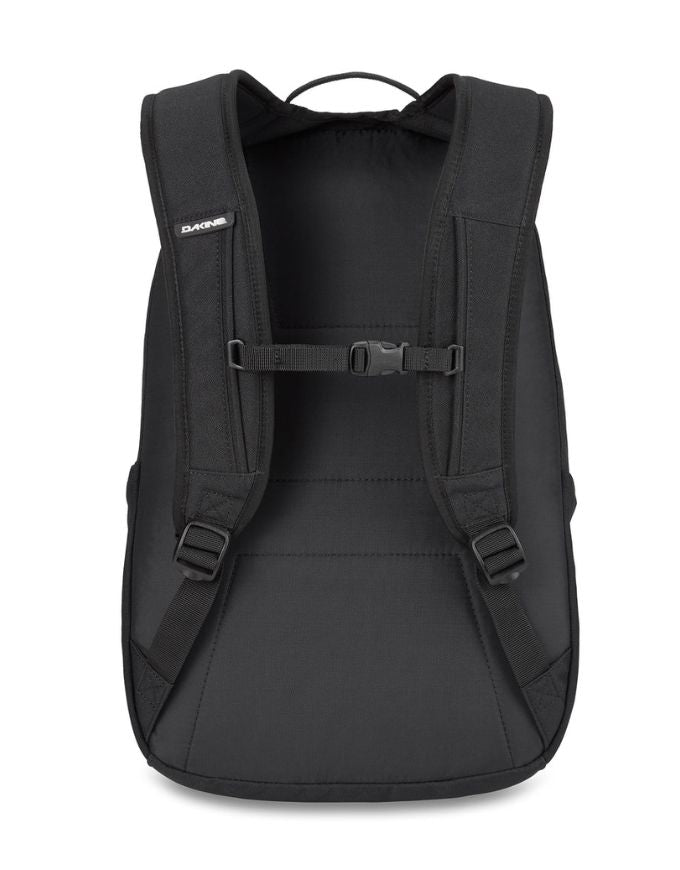
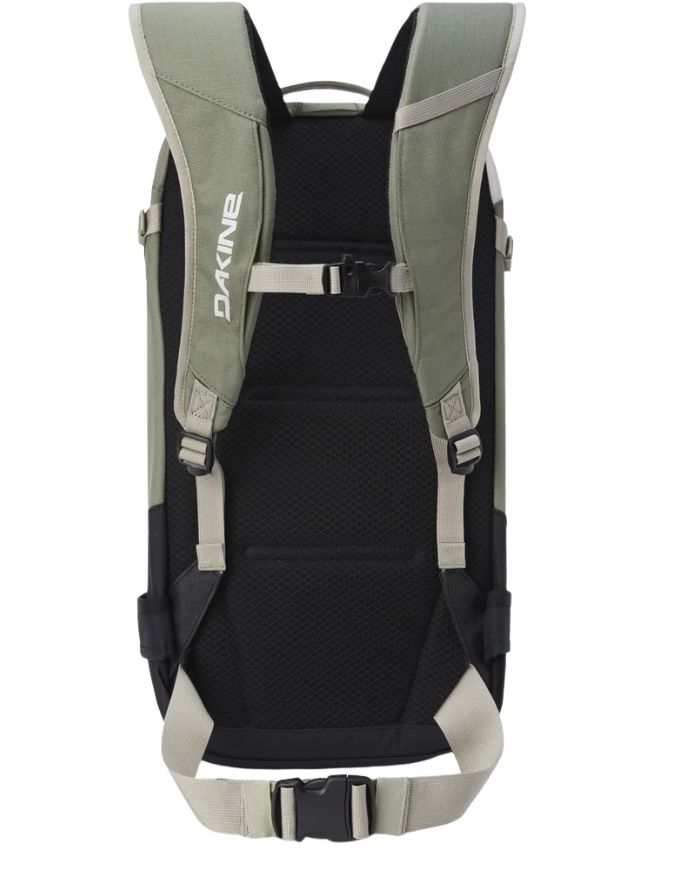
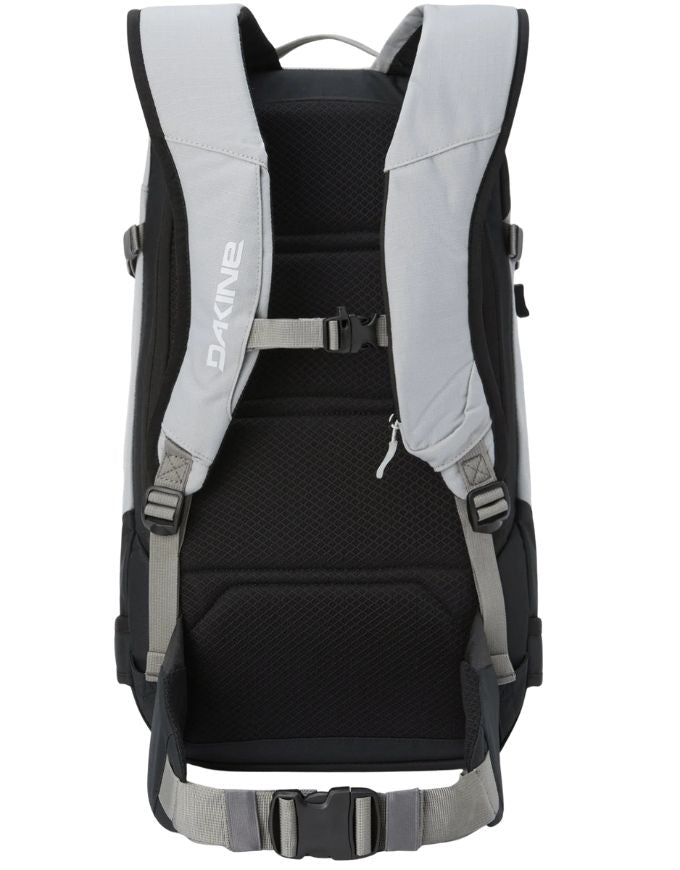
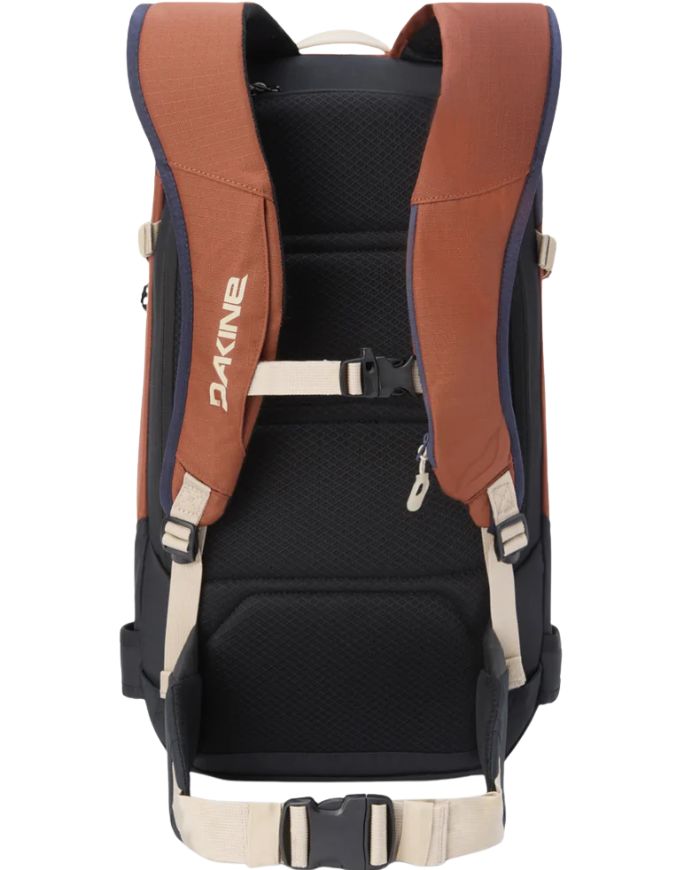
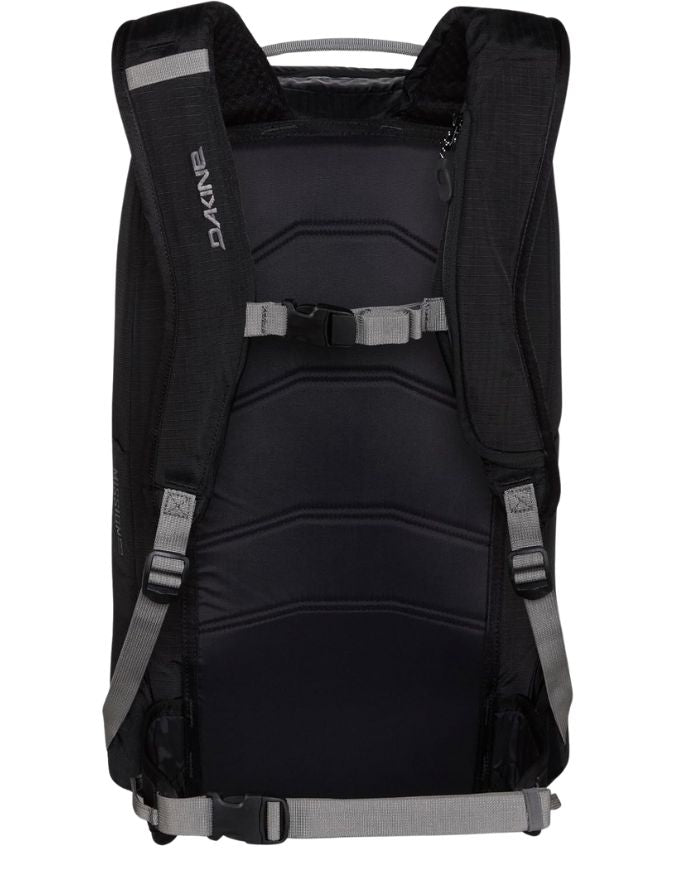
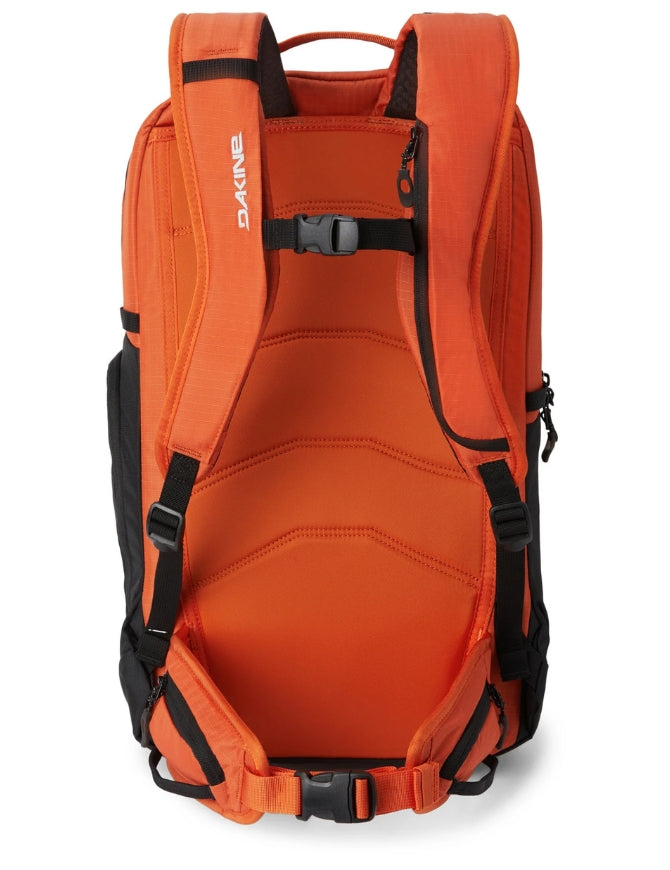
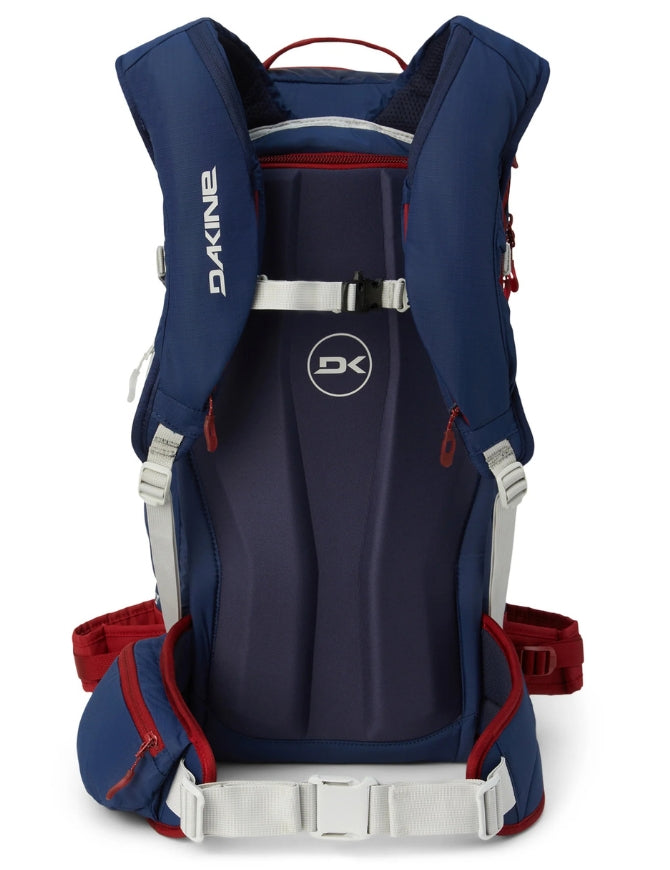
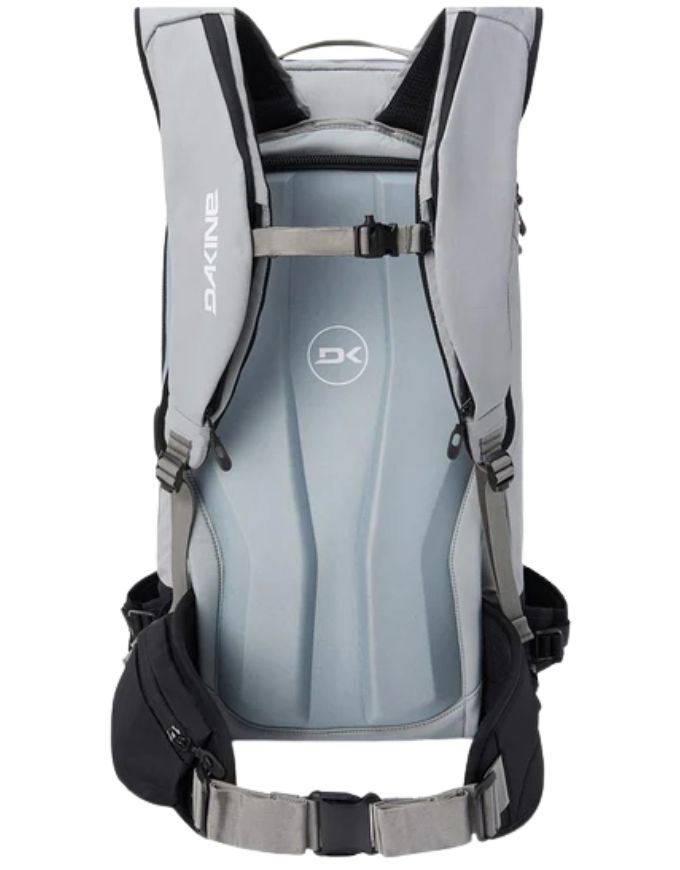
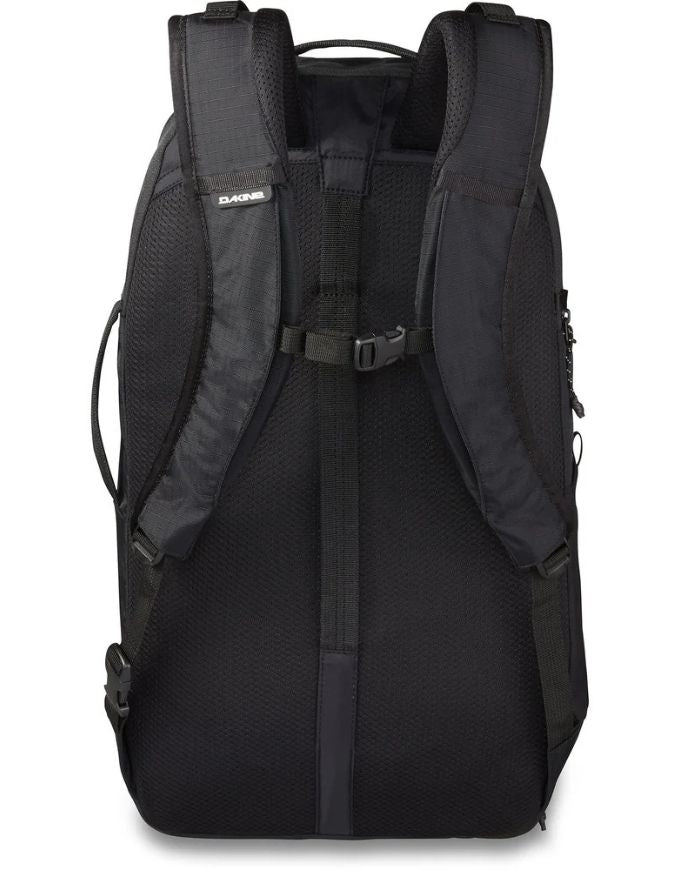
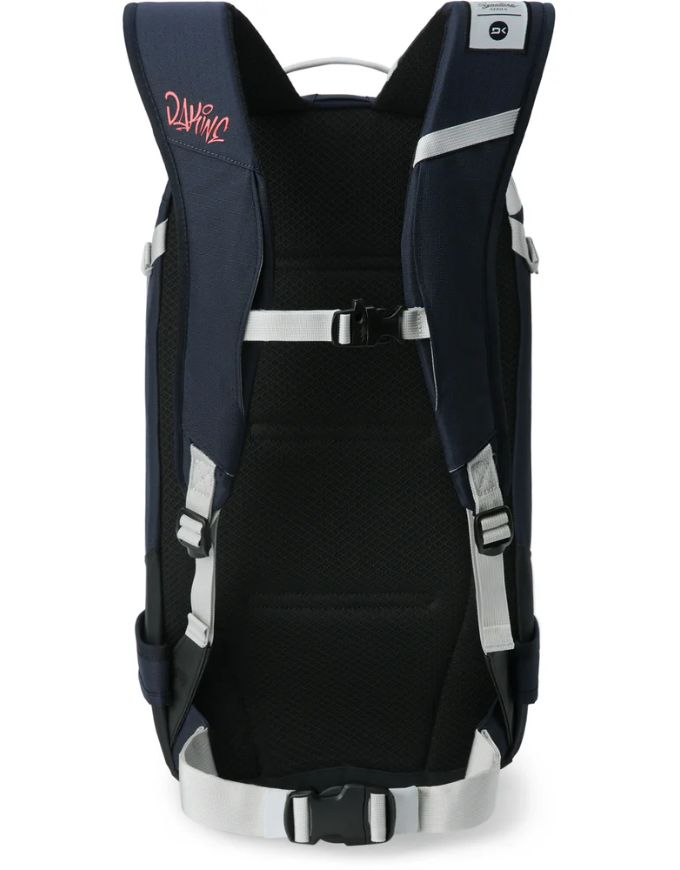
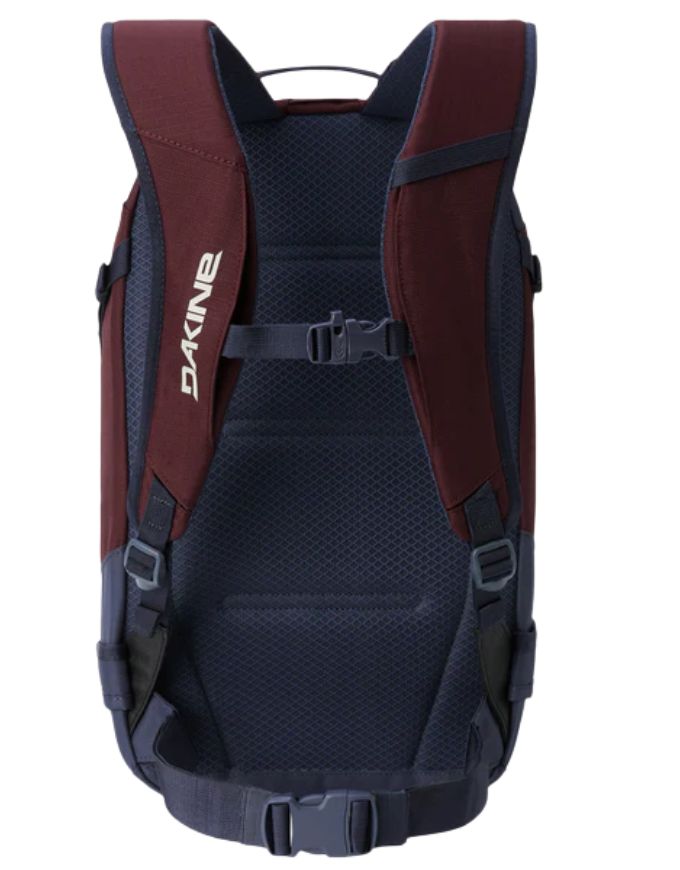
A good backpack needs to do more than carry your lunch. Ours are built around snow use, which means managing layers you add and drop through the day, holding water, protecting goggles and helmet, and sitting comfortably on a chairlift without catching on the bar. That same build quality is why plenty of these packs end up as everyday commuter, travel and hiking bags for people who never take them near a mountain.






























Frequently Asked Questions
10 to 20 litres covers most riding days and most everyday use, which is enough for water, a layer, snacks and goggles. Go bigger only when you are genuinely carrying more, because a pack that sits too proud catches on the lift bar every time you sit down.
Yes, and plenty of ours are bought by people who never take them near snow. A pack built to survive a season of wet chairlifts and thrown gear is overbuilt for a commute, which is exactly why it lasts. For everyday use choose a resort-sized pack rather than a touring one, since board carry straps and avalanche tool pockets are dead weight off the mountain.
Only if it is oversized. A pack in the 10 to 20 litre range sits close enough to your back not to snag. Using the sternum strap also stops it shifting across your back mid-turn, which most riders never bother with.
The hose freezes well before the bladder does. On genuinely cold days look for an insulated hose, otherwise you are carrying weight you cannot actually drink from.
Vertical is quickest on and off and suits tight bootpacks. Diagonal spreads the load and is more stable on longer approaches. A-frame is the most balanced for sustained climbing. It only matters if you are walking or hiking in, but it is essential once you are.
A pack with board carry and dedicated shovel and probe storage, plus the safety kit itself. A transceiver, shovel and probe are not optional beyond the boundary, and neither is the training to use them properly.
Let customers speak for us
Purchased new set of tyres for electric skateboard
Purchased new set of tyres for electric skateboard. Tyres are perfect, white walled so the also look great. Online purchase so simple, pick up from Bridge Rd store took 2 minutes. 100% satisfied.
Greg cunningham
Twelve Board Store
Love these guys
Love these guys. They always go out of their way to help me out. Super knowledgable too
Anonymous
Twelve Board Store
Top marks for speed of delivery
I ordered gear from 3 different skate stores, These guys were by far the fastest and best to deal with.
Barry Vaughan
Twelve Board Store
great
had it as a mid layer this weekend and was very satisfied with it. even as a standalone vest
brad greene

Beyond Medals Packable Down Vest 2026 | Black
Travel ready Split /Resort binding
Easily modifiable to fit Alpine Prime bindings along with a Quiver Connector means I have a premium split/resort Straightline binding ready to rip on my travels
Sean Burke

Karakoram Connect Full EVA Footbeds
Great service
Great service, great communication, super fast shipping!
Ryan Roberts
Twelve Board Store
Epic glove with super comfort
Great quality product. Liners are amazing. Recommend using beeswax on leather palm to keep it waterproof. Holds up in wet weather
David

Dakine Leather Titan Gore-Tex Mitt 2026 | Black
The guys at Twelve Boards just helped me to purchase three new Carver surf skates for my self and
The guys at Twelve Boards just helped me to purchase three new Carver surf skates for my self and two sons, they helped advise me on what would work best for all of us as we are all at different heights, weights and ability levels, unlike other shops/websites you get to talk with experienced people that know their stuff. I got a great price and the boards turned up quickly and packed really well with no damage. Couldn’t be happier with the service and gear, very happy to recommend this business to anyone interested in these sort of sports. My next purchase will be snowboards and I will be going through Twelve Boards for that purchase also. Great shop.
Peter Self
Twelve Board Store
Apres and Work - Good Boots
Been running the MTE boots for years lift ops and maintenance, better than Sorrels now that they've got a zip side!
Michael Masden

Vans Standard Snow MTE Zip Boot 2026 | Faded Black
Quality base layer
These Burton base layer pants are the best! Super comfy and a good fit.
Jules Ashton

Burton Mens Lightweight X Base Layer Crew 2026 | True Black
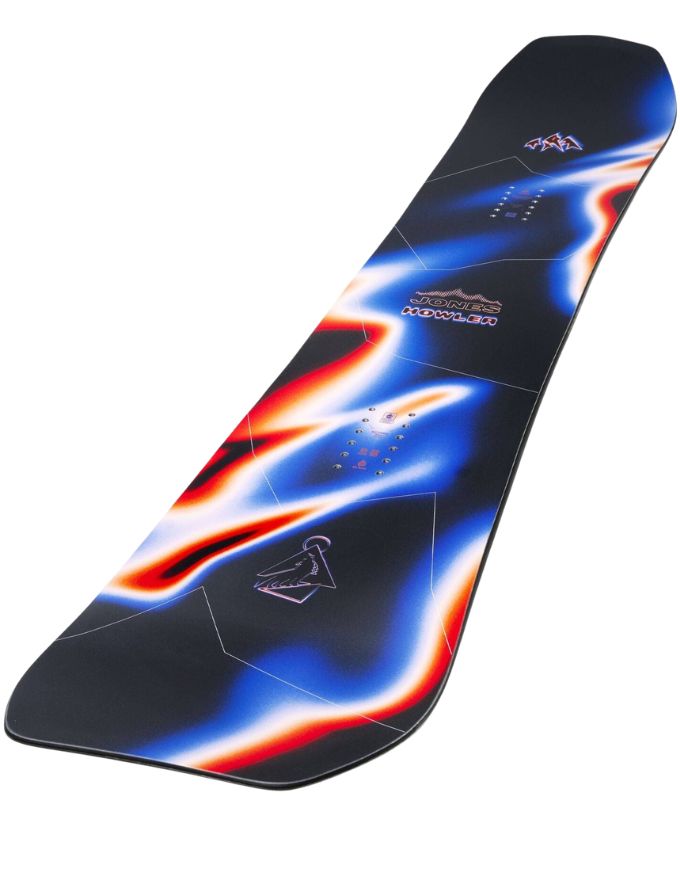
Jones Howler 160W
There is a reason I always keep coming back to Twelve, the service and the brands. The team are super helpful, patient and don't push their preferences, they listen to your needs and experiences and help you decide from there.
Had a couple of Jones boards previously and they recommended the Howler. Who am I to say no!
Al
Twelve Board Store
Nice sized day pack for short trips and staying light. Can't wait to get up in the mountains to use it.
Mick Gray

Jones Higher 32L Backpack | 2026
Top boards...Top service 👌
I purchased two Jones snowboards on-line for my next trip to Japan. Ordering through Twelve snowboards was a smooth experience and they kept me up to date with my order from the time I placed the order to delivery. I would highly recommend Twelve for the best gear, customer service and I wouldn't hesitate to order through them again. Thanks guys!
Kelly Halse
Twelve Board Store