
The difference between a great day on the mountain and a frustrating one usually comes down to small things: the right base layer, a neck warmer you actually packed, socks that do not compress and cut circulation, goggles that fit your helmet without a gap. This is where we pull together everything that decides whether a day flows or gets spent fixing problems.
















































Frequently Asked Questions
Three layers and none of them cotton. A merino or synthetic base layer against the skin to move moisture away, a mid layer such as fleece or a light insulated jacket for warmth you can add or remove, and a waterproof shell on top for wind and water.
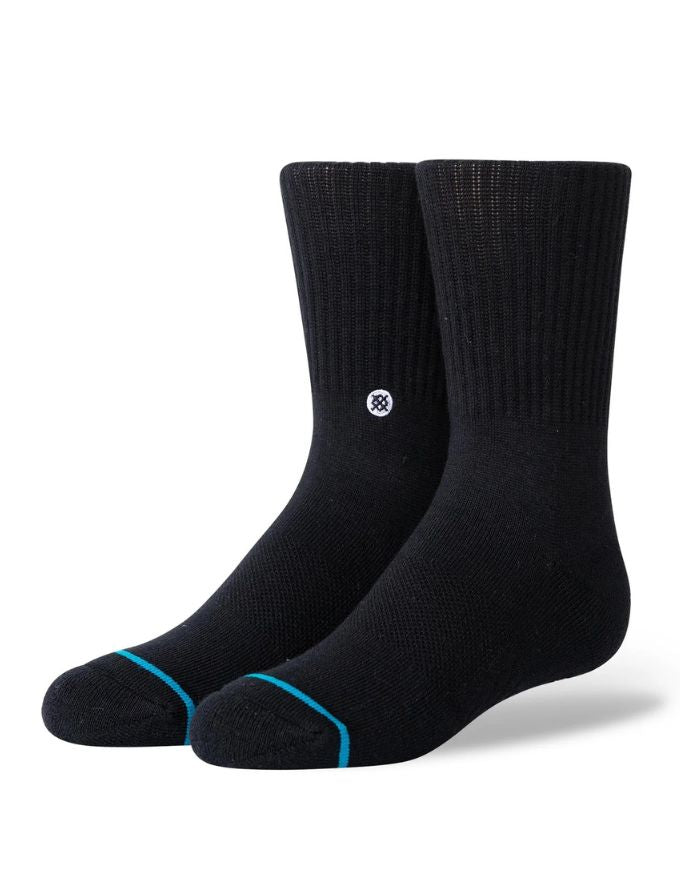
Yes. A proper snowboard sock is boot-height, cushioned in the right places and does not compress or bunch. Regular socks in snowboard boots are one of the most common causes of foot pain, blisters and cold feet. Wear one pair per day and never double up.
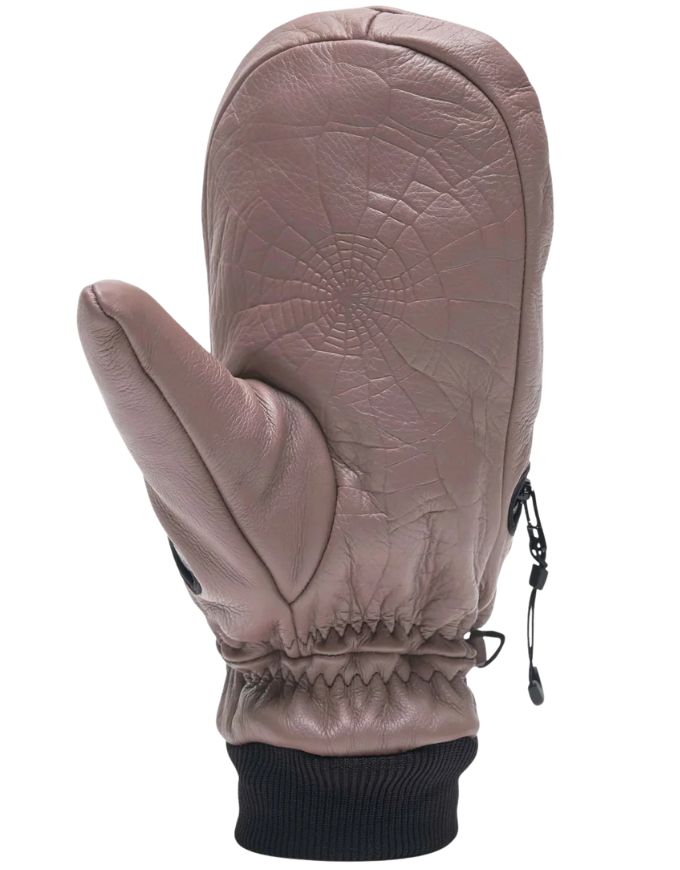
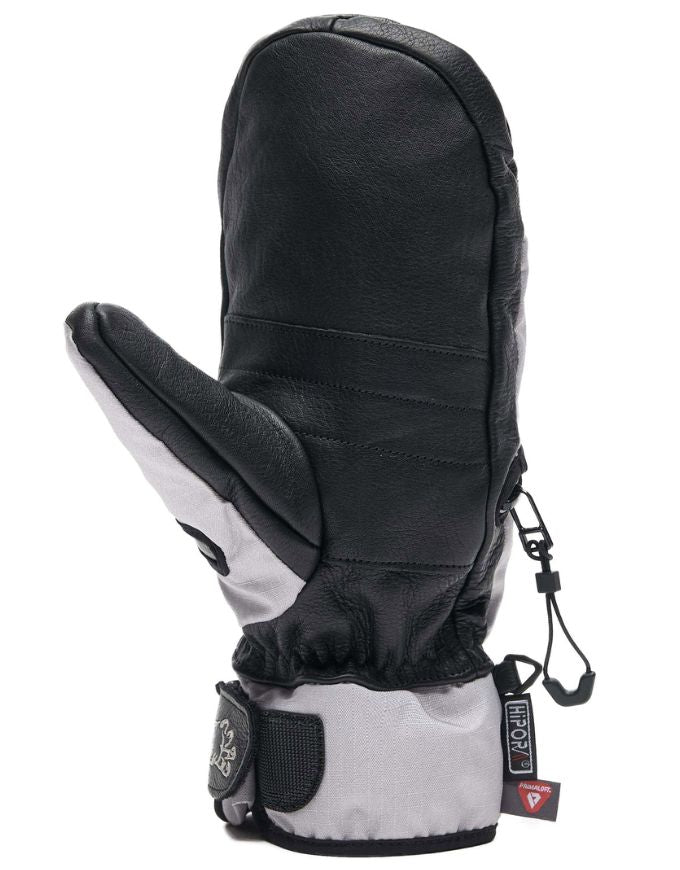
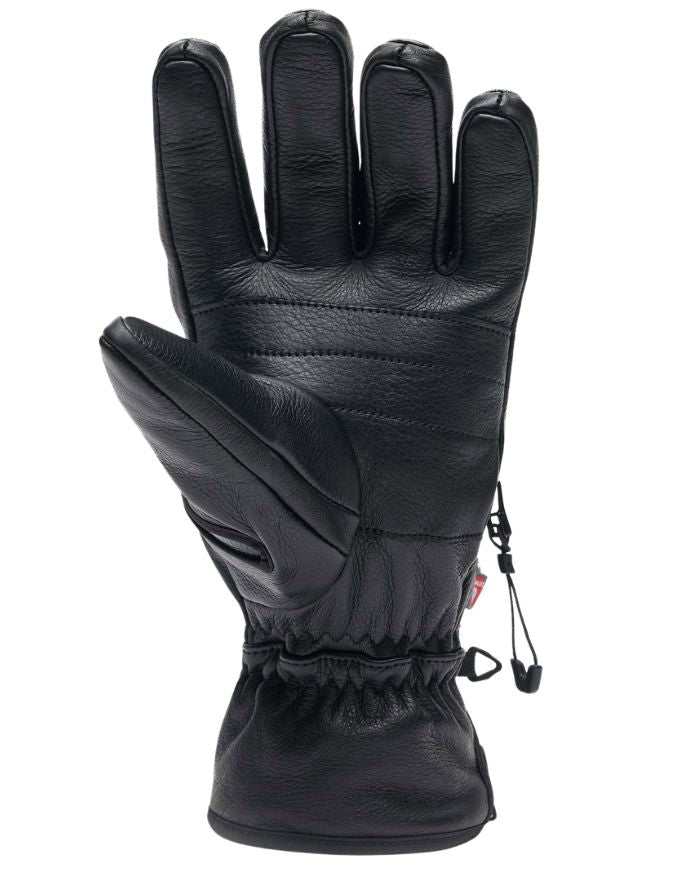
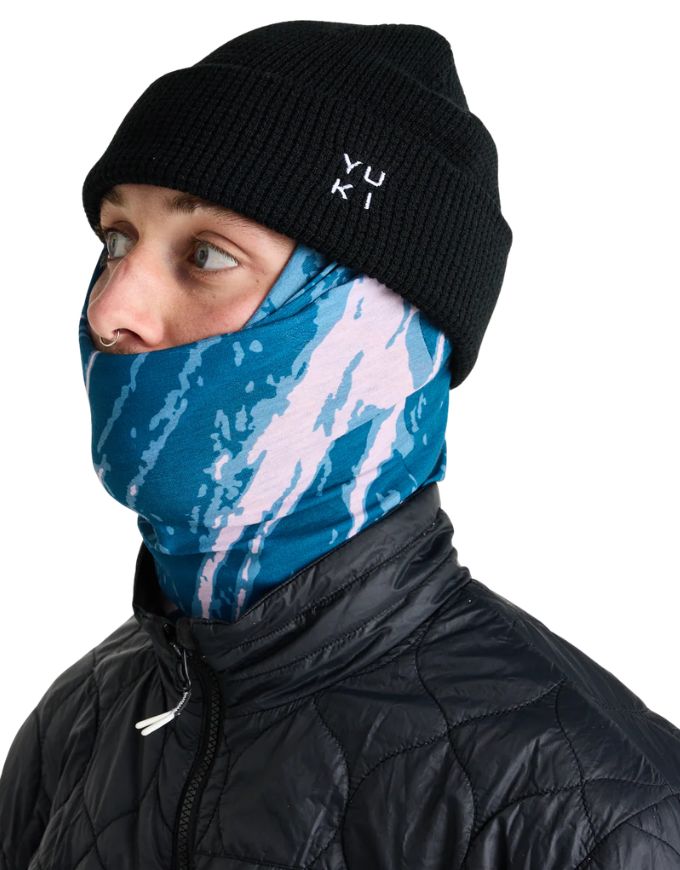
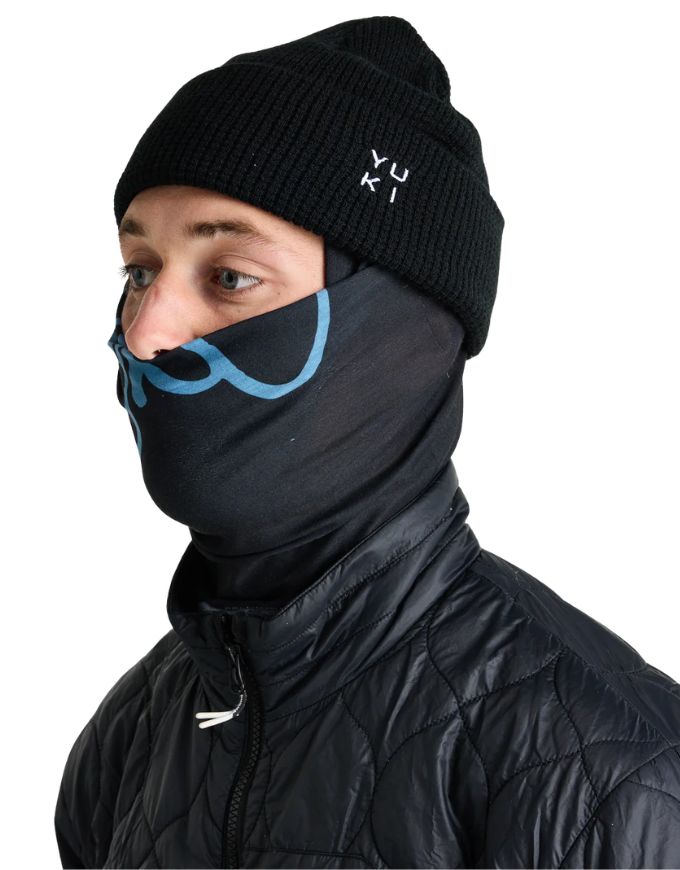
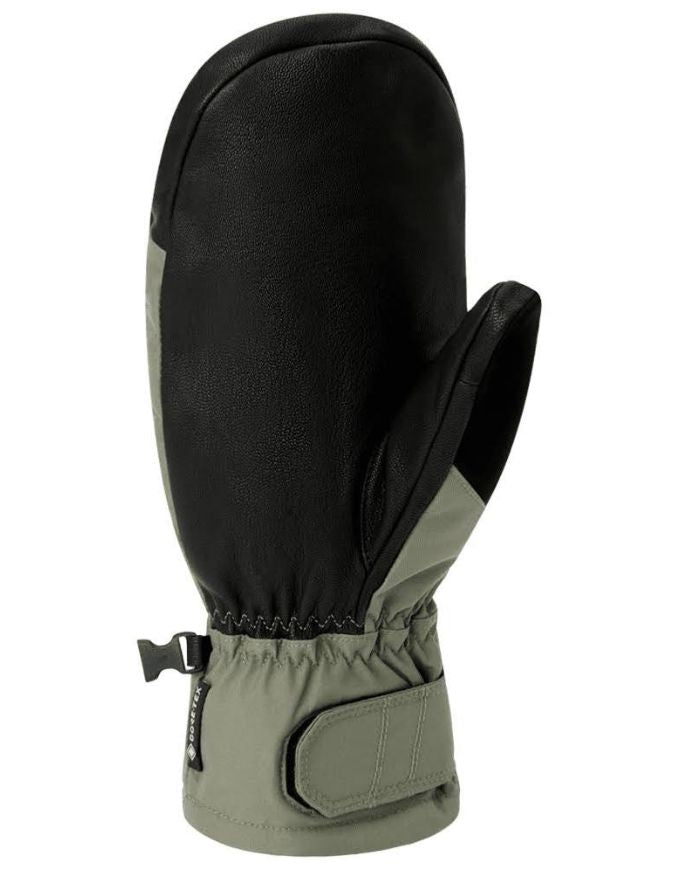
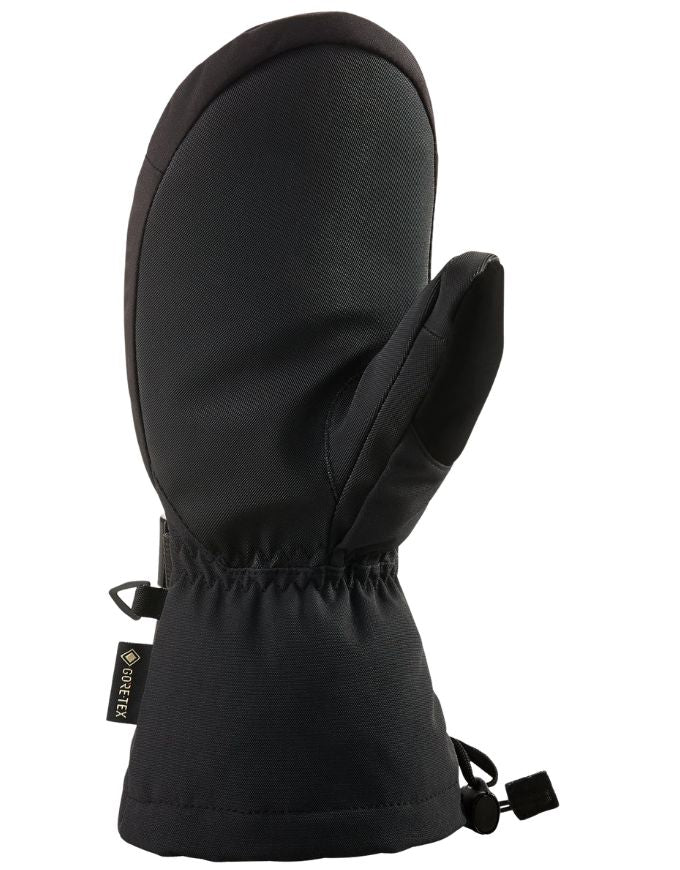
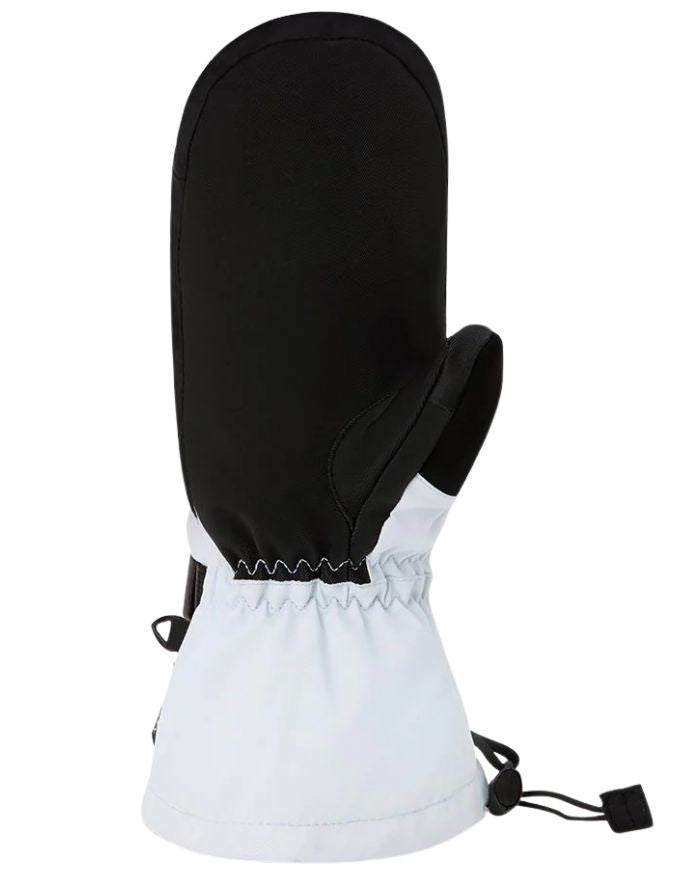
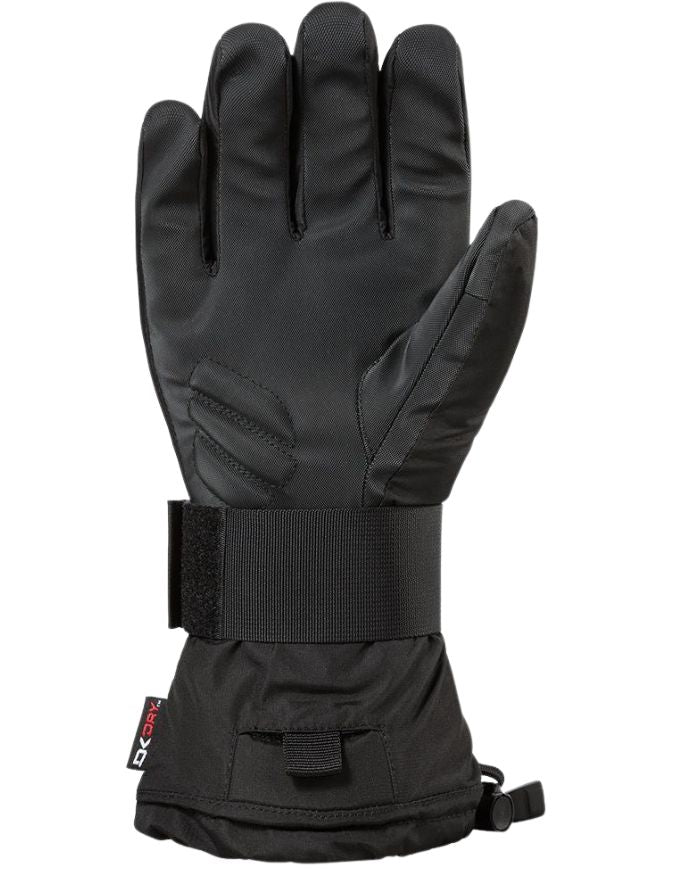
Gloves suited to the conditions, and a neck warmer. Hands are the first thing to become a problem on a cold chairlift, and a neck warmer takes almost no luggage space but makes a big difference when wind picks up on an exposed run.
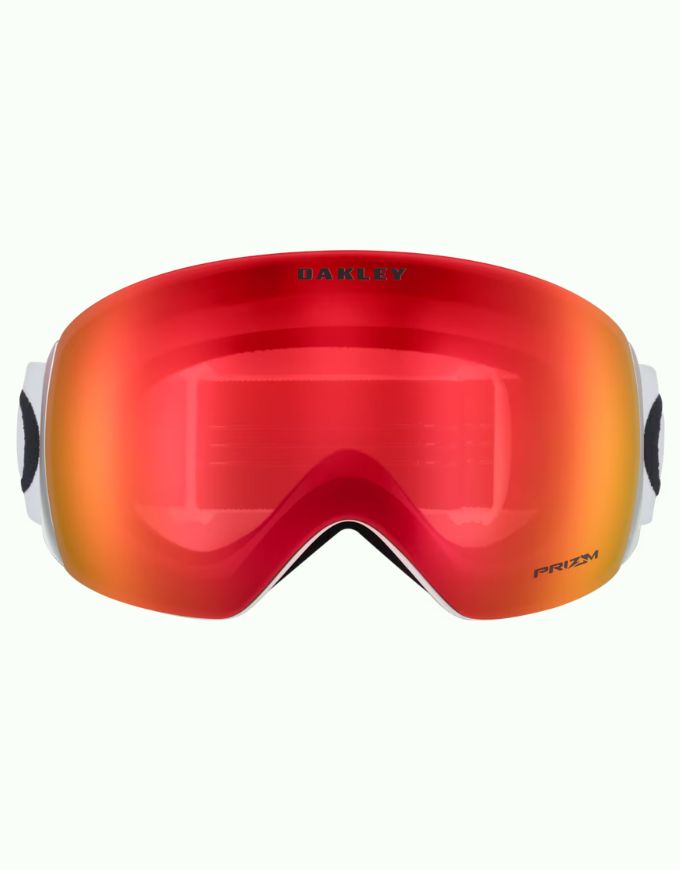
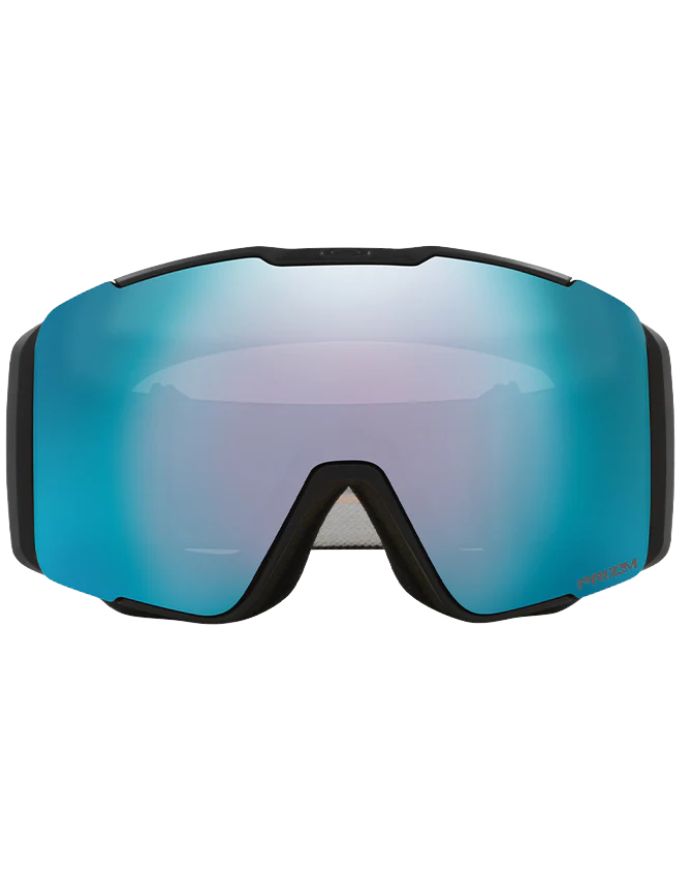
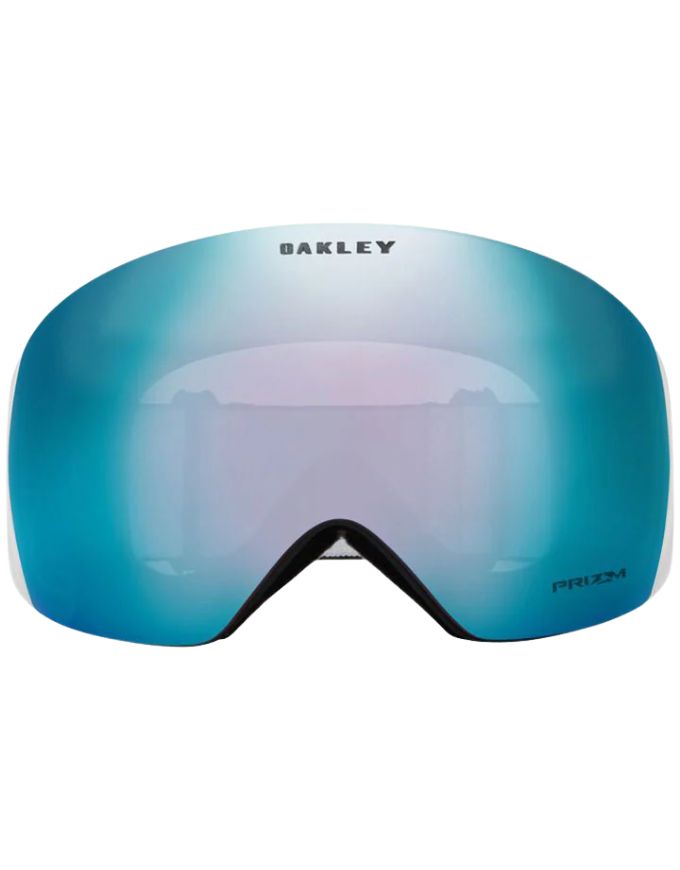
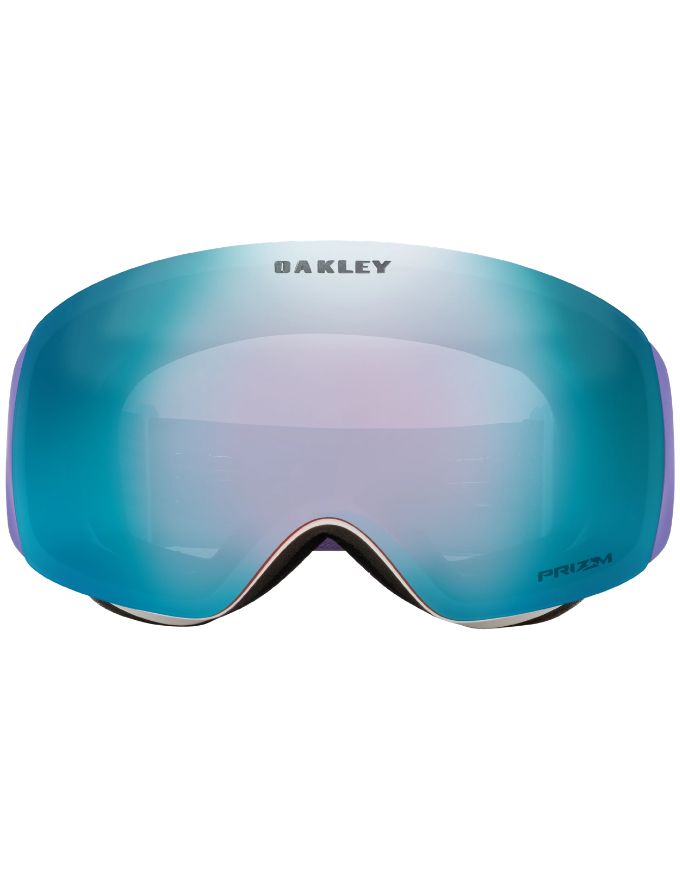
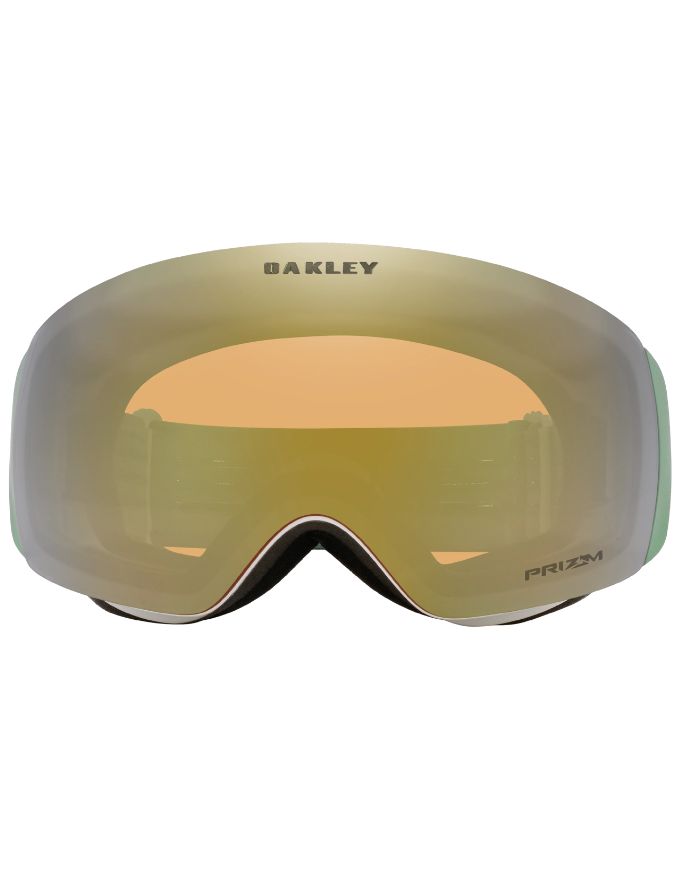
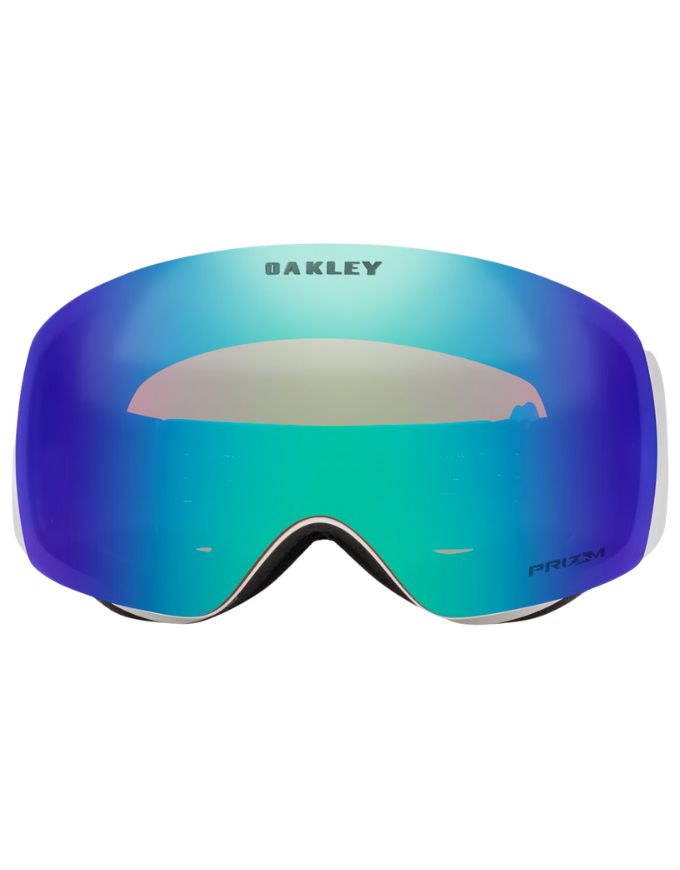
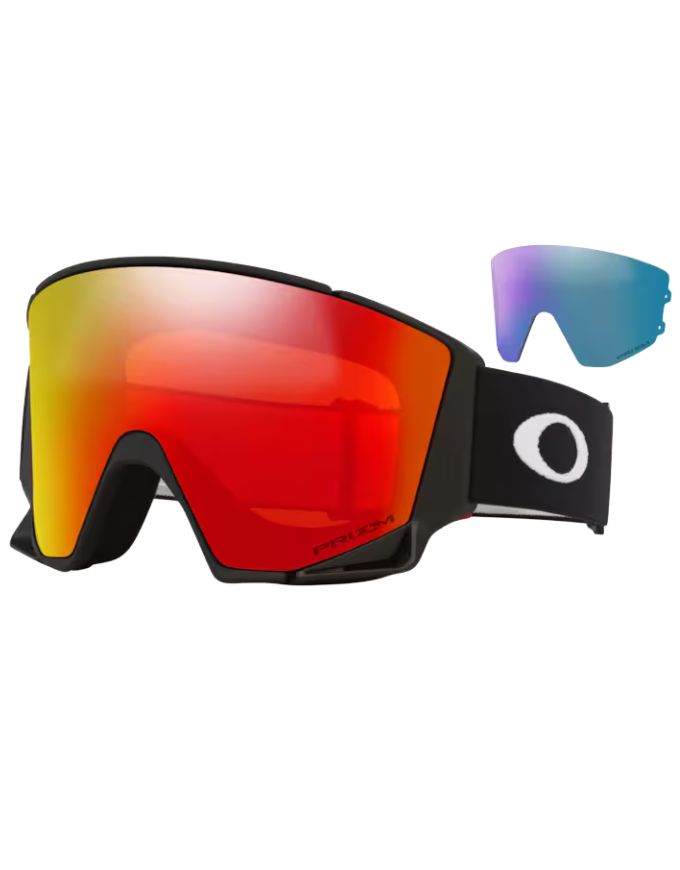
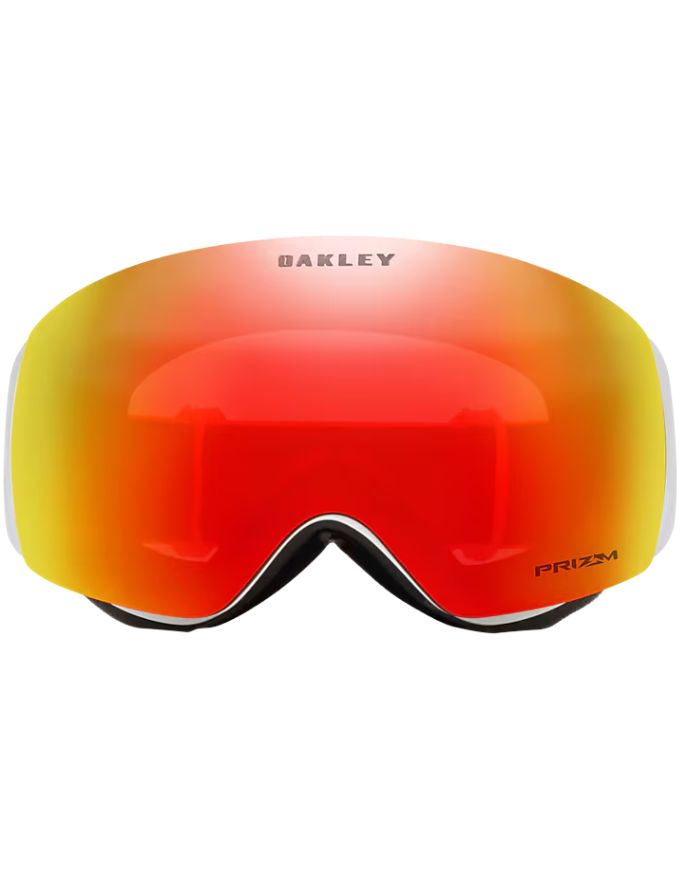
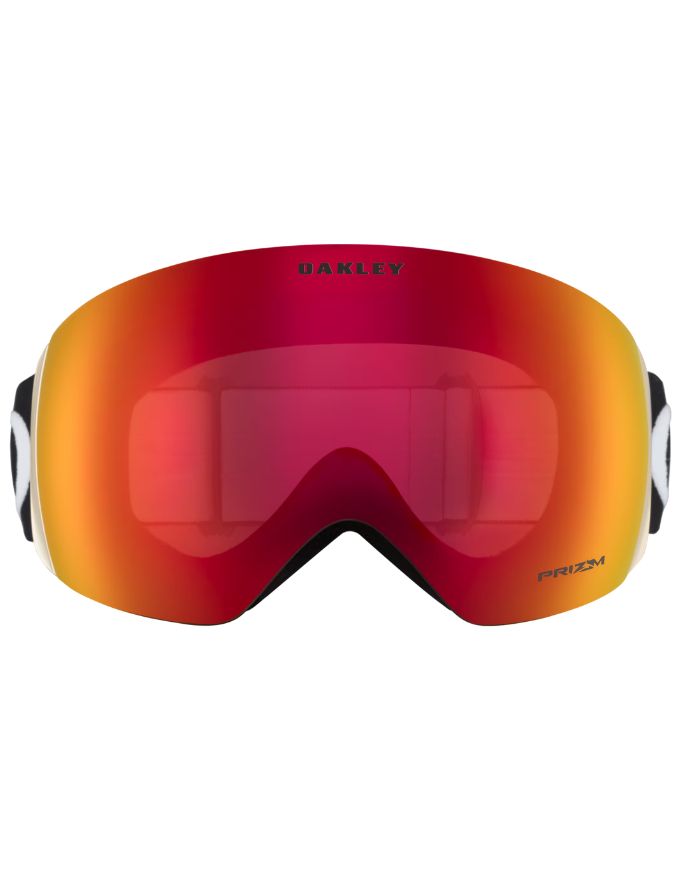
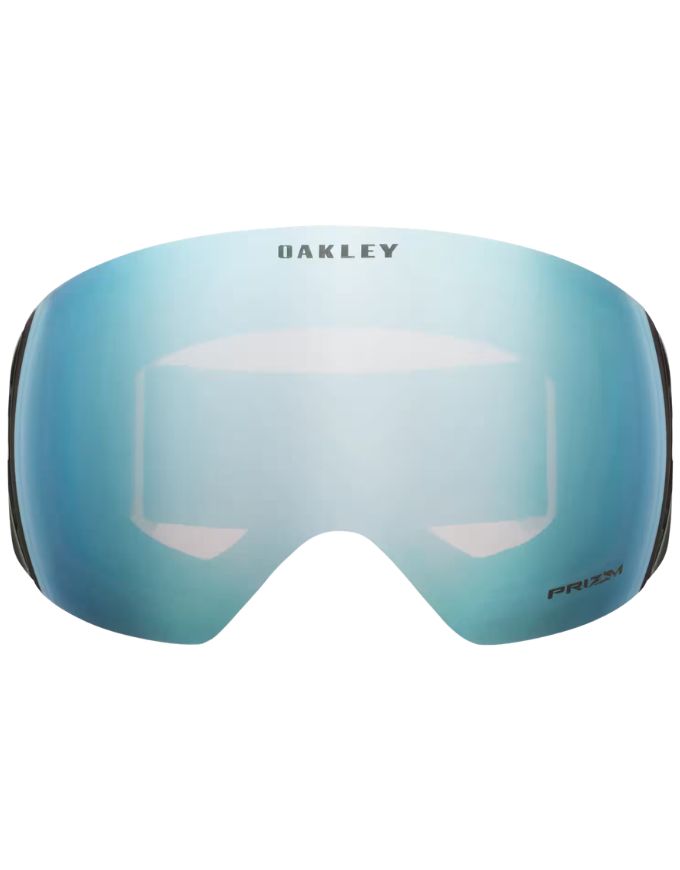
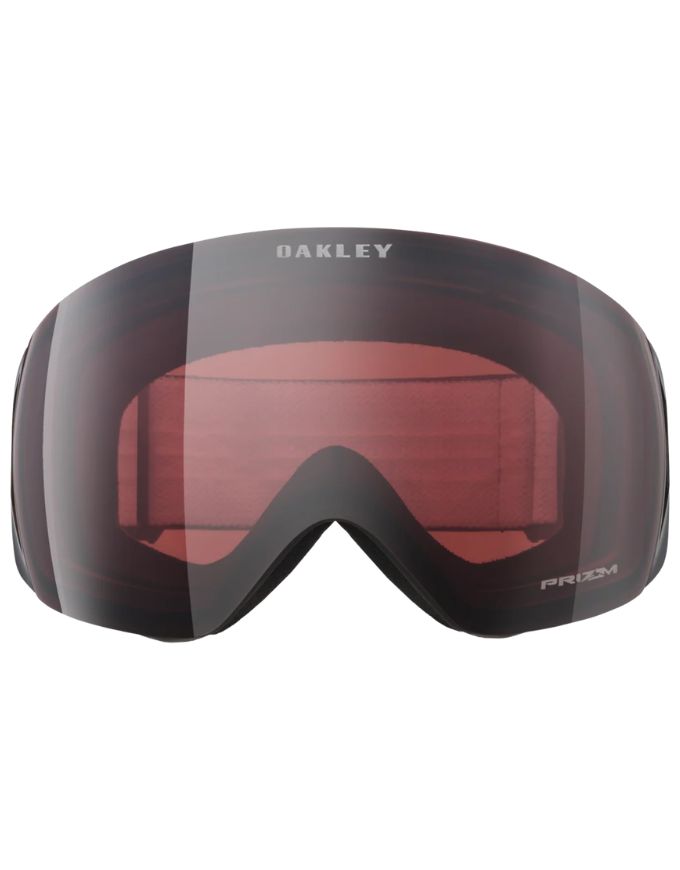
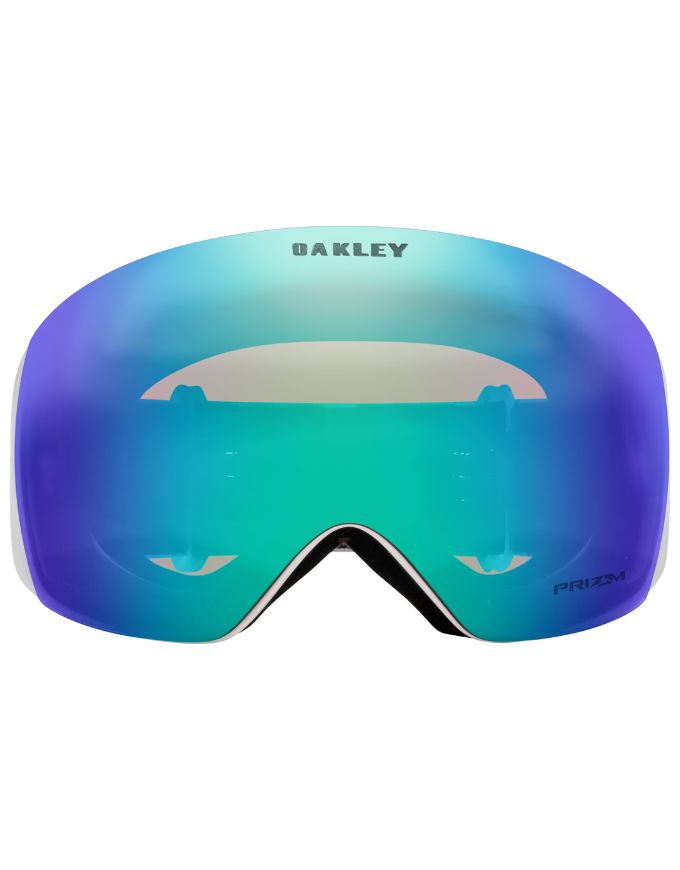
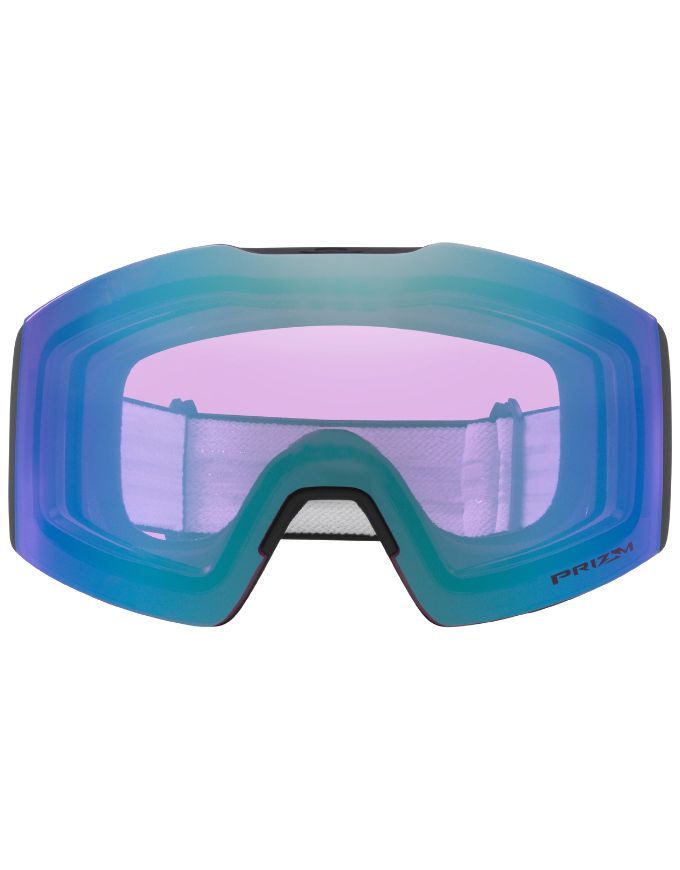
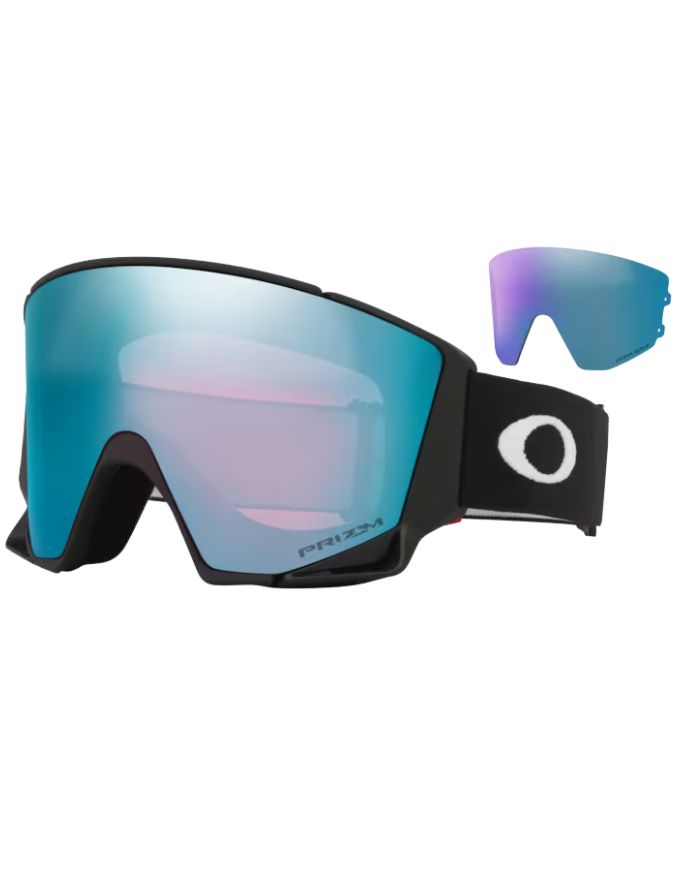
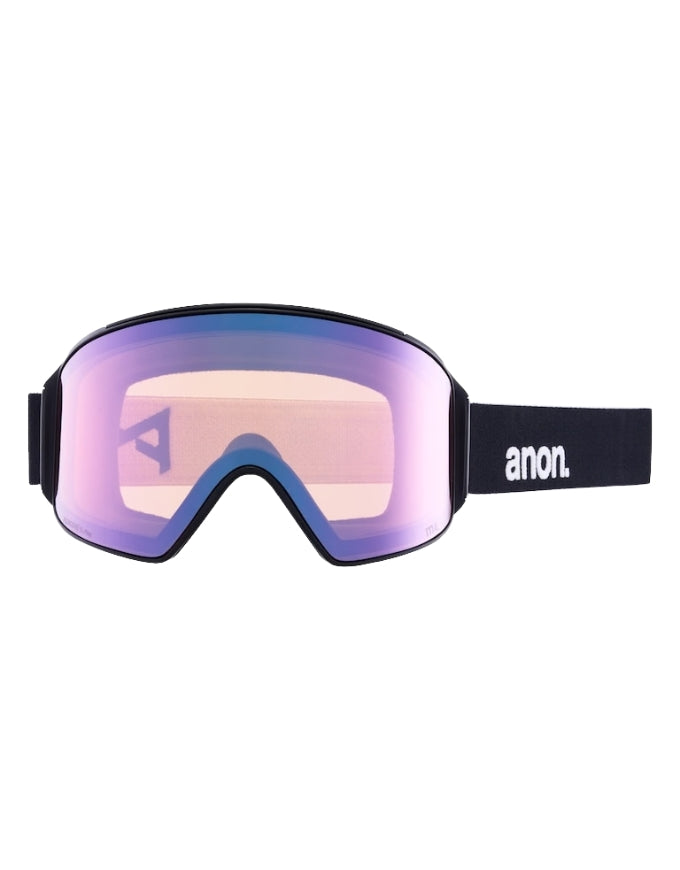
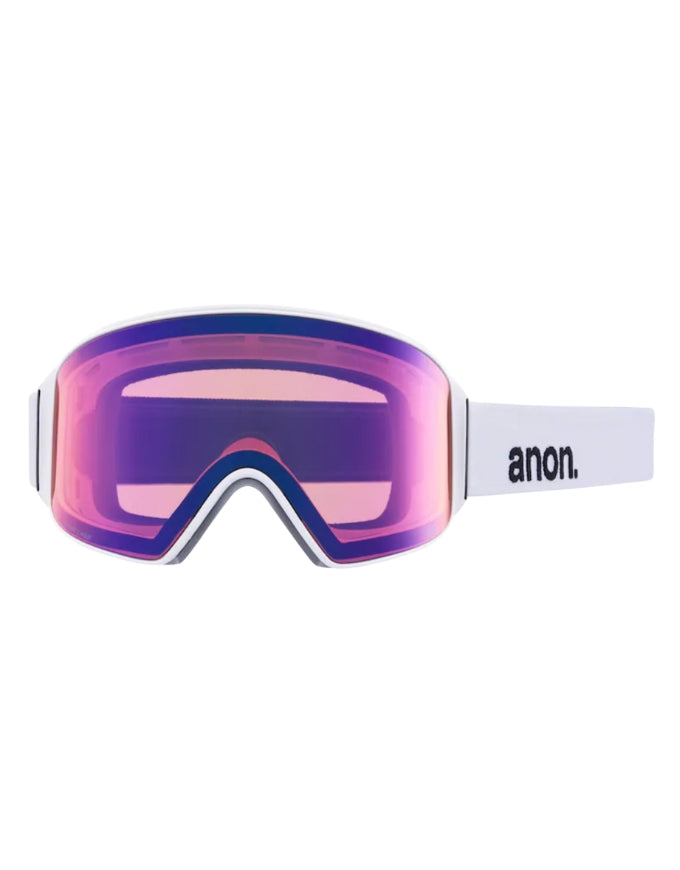
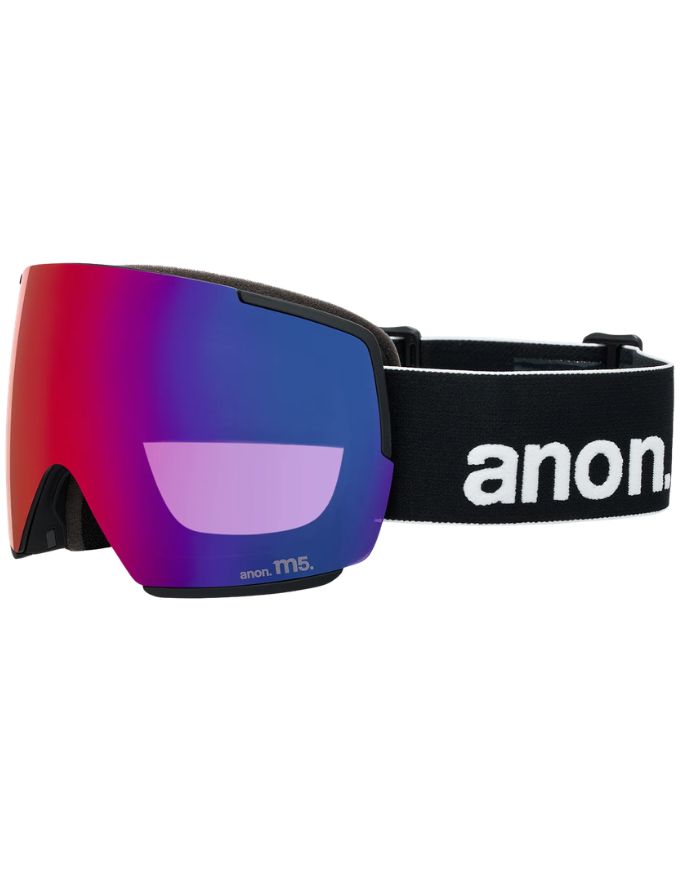
Check the gap. The goggle should sit flush against the helmet brim with nothing showing across your forehead. A gap means a cold stripe and snow working its way in.
Low-light tints such as rose, amber or high-contrast options earn their keep on flat, overcast days, which Australia gets plenty of. Photochromic lenses adjust automatically and are the most versatile single-lens option.
Let customers speak for us
Purchased new set of tyres for electric skateboard
Purchased new set of tyres for electric skateboard. Tyres are perfect, white walled so the also look great. Online purchase so simple, pick up from Bridge Rd store took 2 minutes. 100% satisfied.
Greg cunningham
Twelve Board Store
Love these guys
Love these guys. They always go out of their way to help me out. Super knowledgable too
Anonymous
Twelve Board Store
Top marks for speed of delivery
I ordered gear from 3 different skate stores, These guys were by far the fastest and best to deal with.
Barry Vaughan
Twelve Board Store
great
had it as a mid layer this weekend and was very satisfied with it. even as a standalone vest
brad greene

Beyond Medals Packable Down Vest 2026 | Black
Travel ready Split /Resort binding
Easily modifiable to fit Alpine Prime bindings along with a Quiver Connector means I have a premium split/resort Straightline binding ready to rip on my travels
Sean Burke

Karakoram Connect Full EVA Footbeds
Great service
Great service, great communication, super fast shipping!
Ryan Roberts
Twelve Board Store
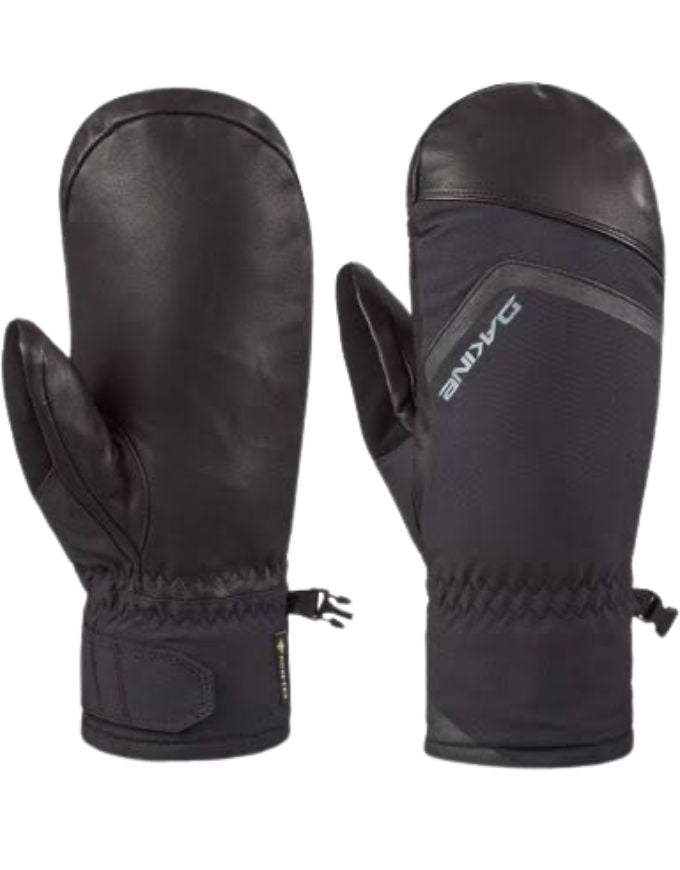
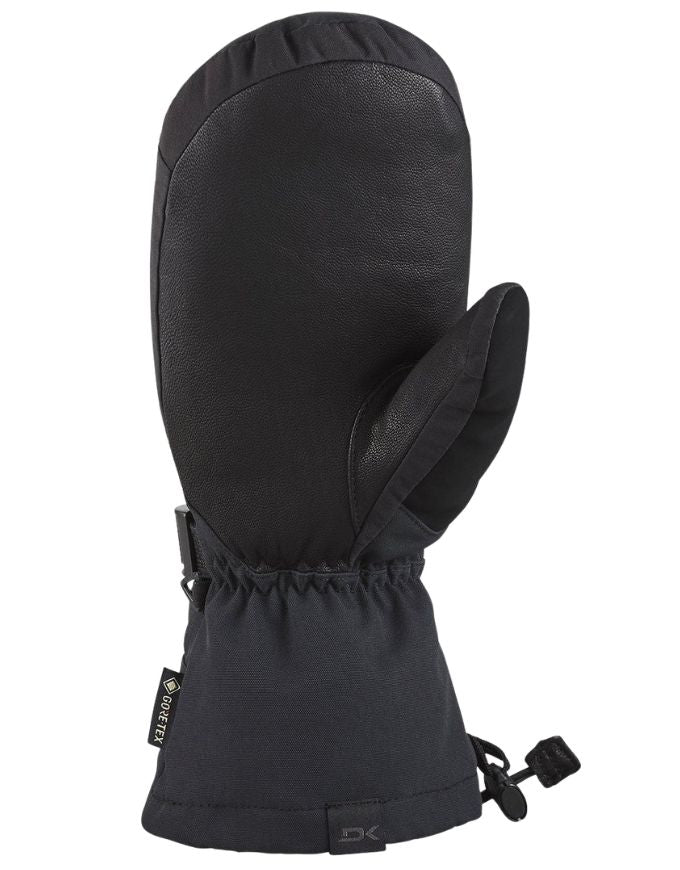
Epic glove with super comfort
Great quality product. Liners are amazing. Recommend using beeswax on leather palm to keep it waterproof. Holds up in wet weather
David

Dakine Leather Titan Gore-Tex Mitt 2026 | Black
The guys at Twelve Boards just helped me to purchase three new Carver surf skates for my self and
The guys at Twelve Boards just helped me to purchase three new Carver surf skates for my self and two sons, they helped advise me on what would work best for all of us as we are all at different heights, weights and ability levels, unlike other shops/websites you get to talk with experienced people that know their stuff. I got a great price and the boards turned up quickly and packed really well with no damage. Couldn’t be happier with the service and gear, very happy to recommend this business to anyone interested in these sort of sports. My next purchase will be snowboards and I will be going through Twelve Boards for that purchase also. Great shop.
Peter Self
Twelve Board Store
Apres and Work - Good Boots
Been running the MTE boots for years lift ops and maintenance, better than Sorrels now that they've got a zip side!
Michael Masden

Vans Standard Snow MTE Zip Boot 2026 | Faded Black
Quality base layer
These Burton base layer pants are the best! Super comfy and a good fit.
Jules Ashton

Burton Mens Lightweight X Base Layer Crew 2026 | True Black
Jones Howler 160W
There is a reason I always keep coming back to Twelve, the service and the brands. The team are super helpful, patient and don't push their preferences, they listen to your needs and experiences and help you decide from there.
Had a couple of Jones boards previously and they recommended the Howler. Who am I to say no!
Al
Twelve Board Store
Nice sized day pack for short trips and staying light. Can't wait to get up in the mountains to use it.
Mick Gray

Jones Higher 32L Backpack | 2026
Top boards...Top service 👌
I purchased two Jones snowboards on-line for my next trip to Japan. Ordering through Twelve snowboards was a smooth experience and they kept me up to date with my order from the time I placed the order to delivery. I would highly recommend Twelve for the best gear, customer service and I wouldn't hesitate to order through them again. Thanks guys!
Kelly Halse
Twelve Board Store