


quick links

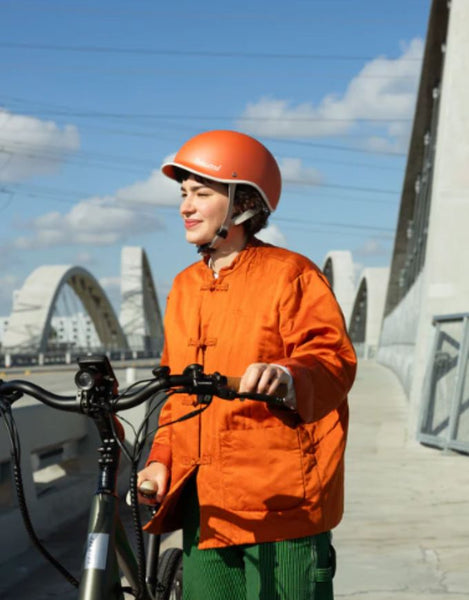

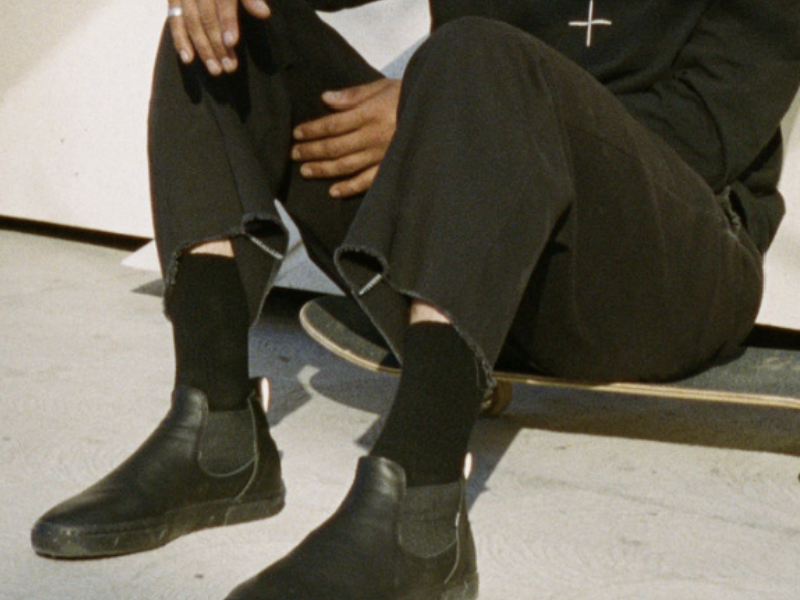
The mid layer is the one that actually keeps you warm. Your shell blocks wind and water, your base layer moves moisture off your skin, and the mid layer in between traps the warm air that does the insulating. Get this layer right and one setup covers a frozen morning and a warm spring afternoon.
























Frequently Asked Questions
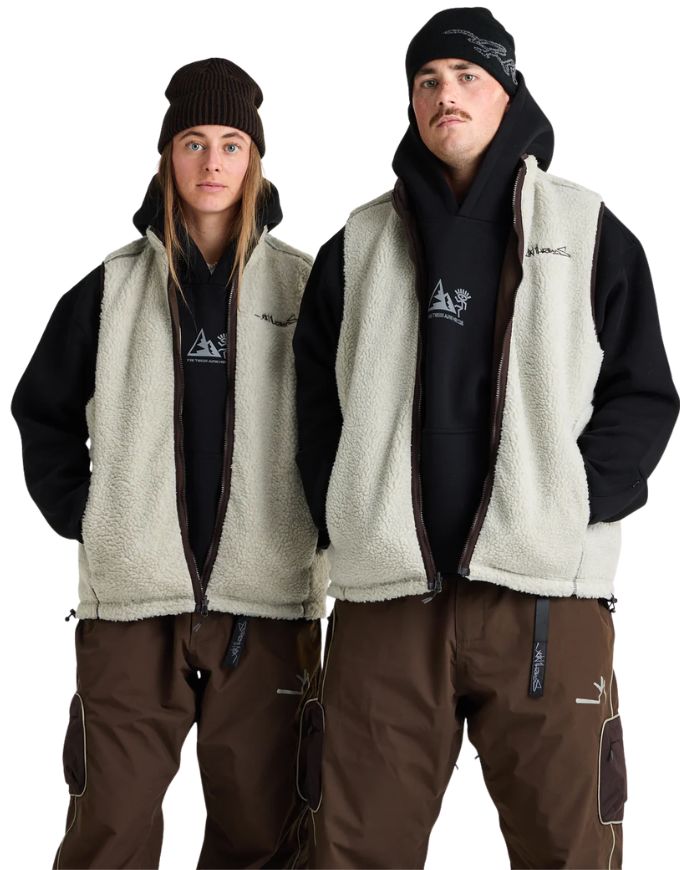
It traps warm air, which is what actually insulates you. The shell keeps wind and water out and the base layer moves moisture off your skin, while the mid layer between them holds warm air against your body. It is also the layer you add or remove through the day.
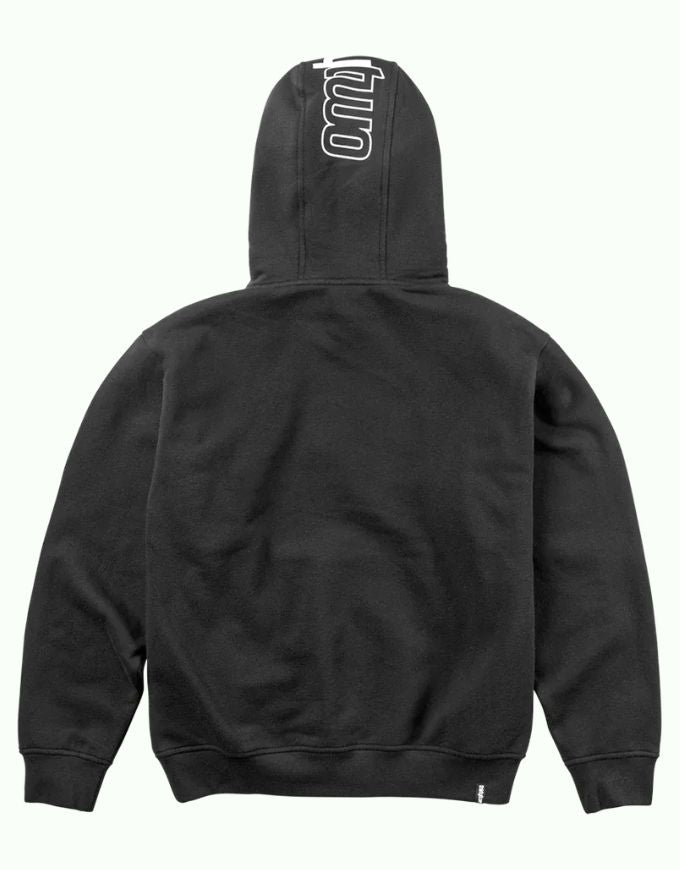
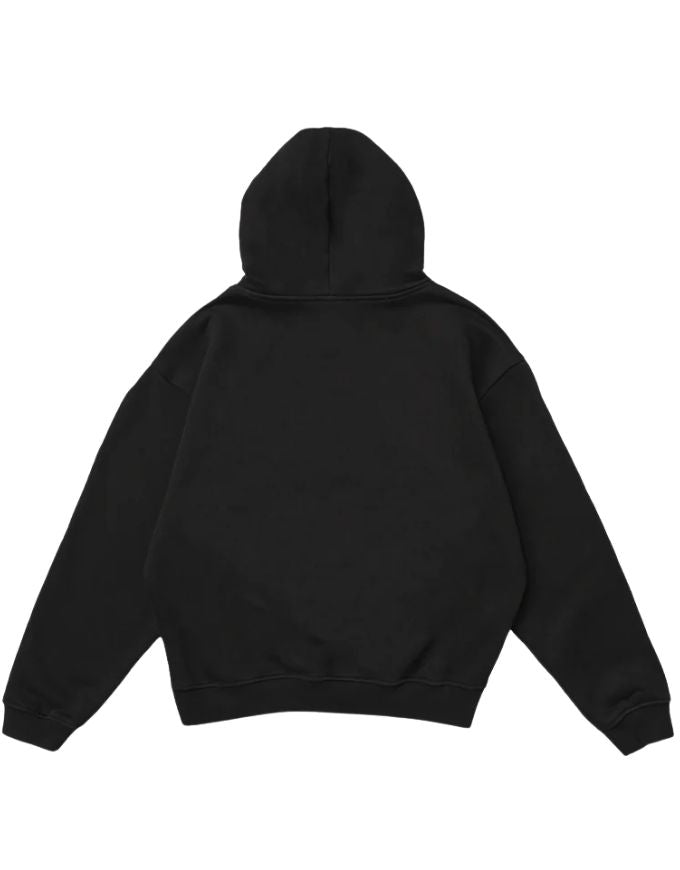
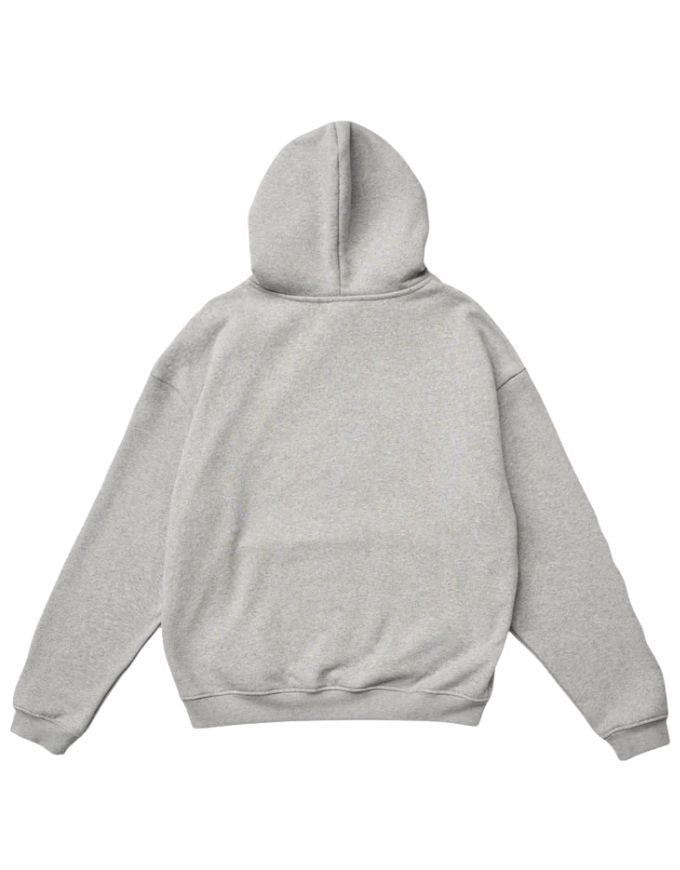
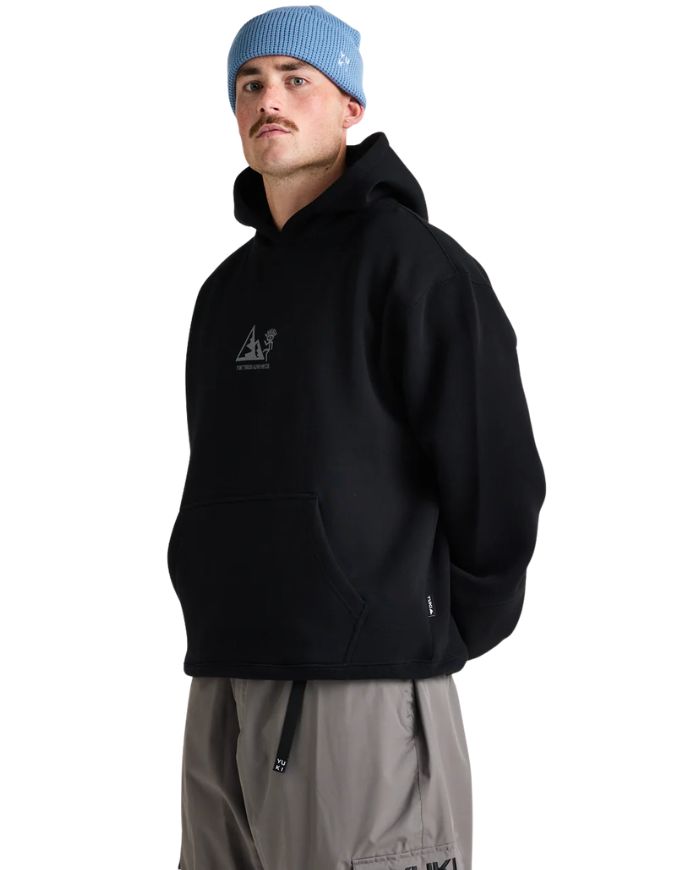
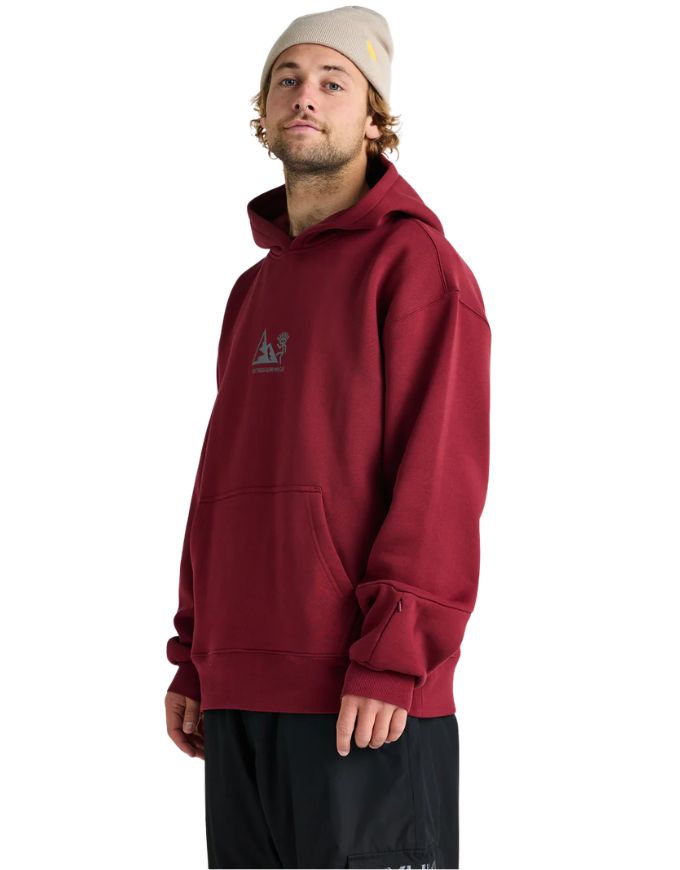
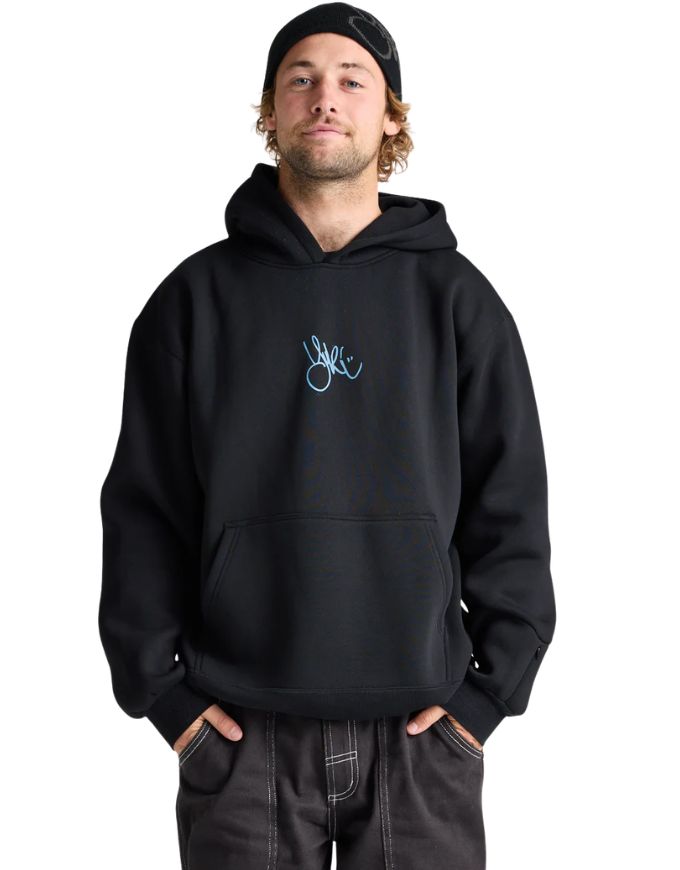
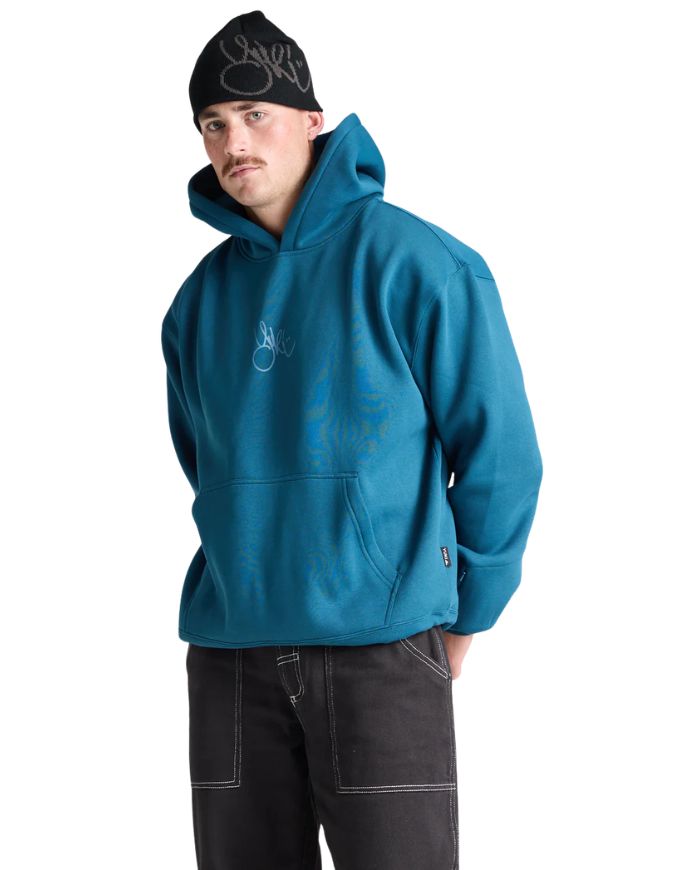
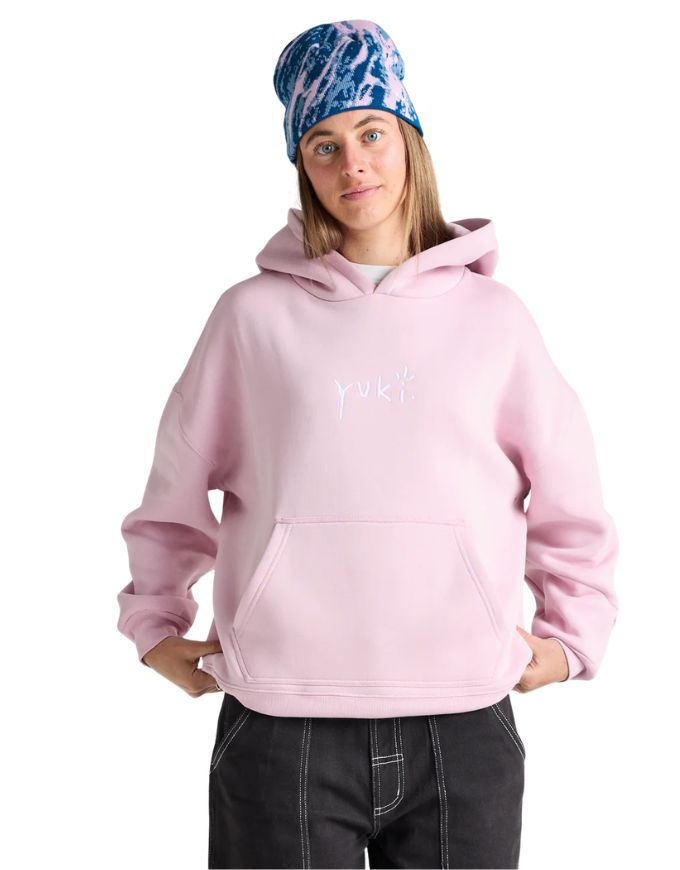
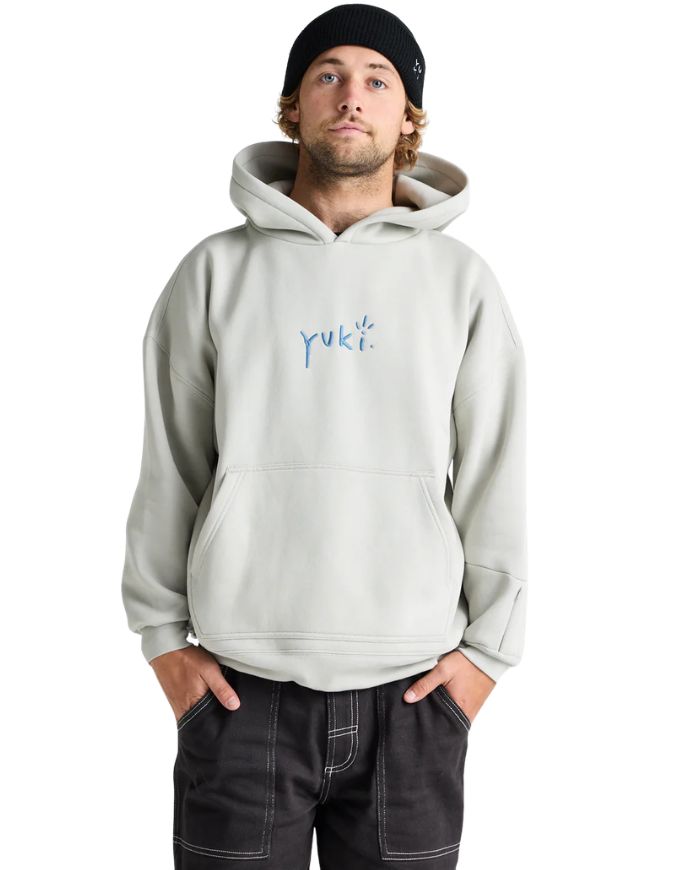
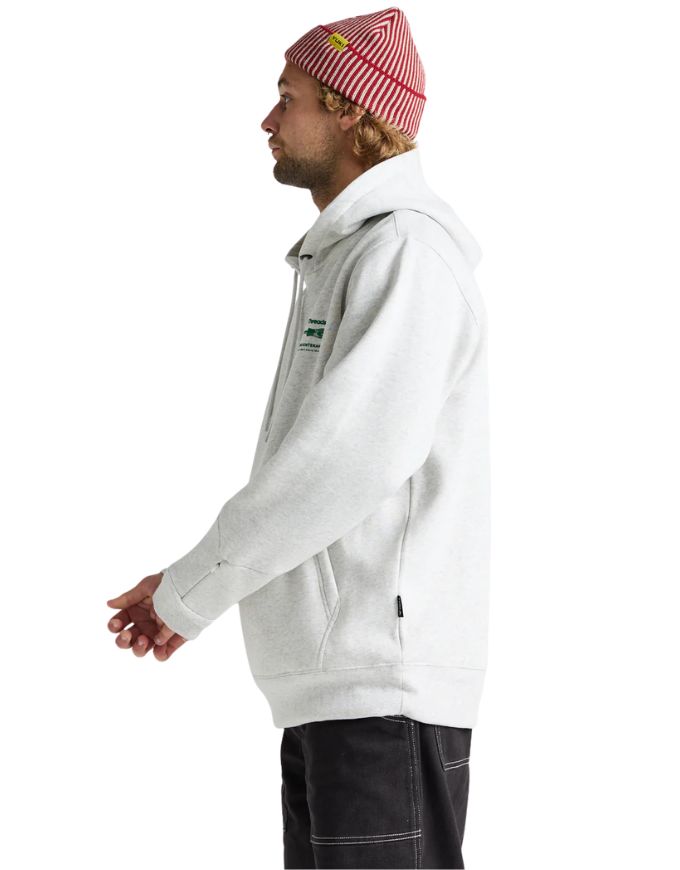
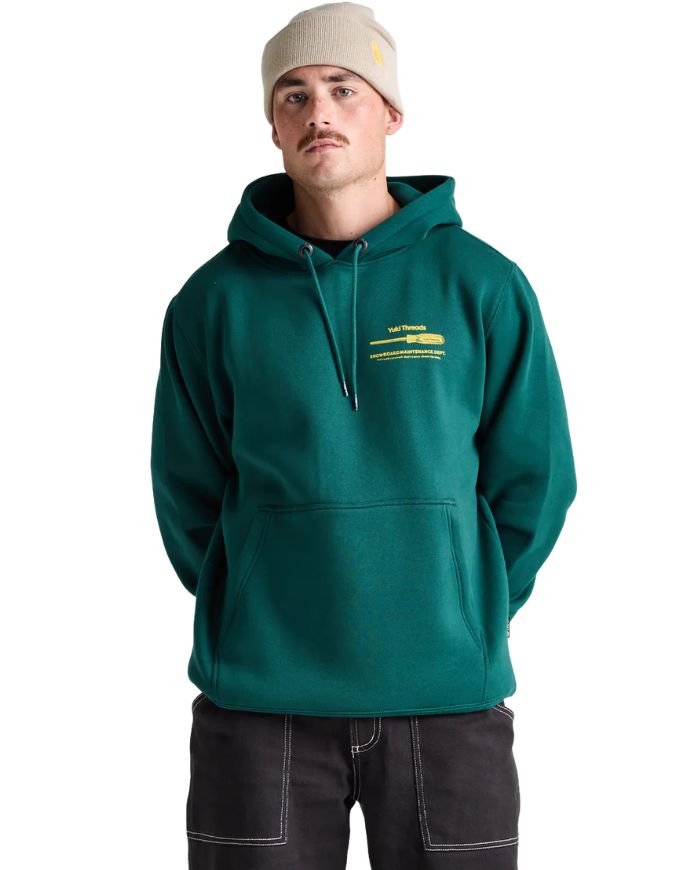
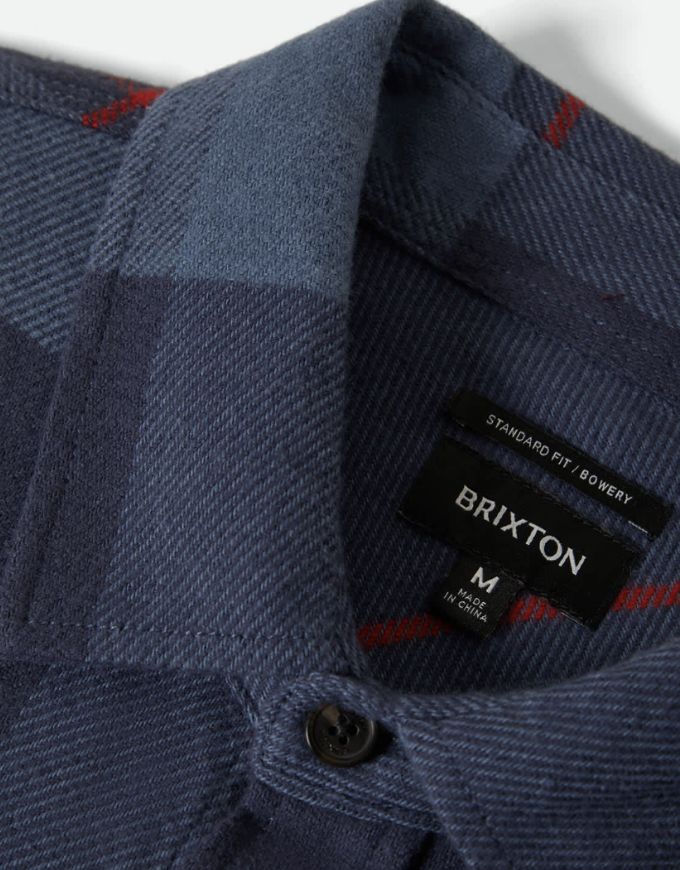
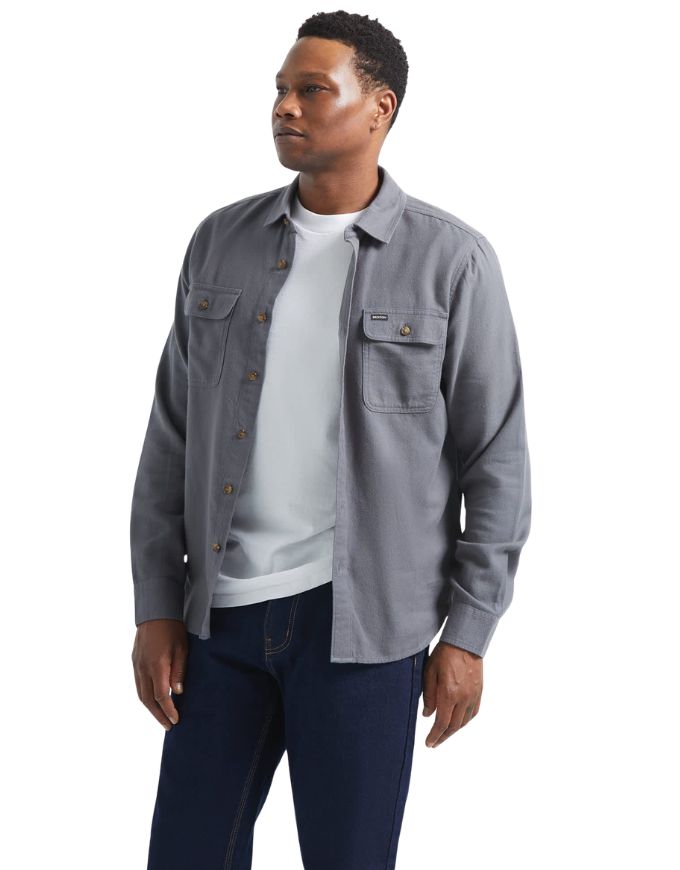
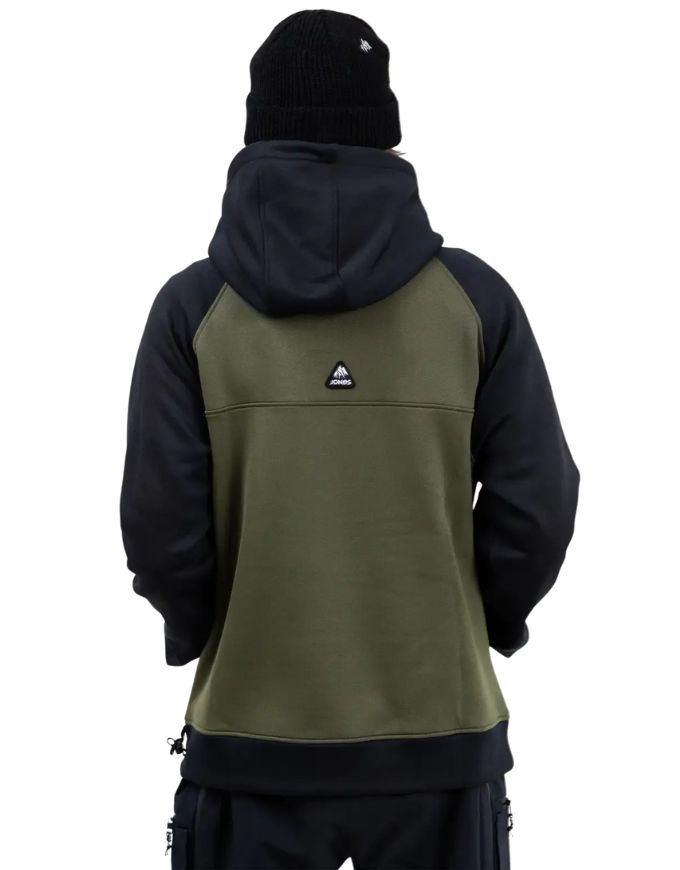
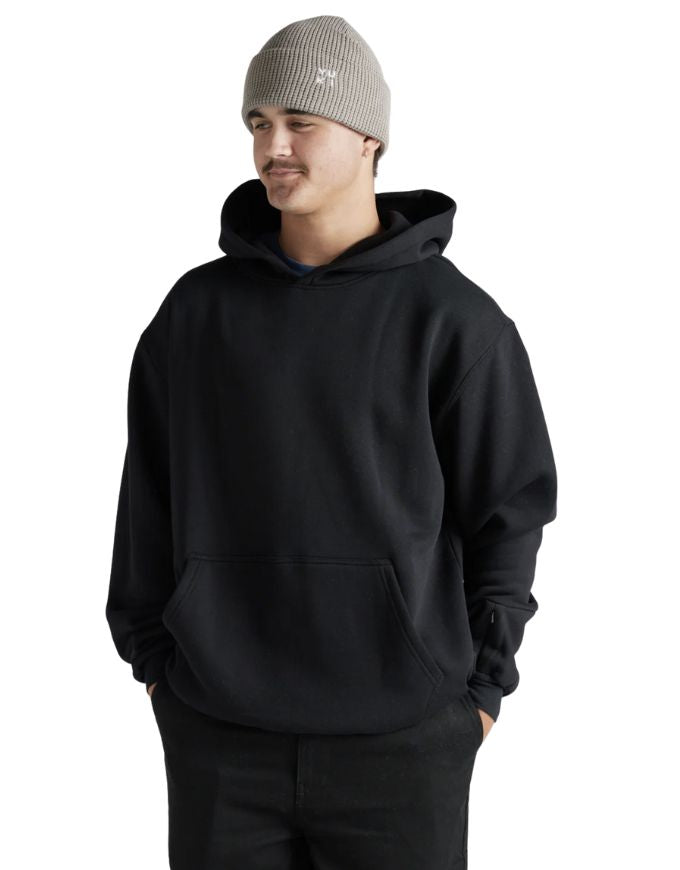
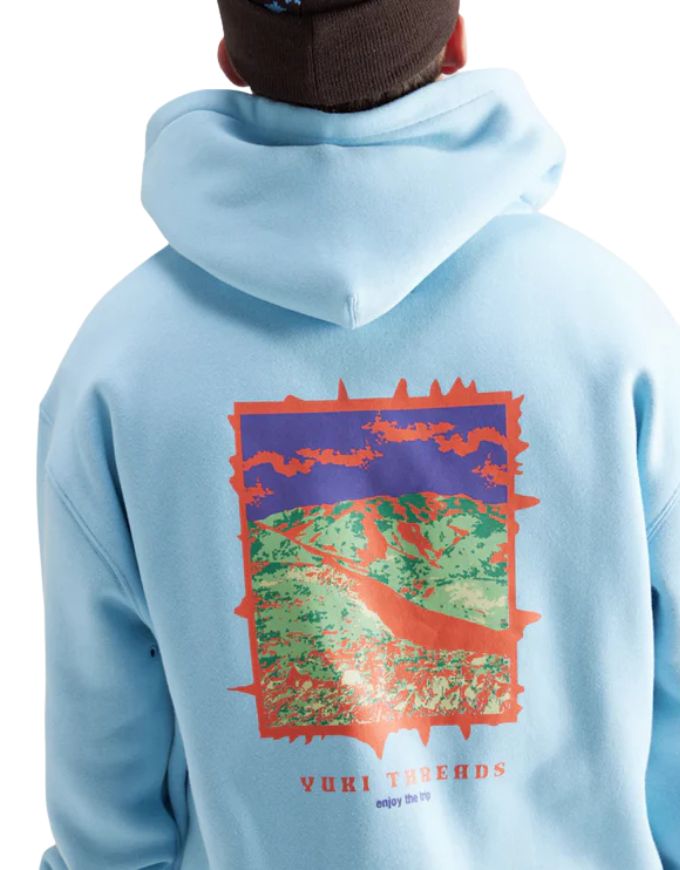
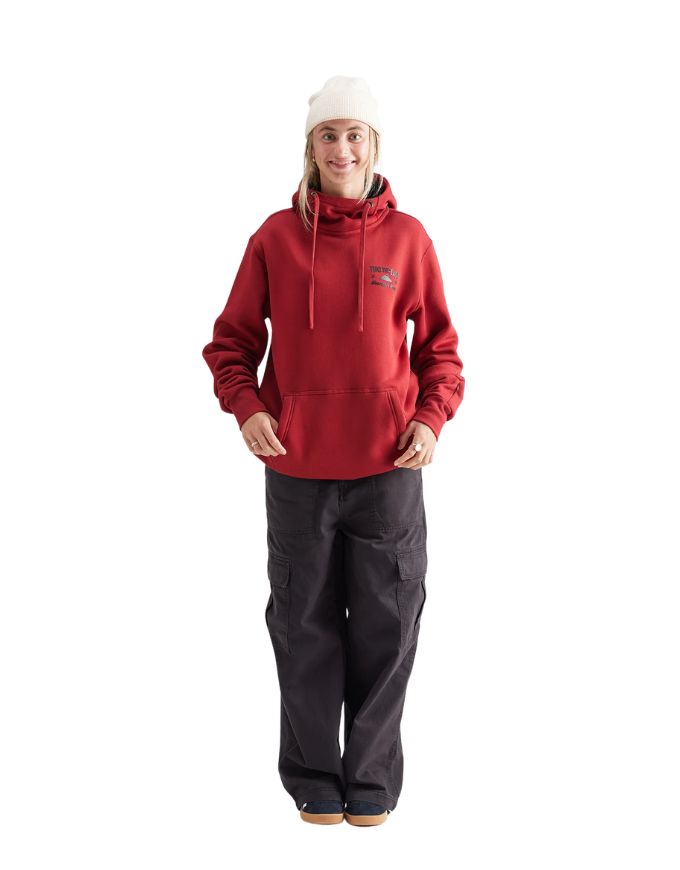
For a typical lift-served resort day, yes, and it is what most riders actually wear. The caveat is cotton content, since cotton holds moisture and stays damp once you have sweated into it. For a long hike or a hard-charging day, a technical fleece is the better tool.
Grid fleece has a channelled construction that traps air in the grid while still letting moisture pass through. That makes it warm for its weight and unusually breathable, which is why it suits cold days and anything involving hiking or touring.
Loose enough to trap air, close enough not to bunch. If it pulls tight across the shoulders it compresses your base layer and squeezes out the warm air. Size it against the jacket you actually ride, because the common mistake is buying one that fits well on its own and then not closing the shell over it.
Most days. Australian mornings run cold and firm and afternoons turn warm and wet, so a mid layer is what lets one setup cover both. Taking it off at lunch is the point of the system, not a sign you bought the wrong thing.
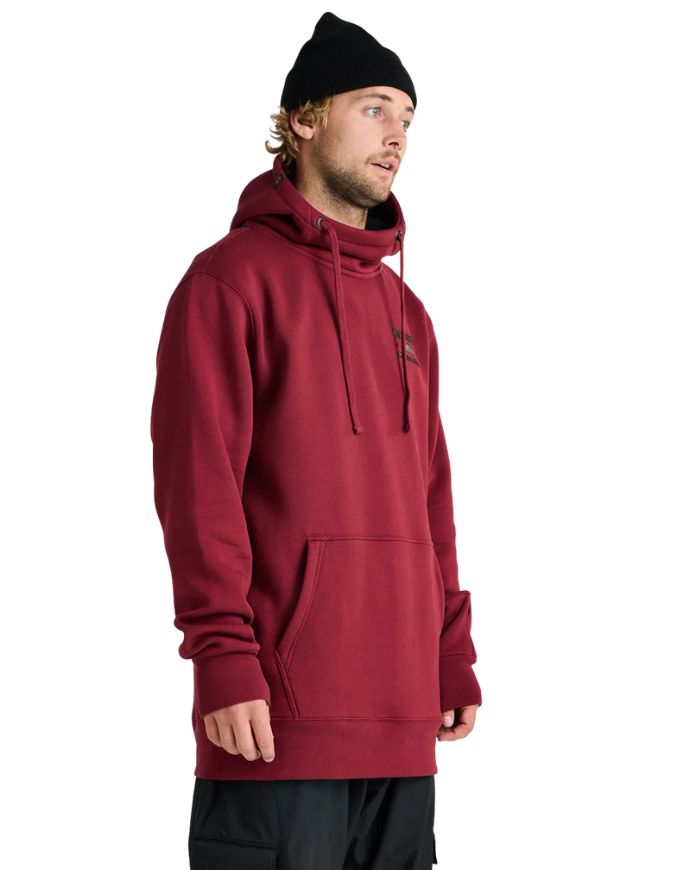
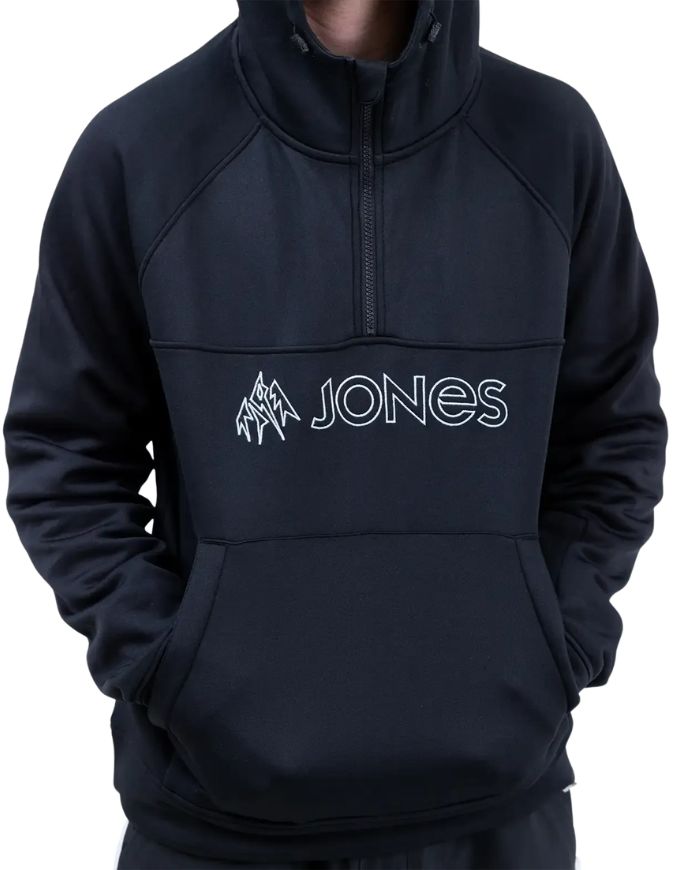
Often the same garment approached from a different angle. This page is about the layering job. If you are shopping for the look rather than the system, the snowboarding hoodies range covers the same gear from the style side.
Recently viewed