



Frequently Asked Questions
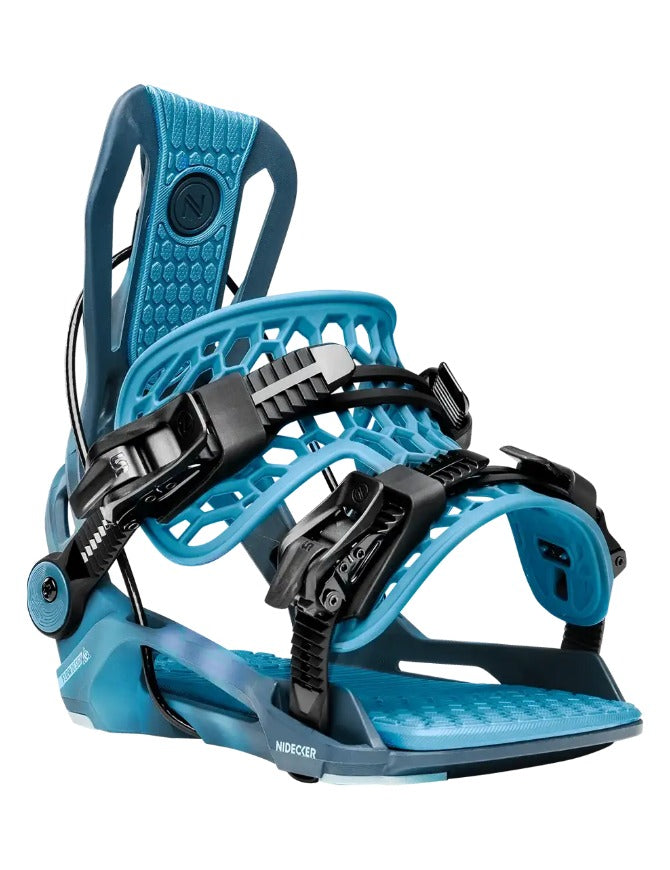
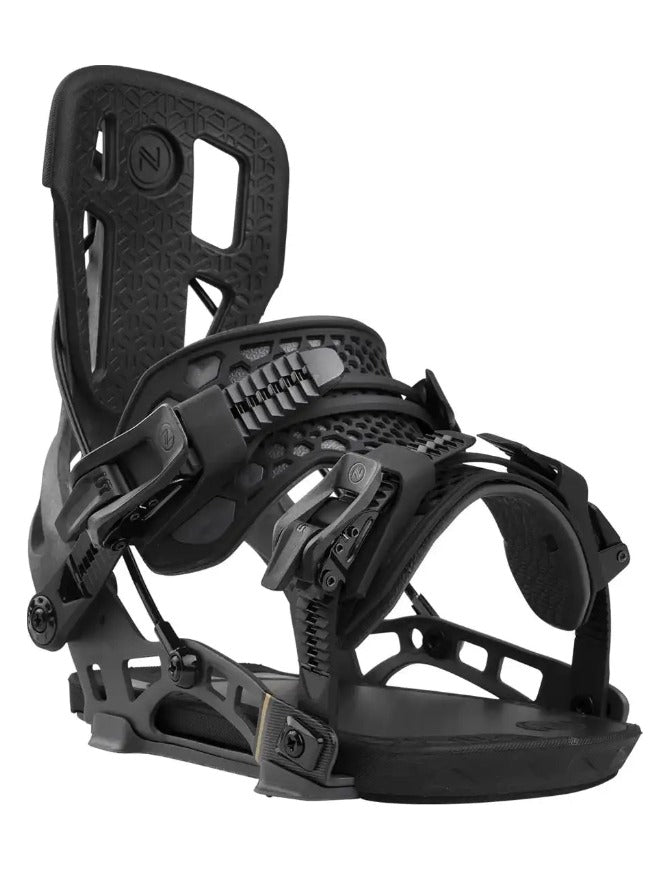
SpeedEntry is Flow's rear-entry system. The highback hinges backwards out of the way so you slide your boot in from behind, then flip the highback up until it locks. The straps stay where you set them, so the fit you dialled in at home is the fit you get every time.
Release the lever on the heel, let the highback drop back, slide your boot in over the top of the straps, then push the highback up until it clicks. Once you are used to it the whole thing takes a couple of seconds standing up, with no need to sit down in the snow.
For most riders, yes, and the convenience wins easily. Early rear-entry designs had a reputation for less precise heel hold than a well-set two-strap binding, and later designs closed most of that gap. If you ride aggressively and like adjusting strap pressure through the day, a traditional binding still offers a little more control.
Step On is faster again, but it locks you into a matched boot and binding system from one brand. Flow lets you keep whatever boots fit your feet, which matters because boot fit is the most important part of your setup.
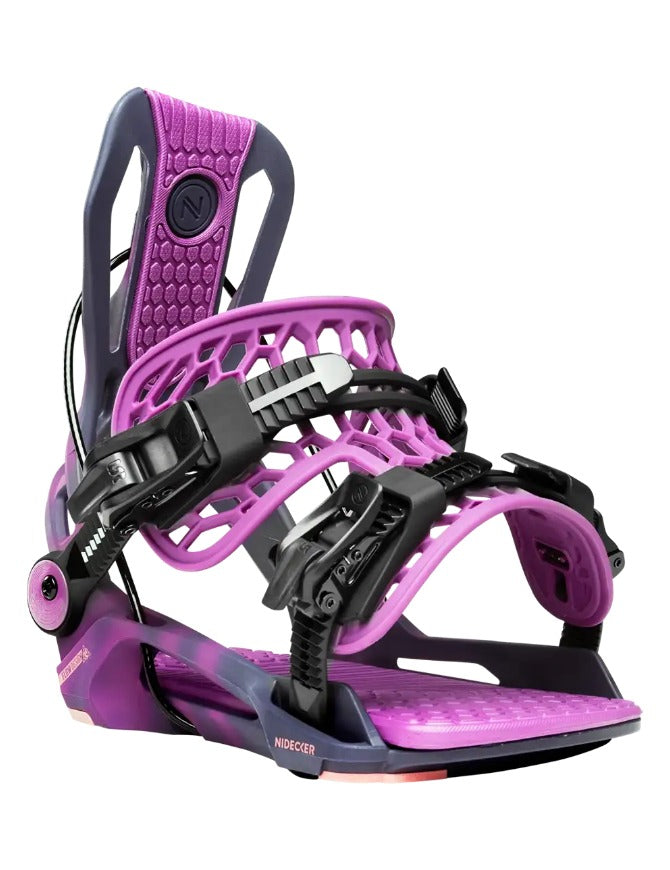
The Fuse is the all-mountain workhorse and the most recognised name in the range. The NX2 sits at the stiffer, higher performance end. Nexus and Fusion cover the mid-range, and the Minx and Juno are the women's-specific models. Range structure changes season to season, so call us if you want something specific.
Binding size follows your boot size, not your board. Work from your boot, and check that the disc pattern suits your board's insert setup before ordering. With a rear-entry binding it is also worth setting the straps up once at home with the boots you actually ride.
Let customers speak for us
Awesome Product
Awesome Product. Arrived quickly and well packaged
Anonymous
Knowledgeable staff very helpful and convenient location in Melbourne close to cbd not miles away
Knowledgeable staff very helpful and convenient location in Melbourne close to cbd not miles away in outer suburbs.
Michael Charbonnier
Awesome thanks
Predrag

Awesome thanks
Predrag

Nitro women’s snowboard
Amazing quality and super cool design!!!
Anonymous

Carver C7 Skateboard Trucks | Indigo
Pablo Retamal

Great store to shop
Great store to shop with
Anonymous
Excellent Service
I’m very happy with my purchase. I received it at a great price, and the delivery was extremely quick. Thank you for the excellent service.
Nina
Excellent
Excellent service
Sean Murphy
always a please ordering from Twelve Board Store
always a please ordering from Twelve Board Store.
My latest order even can with a handwritten note about how SICK the board I had purchased... very obvious that those who work there are in the industry and love the product also
MARTIN
It’s
It’s great
Anonymous
Warm Gloves
Burton Women's GORE-TEX Glove 2026 They are a warm Glove and have a removable liner for when it's not as cold
Timothy Johnson

.
Anonymous
Burton AK Acamar 3L Goretex jacket
I managed to steal this in-season 3L Gore jacket for half its retail and it took no time for delivery. Now I just have to wait till January to test it in some J-pow conditions. Awesome service from the team at 12 :-)
Ian L
Awesome service
Awesome service , legends 🤙
Brian Hulsinga
Featured collection
View all →








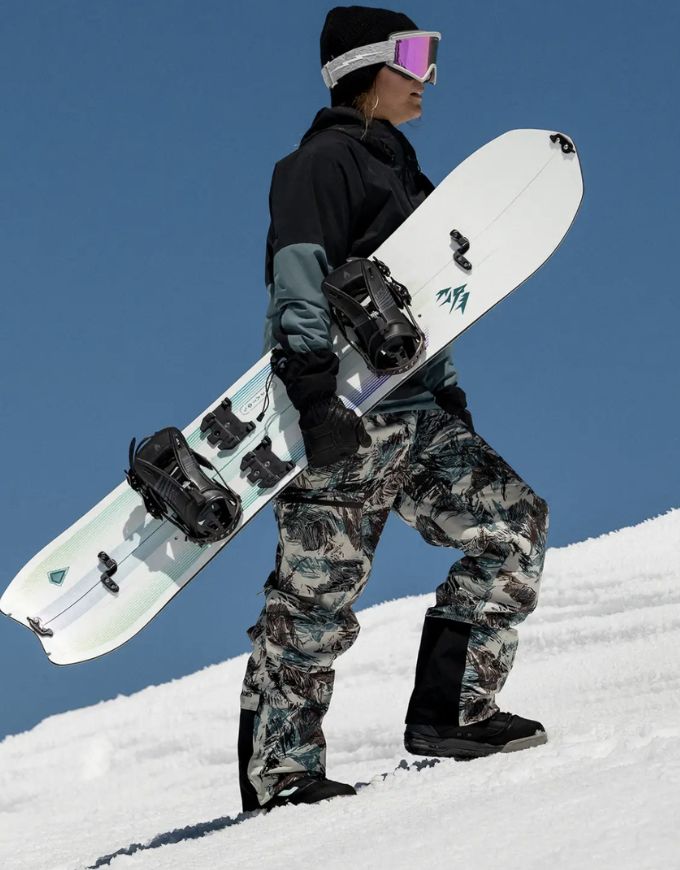




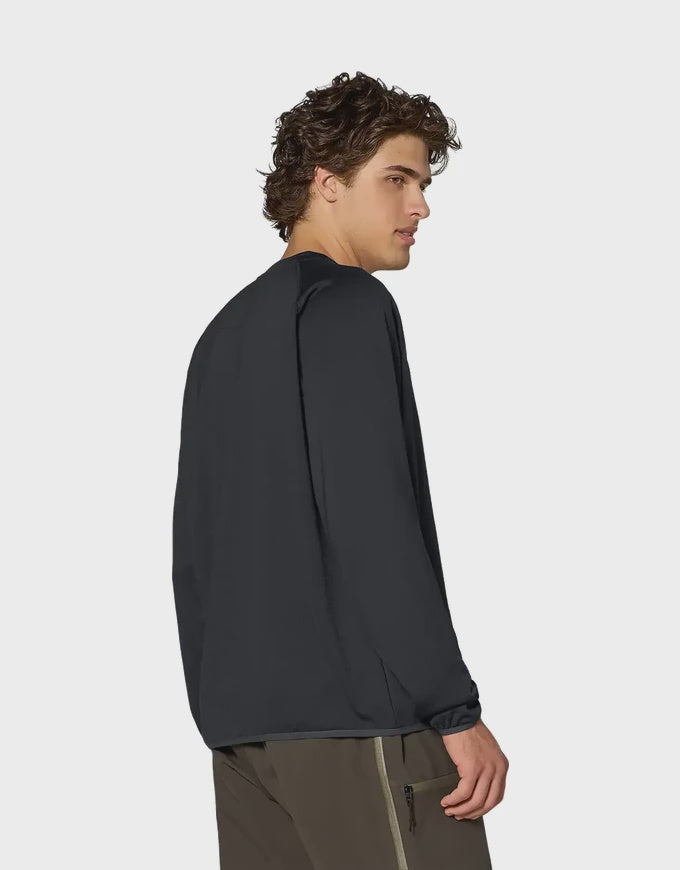

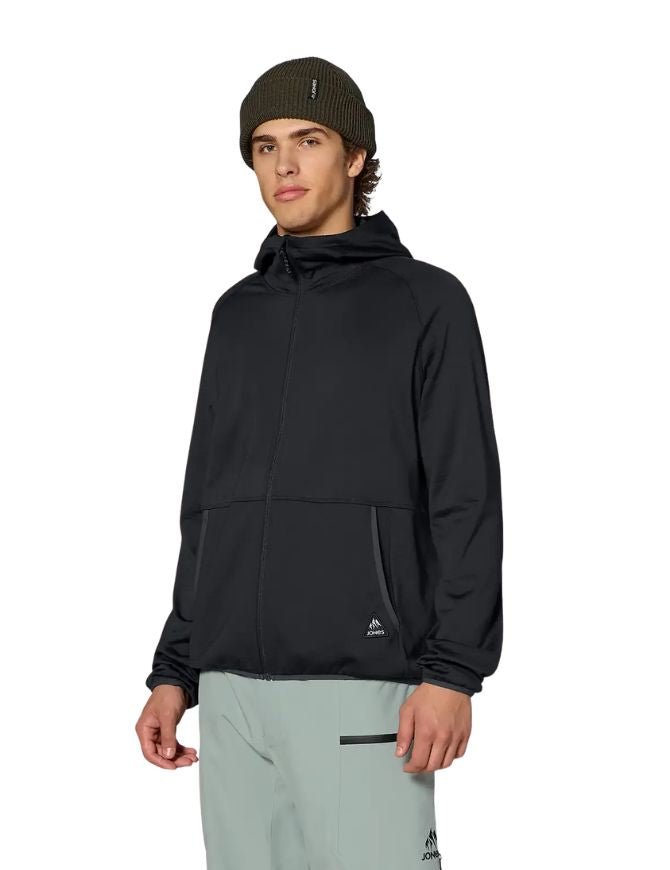


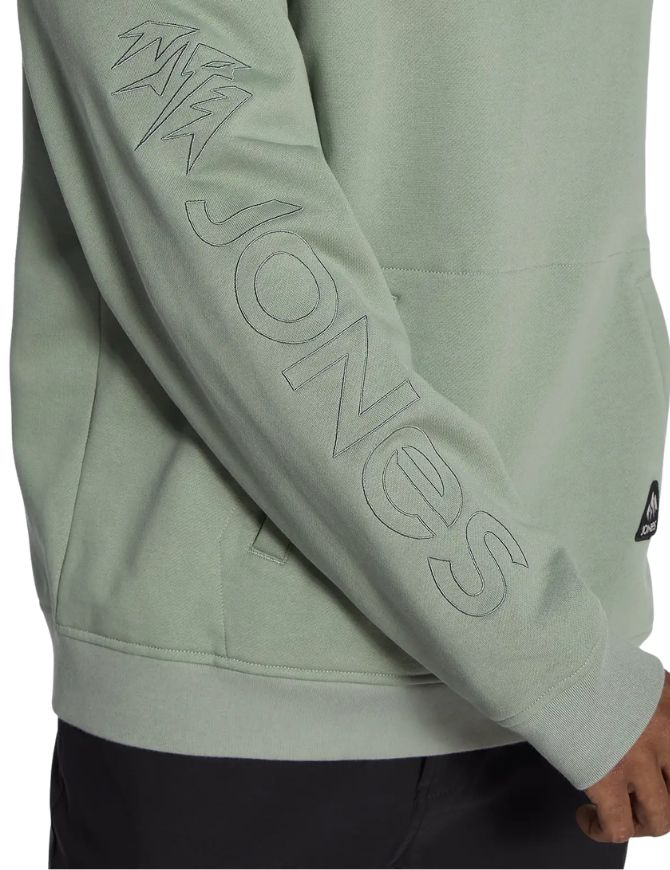


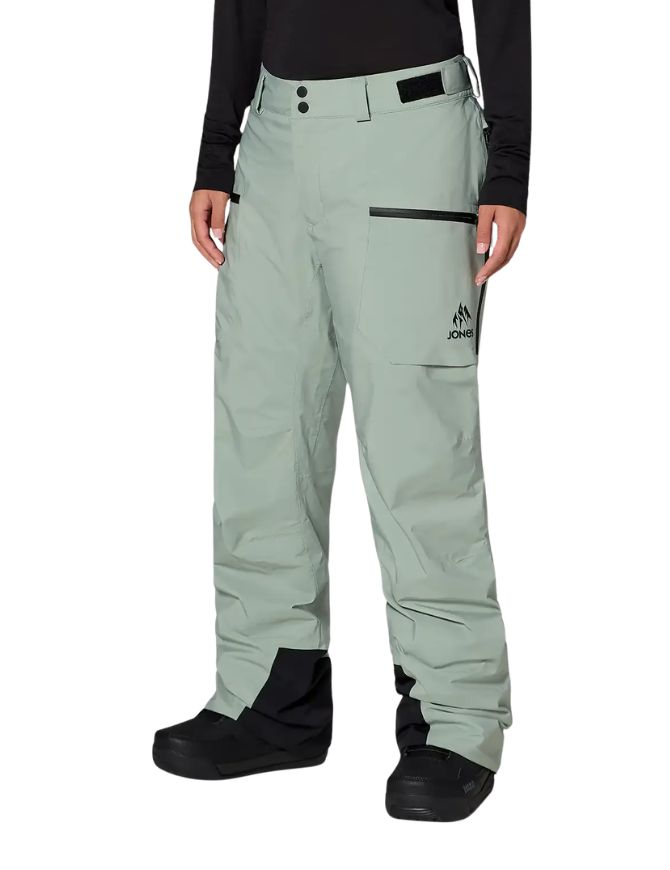

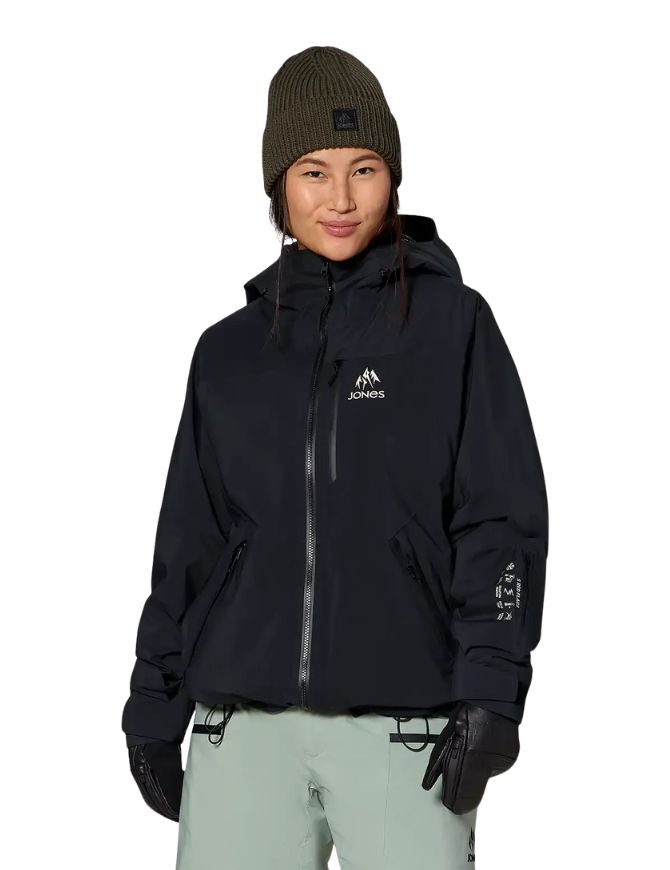
Jones Women's Deeper Insulated GORE-TEX Jacket 2027 | Stealth Black
¥4,070.00
Ships next business day