
splitboarding
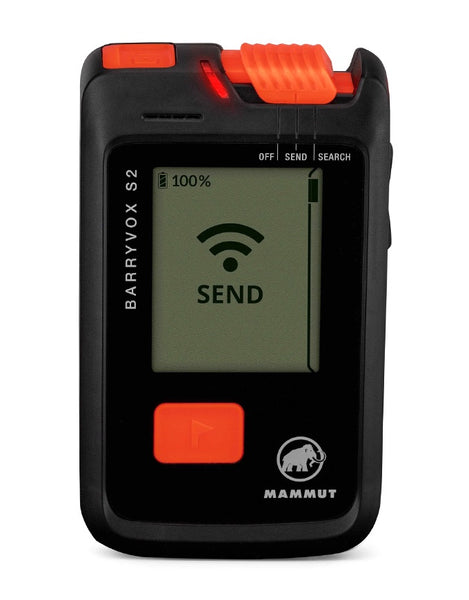
Backcountry safety gear is what keeps you alive when things go wrong beyond the resort boundary. Not the gear that makes you feel safer — the gear that actually saves a life in an avalanche burial. There is no grey area here: every person in the group carries a beacon, probe and shovel, every time, with no exceptions for experience, local knowledge or a short tour.


BCA 2 Meter Ruler
$25.00
Frequently Asked Questions
Yes. Avalanche rescue is a group effort, and a single beacon in the group means that if the beacon carrier is buried, nobody can search. Every person carries all three items, beacon, probe and shovel, every tour.
On your body, under your outer layer, in a harness. Not in your pack and not in a pocket, because either can be separated from you in a slide. That is the single most common mistake we see.
Yes. A beacon narrows the search to within a metre or two. A probe pinpoints the exact position and depth. Without one you are guessing where to dig, which wastes the time that decides the outcome.
Metal blade, not plastic, with an extendable shaft and a large blade area. Avoid ultra-compact shovels designed for alpine climbing, because avalanche rescue means moving significant snow volume fast.
No. An airbag improves your odds of staying near the surface in certain scenarios, but it is an additional layer rather than a substitute. You still need the three basics, and everyone in the group does too.
240cm is the minimum for Australian conditions, and 300cm if you are accessing deeper snowpack terrain. Practise assembling it until it deploys in under ten seconds.
AST 1 is the minimum for independent backcountry travel in Australia. It is a one to two day course covering terrain assessment, beacon technique and group rescue. Ask us in store and we will point you to the courses running this season.
The Mountain Safety Collective publishes daily forecasts for Australian backcountry zones through the season. Check it before every tour regardless of your experience level.
Shop Backcountry Safety
View all →










Mammut Nirvana 2025 Backpack 35L | Sapphire/Black
$463.00
$544.00

Mammut Nirvana 2025 Backpack 35L | Black
$463.00
$544.00


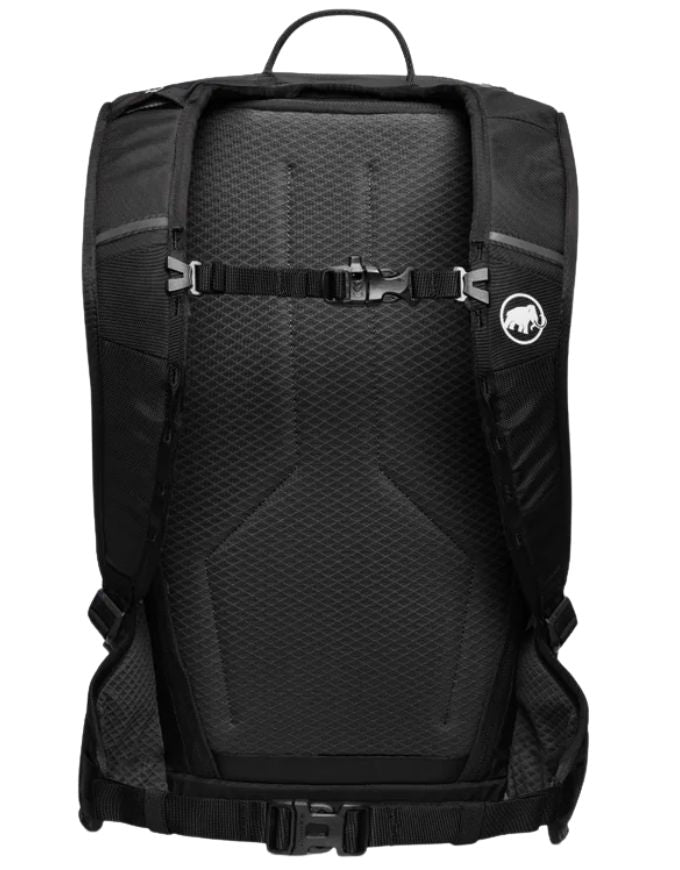
Mammut Nirvana 2025 Backpack 28L | Black
$409.00
$481.00

Mammut Nirvana 2025 Backpack 28L | Sapphire/Black
$409.00
$481.00


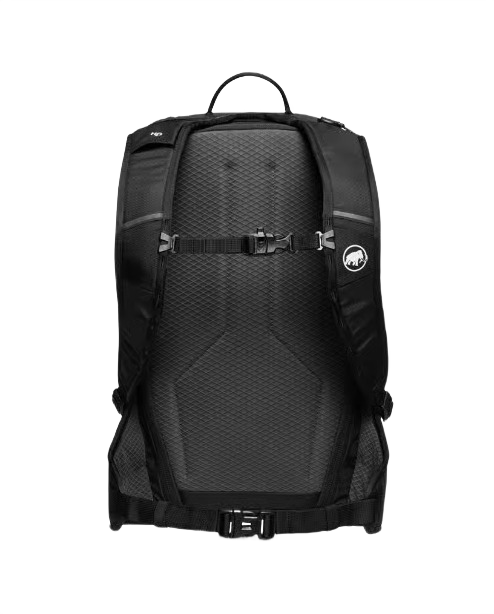
Mammut Nirvana 2026 Backpack 22L | Black
$377.00
$443.00

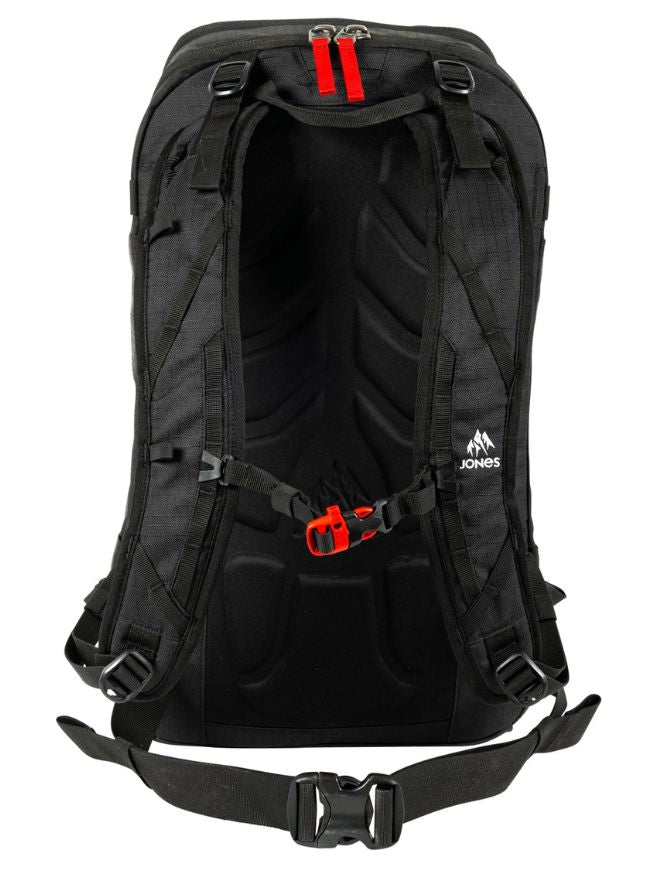

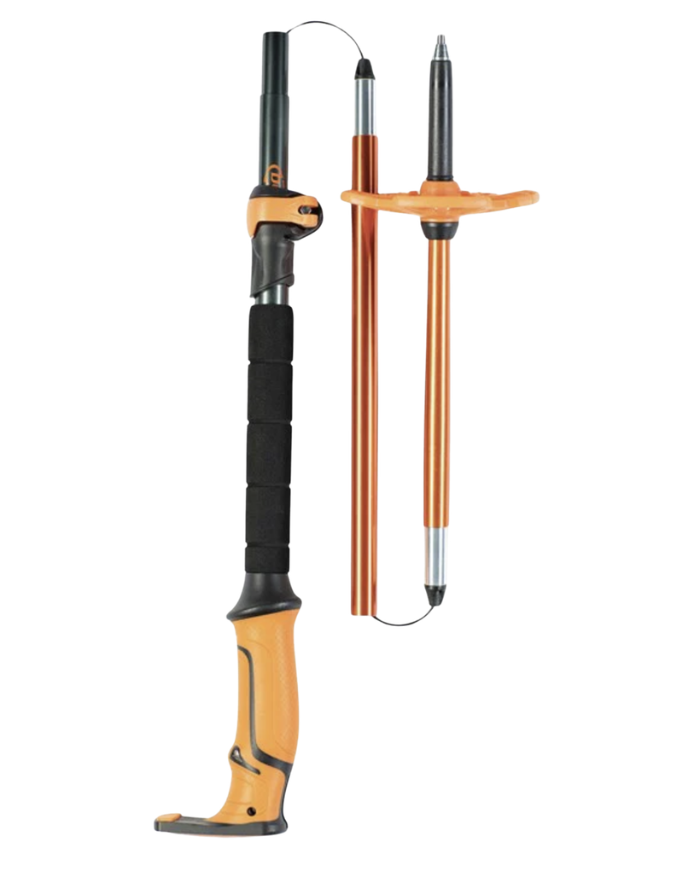

BCA Snow Study Kit
$329.00

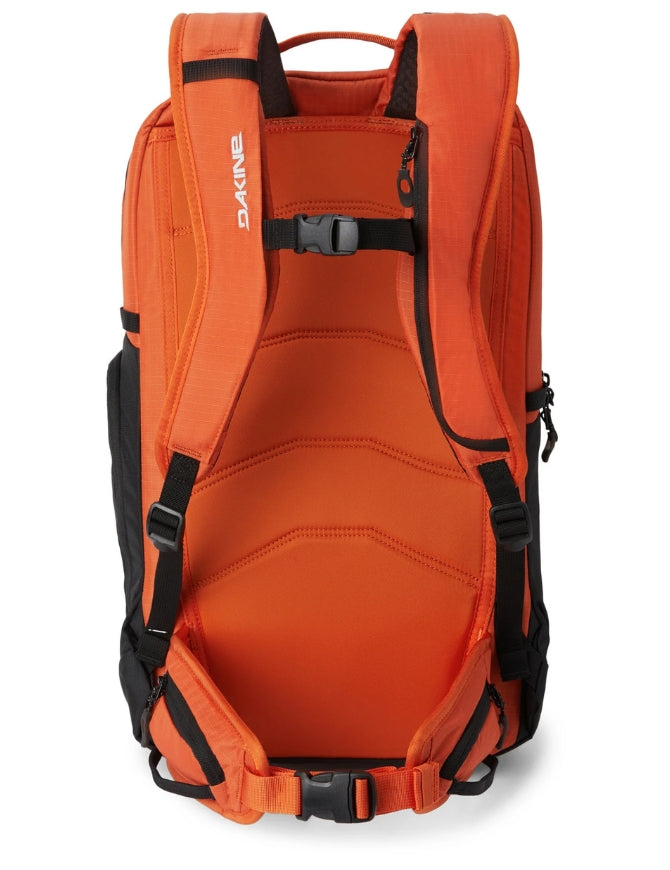
Dakine Mission Pro 25L Backpack 2025 | Pureed Pumpkin
$312.00
$367.00

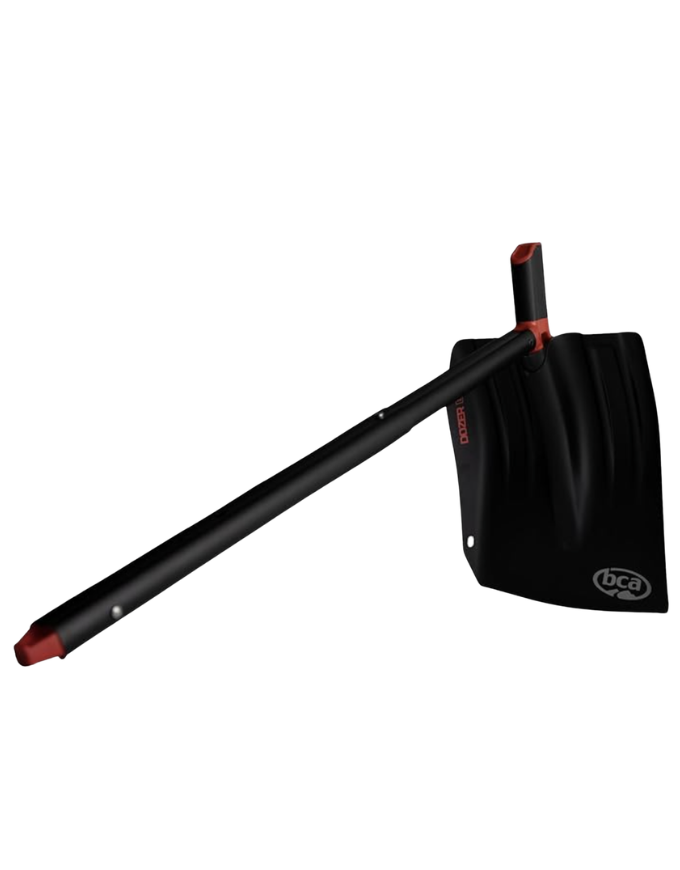
BCA Dozer 2H-S Shovel
$291.00